

Product Introduction
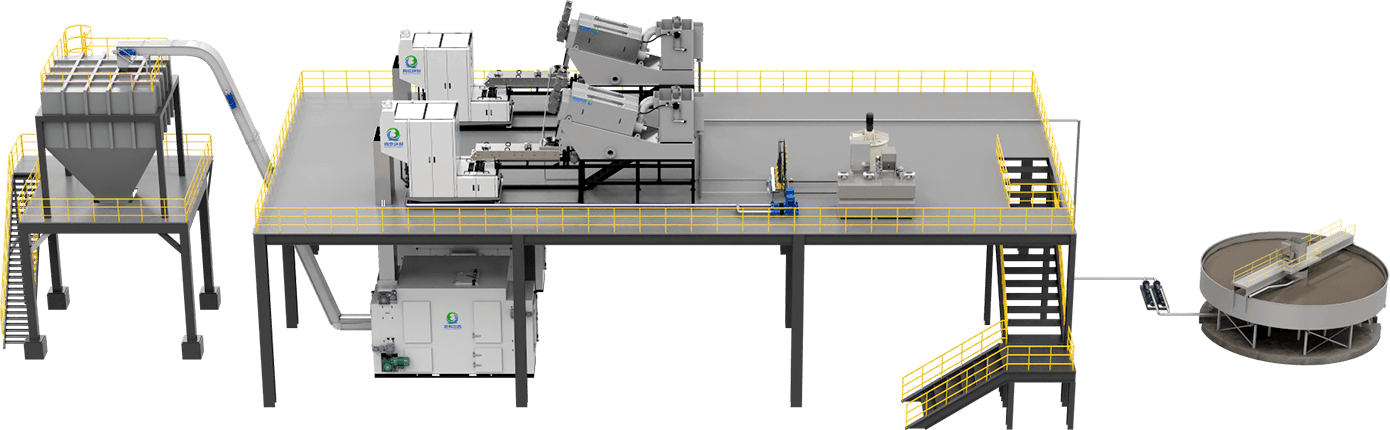
A sludge dewatering and drying system combines mechanical dewatering with thermal drying. Dewatering takes sludge to about 20% to 30% solids with polymer; drying then removes more water so that volume and disposal cost fall further. Order matters: dryers should be sized on dewatered cake, not on dilute sludge.
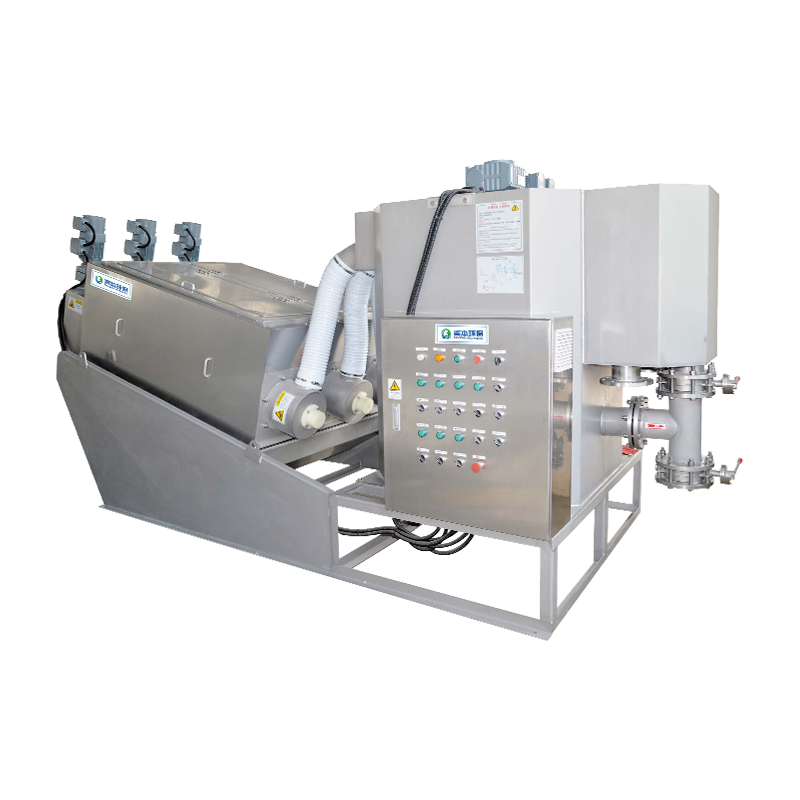
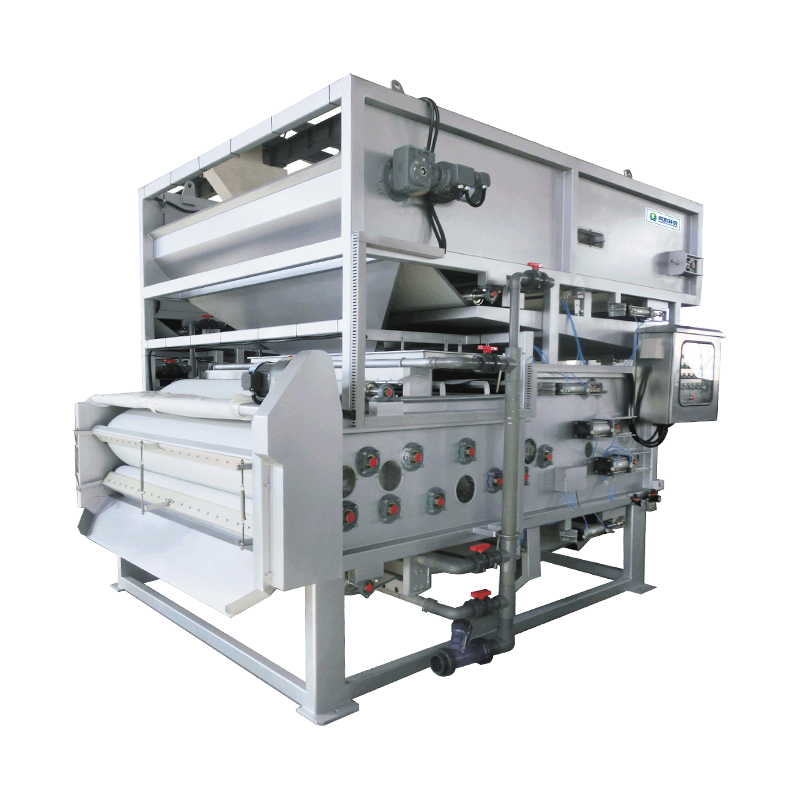
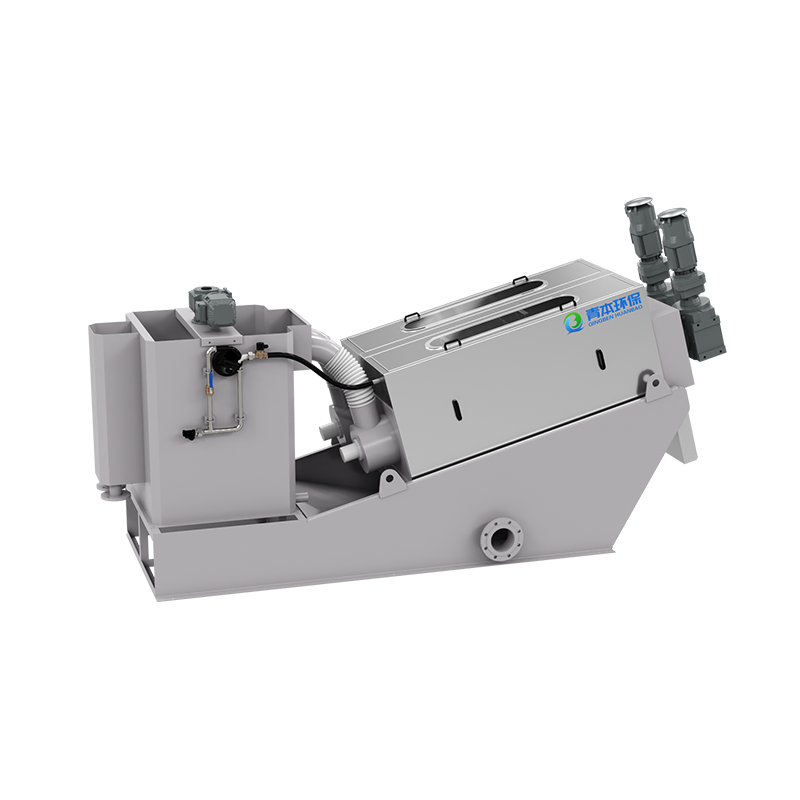
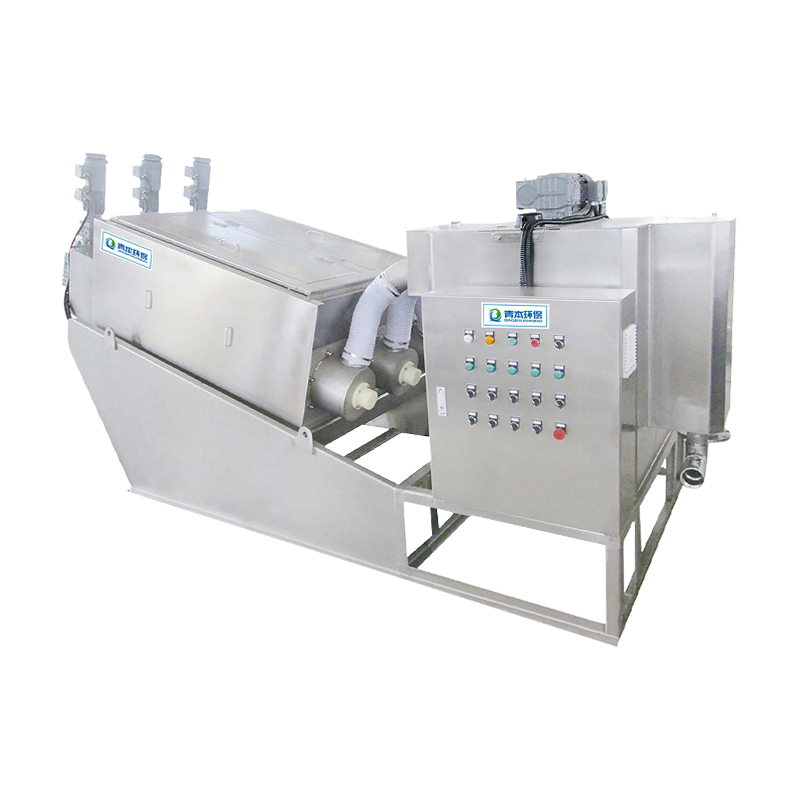
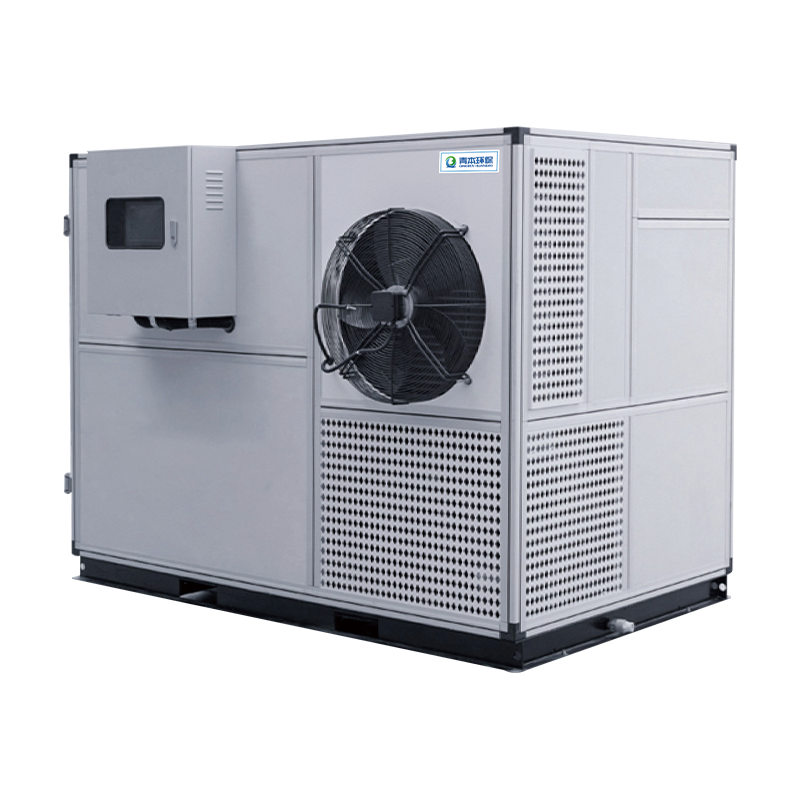
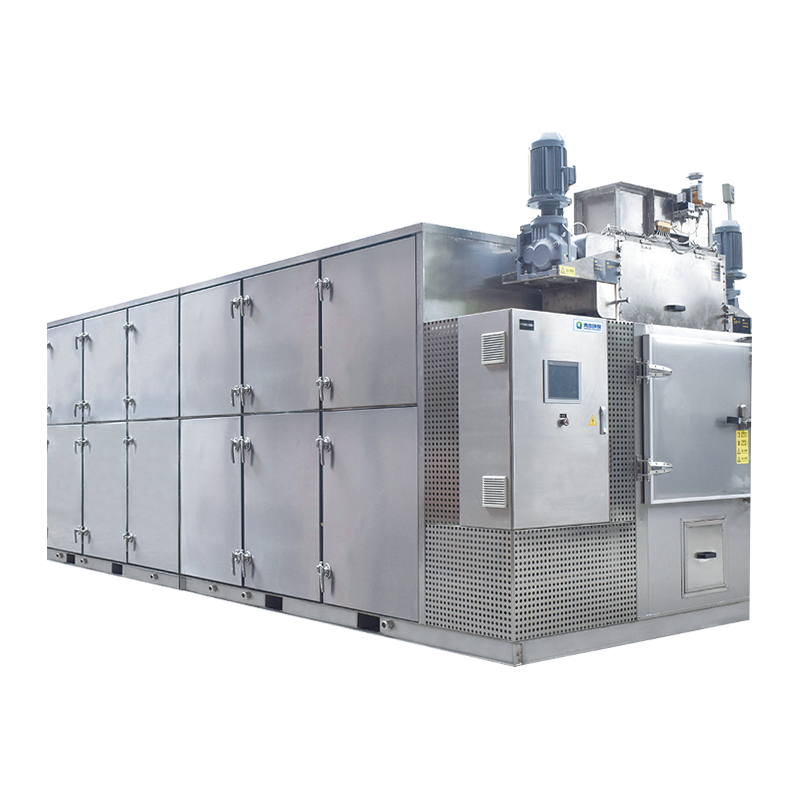
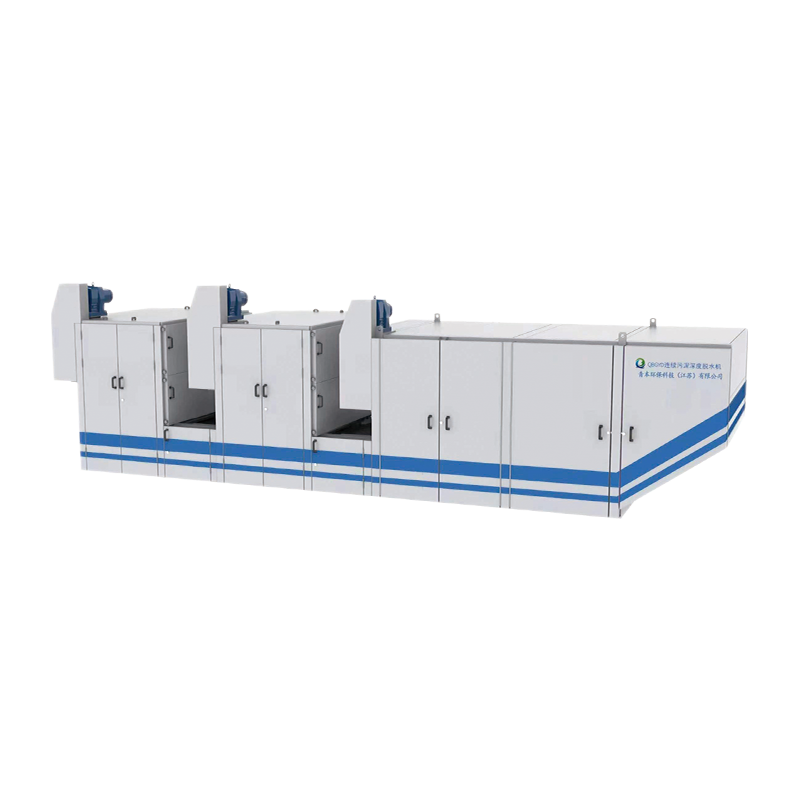
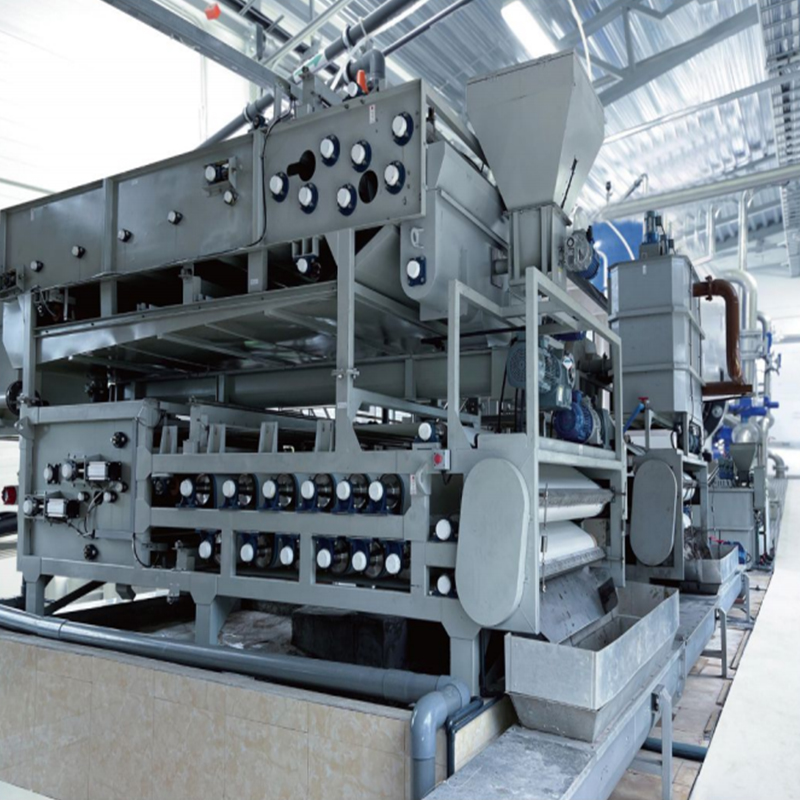
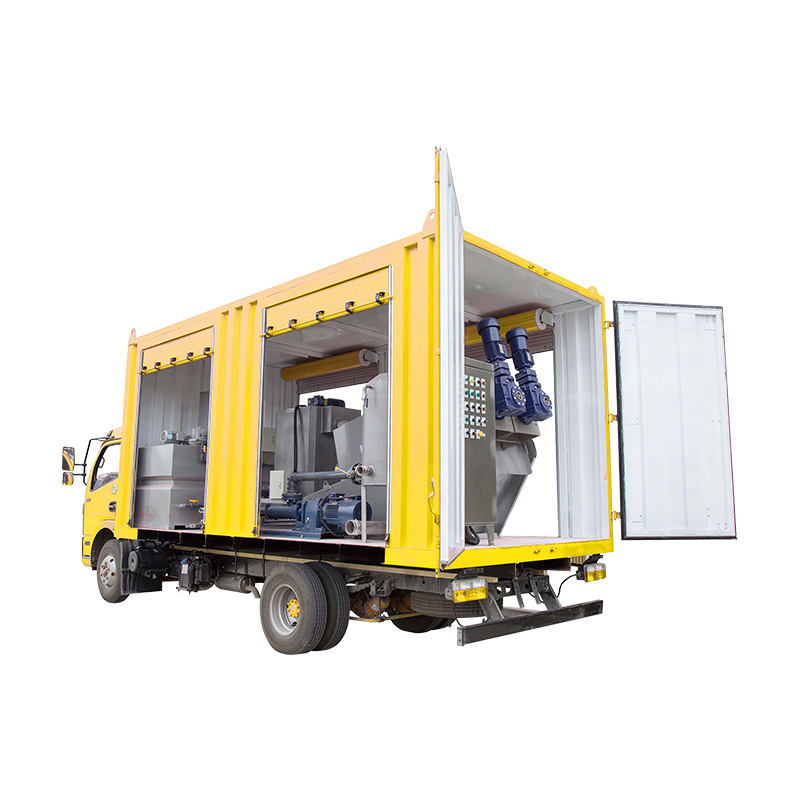
Qingben Environmental Technology (Jiangsu) Co., Ltd. is a manufacturer and supplier in Yangzhou, China. Our dewatering range includes screw press dewatering machines, a pre-concentration conch-screw press dehydrator, a mobile screw press dewatering truck, belt filter presses and high-pressure belt deep dewatering machines. Our drying range has three low-temperature platforms: belt type, low-temperature waste heat and cryogenic chamber.
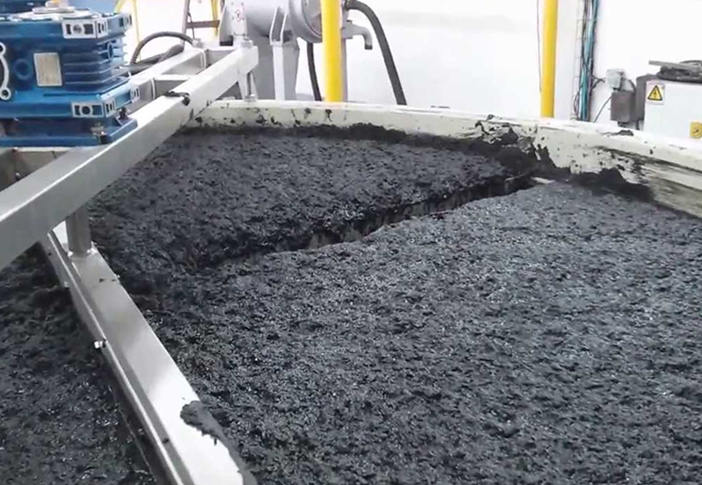
The published low-temperature dryer specification takes sludge at about 83% moisture to 10% to 30% moisture, with volume reduction above 90% and sterilization above 90%. The QBDNT belt filter press produces cake at 75% to 85% moisture, a consistent feed range for the drying system.
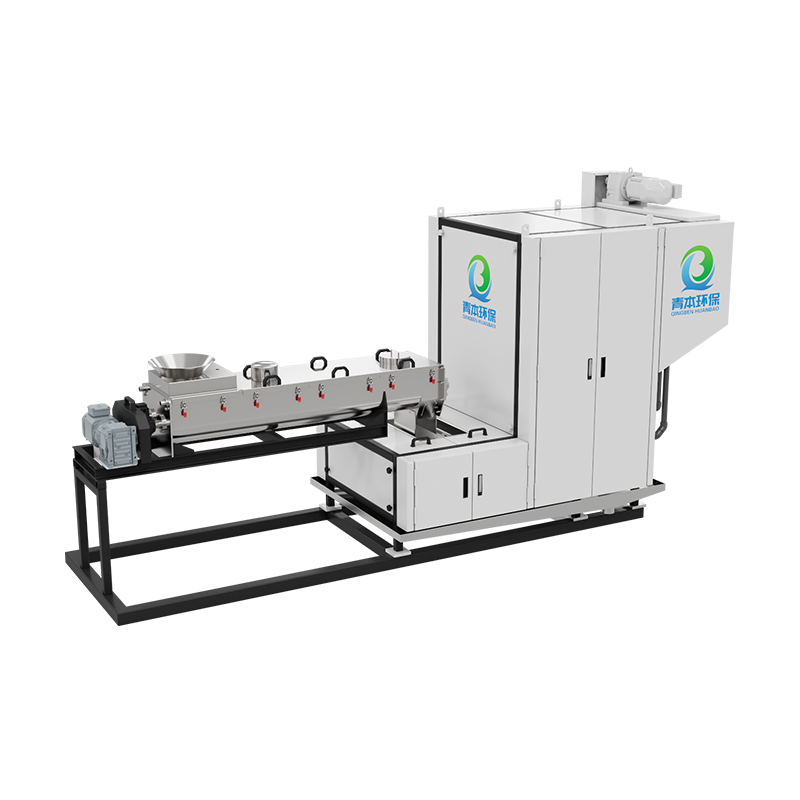
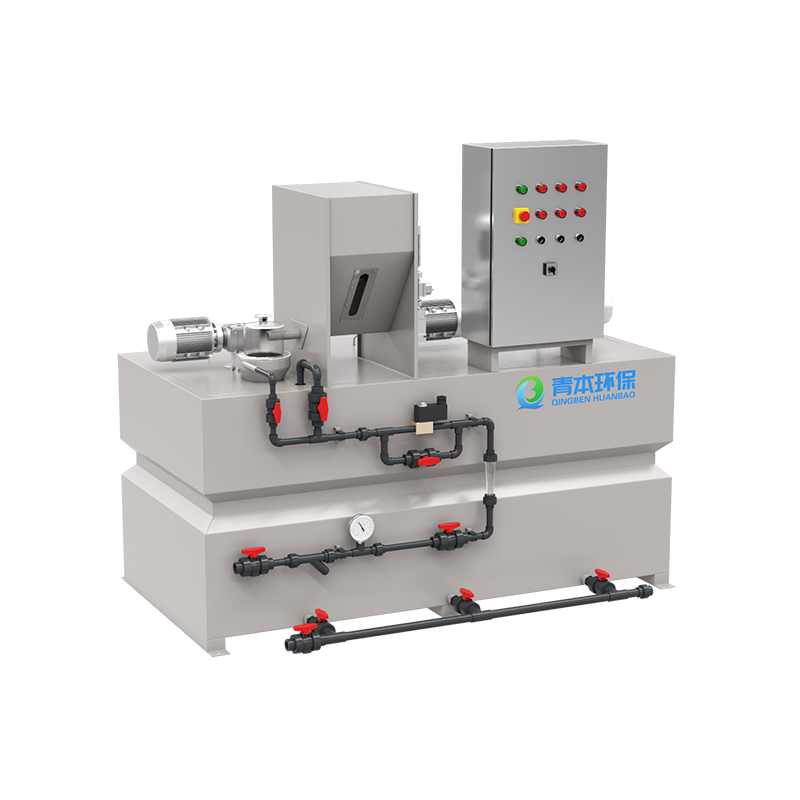
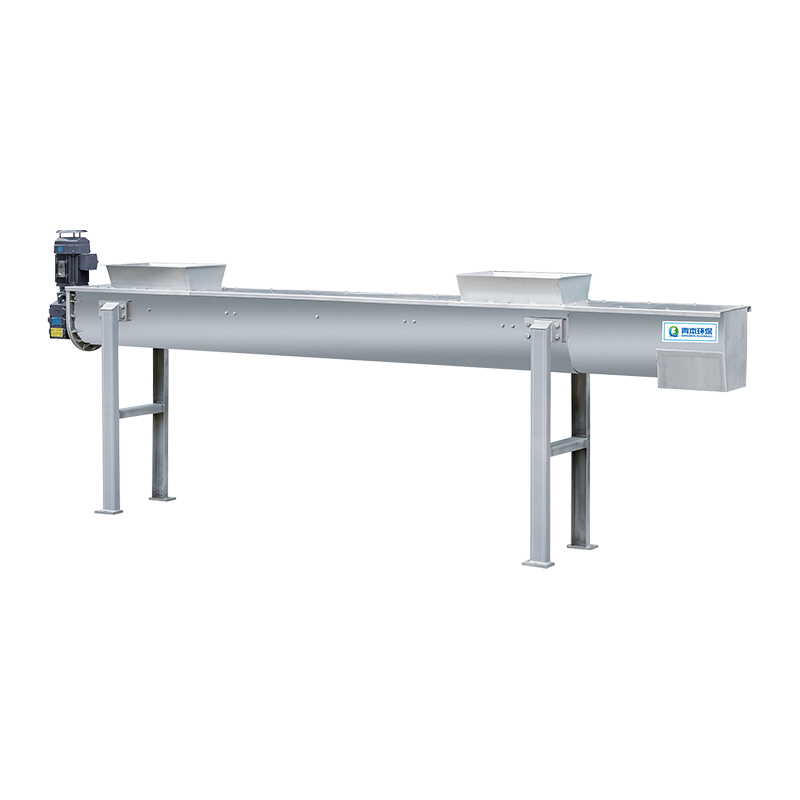
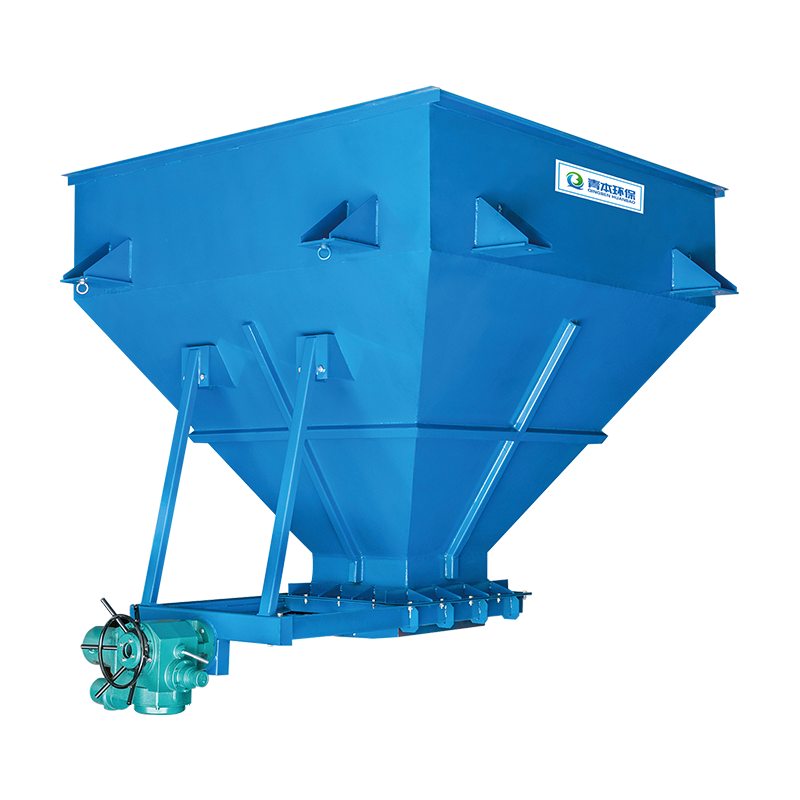
Dosing devices, screw conveyors (QBWLS-260 to 420) and sludge hoppers complete the line. Customized configurations, installation and training are available. MOQ, lead time and OEM/ODM: please contact us for details.
Product Type
Dewatering machines and low-temperature drying systems.
Dewatering Range
Screw press, mobile truck, belt press and deep dewatering.
Drying Range
Belt type, low-temperature waste heat and cryogenic chamber.
Belt Dryer Capacity
750 to 32,400 kg/24h water removal.
Waste-Heat Dryer Capacity
10,000 to 50,000 kg/24h.
Dried Moisture
10% to 30% from about 83% moisture.
Conveying
QBWLS-260 to 420 shaftless screw conveyor.
Storage
Sludge hopper with pneumatic or electric bottom discharge.
Control
PLC with touch screen on dryers; automatic control on presses.
MOQ and Lead Time
Please contact us for details.
Specifications & Customization
Drying Platforms
| Platform | Rated Water Removal | Configuration | Air Temperature |
| Low Temperature Belt Type | 750 to 32,400 kg/24h | 1 to 12 heat-pump modules; touch screen and PLC | 48 to 56 deg C return; 65 to 80 deg C supply |
| Low Temperature Waste Heat | 10,000 to 50,000 kg/24h | 4 to 20 modules; hot water 85/65 deg C; cooling water 33/45 deg C | 50 to 65 deg C return; 68 to 85 deg C supply |
| Cryogenic Chamber | Subject to product configuration | Chamber design | To be confirmed |
QBWLS Screw Conveyor
| Model | Speed (rpm) | Capacity 0 deg (m3/h) | Capacity 15 deg (m3/h) | Capacity 30 deg (m3/h) | Power (kW) |
| QBWLS-260 | 22 / >20 | 3 | 2.1 | 1.3 | 1.1 |
| QBWLS-300 | 22 / >20 | 6 | 4.6 | 2.6 | 1.5 |
| QBWLS-360 | 22 / >20 | 9.5 | 6.5 | 4.3 | 2.2 |
| QBWLS-420 | 22 / >20 | 12 | 9 | 5.7 | 3 |
Specifications are as published on product pages. Dewatering machine data sheets are available upon request.
Customization Options
Dryer CapacityModules and capacity matched to the line.
Final DrynessMatched to disposal route.
ConveyorLength and angle customizable; stainless or manganese steel blades.
Hopper DischargePneumatic or electric bottom discharge.
Control InterfacePLC and touch screen; line interlocks.
OEM/ODM and BrandingPlease contact us for details.
Applications & Target Customers
Application Scenarios
| Industry / Application | Typical Use | Relevant Product Features |
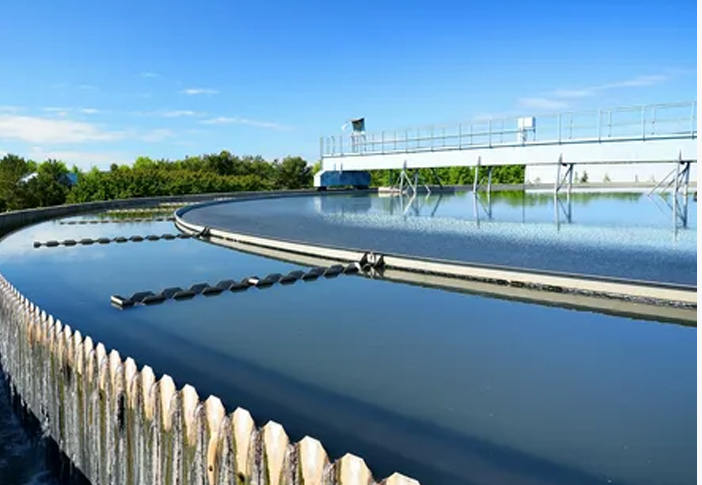
| Municipal wastewater plants | Dewatering then drying to cut hauling | Press plus dryer in one line |
| Printing, dyeing and papermaking | Dewatering and drying industrial sludge | Dried output 10% to 30% moisture |
| Electroplating and chemical | Reducing volume of costly sludge | Enclosed drying construction |
| Leather and pharmaceutical | Volume reduction before disposal | Sterilization above 90% as published |
| Plants with waste heat or CHP | Low-cost heat for drying | Low-temperature waste-heat dryer |
Target Customers
Municipal Owners
Want a complete dewatering and drying line.
Industrial Operators
Need on-site volume reduction.
EPC Contractors
Need linked equipment data.
Distributors
Need a full range of presses and dryers.
Suitable and Unsuitable Uses
Suitable Uses
Projects with high disposal cost
Sites with dewatered cake ready for drying
Sites with waste heat or heat-pump power
Lines needing automated cake handling
Unsuitable Uses or Applications Requiring Additional Evaluation
Sites with cheap disposal where drying is not justified
Dilute sludge with no dewatering stage
No heat or power for a dryer
Unknown sludge: sampling advised
Selection Guidance
Application Requirements: Dryness and disposal route.
Technical Specifications: Capacity and moisture.
Working Environment: Space and odor control.
Material Compatibility: Wetted material for sludge.
Installation Conditions: Utilities and access.
Budget and Order Quantity: Please contact us for details.
Usage Notes
- Product inspection: Check components against the order.
- Installation: Confirm foundations and utilities.
- Operating environment: Check ventilation and drainage.
- Daily maintenance: Follow equipment manuals.
- Cake handling: Keep conveyors and hoppers clear.
- Storage: Please contact us for storage requirements.
Advantages
Complete Line
Presses, dryers, dosing, conveyors and hoppers come from one manufacturer.
Verifiable basis: Product categories on our website.
Buyer benefit: Fewer interfaces to coordinate.
Low-Temperature Drying
Sludge at about 83% moisture dries to 10% to 30% moisture.
Verifiable basis: Published dryer specification.
Buyer benefit: Predictable output for disposal planning.
Reduction and Sterilization
Volume reduction is above 90% and sterilization above 90%.
Verifiable basis: Published on dryer pages.
Buyer benefit: Lower disposal volume.
Modular Dryers
Belt dryers use 1 to 12 modules; waste-heat dryers 4 to 20.
Verifiable basis: Published configuration.
Buyer benefit: Capacity matched to site.
Enclosed Conveying
Shaftless conveyor with sealed structure and wear liner.
Verifiable basis: Published QBWLS description.
Buyer benefit: Cleaner working area.
Controls
PLC and touch screen on dryers; conveyor can interlock with the press.
Verifiable basis: Published product pages.
Buyer benefit: Limited manual supervision.
Frequently Asked Questions
- Q: What moisture can the dryer achieve?
- A: Published data: from about 83% moisture to 10% to 30% moisture.
- Q: Which dryer type should I choose?
- A: Belt type for continuous feed with electric power, waste-heat type where hot water is available, chamber type for smaller or containerized sites.
- Q: What capacity do your dryers cover?
- A: Belt type 750 to 32,400 kg/24h; waste-heat type 10,000 to 50,000 kg/24h.
- Q: Do I need dewatering before drying?
- A: Yes. Dryers should be sized on dewatered cake.
- Q: What conveyor models are available?
- A: QBWLS-260, 300, 360 and 420, with customizable length and angle.
- Q: Can the line be controlled together?
- A: Conveyors can interlock with the press or dryer; dryers use PLC and touch screen.
- Q: Do you offer custom or OEM/ODM supply?
- A: Please contact us for details.
- Q: What are MOQ, sample policy and lead time?
- A: These depend on configuration. Please contact us.
Contact Us to Learn More
Send us your sludge source, solids content, daily volume and target dryness. Our team can recommend a press and dryer combination and prepare a quotation.
Press and dryer selection, specifications, custom configuration, MOQ, delivery and technical support.
View More ProductsSend an Inquiry