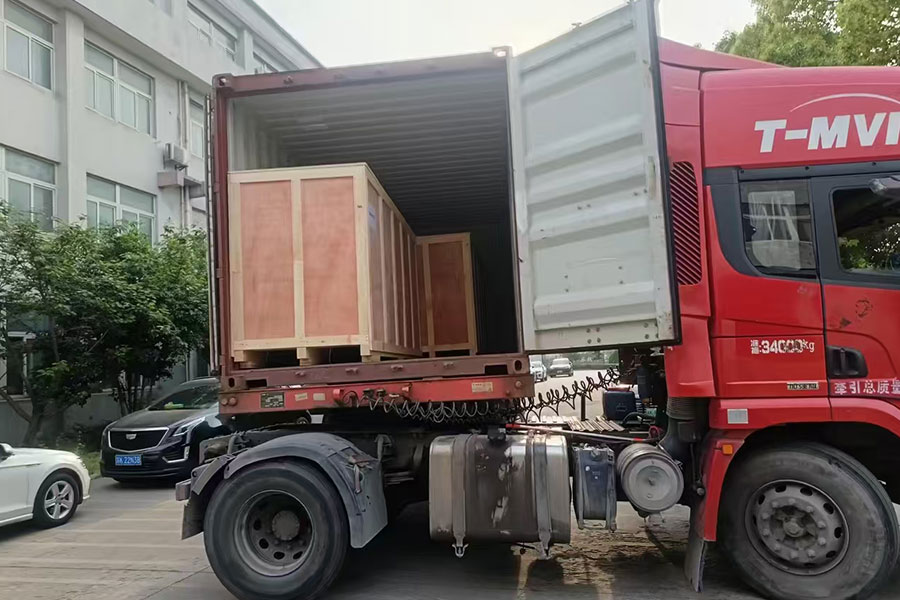
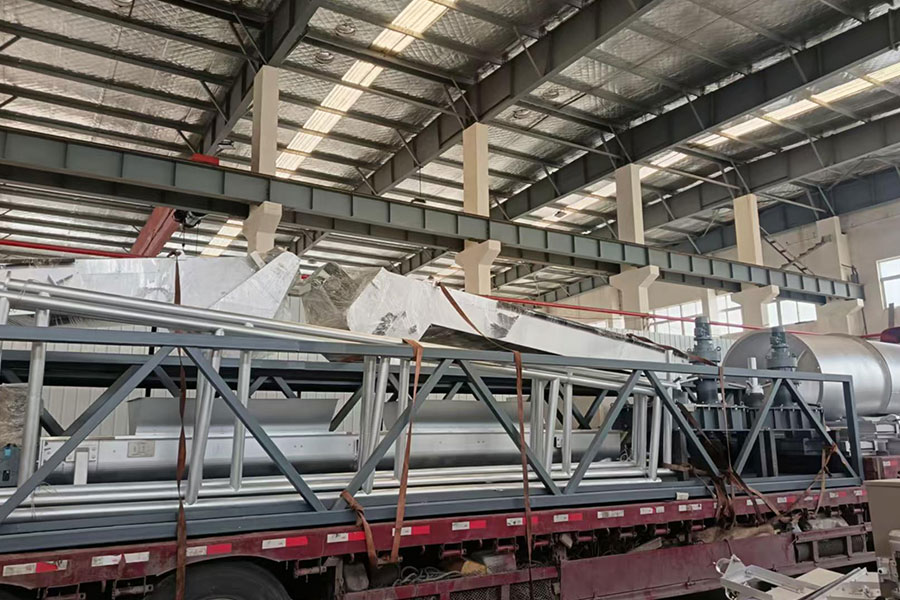
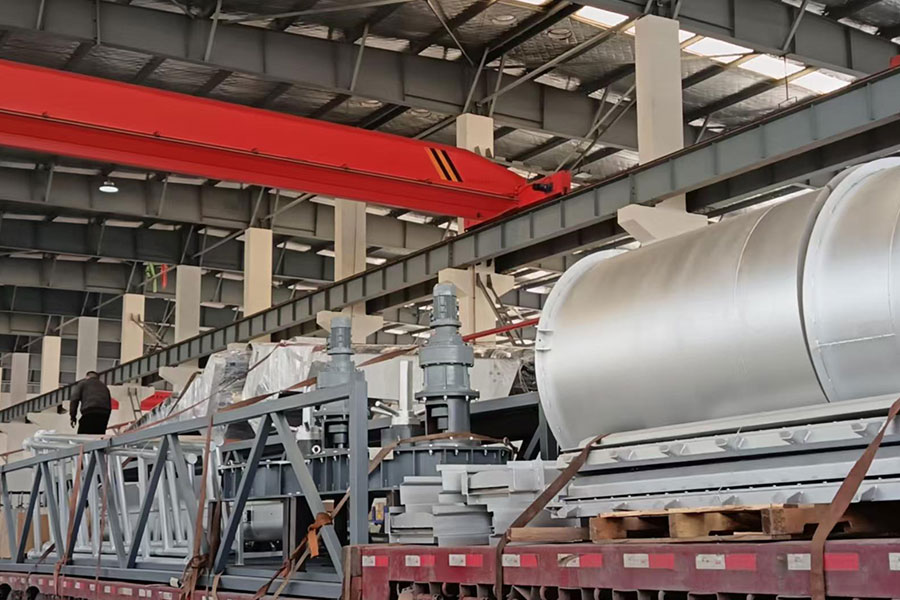
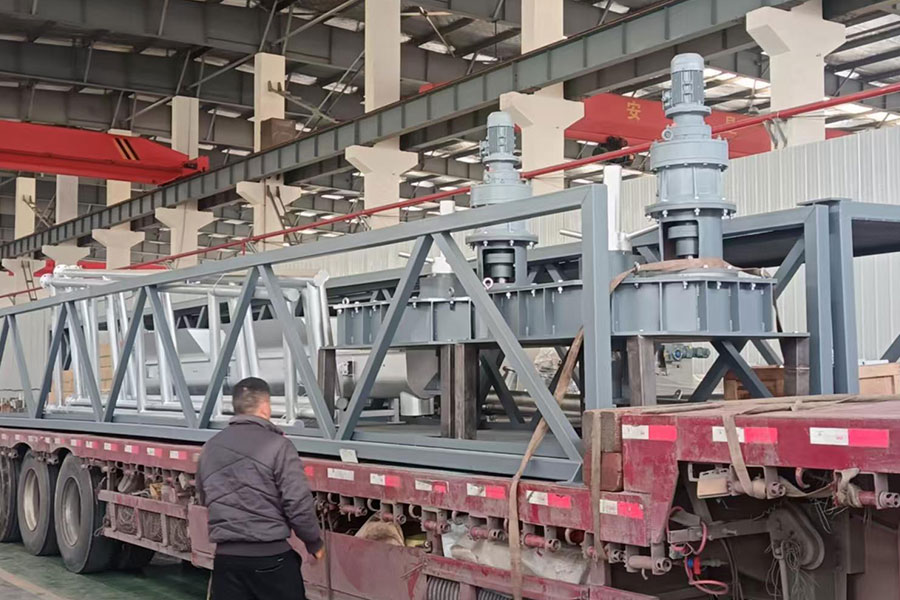
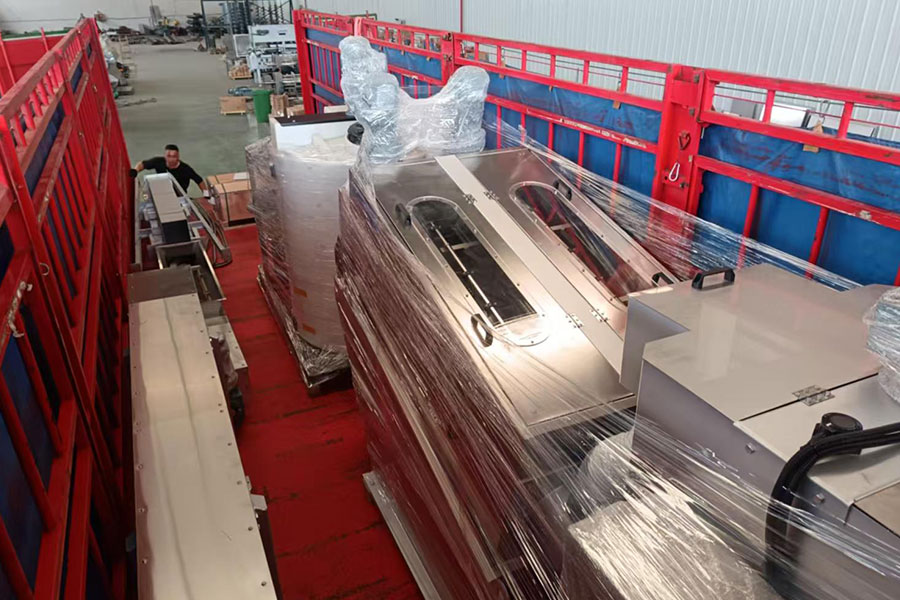
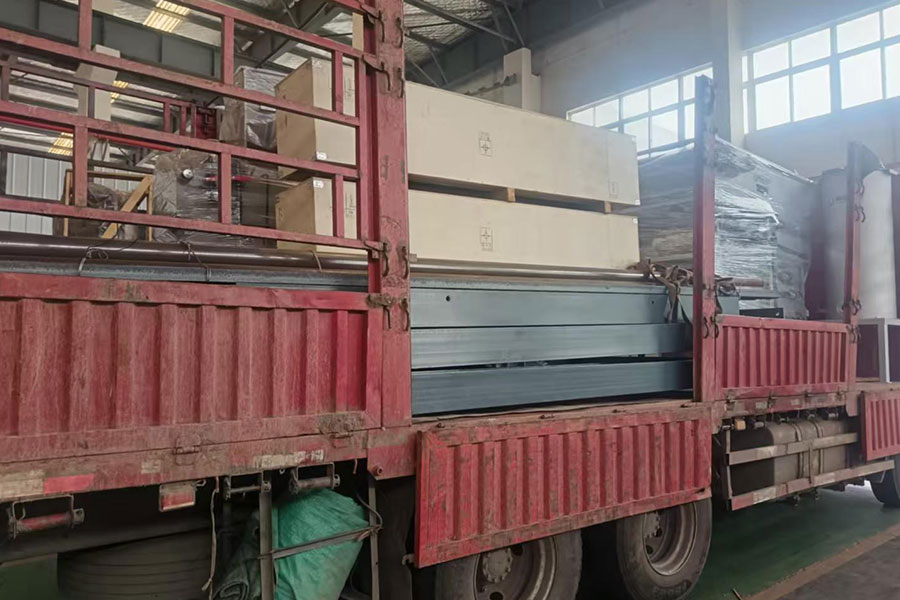
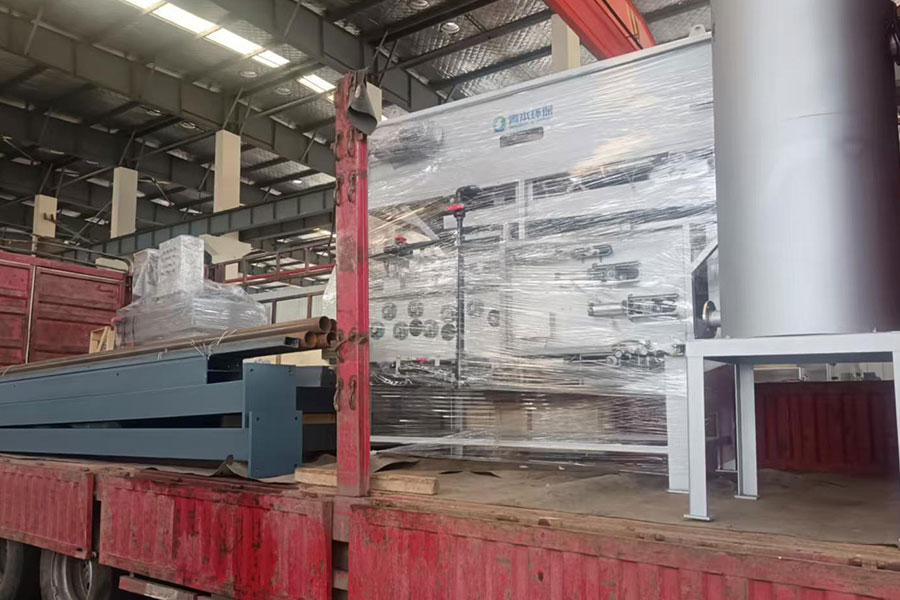
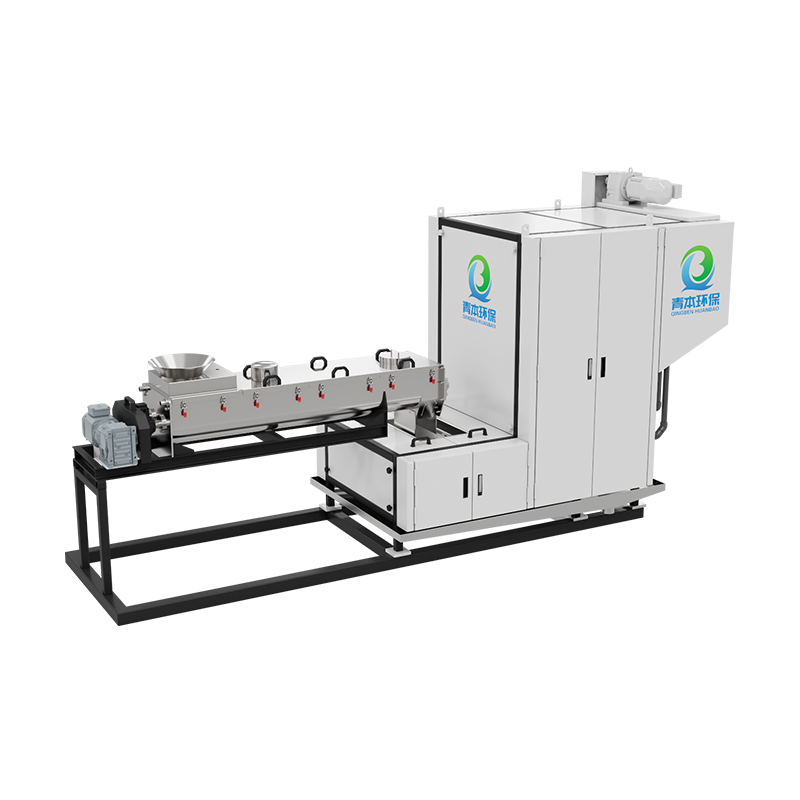
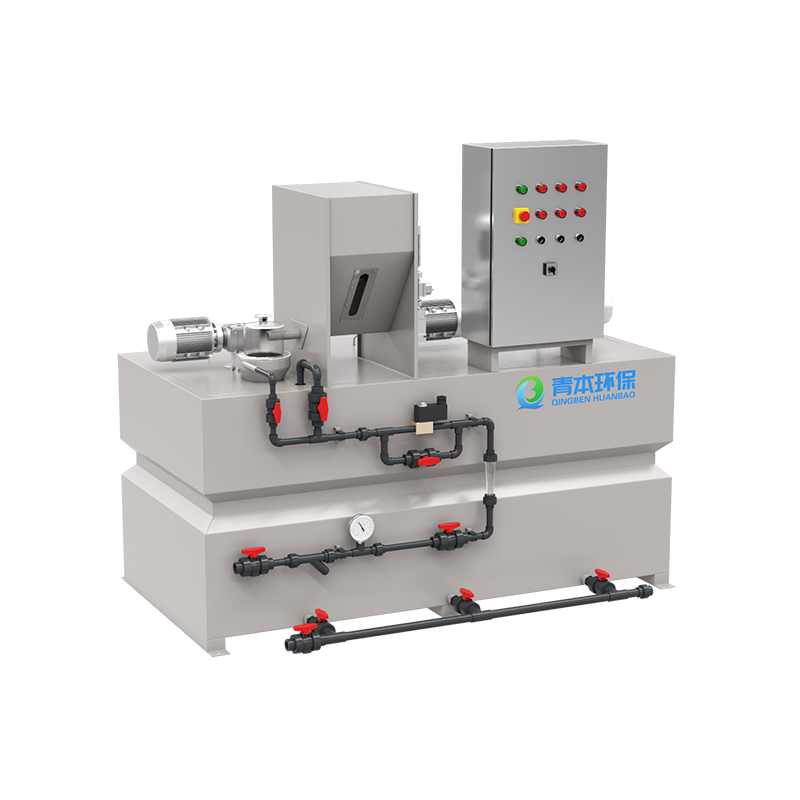
Our Integrated Dosing Device manufacturer range combines powder feeding, dissolving, maturing and dosing in one automatic unit for PAM and other water-soluble polymers. The QBYTH series is built in our Yangzhou factory as a compact, skid-mounted preparation system and is supported through project consultation, installation, commissioning and after-sales service.
What the QBYTH Series Covers
Seven standard models produce 500 to 4,000 L/h of prepared polymer solution. The dry powder feed rate, water intake and tank dimensions are matched to the polymer demand of your dewatering or wastewater treatment line. The nominal output is based on a one-hour maturing time, so the solution is fully hydrated before it reaches the dosing point.
| Model |
Prepared Capacity (L/h) |
Power (kW) |
Water Intake (m³/h) |
Footprint L×B×H (mm) |
Net Weight (kg) |
| QBYTH-500 |
500 |
1.7 |
0.3–1.5 |
1370 × 680 × 1500 |
250 |
| QBYTH-1000 |
1000 |
2.45 |
0.6–3 |
2000 × 1000 × 1710 |
400 |
| QBYTH-1500 |
1500 |
2.45 |
0.9–4 |
2130 × 1070 × 1710 |
490 |
| QBYTH-2000 |
2000 |
2.45 |
1.2–6 |
2200 × 1200 × 1900 |
550 |
| QBYTH-2500 |
2500 |
3.5 |
1.6–8 |
2400 × 1200 × 2140 |
650 |
| QBYTH-3000 |
3000 |
3.9 |
2.0–10 |
2400 × 1300 × 2180 |
700 |
| QBYTH-4000 |
4000 |
3.9 |
2.4–12 |
2720 × 1400 × 2250 |
770 |
Process Fit and How It Works
Each unit is built around a dry powder feeding system and a dissolution tank. The heated anti-caking design prevents powder from bridging or caking, which is especially important with PAM in humid operating environments. Water flow is adjustable, so the controller can prepare the exact solution concentration required by the process instead of relying on a fixed dilution ratio.
The dosing, dissolving and feeding stages share one frame, which simplifies installation next to a Screw Press Sludge Dewatering Machine, belt filter press or a central chemical dosing station. Typical applications include sludge conditioning before mechanical dewatering, polymer dosing in municipal and industrial wastewater treatment, and reagent preparation for water supply or circulating water systems.
Application Fit
- PAM flocculant preparation for sludge dewatering lines
- Polymer dosing for industrial wastewater treatment
- Municipal water supply and circulating water treatment
- Reagent preparation for other water-soluble polymers where feed rate and concentration must be controlled
Configuration Options
We configure the QBYTH around the chemical, site layout and control requirements of each project. The standard unit can be extended with a vacuum loader for closed powder handling or an online dilution system that dynamically dilutes the stock solution, for example from 10% to a 0.5% working concentration, for different treatment stages.
Tank material is selected for the media being prepared: stainless steel 304 for standard polymer service, polypropylene PP or fiberglass FRP for corrosive media and chemically aggressive water conditions. Pipe connections are sized by model: dosing port DN25–DN40, water inlet DN25–DN50, spillway DN32–DN40 and vent DN25–DN40.
Controls, Automation and Line Integration
The control system is built around a PLC and HMI with integrated liquid level sensors, flow meters and pH/ORP online monitoring modules. When powder reaches a low-level threshold, the system triggers an audible and visual alarm, automatically suspends feeding, and sends an early warning signal to the host computer through the Modbus protocol. This allows continuous production without interrupting the dewatering line.
For plants that already run SCADA or a centralized control room, the Modbus output provides a practical integration point for monitoring and remote operation. The optional online dilution module adds a secondary mixing stage, giving the operator real-time control of dosing concentration across different process points.
Installation and Operating Boundaries
The unit is compact enough for indoor installation on a level floor. Provide clearance above the powder hopper for bag loading or for the optional vacuum loader, plus access around the control panel and dosing pump area for maintenance. Water supply pressure should be sufficient for the rated intake shown in the table, and the electrical supply must match the model power requirement of 1.7–3.9 kW.
Because the dry powder feed, water flow and maturing time all affect flocculant performance, the operating setpoints should be defined for the specific polymer grade and target concentration. We use this data during factory configuration and again during site commissioning.
Quality and Project Support
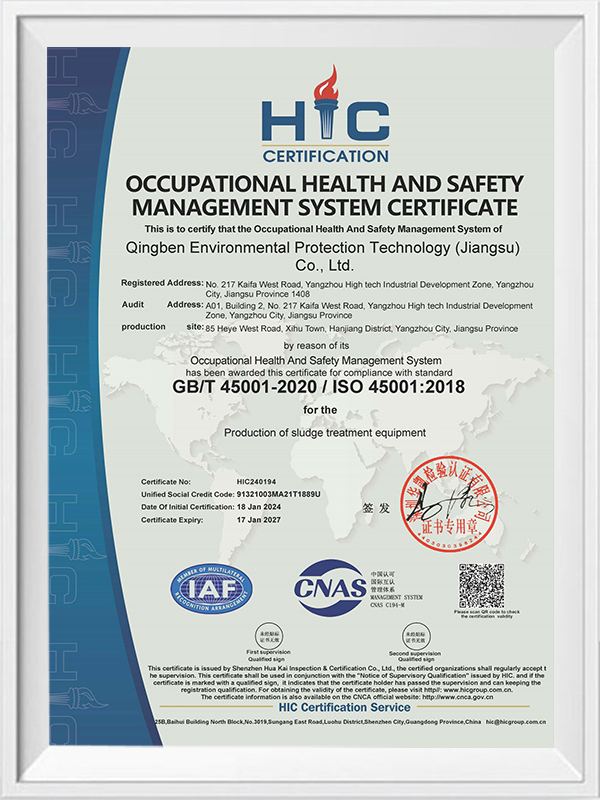
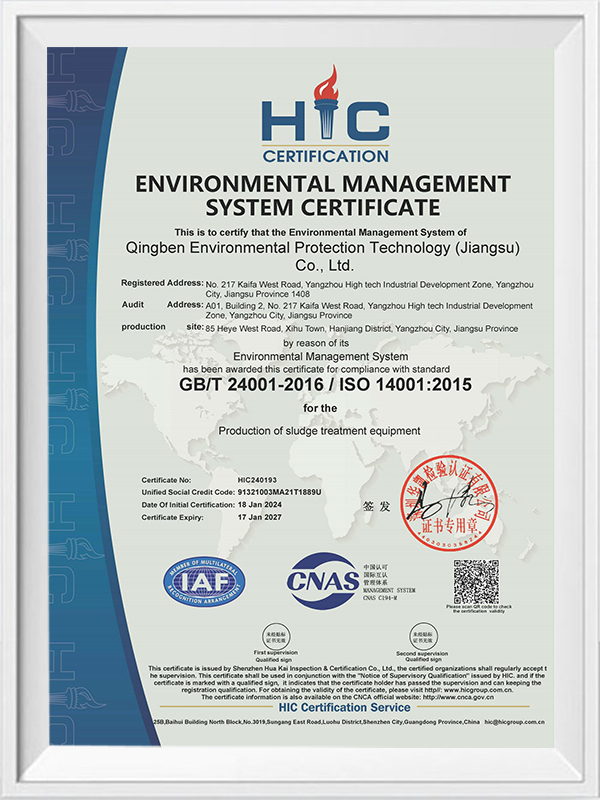
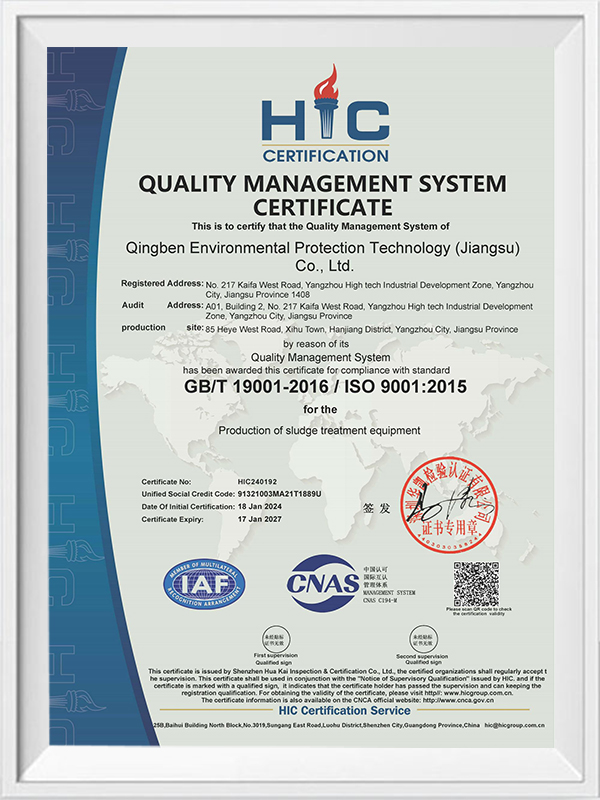
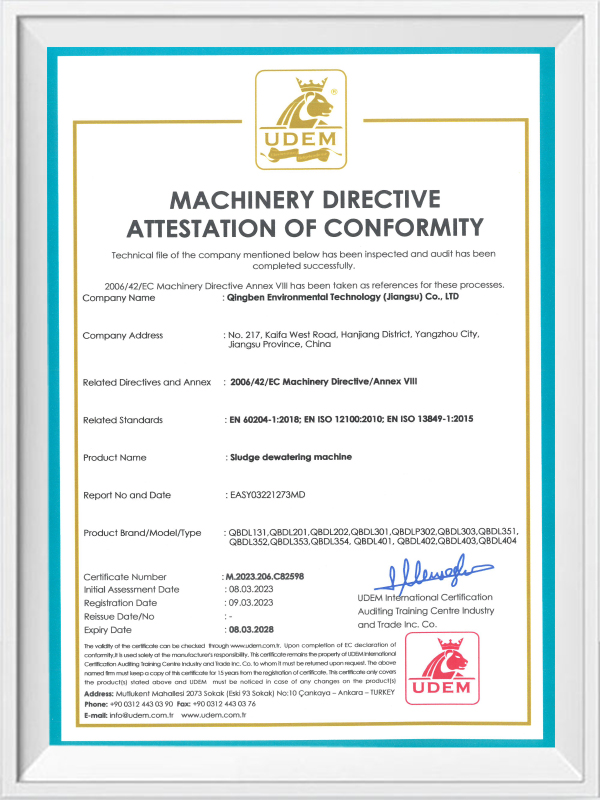
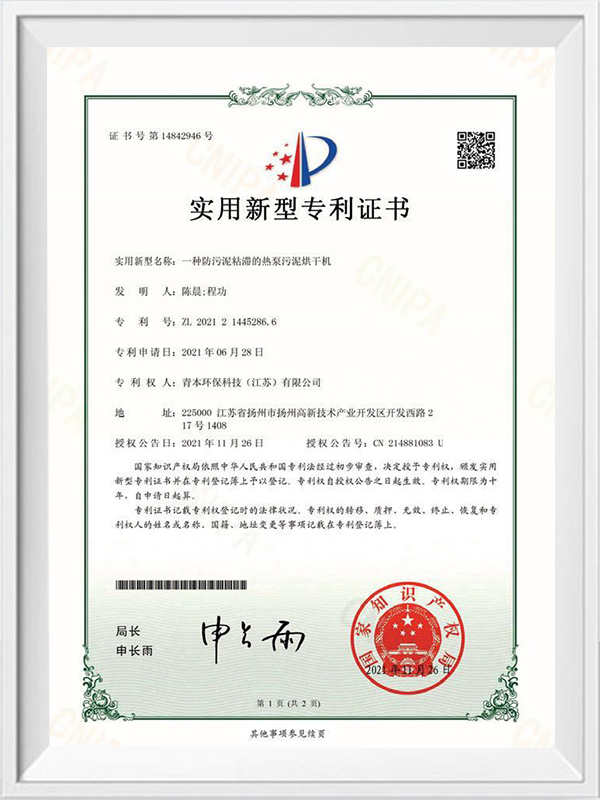
Qingben Environmental Technology (Jiangsu) Co., Ltd. is a sludge and wastewater treatment equipment manufacturer and service provider. Our engineering and after-sales scope covers technical consultation and planning, equipment customization, system integration, installation, commissioning and trial operation, operator training, regular maintenance, upgrades, and project management. This lets us deliver the dosing device as part of a complete sludge treatment line rather than as a stand-alone box.
For related plant equipment, see our Supporting Equipment for Sludge Treatment Supplier range or review the full sludge and sewage treatment equipment supplier lineup.
Information We Use to Configure Your Solution
To prepare an accurate proposal, we need the process parameters that define the preparation and dosing duty:
- Polymer type and form: PAM dry powder, emulsion, or other water-soluble reagent
- Target prepared concentration and required continuous flow in L/h
- Required maturing time and dosing point location
- Water supply pressure, temperature and available connection size
- Tank material preference: stainless steel 304, PP or FRP
- Available footprint, floor condition and installation access
- Control interface: standalone HMI, Modbus to plant SCADA, or remote alarm output
- Need for a vacuum loader or online dilution system
- Type of downstream equipment: screw press, belt filter press, deep dewatering or other process
- Electrical supply voltage and site classification
Frequently Asked Questions
What polymer can the integrated dosing device prepare?
The QBYTH is configured for PAM dry powder and similar water-soluble polymers. Water flow is adjustable, so the target concentration can be matched to the process. For other reagents, we review the feed system and tank material before quoting.
How do I choose between 500 and 4,000 L/h?
Select the model that matches the continuous prepared liquor demand of your dewatering or treatment line. The required PAM feed rate in kg/h and the target dosing concentration determine whether a smaller or larger model is appropriate.
Which tank material should we specify?
Stainless steel 304 is suitable for standard polymer preparation. PP and FRP are lighter alternatives for corrosive media and aggressive water chemistry. We confirm the best option based on chemical compatibility and site requirements.
Can the dosing device link to our existing control room?
Yes. The PLC and HMI handle local operation, while the Modbus output communicates alarms and operating data to a host computer. Optional pH/ORP and flow monitoring can be included for remote supervision.
What site work is required before installation?
The unit needs a level floor, water supply connection, drain connection, and electrical supply at the rated power. Our service team handles installation, commissioning and trial operation as part of the project scope.





 Product introduction