Products / Sludge Dewatering Equipment
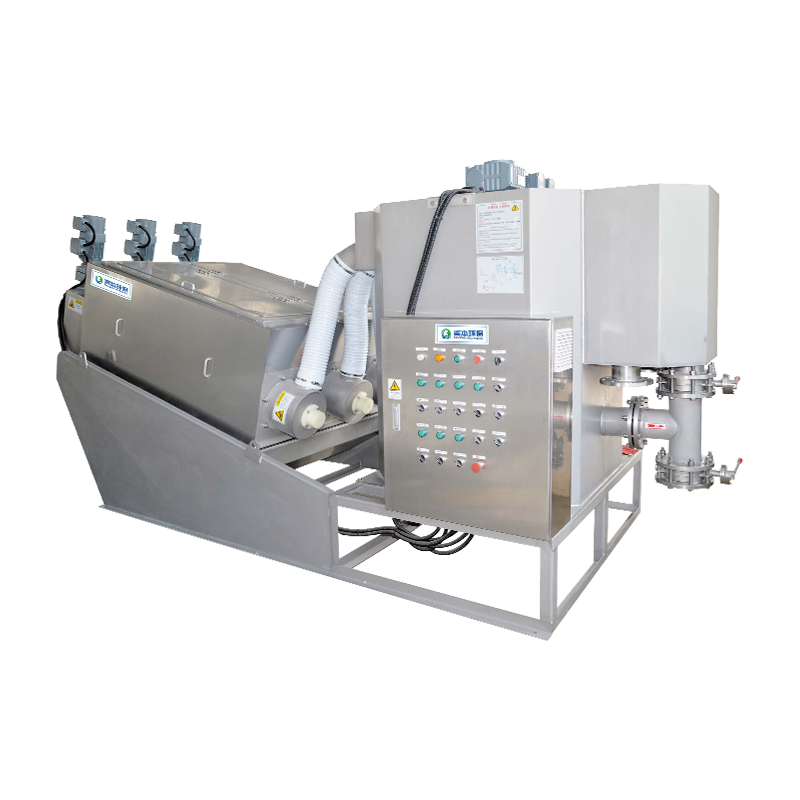
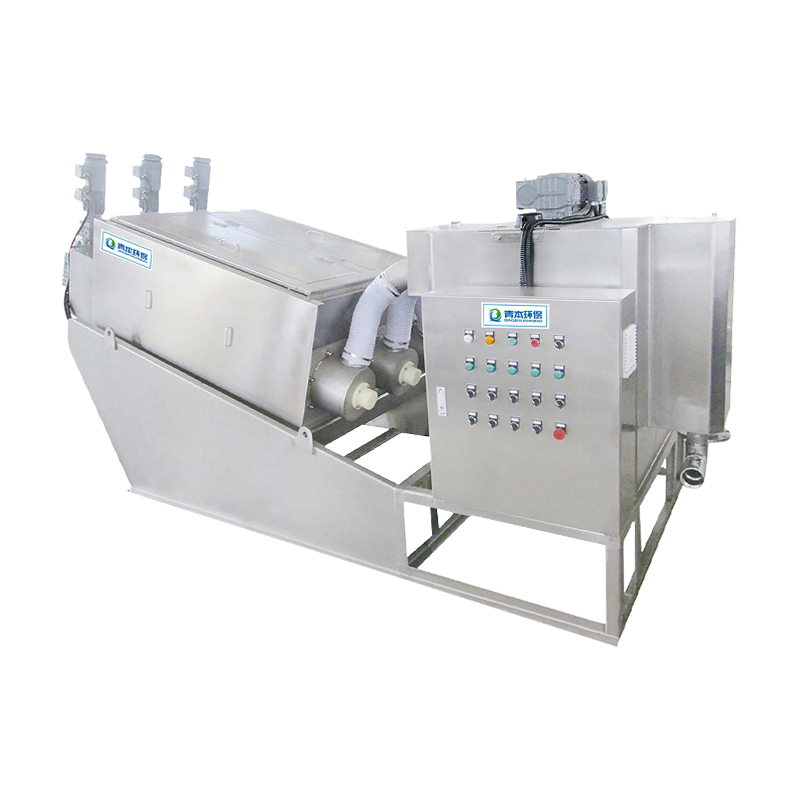
QBDNT Belt Filter Press
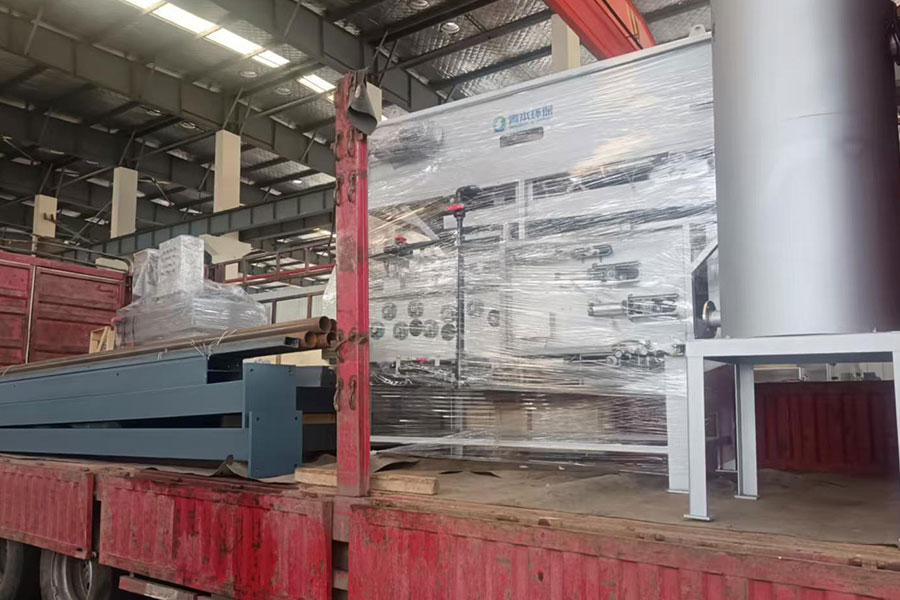
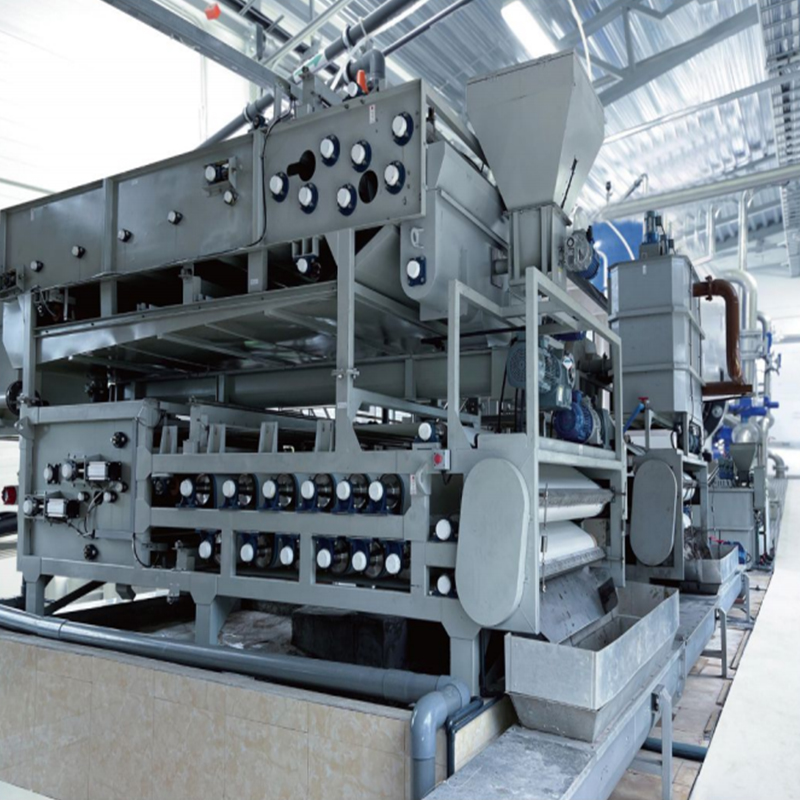
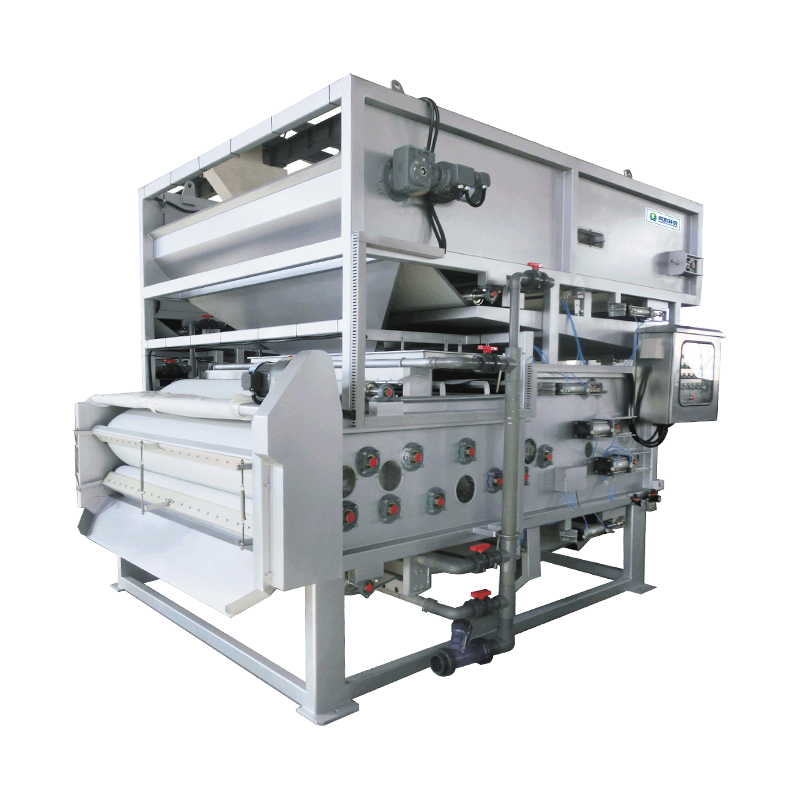
The QBDNT belt-type thickening and dewatering machine is our Belt Filter Press, designed as a single continuous unit for sludge that has not been pre-thickened in a gravity tank. It combines gravity concentration, chemical conditioning, wedge pre-press and high-pressure belt dewatering in one machine, so surplus sludge from A/O and SBR processes can be fed directly to the dewatering line.
As a Belt Filter Press manufacturer and Industrial Press Filter factory based in Yangzhou, China, we build the QBDNT in three belt widths — 1000 mm, 1500 mm and 2000 mm — and support each project with process selection, installation, commissioning and operator training. The design is particularly useful where sludge load varies through the day and where the plant wants to avoid a separate pre-thickener.
Product range and position in the dewatering line
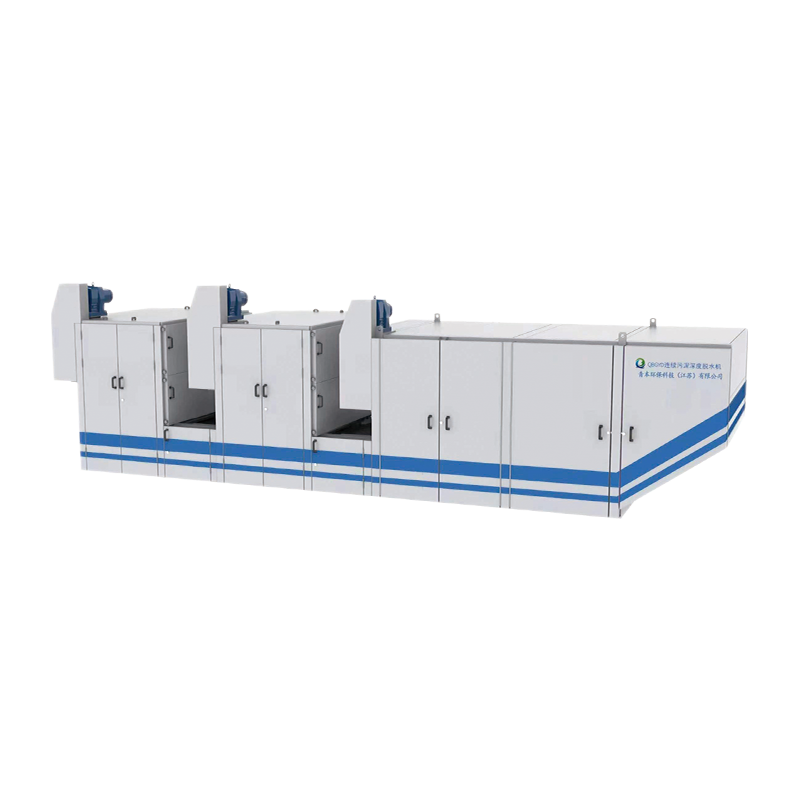
The QBDNT is the gravity-concentration member of our sludge dewatering range. The difference between models is the concentration section: the QBDNT relies on gravity drainage through the filter belt for larger hydraulic loads, whereas other machines in our range use screw or preconcentration conveyors. Where you need higher dryness or deeper cake compaction, we can place the QBDNT upstream or alongside a Sludge Deep Dewatering Equipment or high-pressure belt machine.
- QBDNT1.0 — 1000 mm filter belt, suited to small municipal plants and industrial pretreatment lines.
- QBDNT1.5 — 1500 mm filter belt, the common mid-capacity choice for WWTP extensions.
- QBDNT2.0 — 2000 mm filter belt, for higher-volume sludge flows with limited floor space.
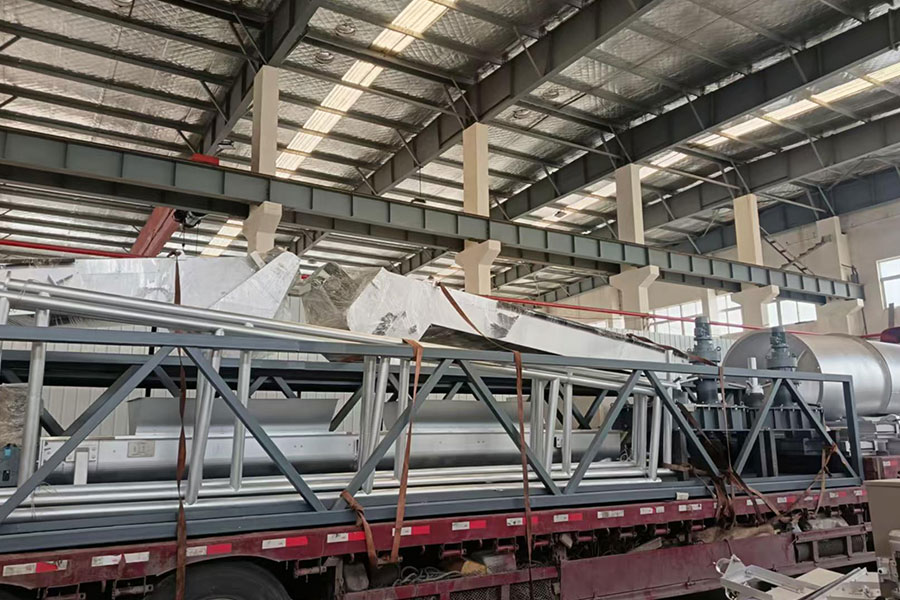
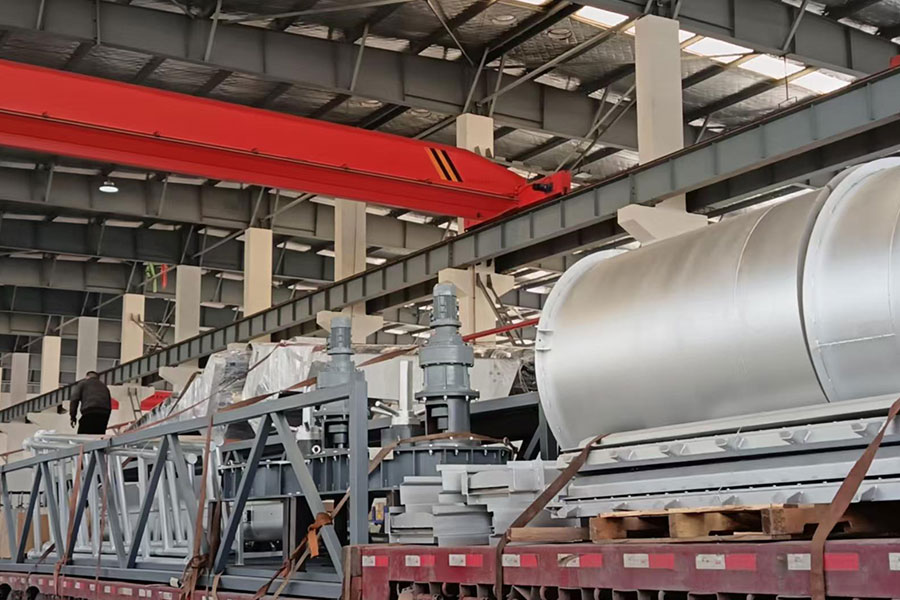
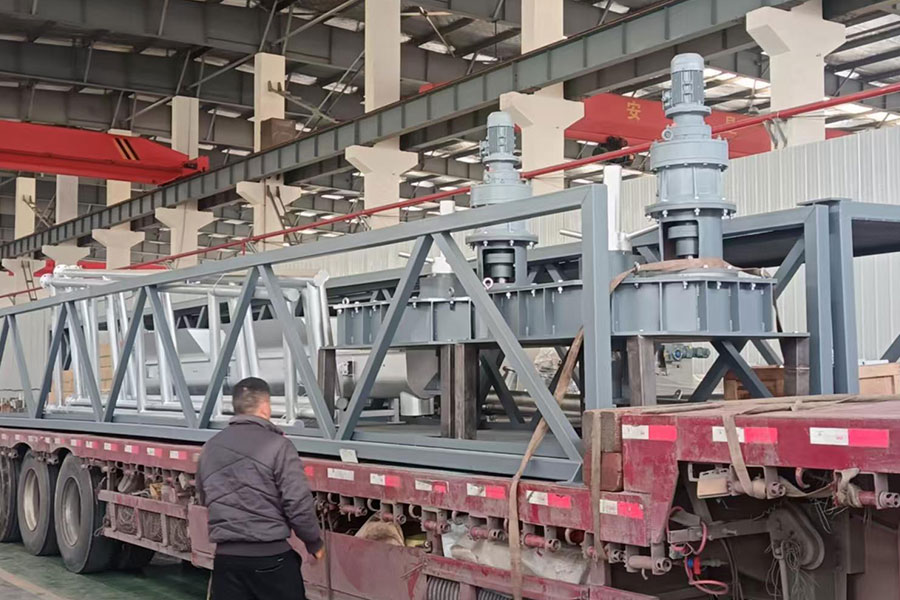
Each model integrates the sludge conditioning mixer, gravity thickener, wedge zone and roller dewatering stages. This reduces the number of separate machines and avoids the extra pumping and control points that come with a stand-alone thickener.
Process fit and sludge types
The QBDNT is intended for low-concentration, high-fluidity sludge, especially surplus sludge from biological treatment processes. A/O and SBR surplus sludge typically arrives at 0.8–1.5% SS. In this range the gravity section removes free water efficiently, then the wedge-shaped pre-pressure zone allows a gradual pressure increase rather than sudden compaction. This staged mechanism releases bound water without overloading the belt or pushing polymer through the cloth.
The machine is suitable for municipal wastewater treatment, food and beverage processing, livestock wastewater, and many industrial effluent streams. For sludges with high grease content, abrasive solids or difficult biological fibers, we assess the solids loading, polymer requirement and cake target before confirming a model.
Specification meaning and rated performance
Rated capacity is stated at a feed concentration of 0.8–1.5% SS and depends on sludge type. The figures below are our standard design envelope for municipal-type biological sludge.
| Parameter |
QBDNT1.0 |
QBDNT1.5 |
QBDNT2.0 |
| Filter belt width |
1000 mm |
1500 mm |
2000 mm |
| Hydraulic capacity at 0.8–1.5% SS |
6–12 m³/h |
10–18 m³/h |
15–25 m³/h |
| Dry solids throughput |
90–160 kg DS/h |
140–240 kg DS/h |
210–300 kg DS/h |
| Cake moisture content |
75–85% |
75–85% |
75–85% |
| Filter belt drive motor (VFD) |
0.37 kW |
0.75 kW |
0.75 kW |
| Filter belt thickener motor |
0.75 kW |
0.75 kW |
1.1 kW |
| Conditioning mixer |
0.37 kW |
0.55 kW |
0.75 kW |
| Total drainage tray |
Yes |
Yes |
No |
| Approx. weight |
2000 kg |
2850 kg |
3500 kg |
Mechanical design and key components
The QBDNT combines an integrated welded body with a corrosion-resistant topcoat finish. The structure is designed to run without abnormal noise or vibration when the belt is correctly tensioned and aligned. The filter cloth is a PEX polyester fiber monofilament weave selected for release behavior and drainage; the electrical components, drive motor and variable frequency drive are sourced from established brands.
The variable frequency drive on the filter belt motor lets the plant match belt speed to feed flow and sludge character. Changing the belt speed changes the residence time in the gravity and pressure sections, which gives operators a practical control lever when sludge quality varies between day and night batches.
Control, automation and line integration
The machine supports fully automatic remote and on-site control. In a typical installation, the control panel receives a start command from the plant PLC, checks wash water pressure, belt tracking and feed pump status, then starts the belt drive, polymer dosing pump and sludge feed in the correct sequence. The compact footprint reduces civil engineering work and makes the unit straightforward to enclose or position inside an existing dewatering hall.
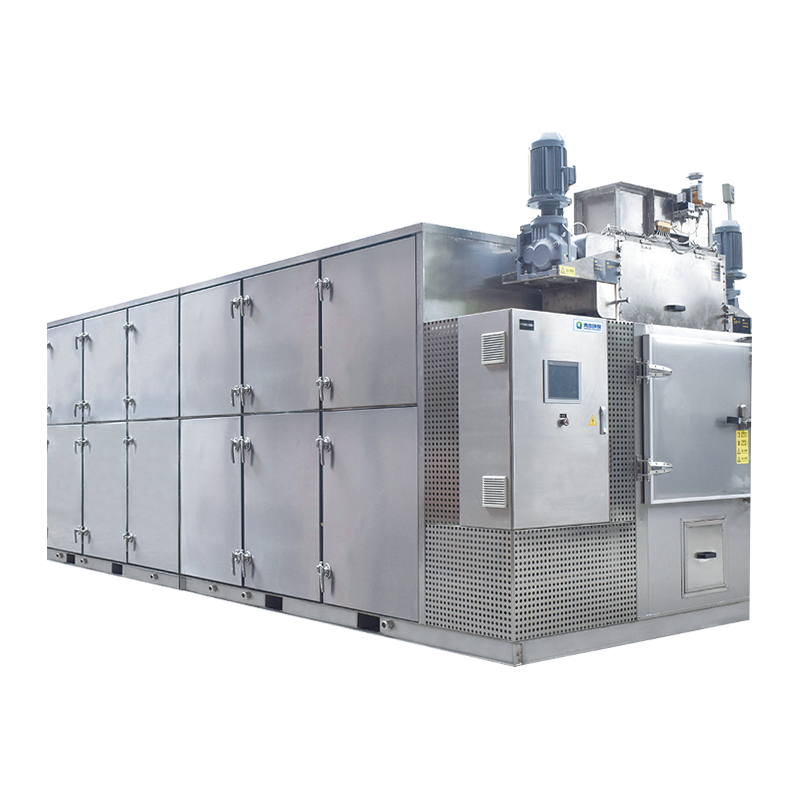
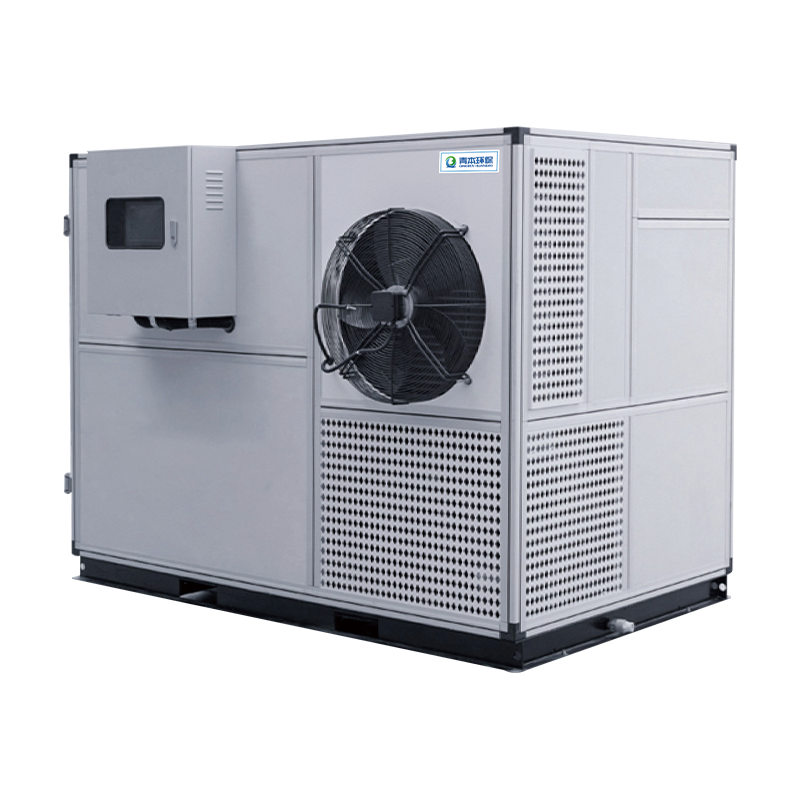
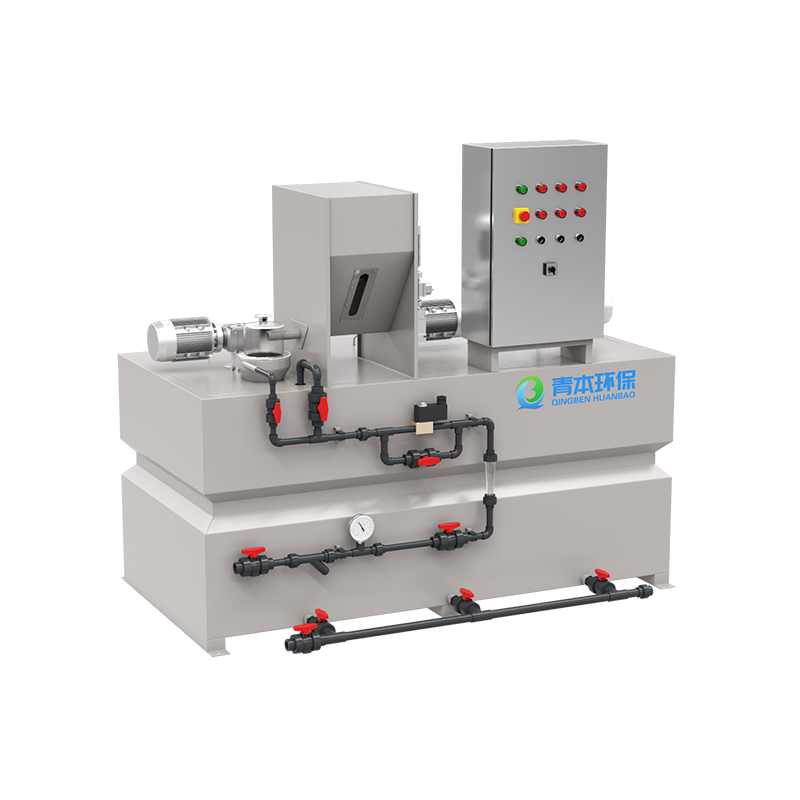
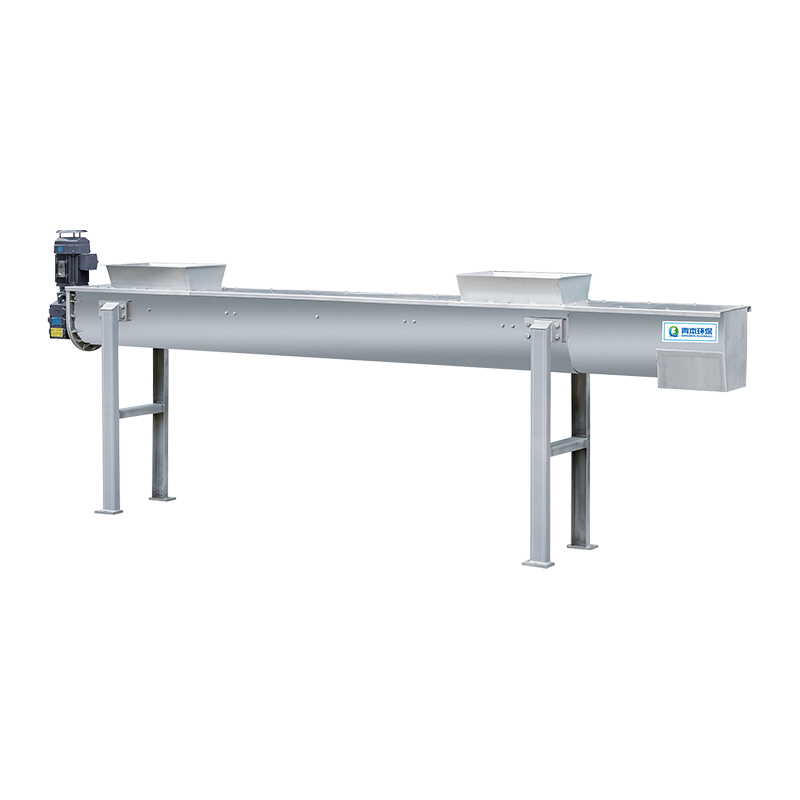
We configure the control interface around the existing line. If the project includes a polymer preparation unit, we can coordinate with an Integrated Dosing Device and a Screw Conveyor for cake transfer. For projects that also require thermal reduction downstream, the QBDNT cake moisture of 75–85% provides a consistent feed range for our Low Temperature Sludge Drying System.
Installation, utilities and operator safety
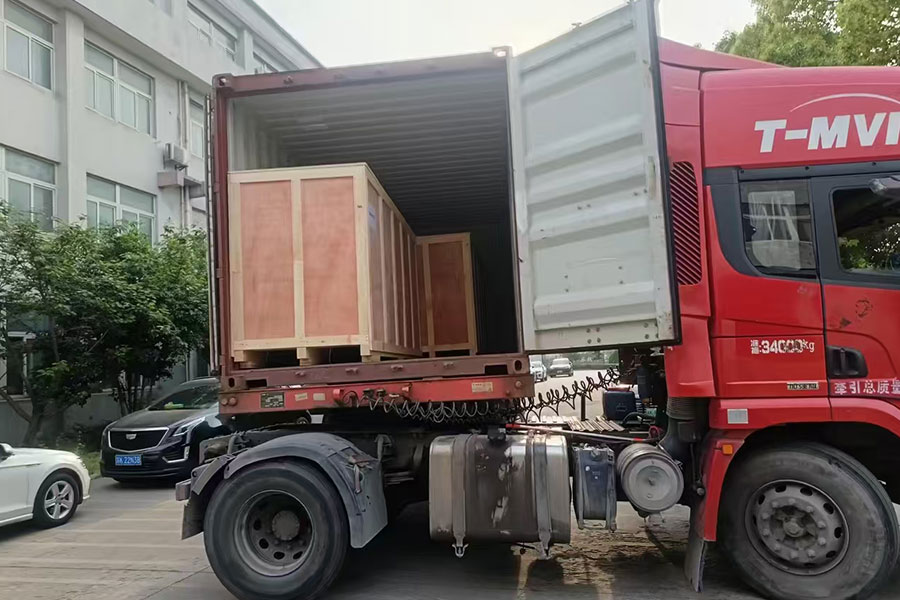
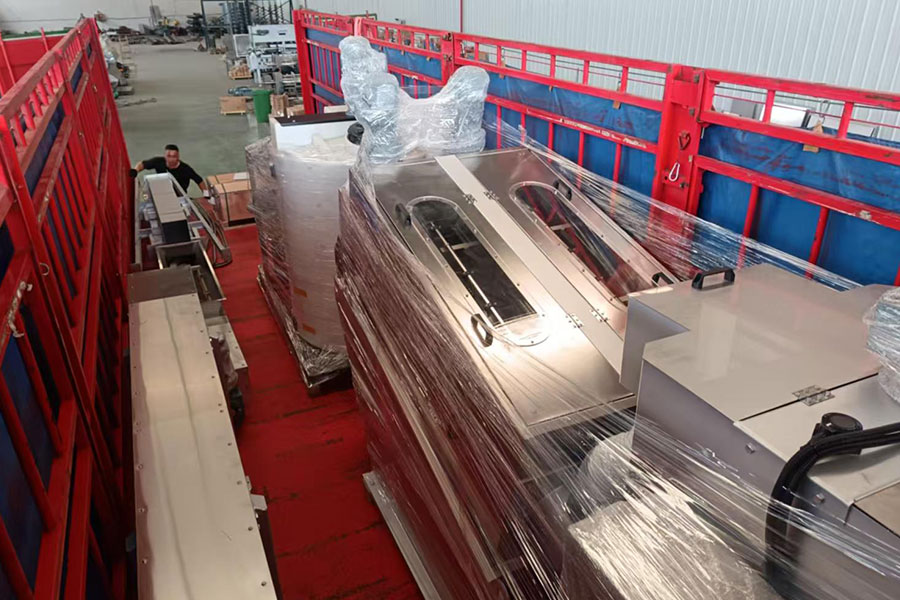
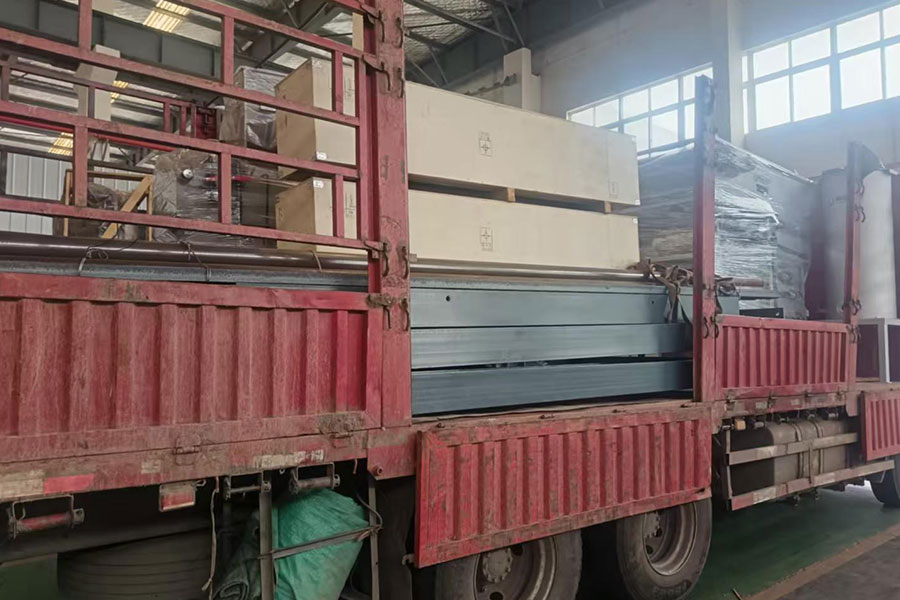
The machine is delivered as a skid-mounted assembly with clearly marked connection points for sludge feed, polymer supply, filtrate drainage and wash water. Installation requires a level concrete foundation within the base dimensions shown in our data sheet, plus access for belt threading, maintenance and cake discharge. The reference dimensions in the table are for standard configurations; we confirm exact values with the dimensional drawing before shipment.
- Feed: flanged sludge inlet sized for the project flow; a gravity feed or low-shear pump is typical.
- Polymer: connection to a flocculant dosing skid; mixing is done in the integrated conditioning mixer.
- Wash water: pressurized water for belt washing; flow and pressure depend on belt width.
- Drainage: filtrate and wash water collected in the drainage tray or trough for return to the plant inlet.
- Electrical: 380 V / 50 Hz or local supply voltage; motor ratings are listed per model.
Safeguards include belt tracking protection, emergency stop, and interlocked guards around moving rollers. The fully enclosed operation reduces splash and odor escape compared to open gravity belts, which also simplifies housekeeping inside the dewatering room.
Quality assurance, testing and project handoff
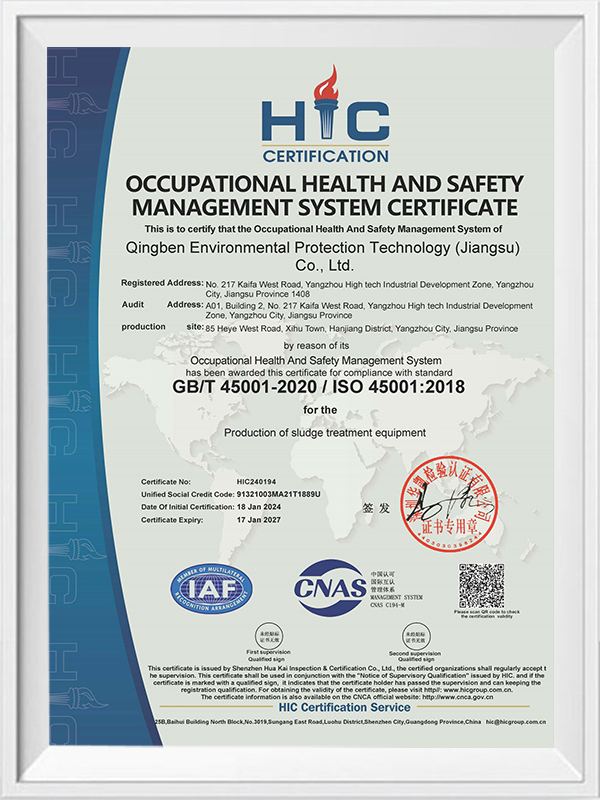
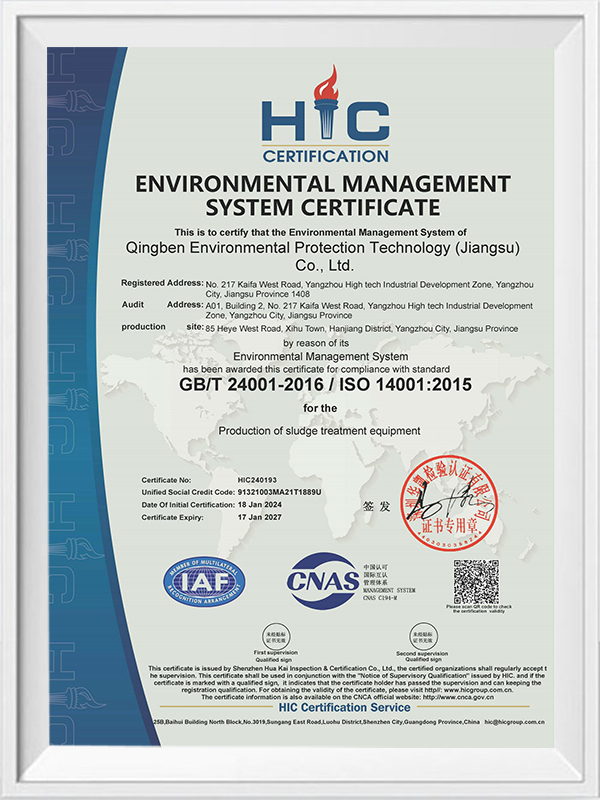
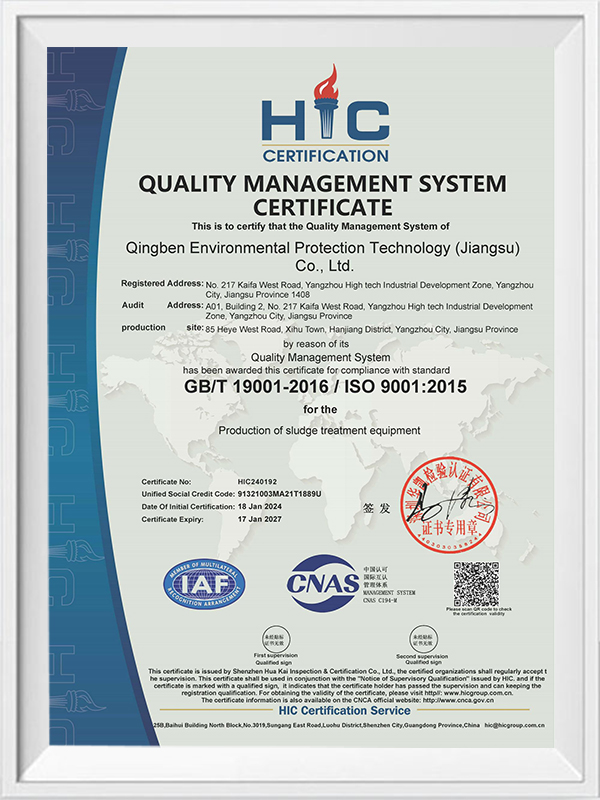
Our factory in Yangzhou follows ISO9001, ISO14001 and ISO45001 management systems for production, environmental control and occupational safety. Each belt filter press is assembled, aligned and test-run before shipment; the filter cloth is installed, and the drive, tracking and wash systems are verified. We prepare the product manual, dimensional drawing and electrical diagram as part of the handover.
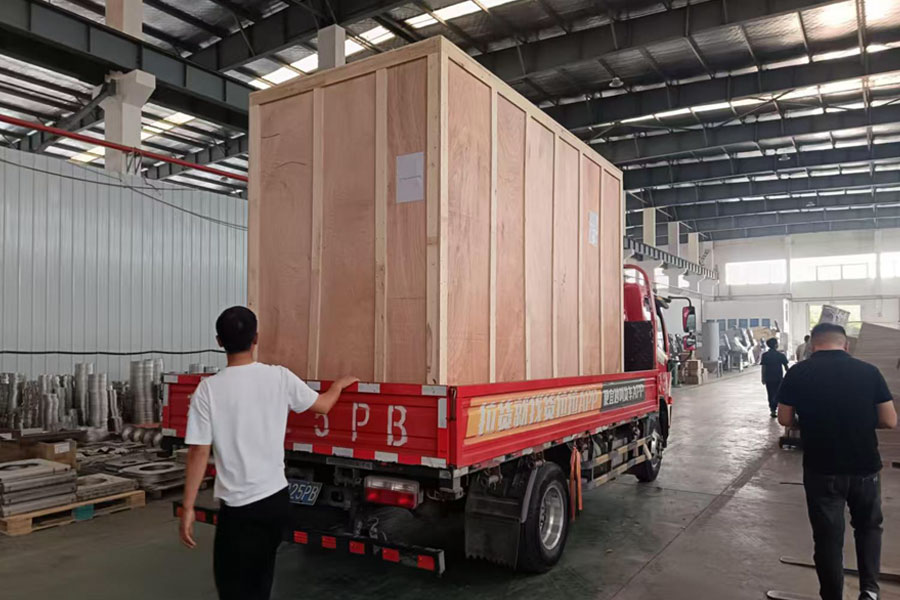
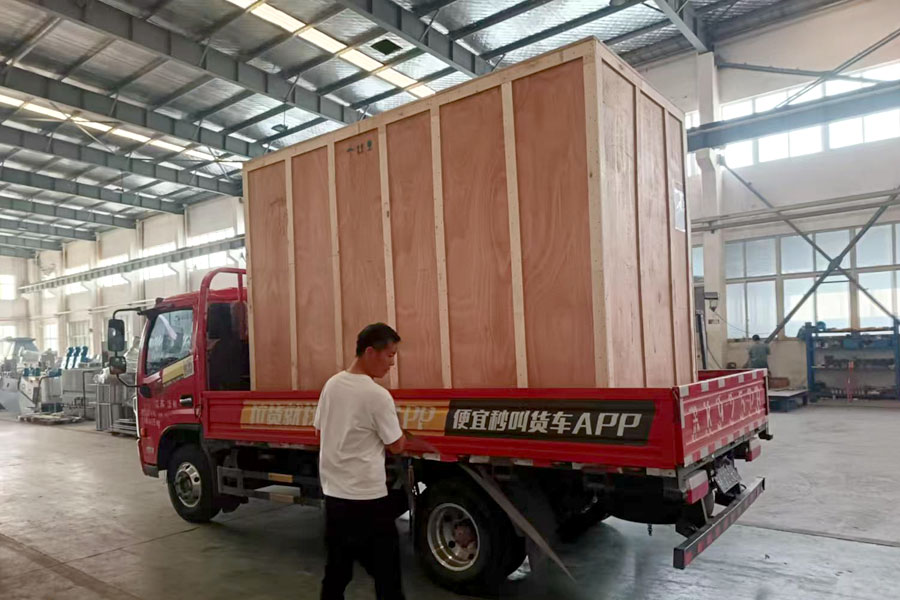
For larger projects we provide on-site installation supervision, commissioning support and operator training through our service team. This covers startup sequence, belt tensioning, polymer optimization, cake sampling and routine maintenance intervals.
The complete sludge dewatering system is covered by our broader Sludge And Sewage Treatment Equipment Supplier scope, which includes screw presses, preconcentration machines, high-pressure belt dewatering, drying and conveying equipment.
Information we use to configure your solution
To confirm a model and prepare a proposal, we need the working point of the dewatering line and the sludge characteristics that affect polymer consumption and cake release.
- Daily sludge volume and hours of operation; expected feed concentration in % SS.
- Sludge source: municipal biological, industrial, oily, greasy or mixed sludge.
- Target cake dryness and downstream handling: landfill, incineration, drying or agricultural use.
- Available polymer type and dosing system; or we supply the integrated dosing unit.
- Plant electrical supply, wash water pressure and drainage return point.
- Control preference: local panel, remote PLC, or integration with an existing SCADA system.
- Installation conditions: indoor, outdoor, headroom, access for delivery and maintenance.
Maintenance, spare parts and serviceability
Daily maintenance centers on belt washing, tracking observation and removal of grit from the drainage system. Weekly tasks include checking belt tension, rollers, scraper blades and polymer mix consistency. The filter cloth is the main wear component; we supply matched replacement belts and adjustment spares so the machine keeps its rated cake dryness.
The machine is designed for access to the belt path and roller sets from both sides, which shortens changeover time and reduces the need for special lifting equipment beyond the standard installation crane.
Frequently asked questions
Can the QBDNT replace a separate gravity thickener?
Yes, that is the main purpose of the machine. The QBDNT receives sludge directly from the biological process and performs gravity thickening on the filter belt before the wedge and pressure sections. This eliminates a separate thickener tank and its return flow handling for many municipal and industrial plants.
What feed concentration is suitable for the QBDNT?
The rated performance is based on feed concentration of 0.8–1.5% SS. Within that range, the gravity section removes free water efficiently. If sludge arrives more dilute or with high fiber content, we adjust the belt speed, polymer dose and, where needed, the model size.
What cake dryness can we expect from the belt filter press?
For municipal-type biological sludge, standard cake moisture is 75–85%, depending on sludge type, polymer selection and belt speed. If a dryer cake is required, the QBDNT can feed our high-pressure belt deep dewatering or low-temperature drying equipment as a second stage.
How is belt speed controlled?
The filter belt drive uses a variable frequency motor. The operator or the plant PLC adjusts belt speed to match feed flow and sludge condition, which changes residence time across the gravity and pressure zones. This is the main online control variable for cake quality during varying sludge loads.
Do you supply the polymer dosing and cake conveying equipment?
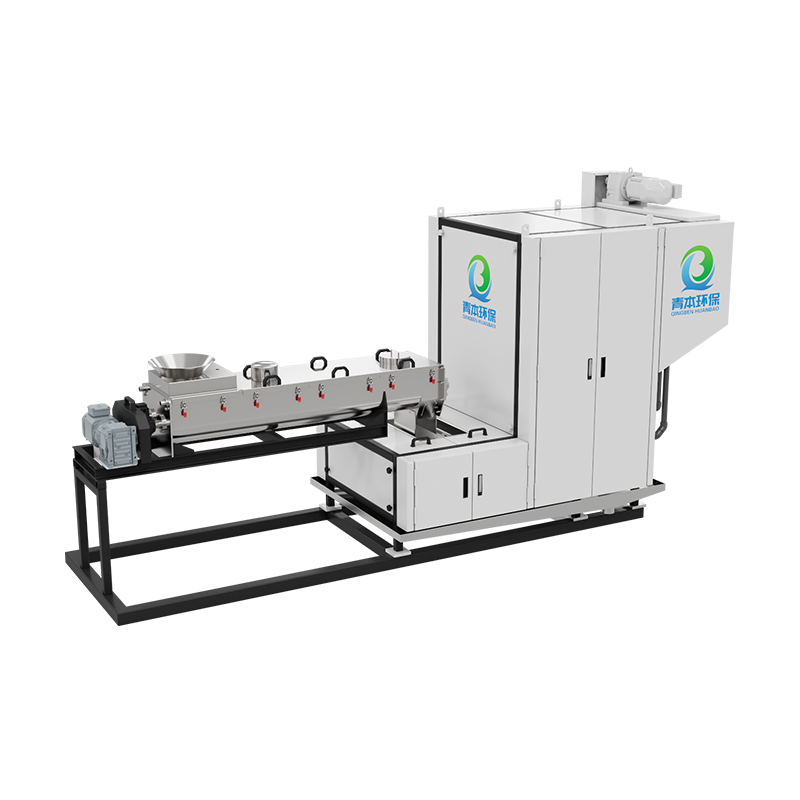
Yes. We supply an Integrated Dosing Device and Screw Conveyor as part of a complete dewatering line, and we coordinate their controls with the belt filter press during commissioning.





 Product introduction