Qingben Environmental Technology (Jiangsu) Co., Ltd. is a China-based Sludge Dewatering Machine Supplier manufacturing screw press, belt press, preconcentration and deep dewatering machines for municipal and industrial sludge. We engineer the complete line, including flocculation dosing, conveying and drying, so plant owners, EPC contractors and municipal operators deal with one accountable manufacturer from process design to commissioning.
Our available range and selection logic are organized around the real feed condition: flow, solids concentration, sludge origin and the cake quality needed by the downstream disposal route. Whether the specification is written for a Sludge Dewatering Machine or a sewage mud dehydrator, we use the same engineering data to size the machine, choose the drive and define the auxiliary equipment.
Sludge Dewatering Machine Supplier Range
We build eight machine families under our sludge dewatering equipment program. Each is available as a standalone unit or as a configured skid with polymer dosing, feed pump, control panel and interconnecting pipework.
| Machine |
Process Principle |
Typical Application |
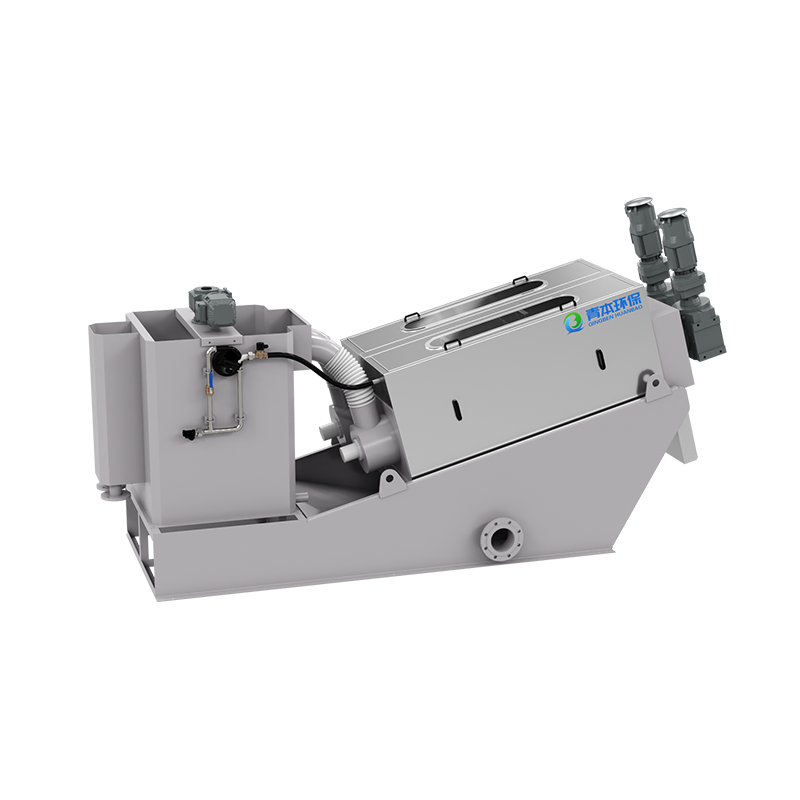
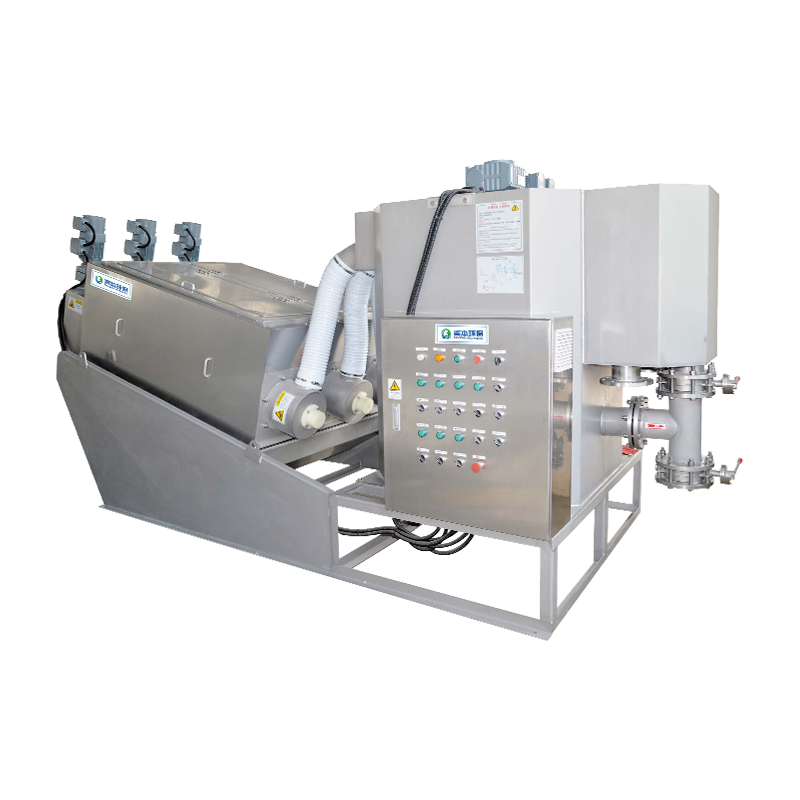
| Screw Press Sludge Dewatering Machine |
Slow-rotating screw shaft with fixed and moving rings; combines concentration, pressing and filtrate collection |
Municipal, food and beverage, chemical and industrial sludge at 5,000–50,000 mg/L |
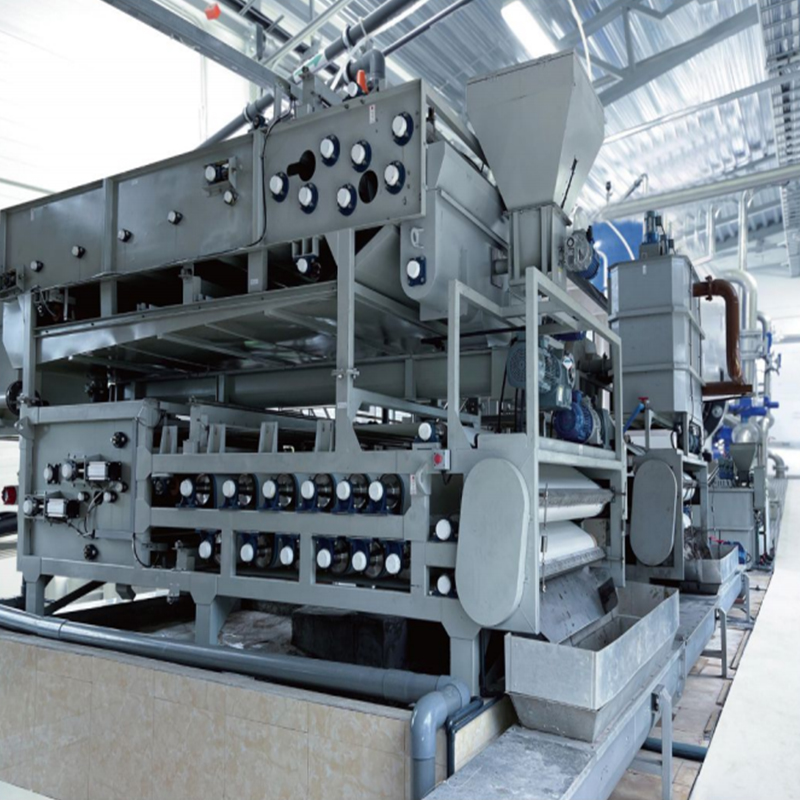
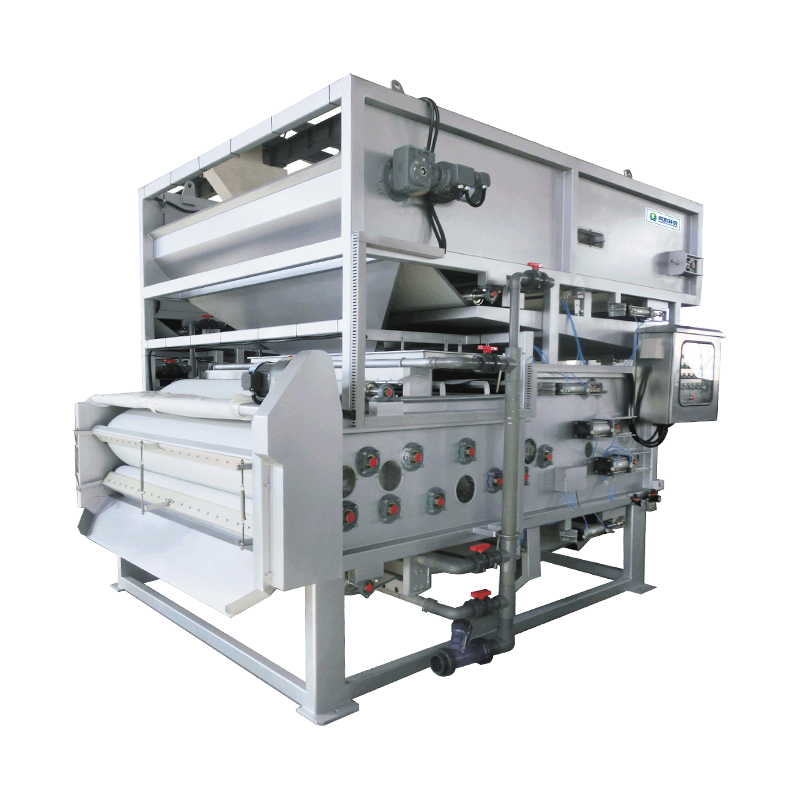
| High Dry Belt Type Sludge Dewatering Machine |
Continuous belt pressure dewatering configured for drier discharge |
Plants needing belt-based operation with a higher cake solids target |
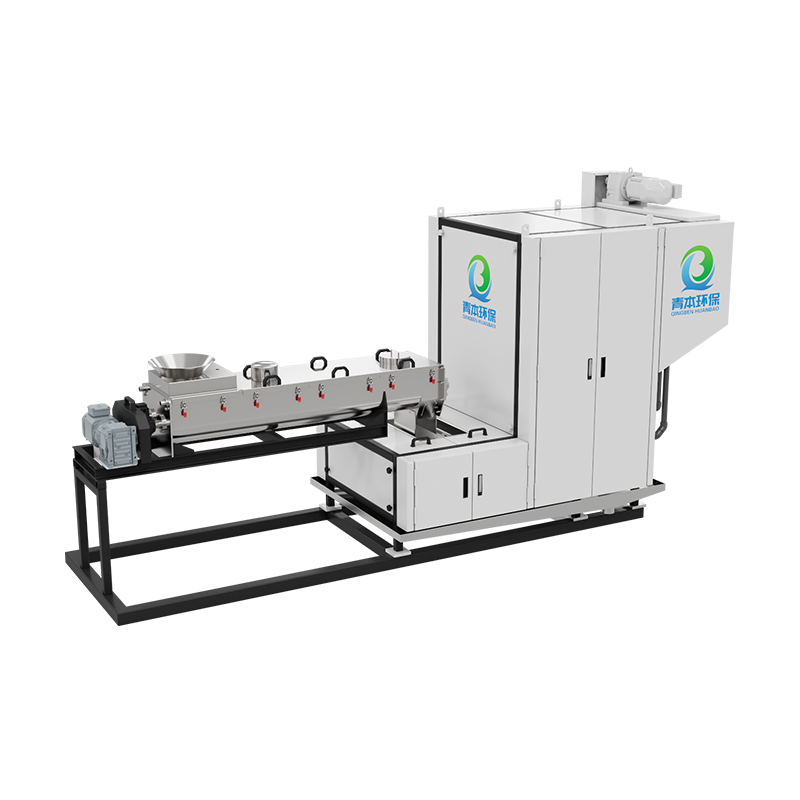
| Preconcentration Conch-Screw Press Sludge Dehydrator |
Preconcentration stage feeding a screw press for dilute sludge streams |
Low-concentration sludge where direct screw-press feed is not sufficient |
| Screw Press Sludge Preconcentration Conch Machine |
Rapid, continuous thickening of secondary sedimentation tank sludge without a concentration tank |
Pretreatment before dewatering, deep dewatering or plate-frame systems |
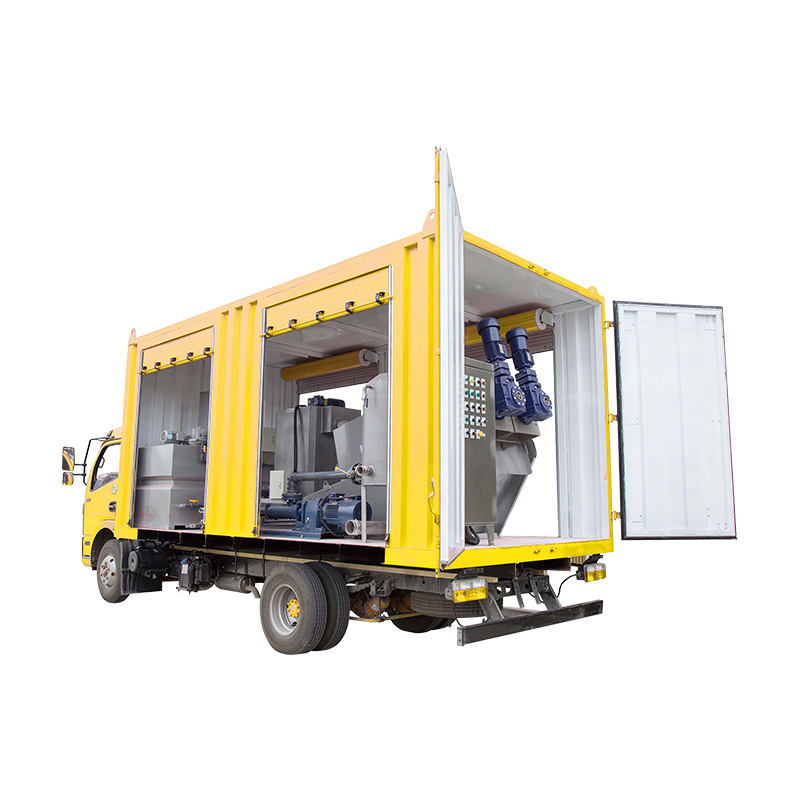
| Mobile Screw Press Sludge Dewatering Truck |
Vehicle-mounted screw press for on-site tank cleaning and solid-liquid separation |
Community septic tanks, schools, slaughterhouses, farms and small treatment plants |
| Belt Filter Press |
Integrated gravity thickening and belt dewatering in one body |
Larger hydraulic flows where sludge has not been pre-thickened |
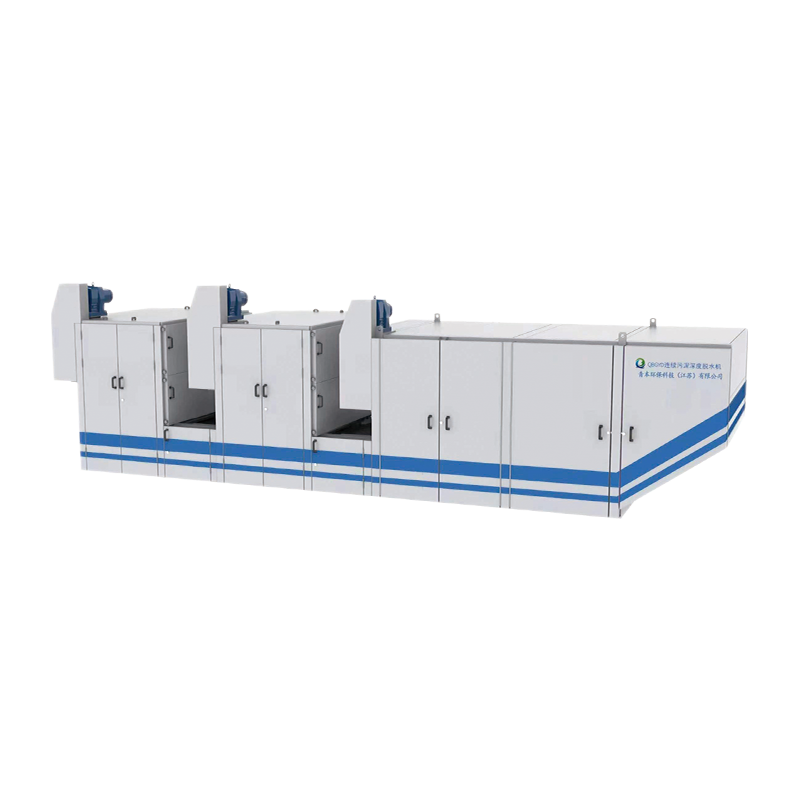
| Sludge Deep Dewatering Equipment |
Three-step deep dewatering process reducing 80% moisture sludge to 60% or below |
Waste-to-energy, incineration and disposal routes needing low-moisture cake |
| High Pressure Belt Continuous Sludge Deep Dewatering Machine |
Continuous high-pressure, high-shear two-dimensional pressing with a horizontal maintenance deck |
Municipal plants sized from 10,000 m³/day to more than 100,000 m³/day |
Selection and Capacity Planning
We do not size sludge dewatering equipment by footprint alone. The hydraulic flow and dry solids load set the machine frame; the sludge source and conditioning set the achievable cake. A screw press operating at 2–4 rpm typically consumes about 1/8 of the energy of a belt press and 1/20 of a centrifuge, with unit power of 0.01–0.1 kWh/kg DS. It suits smaller installations, high-odor plants and projects where low maintenance and automatic operation matter.
Belt presses and high dry belt machines fit larger hydraulic flows, especially where sludge is not pre-thickened. For post-dewatering, sludge deep dewatering equipment lowers 80% moisture sludge to 60% or below, while the high-pressure belt continuous machine provides higher throughput in a maintenance-friendly horizontal layout.
Representative screw press selections are shown below as a starting point. Final model choice depends on feed variability, polymer performance and operating schedule.
| Model |
Dry Solids Capacity |
Hydraulic Flow at 10,000 mg/L |
Total Motor Power |
| QBDL202 |
30–40 kg/h |
~3 m³/h |
1.29 kW |
| QBDL302 |
70–140 kg/h |
~10 m³/h |
2.25 kW |
| QBDL352 |
140–240 kg/h |
~20 m³/h |
3.3 kW |
| QBDL402 |
200–320 kg/h |
~26 m³/h |
4.5 kW |
| QBDL404 |
400–640 kg/h |
~52 m³/h |
8.2 kW |
Automation, Installation and Line Integration
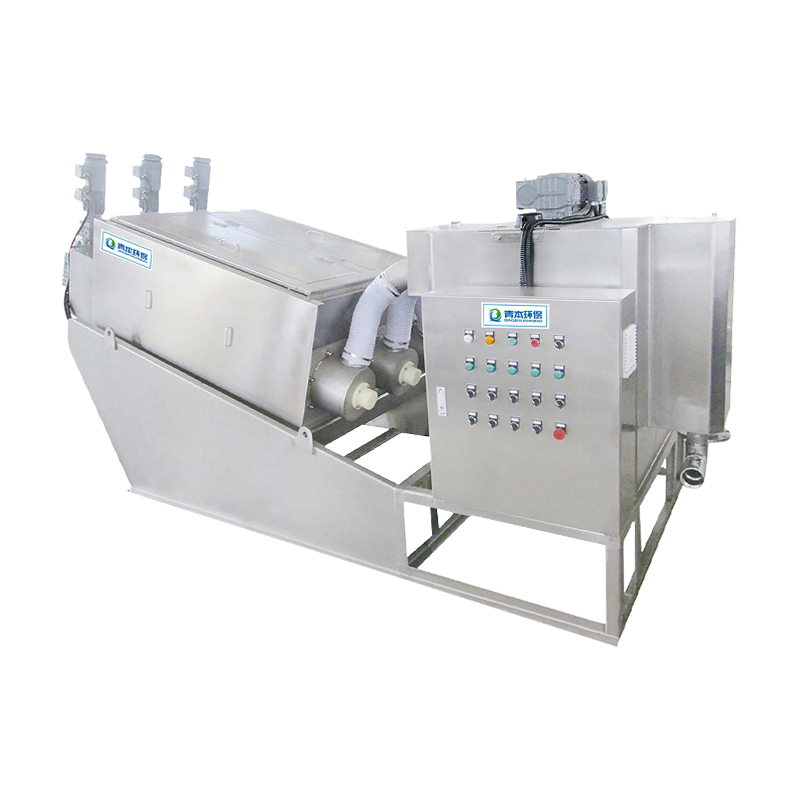
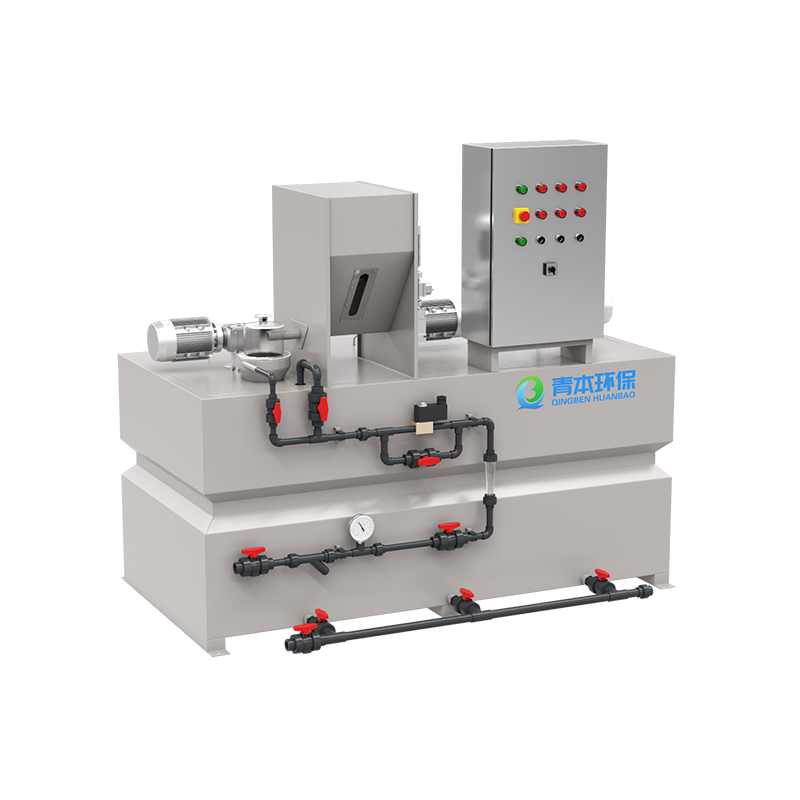
Our standard screw press package integrates an automatic control cabinet, flocculation and conditioning tank, thickening and dewatering body, and liquid collecting tank. Each drive is independently variable frequency controlled, so the unit can start and stop individually and respond to fluctuating feed. Belt-type machines can be controlled on-site or remotely, and deep dewatering systems are supplied with an intelligent monitoring package that reduces the need for continuous supervision.
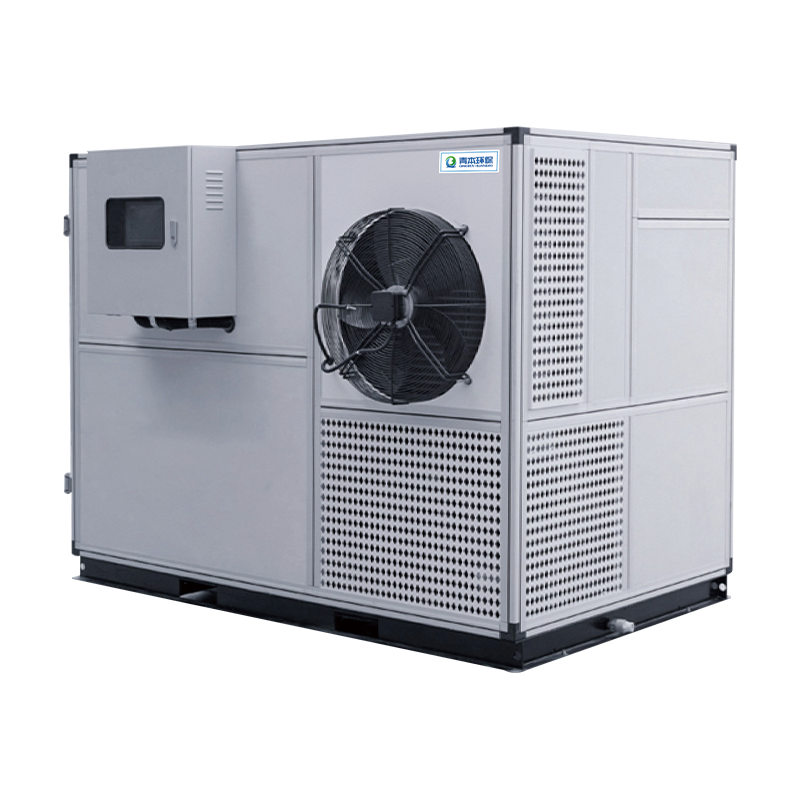
Installation scope depends on site layout. We supply a machine with defined sludge feed, filtrate, wash water, polymer and discharge interfaces, or a fully skidded package that reduces foundation and piping work. When dewatering is followed by drying, we coordinate the interface with a Low Temperature Sludge Drying System Supplier so the cake enters the dryer at the right moisture and consistency.
Quality Assurance and Project Acceptance
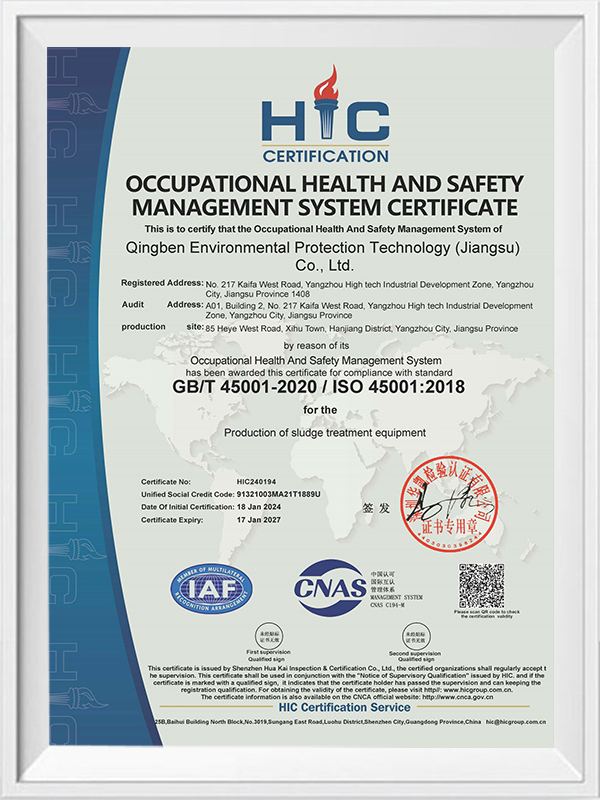
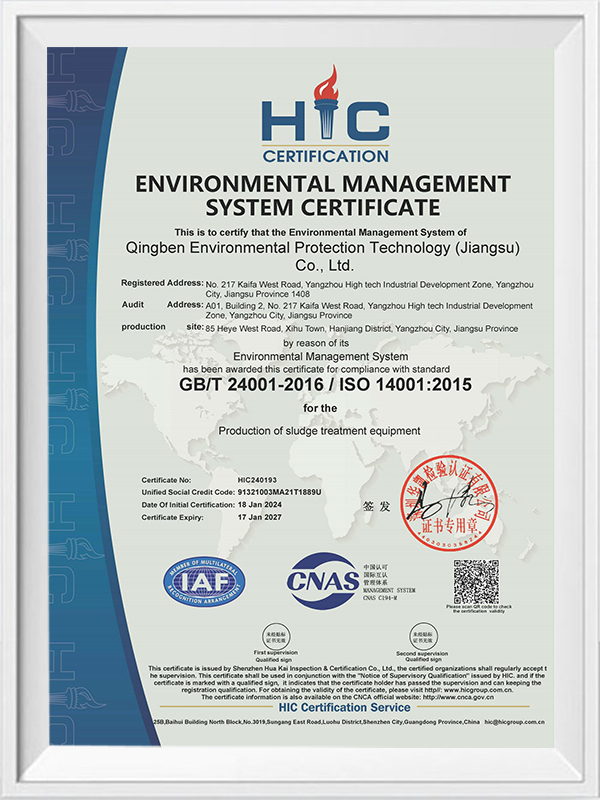
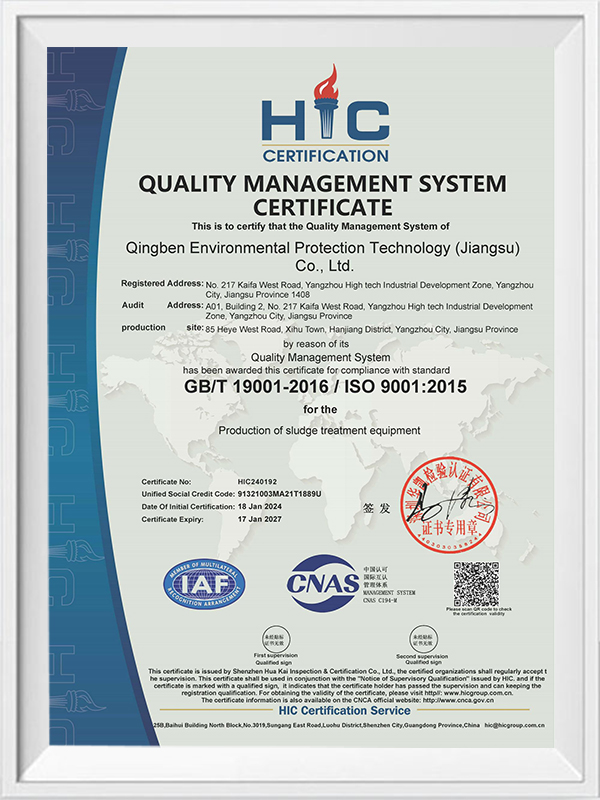
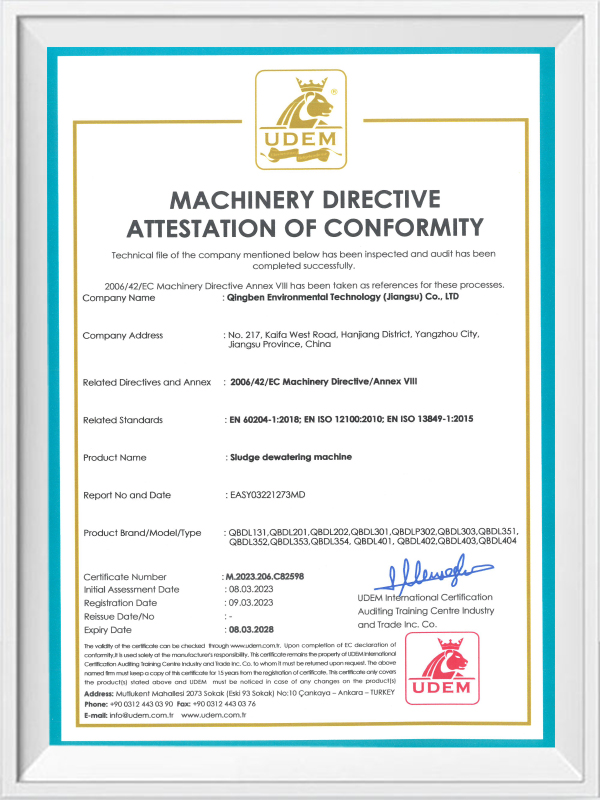
Our Yangzhou factory manufactures the mechanical structure, shaft, rings, frames and control systems, and we maintain ISO9001, ISO14001, ISO45001 and CE documentation across the production system. The same engineering team that prepares the layout also supports installation, commissioning and trial operation so the equipment can be handed over as a working part of the treatment train.
Project support includes technical consultation and planning, system integration, operator training, environmental impact assessment, project management and monitoring. This allows the dewatering line to be accepted not only as a delivered machine, but as a documented process with defined operating parameters and trained personnel.
Information We Use to Configure Your Solution
Send us the following data with your enquiry; our proposal and drawings are based on these parameters:
- Sludge source and treatment process: biological, chemical, oily, mixed or digested
- Feed flow rate, solids concentration range and daily operating hours
- Required cake dryness and downstream disposal or reuse route
- Polymer type, dosing concentration and available mixing or tank space
- Site layout, floor space, discharge height and odor control requirements
- Available electrical supply, wash water pressure and compressed air
- Required control interface: local HMI, remote PLC, SCADA or existing DCS
Maintenance, Spare Parts and Serviceability
Screw press dewatering bodies are self-cleaning because the relative movement between fixed and moving rings avoids the blockages common in mesh-type machines. Planned washing is short and scheduled in minutes per hour rather than as a separate shutdown. Wearing components are mainly the screw shaft and moving rings; actual replacement depends on sludge type, operating hours and adjustment quality.
For belt machines, maintenance access is simplified by the integrated frame design and, on the high-pressure belt machine, a horizontally arranged pressing area. Our technical support covers scheduled maintenance, troubleshooting, spare part supply and the option to upgrade or modify an existing machine when process conditions change.
Frequently Asked Questions
What feed concentration can the screw press handle?
Our screw press is designed for 5,000–50,000 mg/L feed and can draw directly from aeration tanks or secondary sedimentation tanks without a separate concentration tank. The low rotating speed keeps energy consumption low and allows continuous automatic operation.
Can deep dewatering equipment reach 60% moisture?
Sludge deep dewatering equipment reduces 80% moisture sludge to 60% or below using a three-step process. The high-pressure belt continuous machine applies continuous high-pressure, high-shear two-dimensional pressing. Final dryness depends on sludge type, conditioning and feed consistency.
Can the dewatering system be connected to our PLC or SCADA?
Yes. We configure the control cabinet with the required interfaces, and belt-type machines can be operated on-site or remotely. Deep dewatering systems include an intelligent integrated monitoring package that reduces manual supervision.
What information do you need for a proposal?
At minimum, we need feed flow, solids concentration, sludge source, target cake dryness, available utilities and site footprint. With these values we select the model, motor power, flocculation equipment and access schedule.
Do you supply mobile dewatering for septic tank cleaning?
Yes. The Mobile Screw Press Sludge Dewatering Truck is configured for septic tank cleaning and solid-liquid separation in communities, schools, slaughterhouses and farms. It operates continuously without tank restrictions and avoids return trips for material transfer.
How is installation and operator training handled?
We provide technical consultation, equipment customization and manufacturing, system integration, installation, commissioning and trial operation. Operator training covers normal operation, adjustment and maintenance so the plant team can run the equipment after handover.