

The call usually arrives after the fact: a rainbow sheen on the outlet sample, a wash bay that drains slowly on a Friday afternoon, or an inspector lifting the separator cover with a clipboard in hand. By then the correction is a vacuum truck, a disposal manifest and an awkward conversation about who was supposed to check the unit.
The short version: oil water separator maintenance is not an annual pump-out. It is a ten-minute weekly routine — oil layer, sludge depth, outlet clarity, baffle and plate condition — written down, with the pump-out scheduled from those readings rather than from the calendar.
What follows is how that routine works in practice, what each measurement should be compared against, and where the removed oil and sludge go afterwards.
Content
- 1 Why a separator drifts out of spec long before it fails
- 2 What to check, and how often
- 3 The two readings that buy you time
- 4 A cleaning sequence that does not create a bigger problem
- 5 Where emulsions come from, and why they matter more than oil volume
- 6 Records that hold up under inspection
- 7 What happens to the oil and sludge you take out
- 8 Frequently asked questions
Why a separator drifts out of spec long before it fails
A gravity oil water separator is sized on two things: the surface area available for oil droplets to rise, and the retention time the flow gets inside the unit. Both are fixed at the design stage, and both are quietly consumed by everything that accumulates afterwards.
- Oil layer. Every additional centimetre of free oil at the surface reduces the volume left for separation and moves the oil closer to the outlet baffle.
- Sludge. Settled solids fill the first chamber and eventually the plate pack; flow then short-circuits along the bottom and carries solids over the weir.
- Coalescing plates. A film of oil and fines on the plates stops droplets from joining up, so the fine fraction leaves with the water.
- Hardware. A baffle knocked out of position, a perished gasket or a dropped skimmer hose will defeat a separator that is otherwise clean.
The failure is rarely dramatic. Retention time falls, carryover rises, and the first hard evidence is often a failed discharge sample or a blocked drain — long after the unit stopped working as designed.
What to check, and how often
Intervals depend on load — a single wash bay is not a truck workshop — but the structure of the routine is the same everywhere. The chart below shows where each task usually sits.
Typical maintenance rhythm for a gravity oil water separator
Common practice shown for orientation; the separator manual and the discharge permit set the actual intervals.
| Task | Interval | Acceptable condition | If it is skipped |
|---|---|---|---|
| Oil layer and skimmer | Daily to weekly | Free oil below the draw-off depth; skimmer clear of rag and grease | Oil reaches the outlet baffle and carries over |
| Sludge depth, first chamber | Weekly | Settled layer under roughly half the sludge storage depth | Solids load the plate pack and short-circuit the flow |
| Outlet clarity and water level | Weekly | Clear water at the weir, no sheen, level stable | Silent bypass and a failed discharge sample |
| Baffles, plates, gaskets, lid | Monthly | Baffles vertical and sealed, plates aligned, lid gas-tight | Short-circuiting, odour, accelerated corrosion |
| Full clean and pump-out | 6 to 12 months, or when readings say so | Unit emptied, walls and plates cleaned, refilled with clean water | Lost capacity and a blocked inlet under load |
| Records, training, manifests | Every event | Complete, dated, signed and filed | Compliance you cannot prove when asked |
Two points about the table. First, the intervals are a starting point: a separator receiving steam-cleaning condensate or workshop runoff with a high solids load will need the pump-out sooner. Second, the "acceptable condition" column is what makes the routine useful — a check without a recorded value tells you nothing six months later.
The two readings that buy you time
Nearly all expensive separator problems announce themselves in a dipstick reading weeks before they show up at the outlet. Measure both layers from a fixed datum — the top of the inspection port is convenient — and record numbers, not impressions.
Oil layer
The working threshold is the skimmer draw-off level. Skim before the layer spreads towards the outlet baffle, not after it becomes obvious on top of the water.
Sludge layer
Many operators pump out when the settled layer approaches half of the sludge storage depth, which leaves room for the next load instead of gambling on it.
Water level deserves the same attention. A separator restarted dry, or left drained after cleaning, loses its liquid seal, releases odour and can distort plate packs and gaskets. Refill with clean water to the design level before flow is restored.
Trends matter more than single readings. If the oil layer now builds twice as fast as it did last quarter, something new is entering the drain — pressure-washing runoff, a leaking machine, or coolant tipped down a floor gully.
A cleaning sequence that does not create a bigger problem
- Isolate and permit. Lock out the inlet, test the atmosphere for oxygen, flammable gas and hydrogen sulphide, and ventilate before anyone opens the cover. Confined space rules apply to most separators.
- Draw off free oil first, then water, then sludge. Keeping the three streams separate lowers disposal cost and lets the oil go for recovery rather than to controlled waste.
- Clean walls and baffles with scrapers and low-pressure water. High-pressure blasting on a plate pack bends plates and drives solids deeper into the gaps.
- Rinse the plate pack gently from the clean side, and check that every plate is still in its slot and correctly spaced.
- Inspect gaskets, seals, hinges and the skimmer assembly; replace anything perished rather than re-tightening it.
- Refill with clean water to the design level, restore flow gradually, and watch the outlet for a sheen during the first hour.
Where emulsions come from, and why they matter more than oil volume
Detergents, degreasers, solvents, coolants, antifreeze and alkaline washdown all do the same thing to a separator: they convert free oil, which floats, into emulsified oil, which does not. A unit that is mechanically perfect will still pass that oil to the drain.
- No parts washing over a floor gully.
- No mop water containing detergent into the separator.
- No coolant, antifreeze or solvent dumped into any drain connected to it.
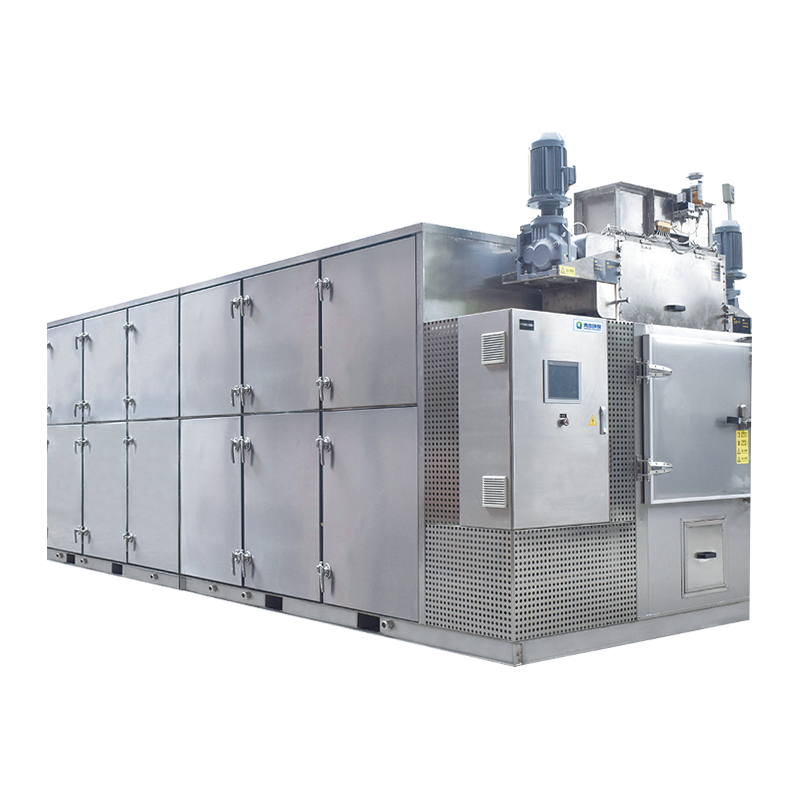
Where detergents are unavoidable — food plants and workshops with hygiene requirements, for example — the affected stream should be segregated and treated chemically, with pH correction and a demulsifier ahead of dissolved air flotation rather than relying on gravity alone. Dosing accuracy decides the result: underdosing leaves oil in the water, overdosing produces extra sludge and cost.
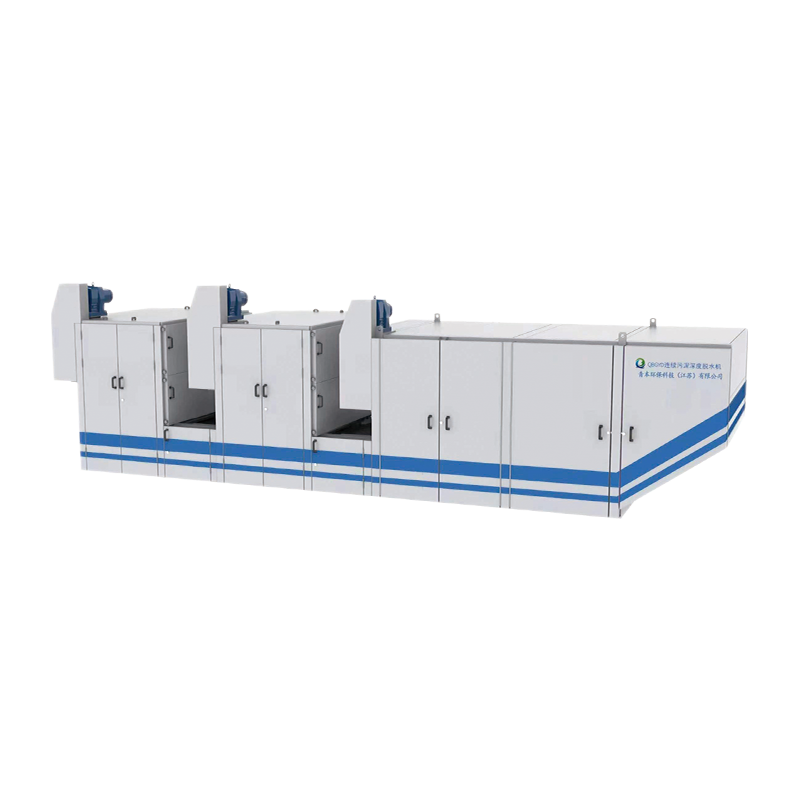
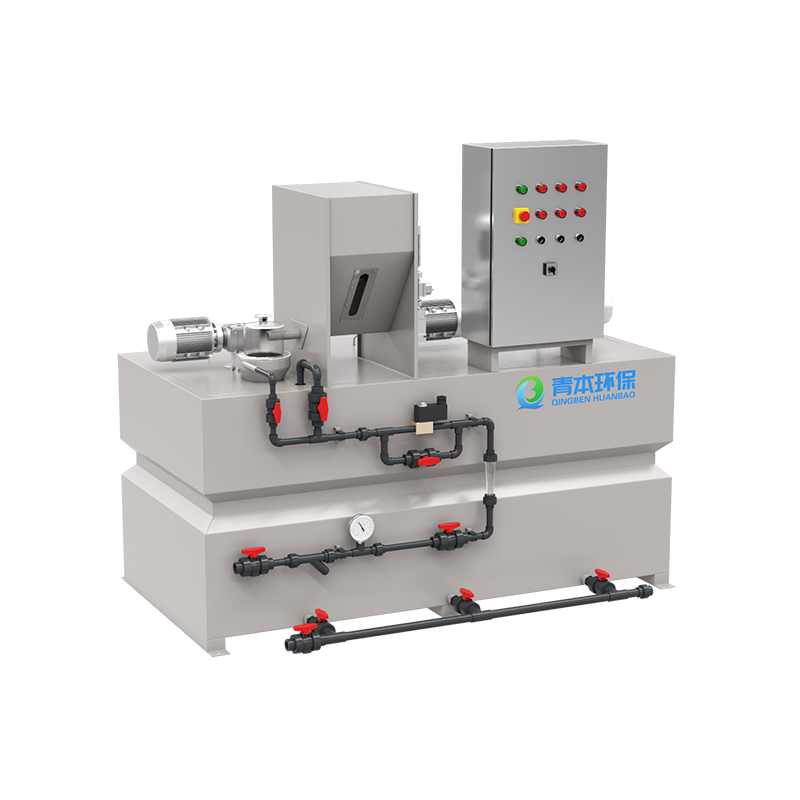 Integrated Automatic Chemical Dosing and Dissolving DeviceFully automatic unit prepares and doses liquid chemicals, including PAM powder, with adjustable concentration and low-level alarm for precise reagent dosing.View Product →
If your site discharges to a trade effluent consent, it is worth mapping which processes produce emulsified oil; the industrial wastewater treatment overview covers the common combinations of gravity separation, chemical dosing and flotation.
Records that hold up under inspection
A maintenance log does more than satisfy a permit condition; it is the only way to prove the separator was looked after when a sample fails. Five fields per event are usually enough:
- Date, time and the name of the person who took the readings.
- Oil layer depth and sludge depth, measured from the same datum each time.
- Water level, outlet appearance, and any odour or sheen noted.
- Work done — skimming, cleaning, part replaced — and by whom.
- Waste volume removed, hauler name and manifest or consignment number.
Retention periods vary; two to three years is a common requirement and some permits ask for longer. Keep the separator manual, the as-built drawing and staff training records in the same folder.
What happens to the oil and sludge you take out
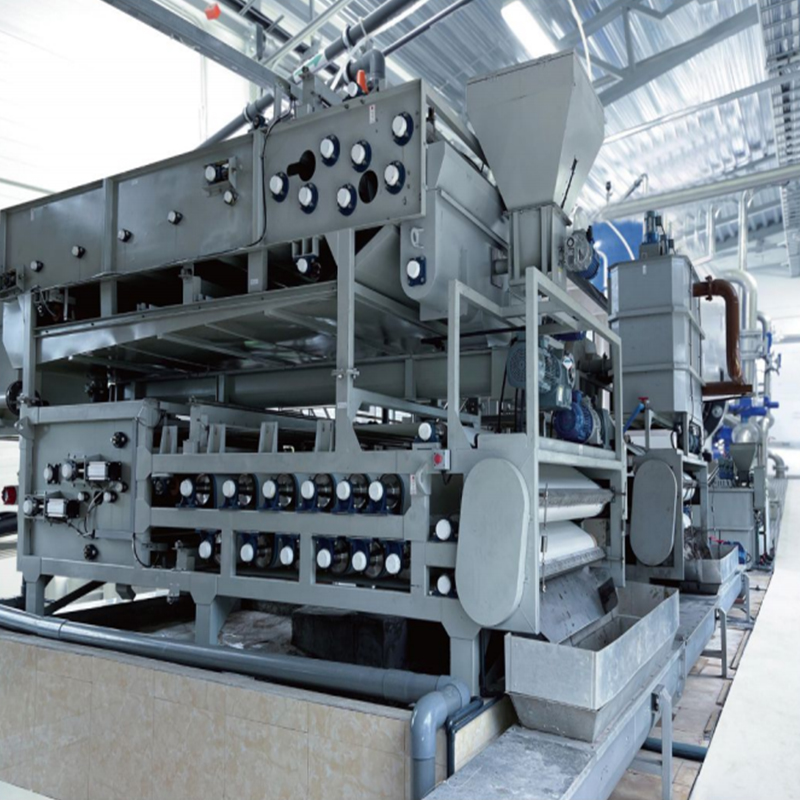
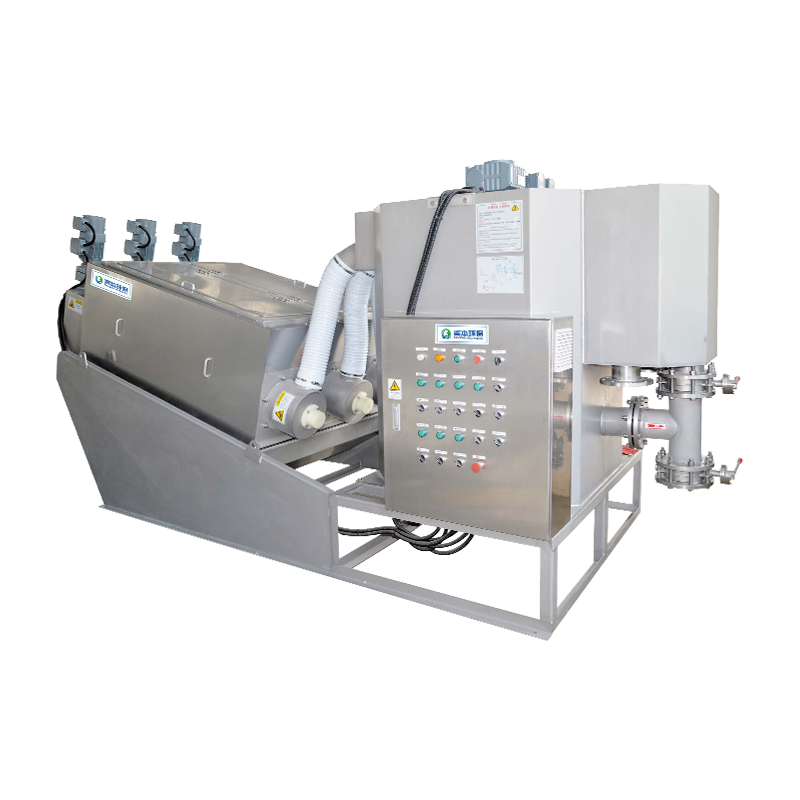
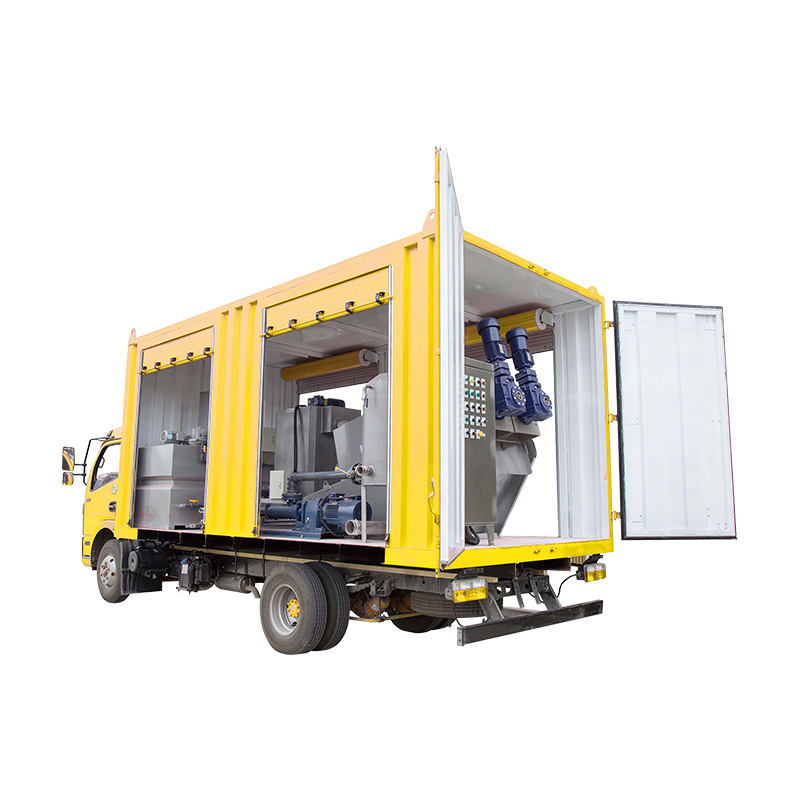
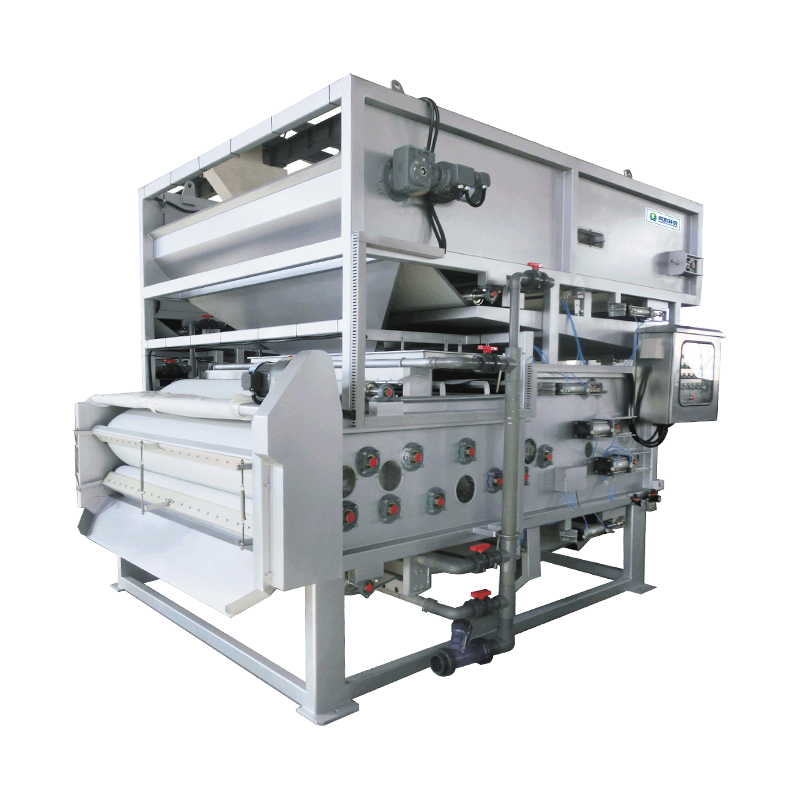
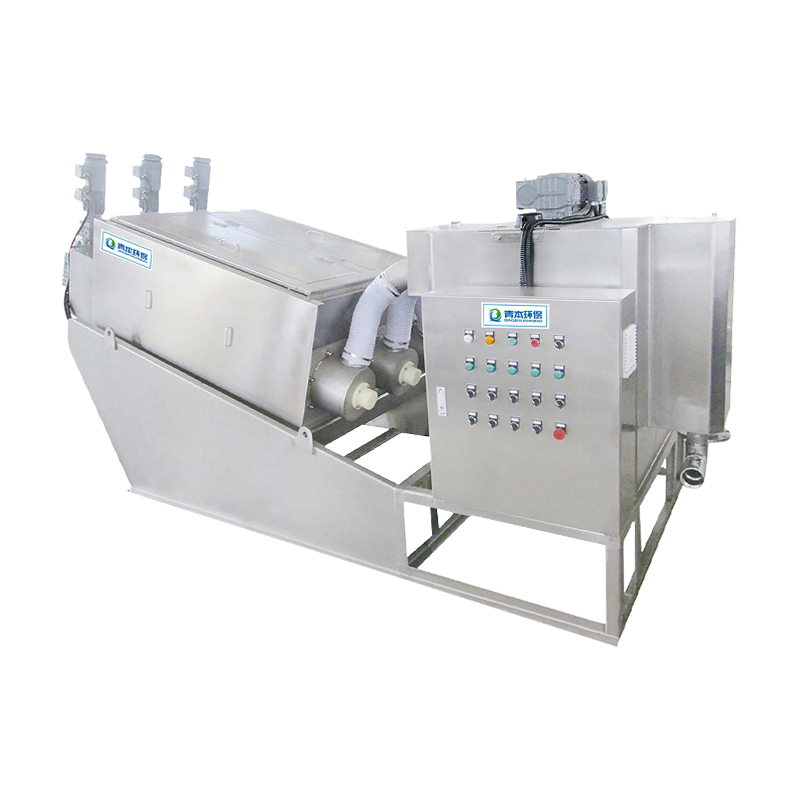
The pump-out is the largest recurring cost in most maintenance budgets, and most of what leaves the site is water. Dewatering the oily sludge before disposal reduces both the volume and the gate fee, and gives the disposal contractor a more consistent material to handle. A screw press or belt filter press sized on the actual pump-out volume usually pays for itself in haulage savings within a few cycles.
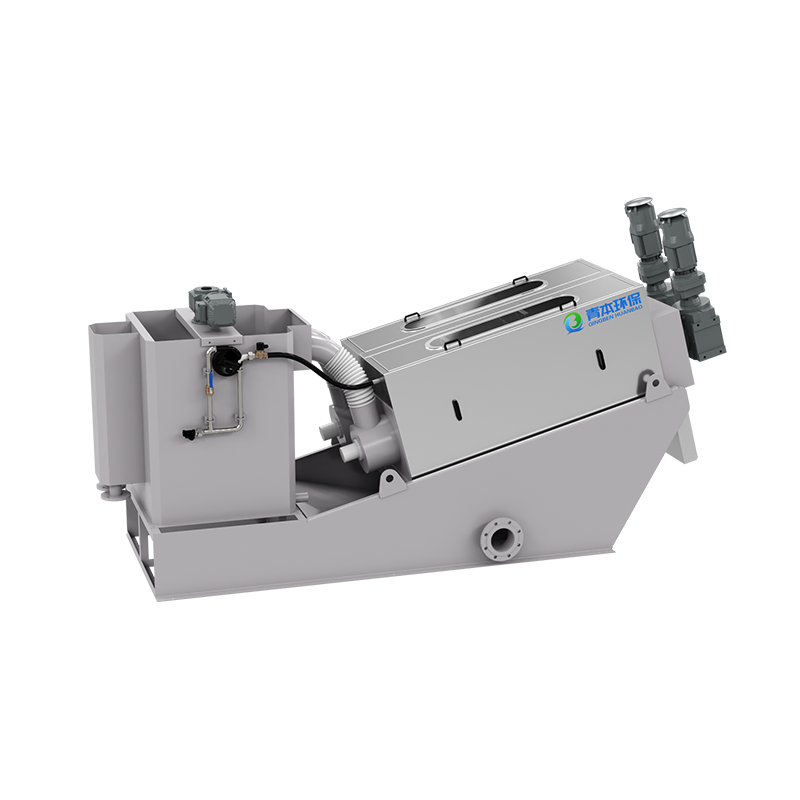 Screw Press Sludge Dewatering Machine for Oily SludgeIntegrates flocculation, thickening and dewatering to reduce oily sludge volume before disposal, with self-cleaning rings and continuous operation.View Product →
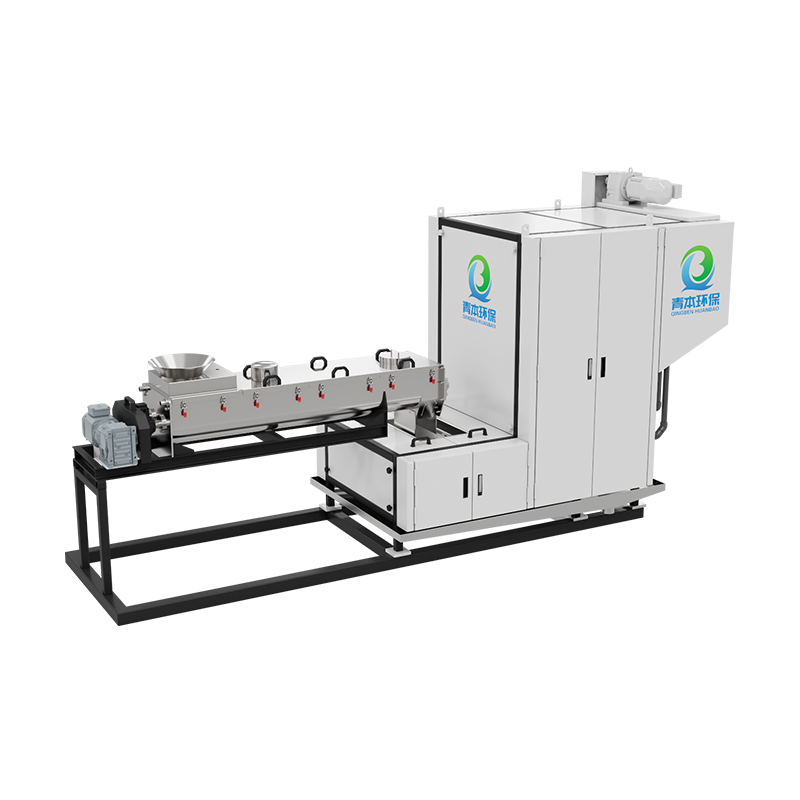
Where the water phase still carries emulsified or colloidal oil, flotation is the usual next step, with chemical dosing ahead of it to break the emulsion:
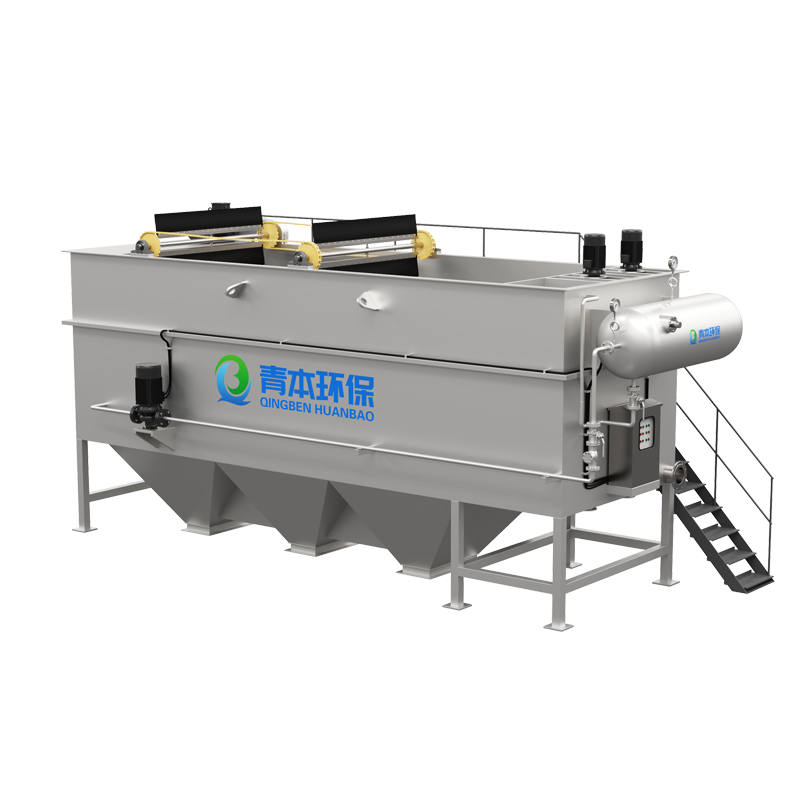 Horizontal Air Flotation Machine for Emulsified Oil SeparationAdvection dissolved air flotation removes suspended solids and grease using microbubbles, suitable as the flotation step after emulsion-breaking chemical dosing.View Product →
Where maintenance work sits in the treatment train
Schematic layout, not a fixed design; the sequence shifts with the oil fraction and the discharge limit.
Two practical cautions. First, confirm with your regulator or disposal contractor how the sludge is classified — in most jurisdictions oily sludge from a separator is controlled waste and needs a licensed hauler and a manifest. Second, be careful about returning filtrate from dewatering to the separator inlet; fines and polymer can re-load the unit you just cleaned. Sites in oil and gas applications often route filtrate to a separate treatment stage for exactly this reason.
Frequently asked questions
How often should an oil water separator be cleaned?
Read the readings, not the calendar. Most units need a full clean every six to twelve months, but a separator taking heavy solids may need it quarterly, while a lightly loaded one can go longer if oil and sludge depths stay low.
How do I know when to skim the oil layer?
Skim before the free oil reaches the outlet baffle, not when it becomes visible on top. Set a fixed draw-off depth from the skimmer design, measure from the same datum weekly, and skim at that depth.
Can I clean an oil water separator with degreaser?
Not inside the unit. Degreaser emulsifies the oil you are trying to float out and loads the outlet. Scrape and use low-pressure water; if detergents are unavoidable, segregate that stream.
What happens if the sludge is not removed?
Sludge consumes retention time and eventually blocks the plate pack. Flow short-circuits, solids carry over to the drain, and the separator may need a full internal rebuild instead of a routine pump-out.
Why is oily sludge dewatering worth doing?
Pump-out volume is mostly water. Dewatering before disposal cuts haulage frequency and the amount of controlled waste leaving site, and it gives your contractor a consistent feed.
What should a maintenance log contain?
Date, oil and sludge depths, water level, outlet condition, work performed, waste volume, hauler and manifest number. Two to three years of records is a common permit requirement.