

A food plant that produces 40 cubic metres of sludge a day at 2% dry solids is not paying to dispose of sludge. It is paying to move water. At that concentration, less than one tonne of the daily load is actual solid material; the other 39 tonnes exist only to carry it.
The conclusion first, because it changes where the budget should go: in most industrial waste reduction programmes, the largest and cheapest reduction in waste volume happens at the dewatering and drying stage, not at the production line. Changing the process that creates the waste is worth doing, but it is usually slow, capital-heavy and tied to product quality. Removing water is fast, measurable, and can be dialled back if the numbers disappoint.
What follows covers how far water removal can realistically go, which technology fits which sludge, where the energy bill turns against you, and what to write into a purchase specification so the equipment still performs after the warranty expires.
Content
- 1 Why the Water, Not the Solids, Sets Your Waste Bill
- 2 Matching Dewatering Technology to the Sludge You Have
- 3 Deep Dewatering: The Cheapest Water You Will Ever Remove
- 4 Drying: Where the Energy Bill Decides
- 5 Retrofit Reality: Fitting the Train Into an Existing Plant
- 6 What to Write Into the Specification
- 7 Industrial Waste Reduction FAQ
- 7.1 Q1. What does industrial waste reduction mean in practice?
- 7.2 Q2. How much can a sludge dewatering machine reduce waste volume?
- 7.3 Q3. What is the difference between sludge dewatering and sludge drying?
- 7.4 Q4. How do you choose industrial wastewater treatment equipment?
- 7.5 Q5. What dry solids can a screw press sludge dewatering machine reach?
- 7.6 Q6. How much does a low-temperature sludge dryer cost to run?
Why the Water, Not the Solids, Sets Your Waste Bill
Sludge is a very dilute suspension, and its handling cost follows the dilution almost linearly. A stream at 2% dry solids carries about 49 kilograms of water for every kilogram of solid material. Concentrate it to 6% and the volume falls to roughly a third. Take it to 25% by mechanical dewatering and only one twelfth remains. Dry it to 80% and the material leaving site is one fortieth of what you started with.
In numbers: 100 cubic metres of 2% sludge contains 2 cubic metres of dry solids. Thickened to 6%, that is about 33 cubic metres. Dewatered to 25%, 8 cubic metres. Dried to 80%, 2.5 cubic metres.
Material remaining at each stage, per 100 m³ of 2% dry solids sludge
The reason this matters commercially is that waste charges are levied on wet mass or wet volume, not on dry solids. Haulage, landfill tax, incineration gate fees and increasingly carbon reporting on transport all scale with what the truck actually carries. Dry solids content is the one variable you can change without touching the process upstream.
The waste hierarchy set out in the EU Waste Framework Directive (2008/98/EC) puts prevention first and disposal last, and that ordering is sound. But prevention in the directive covers reducing the volume and harmfulness of waste, not only reducing how much of it is generated. Volume reduction through dewatering is a legitimate prevention measure under that definition, and it is almost always the fastest one to implement.
Matching Dewatering Technology to the Sludge You Have
There is no single best dewatering machine. There is only the machine that tolerates your feed. Oily sludge from metalworking behaves nothing like digested municipal sludge or the fibrous residue from a beverage plant, and the differences show up in polymer consumption, cake dryness and how often an operator has to intervene.
| Technology | Typical cake dry solids | Polymer demand | Operator attention | Where it fits |
|---|---|---|---|---|
| Screw press | 20–30% | Low to medium | Low, self-cleaning | Oily, fibrous and variable feeds; tight retrofits |
| Belt filter press | 20–28% | Medium | High; cloth washing and tracking | High throughput, mineral and municipal sludge |
| Centrifuge | 20–25% | High | Medium; low wash water use | Compact sites, shear-tolerant flocs |
| High-pressure belt deep dewatering | 40–55% | Medium to high | Medium; conditioning is critical | Sites where haulage cost dominates |
| Low-temperature thermal drying | 70–90% | Upstream dewatering required | Low | High landfill or incineration fees; co-firing routes |
Two selection traps are worth naming. The first is buying on cake dryness alone: a machine that reaches 30% on a free-draining mineral sludge may reach only 18% on a greasy one, and the polymer dose needed to close that gap can cost more than the haulage saving. The second is ignoring turndown. Industrial plants rarely run at nameplate flow all year, and a machine sized for the annual peak will run badly at half load.
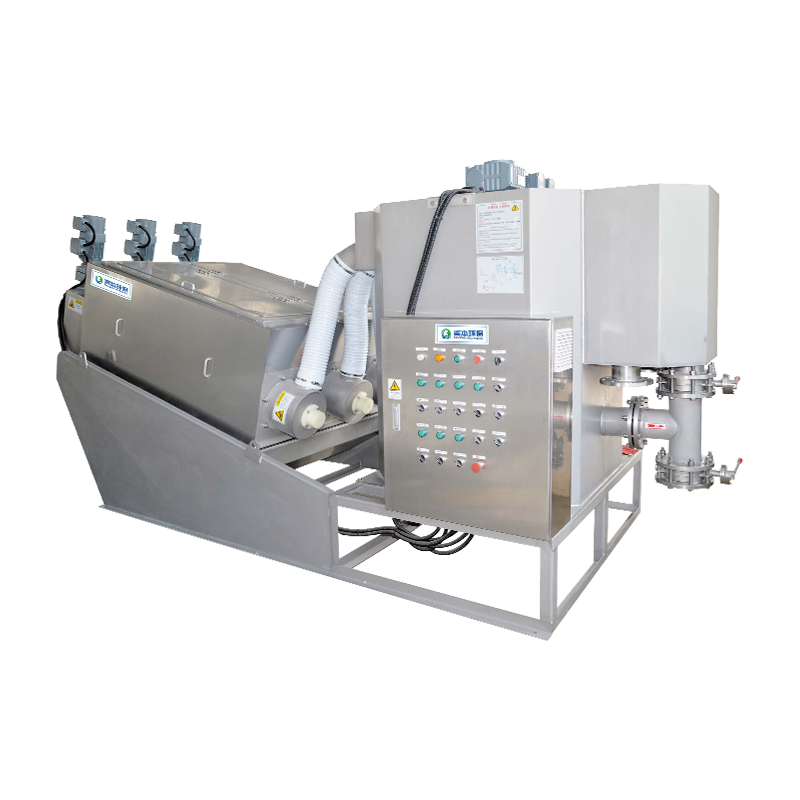
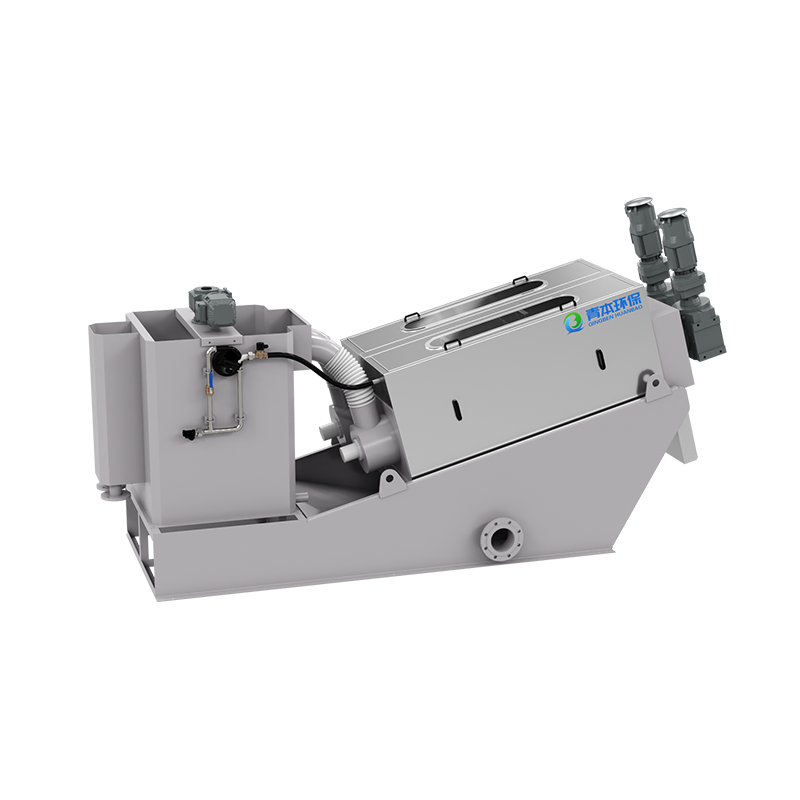
 Screw Press Sludge Dewatering Machine QBDL SeriesMechanical pressure raises dry solids toward 45%, halving wet mass where disposal is charged by tonne.View Product →
Deep Dewatering: The Cheapest Water You Will Ever Remove
If your disposal route charges by the tonne, the jump from roughly 25% to 45% dry solids is the single highest-return investment in the whole train. It halves the wet mass shipped, and it does so with mechanical pressure rather than heat, so the running cost per tonne of water removed is a fraction of thermal drying.
The arithmetic is simple. A high-pressure belt unit that lifts cake from 25% to 45% dry solids removes about 1.8 tonnes of water for every tonne of dry solids handled. If haulage and gate fees are 60 currency units per wet tonne, that is roughly 190 currency units saved per tonne of dry solids, before any change in the process upstream.
The catch is conditioning. Deep dewatering depends on floc structure surviving very high pressure, which means polymer selection and dose control matter more than the press itself. Plants that struggle here are usually dosing by trial and error rather than by dry-solids measurement. For variable industrial feeds, characterising the range you will actually see is more valuable than optimising for a single sample, and the same discipline applies across industrial wastewater treatment applications.
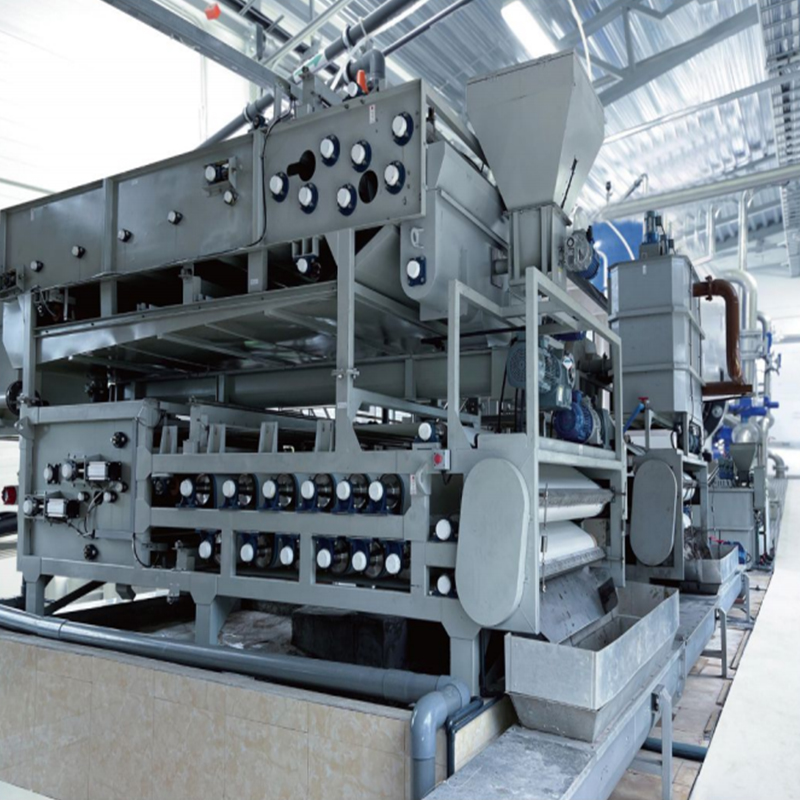
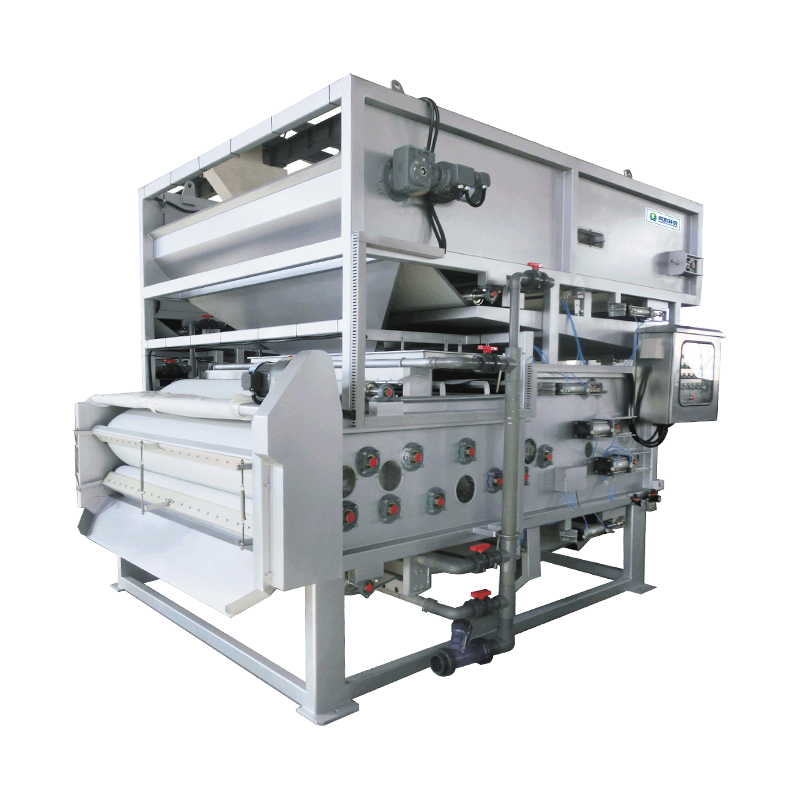
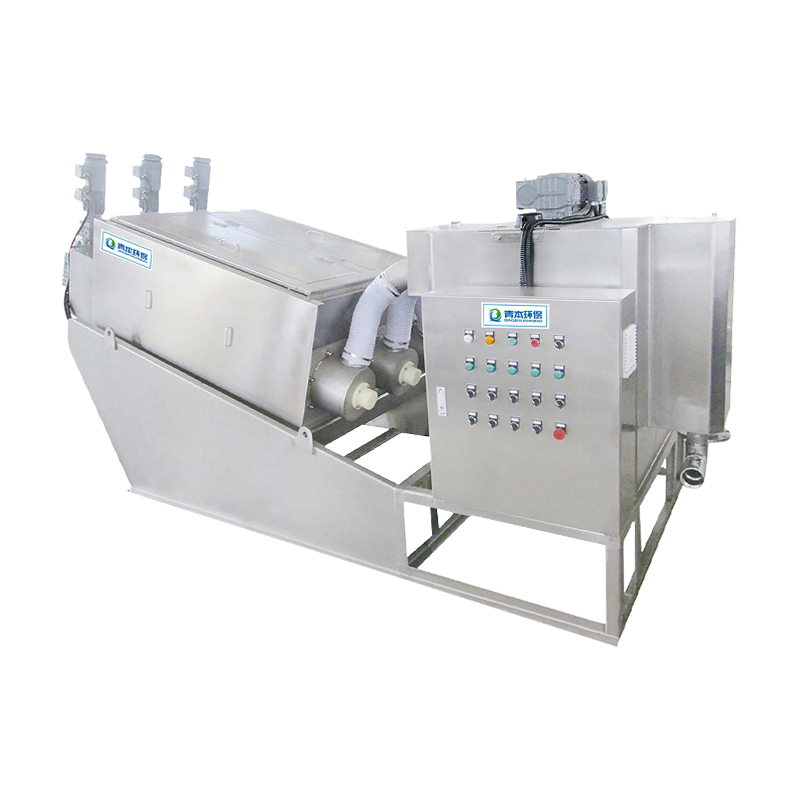
 High Pressure Belt Continuous Sludge Deep Dewatering MachineContinuous high-pressure belt press applies two-dimensional shear to destroy colloidal stability, cutting sludge volume and transport costs for municipal plants.View Product →
Drying: Where the Energy Bill Decides
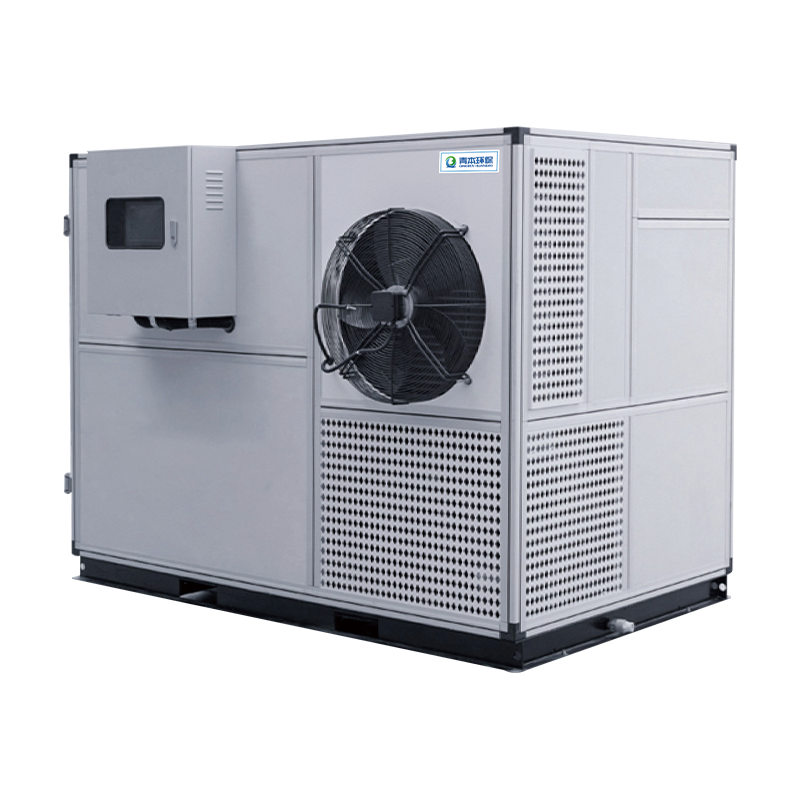
Thermal drying is the point where industrial waste reduction stops being cheap. A heat-pump low-temperature belt dryer typically evaporates one kilogram of water for roughly 0.3 to 0.4 kWh of electricity, because it recovers the latent heat it has just released. A steam or gas-heated dryer needs on the order of 800 to 900 kWh of thermal energy per tonne of water evaporated, plus fan and conveyor power. On a site with genuine waste heat, that gap narrows; on a site buying gas at market prices, it usually does not.
The comparison has been worked through in more detail in this site's analysis of low-temperature versus high-temperature drying costs, and the conclusion holds generally: dry only when the destination demands it.
Cake dry solids content, % by weight. Ranges vary with feed characteristics and conditioning.
A workable decision rule: dry only if the disposal or reuse route physically requires a dry product, or if the avoided fee per wet tonne exceeds the drying cost per tonne of water evaporated. On that test, drying for co-incineration in a cement kiln often clears the bar. Drying simply to reduce the number of truck movements usually does not, unless the site has surplus heat that would otherwise be rejected.
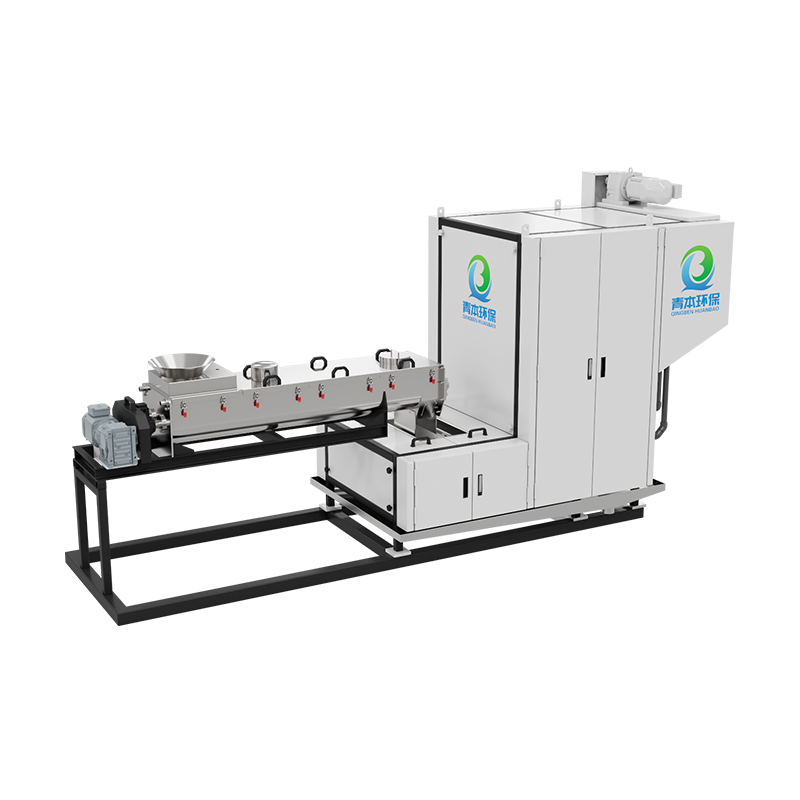
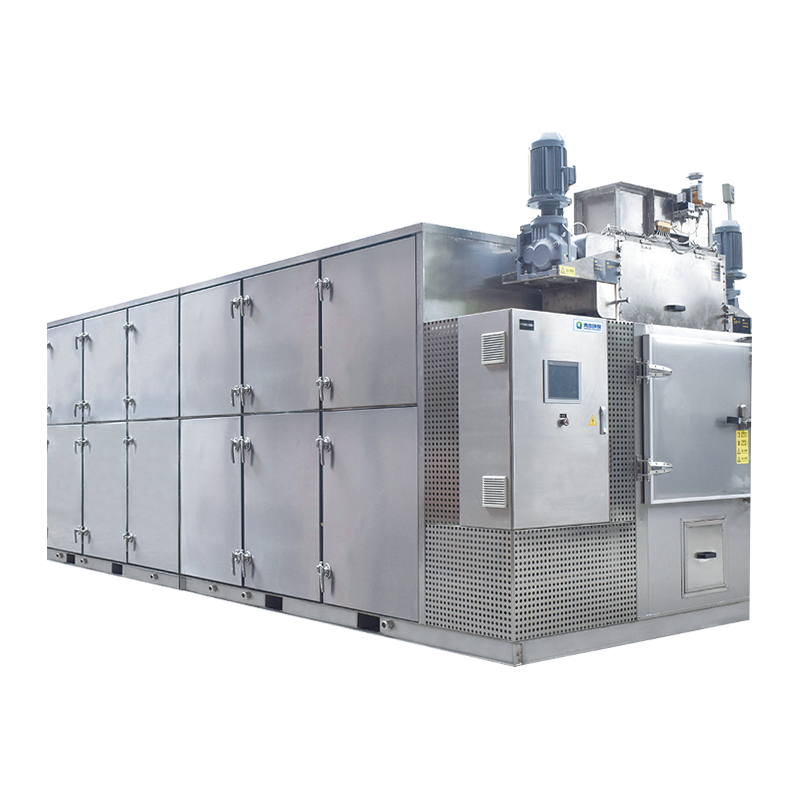 Low Temperature Belt Type Sludge Drying Machine with Heat PumpHeat-pump dehumidification recovers latent heat to dry sludge at 48–56°C return air, reducing volume when dry product is required.View Product →
Retrofit Reality: Fitting the Train Into an Existing Plant
In practice, the sludge constrains the design less than the building does. Most industrial waste reduction projects are retrofits into a plant that was never laid out for them, and the binding constraints are usually physical rather than chemical:
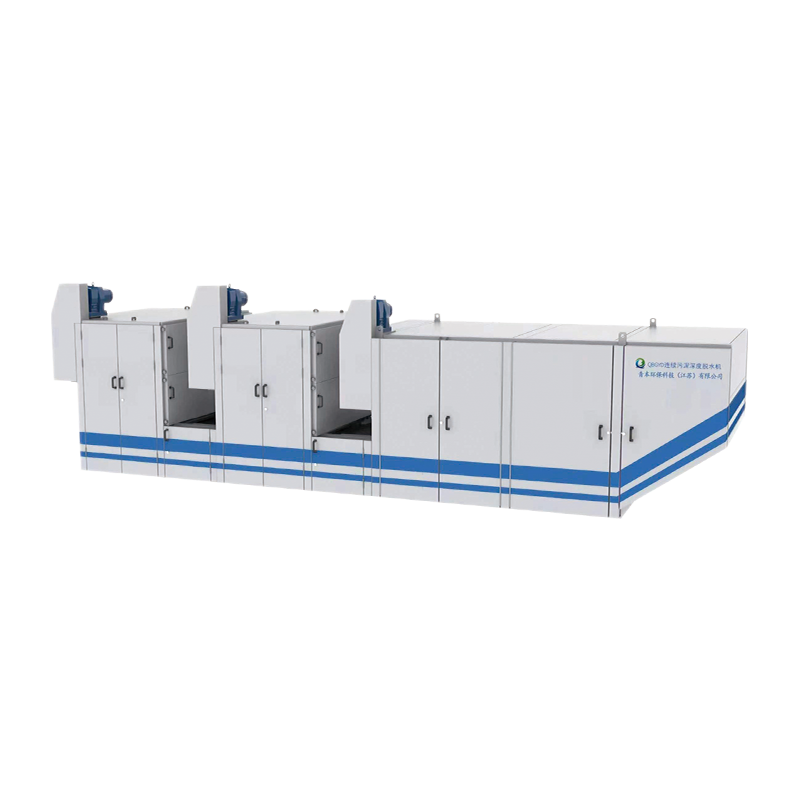
Isometric view of a three-stage volume reduction line. Figures are illustrative, based on a 2% dry solids feed.
- Footprint and headroom. Dryers are tall; a heat-pump belt dryer may need four to six metres of vertical clearance plus service access above it.
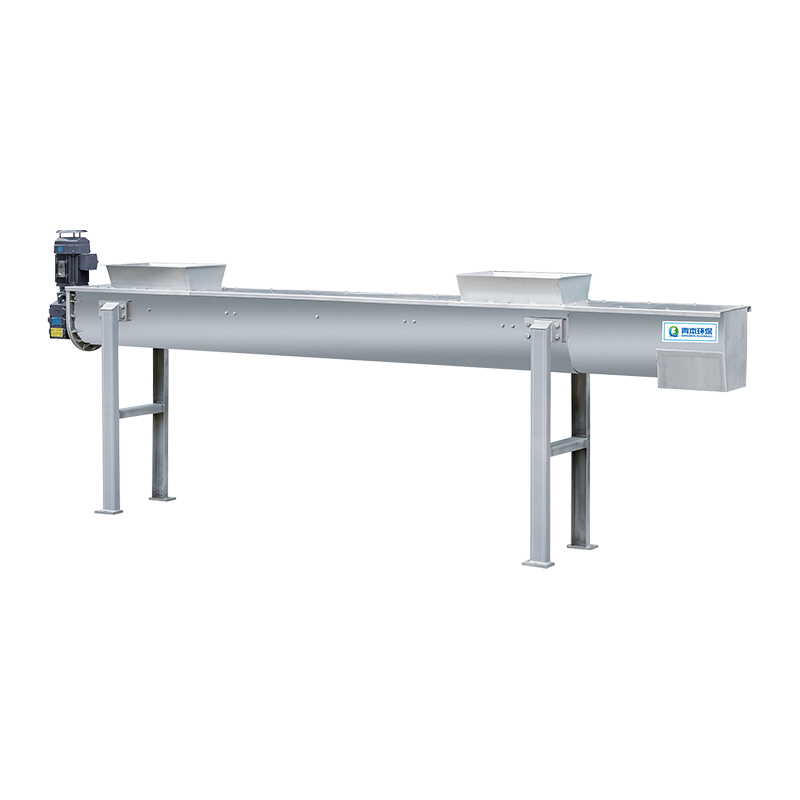
- Buffer storage. Dewatering and drying rarely run at the same rhythm, so a cake silo or hopper between them is not optional.
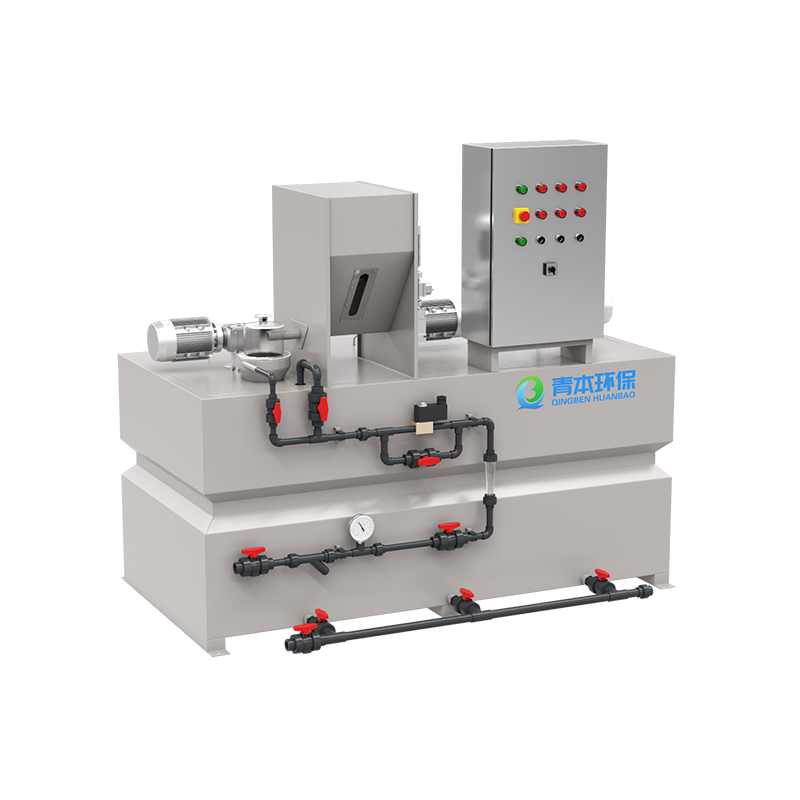
- Polymer make-up. Dosing accuracy depends on consistent dilution water quality and temperature, and on someone owning the calibration.
- Ventilation and odour. Dewatering rooms generate aerosols; drying generates vapour. Both need to be designed for, not added later.
- Balanced capacity. An oversized dryer fed by an undersized press will simply run empty for most of the shift.
What to Write Into the Specification
Vague specifications are the main reason dewatering projects underdeliver. Six clauses do most of the work:
- Define the feed as a window, not a single number: dry solids range, fibre and oil content, temperature, and seasonal variation.
- Require guaranteed cake dryness at a stated polymer dose, expressed in kilograms of polymer per tonne of dry solids.
- Express throughput in kilograms of dry solids per hour, never in cubic metres per hour.
- State energy consumption per tonne of water evaporated, and define the boundary: does it include polymer make-up, ventilation and conveyors?
- Agree an acceptance test protocol before signing: who supplies the sludge, how long the run lasts, and what happens if the guarantee is missed.
- List wear parts explicitly, with expected life and price: screw flights, filter cloths, scraper blades and seals.
Industrial Waste Reduction FAQ
Q1. What does industrial waste reduction mean in practice?
It means cutting the mass or volume of waste that leaves site, and the fastest route is usually removing water. Prevention at the production line matters, but volume reduction by thickening, dewatering and drying delivers measurable savings within weeks.
Q2. How much can a sludge dewatering machine reduce waste volume?
Going from 2% to 25% dry solids cuts wet volume by roughly 90%. In most plants that removes the majority of haulage trips without changing anything upstream of the dewatering room.
Q3. What is the difference between sludge dewatering and sludge drying?
Dewatering uses mechanical pressure to reach roughly 20–50% dry solids. Drying uses heat to reach 70–90%. Dewatering is far cheaper per tonne of water removed, so drying should follow it, not replace it.
Q4. How do you choose industrial wastewater treatment equipment?
Start from the feed, not the brochure. Characterise dry solids, fibre, oil and variability, then select on tolerance to that range, polymer demand and turndown, and only then on peak cake dryness.
Q5. What dry solids can a screw press sludge dewatering machine reach?
Typically 20–30% depending on the sludge. Screw presses suit oily, fibrous and variable industrial feeds and need little operator attention, which makes them a common choice for retrofit projects.
Q6. How much does a low-temperature sludge dryer cost to run?
Heat-pump dryers commonly evaporate about 0.3–0.4 kWh of electricity per kilogram of water. Steam-heated alternatives can need several times that in thermal energy, so always compare energy per tonne of water evaporated.