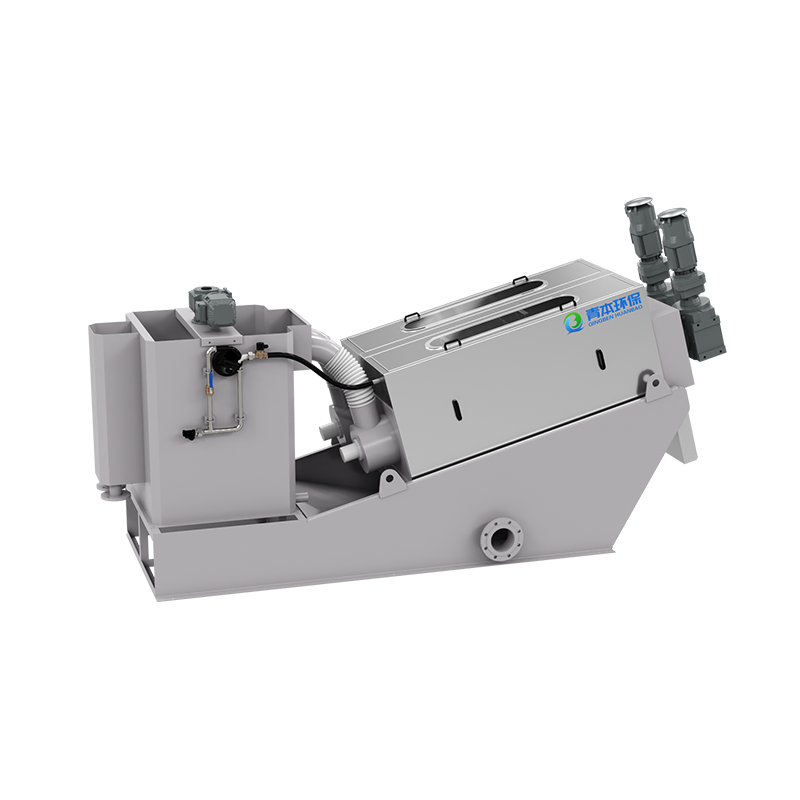
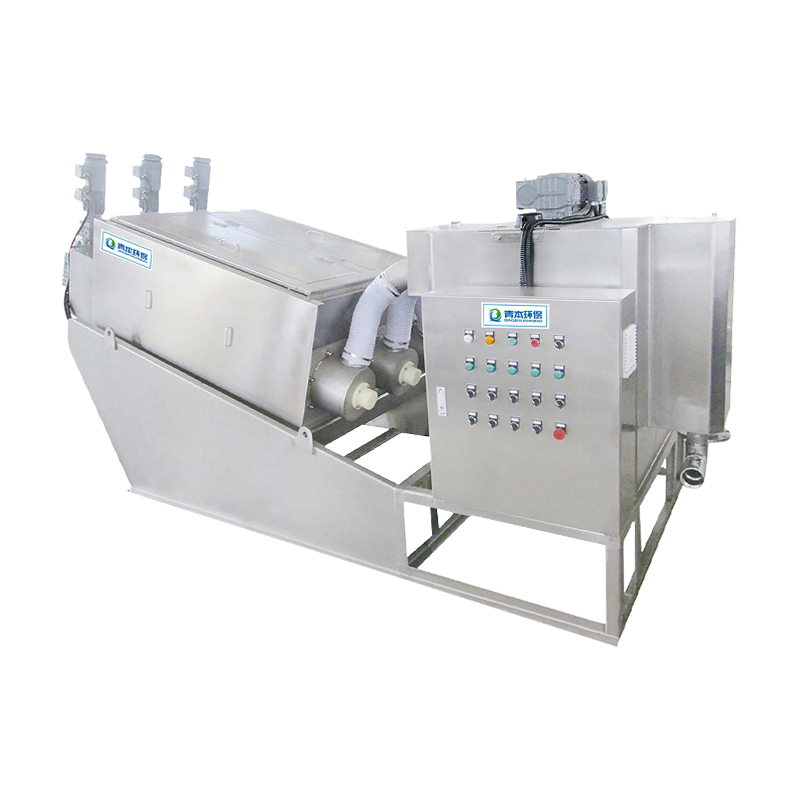
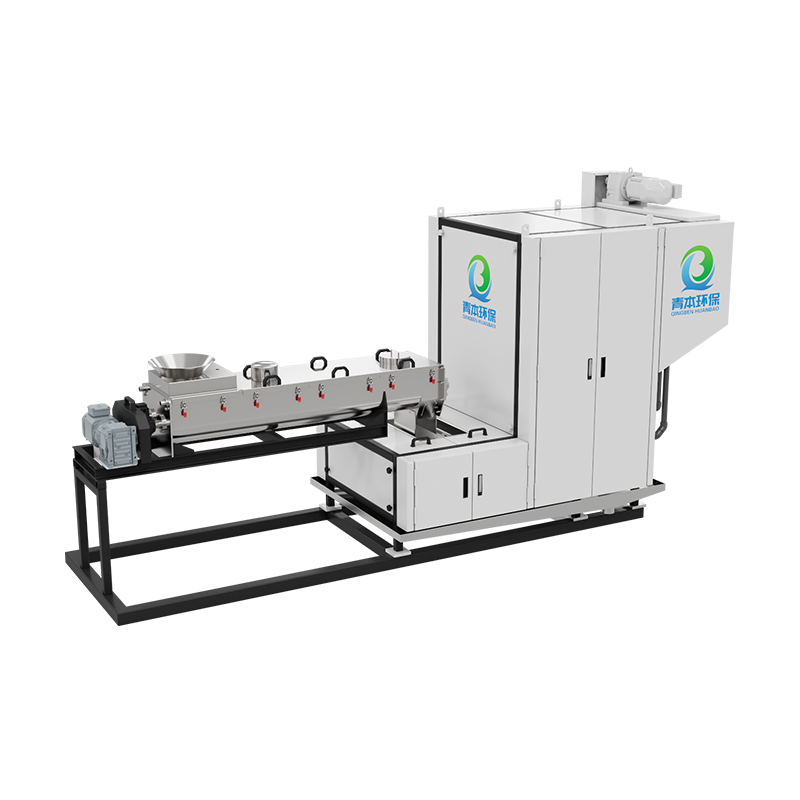
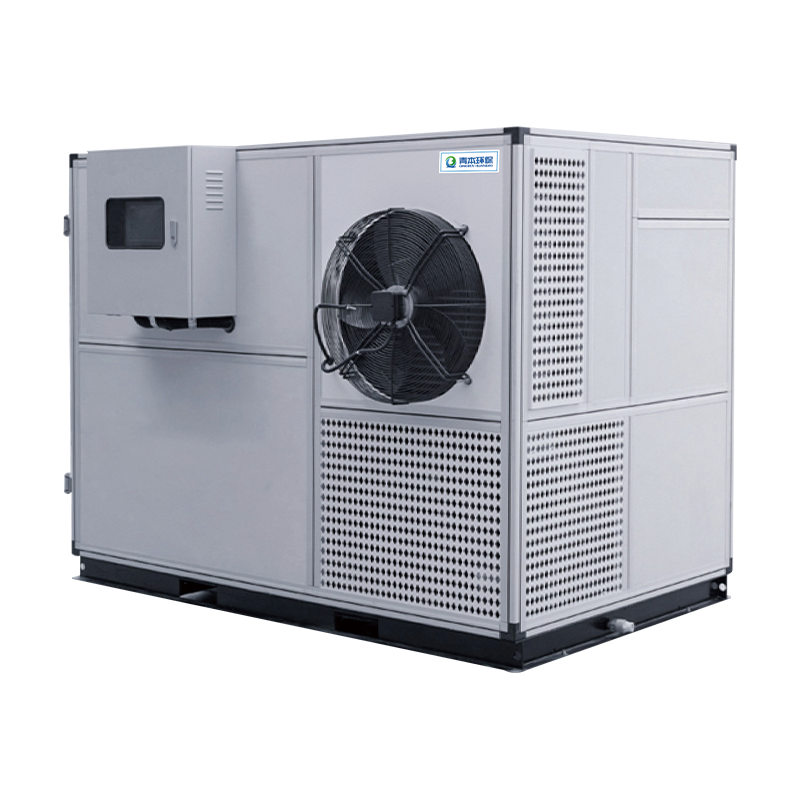
Qingben Environmental Technology (Jiangsu) Co., Ltd. is a Low Temperature Sludge Drying System Supplier based in Yangzhou, China, that designs and builds complete drying systems for municipal and industrial sludge. Our low-temperature dryers combine heat-pump dehumidification, closed-circuit air circulation and PLC-based control to convert dewatered sludge from around 83% moisture content into dry, stable product at 10–30% moisture, with volume reduction above 90% and sterilization above 90%. We manufacture these systems in modular platforms so capacity, final dryness and utility interface are matched to the actual sludge line rather than forced into a standard footprint.
The Qingben Low-Temperature Drying Range
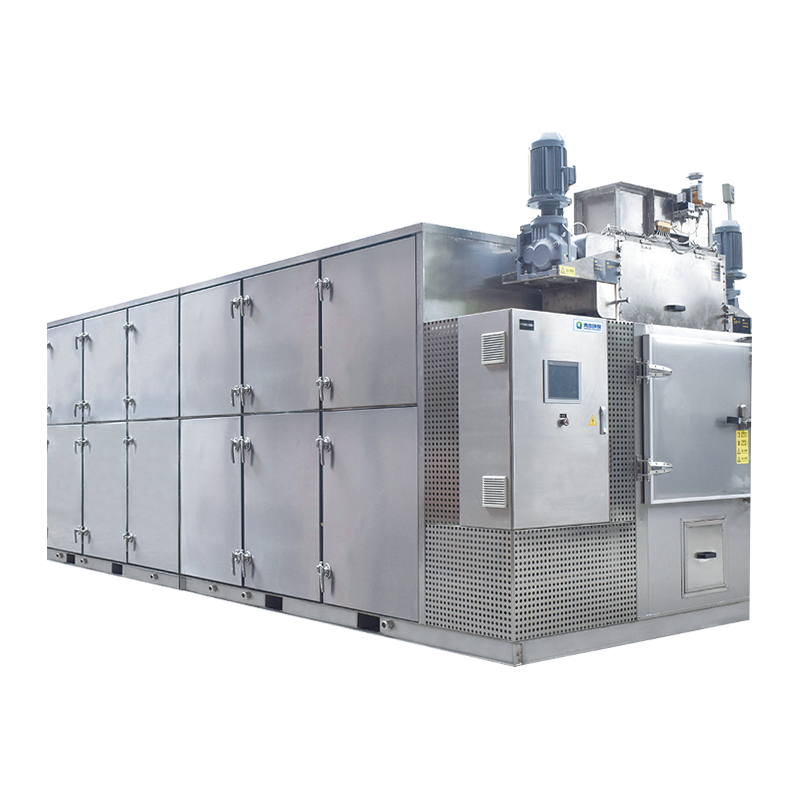
Our drying range is built around three platforms, each using the same closed-loop low-temperature principle but with a different energy source and capacity profile. Final model selection is based on feed sludge, daily quantity, available utilities and the disposal route for the dried product.
| Product line |
Rated water removal |
Configuration |
Typical fit |
| Low Temperature Belt Type Sludge Drying Machine |
750–32,400 kg/24h |
1–12 heat-pump modules; touch screen + PLC |
Municipal and industrial plants with continuous feed; 48–56°C return air / 65–80°C supply air |
| Sludge Drying Machine for Low Temperature Waste Heat |
10,000–50,000 kg/24h |
4–20 modules; hot water 85/65°C; cooling water 33/45°C |
Sites with waste heat or CHP; high throughput with low electrical demand; 50–65°C return air / 68–85°C supply air |
| Sludge Cryogenic Chamber Drying Machine |
200–900 kg/24h |
Package chamber; air-cooled or water-cooled; 40–50°C return air |
Small, decentralized or batch plants; on-site treatment where simplicity and odor control matter |
Rated water removal is confirmed under standard conditions and varies with sludge properties, molding characteristics and dust content. We use these figures as a starting point, then correct for site temperature, upstream dewatering and target final dryness.
Process and Application Fit
Low-temperature drying is particularly effective for municipal dewatered sludge and for industrial sludge from printing and dyeing, papermaking, electroplating, chemical, leather and pharmaceutical plants. Because the drying air stays below 80°C, the system handles materials that are difficult to process in high-temperature dryers, reduces odor release, and produces a granular product suitable for further use.
- Municipal wastewater plants: belt-type models cover continuous municipal production and can be expanded in modules as flow grows.
- Industrial operations: chamber models suit smaller throughput, batch campaigns or decentralized treatment where footprint and odor are critical.
- Waste-heat sites: where 85/65°C hot water is available, the waste-heat dryer cuts electrical demand while providing large water-removal capacity.
- End-product flexibility: final moisture can be adjusted for fuel blending, composting, building-material feedstock or reduced-volume disposal.
Critical Specifications and Operating Boundaries
The dryers are sized by rated standard water removal in kg/24h. Operating power, installed power and refrigeration capacity are then matched to that water-removal duty. The fully enclosed design returns drying air to the heat pump, so there is no continuous exhaust of warm humid air and no cold-air infiltration.
- Drying temperature: belt type 48–56°C return air / 65–80°C supply air; chamber type 40–50°C return air / 60–80°C supply air; waste-heat type 50–65°C return air / 68–85°C supply air.
- Utilities: R134a refrigeration, 380V/3N~50Hz power, air-cooled as standard with water-cooled option on chamber and belt models.
- Energy performance: chamber models use four-effect condensation dehumidification with a dehumidification performance ratio up to 4.2 kg H2O/kWh and operating cost as low as 180 kWh per tonne of water removed under standard conditions.
- Odor control: the closed system prevents odor overflow and normally eliminates the need for a separate deodorization installation; condensate can be discharged directly on most configurations.
- Safety: low-temperature operation, reduced oxygen content and low dust concentration reduce dust and explosion hazards compared with high-temperature dryers.
Controls and Automation Integration
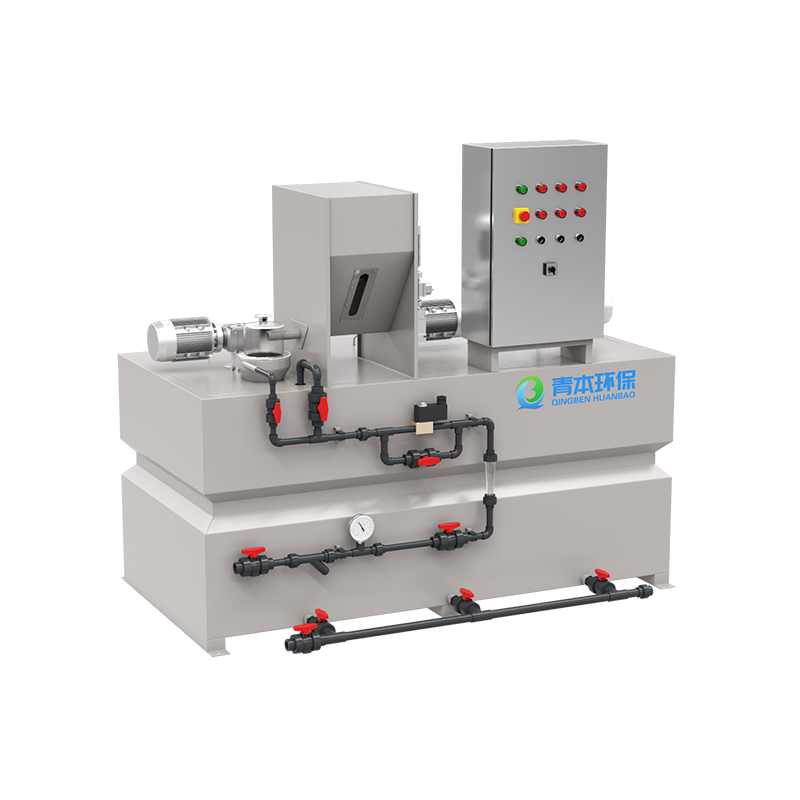
Every platform is supplied with a touch-screen HMI and a PLC programmable controller. The control scheme is configured around the sludge line: start/stop interlocks with upstream dewatering equipment, adjustable drying parameters for feed consistency, and running-time monitoring to support maintenance planning.
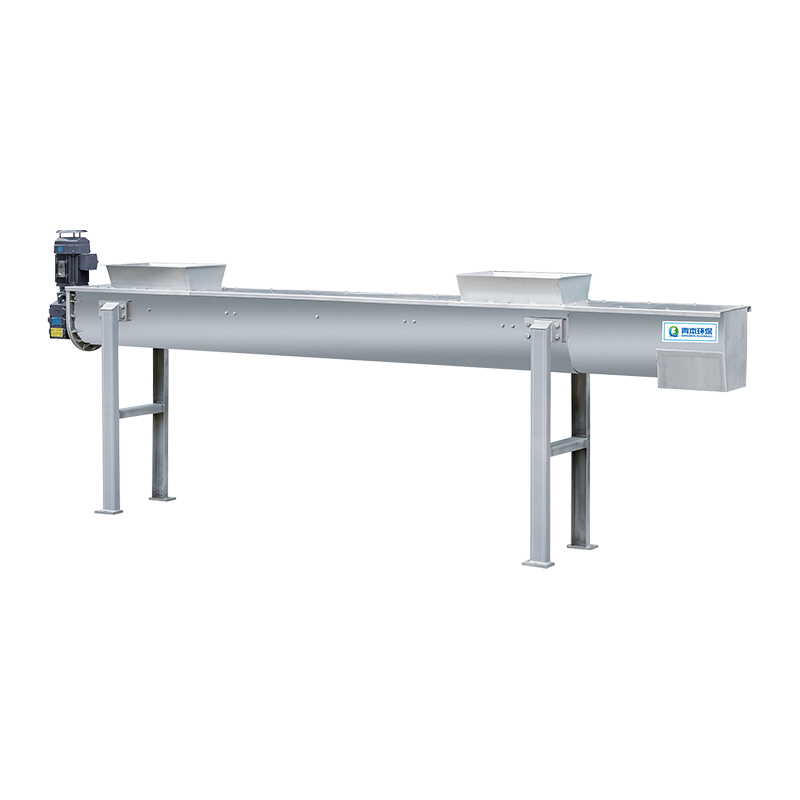
Because the dryer is a controlled module within a larger sludge treatment system, we define the interface together with the customer. This includes feed and discharge conveyors, sludge hoppers and upstream dewatering machines, so the complete line starts, stops and alarms as one system.
Installation, Commissioning and Utility Requirements
Models are supplied either as ready-to-run units or as assembled modules depending on capacity. Our project team supports installation, commissioning, trial operation and operator training so the dryer is accepted as part of the complete treatment line.
- Power supply: 380V/3N~50Hz.
- Air-cooled condensers require clear inlet and outlet ventilation; water-cooled options require a cooling-water connection.
- Waste-heat dryers require hot water at standard 85/65°C and cooling water at 33/45°C with Δt=12°C.
- Provide a condensate drain connection and adequate access for feed and discharge conveyors.
Quality Assurance and Project Support
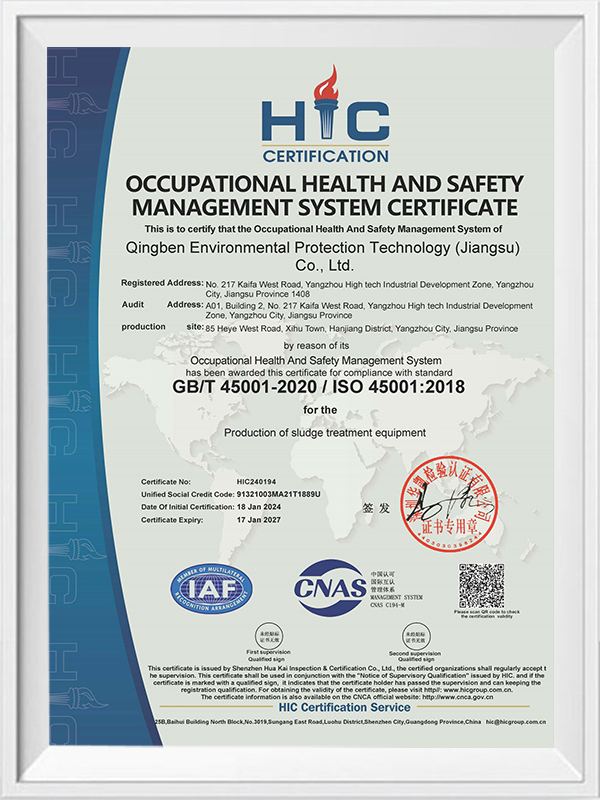
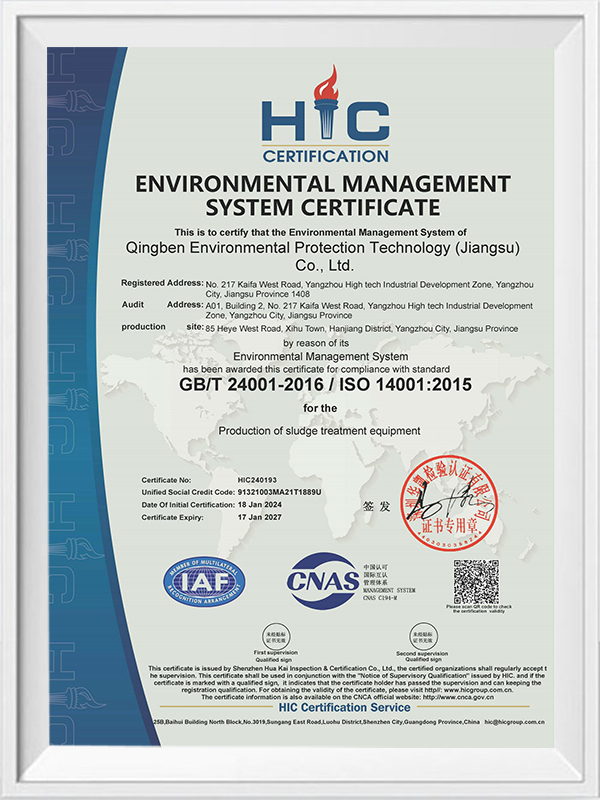
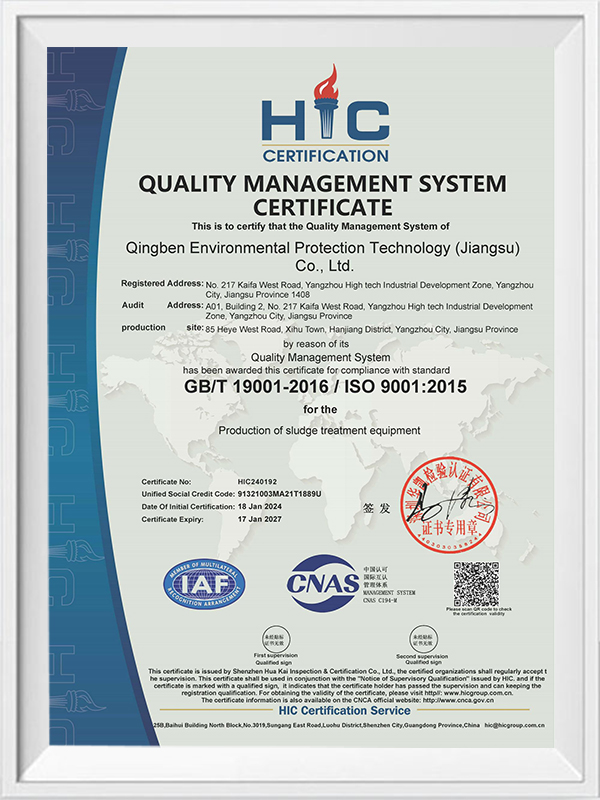
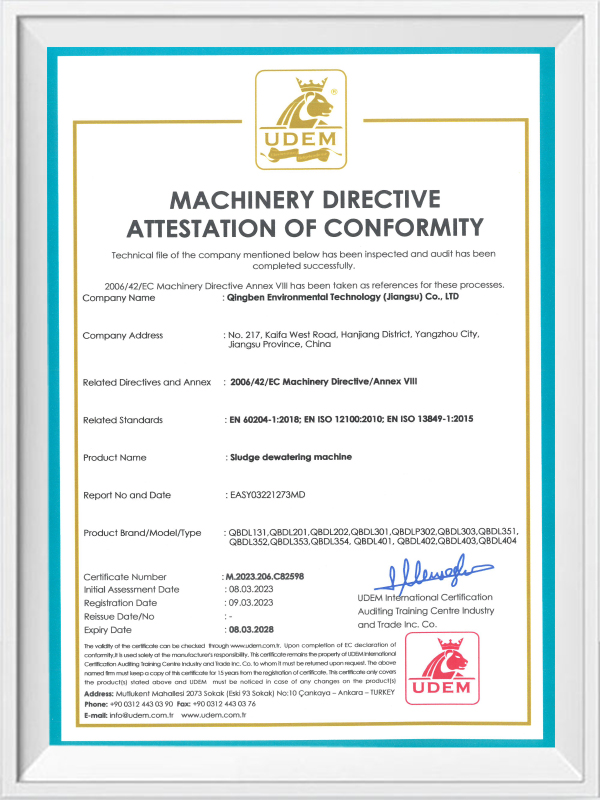
Our manufacturing and management systems are certified to ISO 9001, ISO 14001 and ISO 45001, and the drying equipment carries CE marking. Beyond fabrication, we provide project consultation, design, system integration, installation, commissioning, after-sales maintenance, upgrades and environmental impact assessment for sludge treatment projects.
This lets a single factory-backed team carry the project from the first process calculation through equipment delivery, site startup and long-term operation. We view the dryer as one step in the sludge treatment chain, not a stand-alone machine.
Information We Use to Configure Your Solution
To prepare a configuration and quotation, our engineering team starts with the operating point rather than a catalogue model. The following data helps us size the dryer, select the utility interface and define the control interlocks:
- Sludge type, source and upstream dewatering method: screw press, belt press, plate-and-frame or other.
- Feed moisture content and target final moisture for the dried product.
- Daily wet sludge quantity or water-removal requirement and planned operating hours.
- Available utilities: power, cooling water, and waste-heat temperature and flow rate.
- Site conditions: indoor or outdoor installation, available floor space and ambient temperature range.
- Disposal or reuse route: incineration, composting, building materials, landfill or fuel blending.
- Existing control system and desired interlocks with upstream and downstream equipment.
Frequently Asked Questions
What final moisture content can Qingben low-temperature dryers achieve?
Our dryers typically take municipal or industrial dewatered sludge from around 83% moisture content down to 10–30% moisture, depending on model and material. Chamber models offer an adjustable final moisture range, and the retention time, airflow and temperature profile are set to match the disposal route you plan to use.
How is drying capacity rated?
Capacity is stated as rated standard water removal in kg/24h. Actual water removal varies with sludge consistency, molding behavior, dust content and site conditions, so we confirm capacity from your feed data and include operating margin in the proposal.
Can the dryer be integrated with our existing dewatering equipment?
Yes. The dryer can receive dewatered sludge from screw presses, belt presses or other upstream dewatering machines. We configure the control interlocks, conveyors and hoppers so the drying step operates as part of the full sludge treatment line.
What utilities are required for installation?
Standard models need 380V/3N~50Hz power and either adequate ventilation for air-cooled condensers or a cooling-water connection for water-cooled configurations. Waste-heat models need hot water at 85/65°C and cooling water at 33/45°C as the reference duty.
Is a separate deodorization system required?
In most installations, no. The drying loop is fully enclosed, so odor-bearing air is not discharged to the working environment. Condensate from the dehumidification process can usually be discharged directly without secondary treatment.
What support is provided after delivery?
We support installation, commissioning and trial operation, then provide operator training and maintenance planning. After-sales service includes troubleshooting, routine maintenance support and upgrade or modification services as process conditions change.