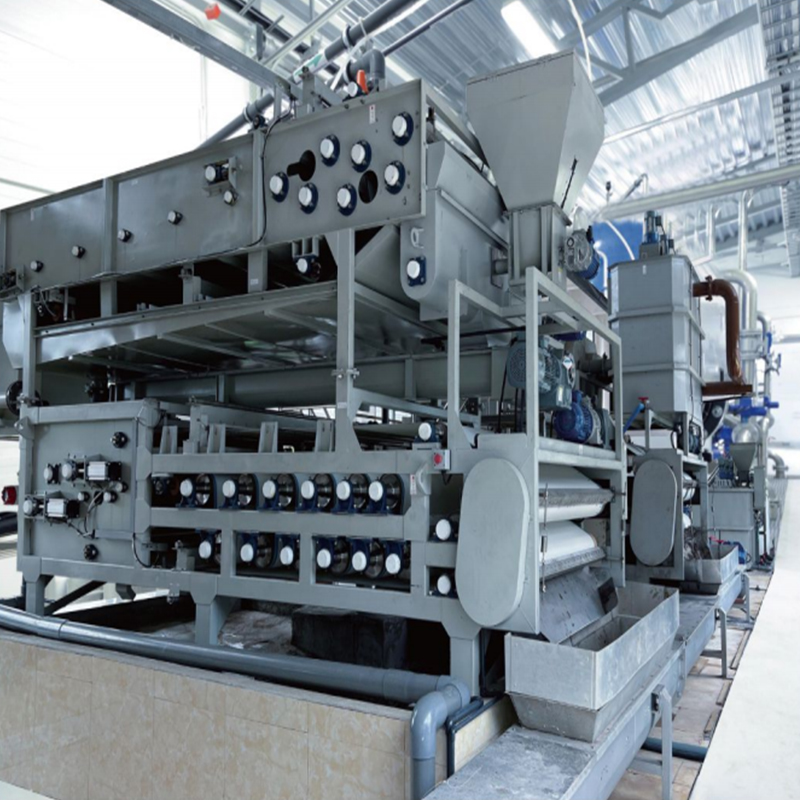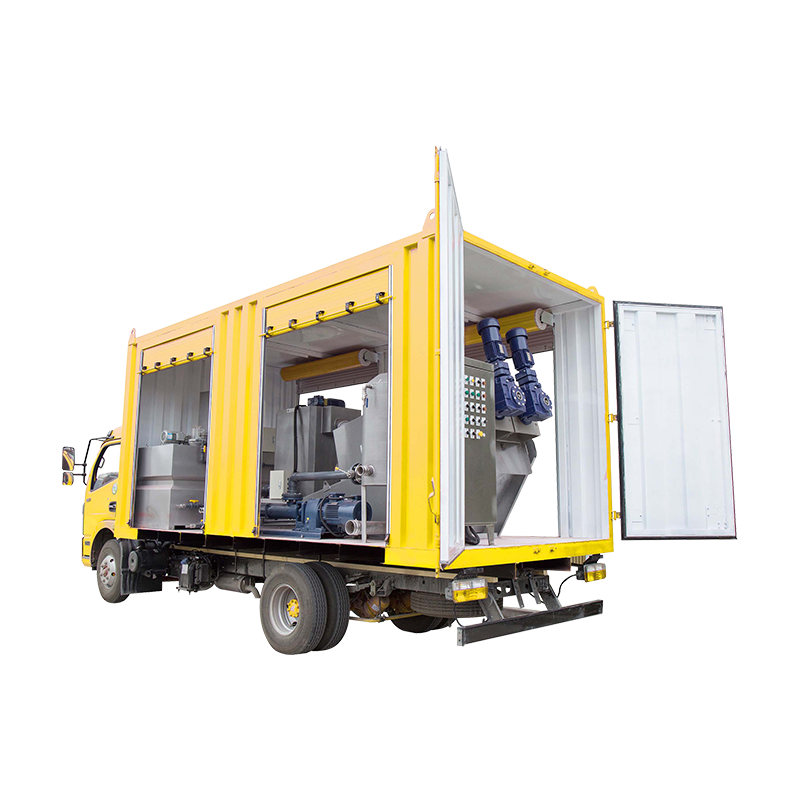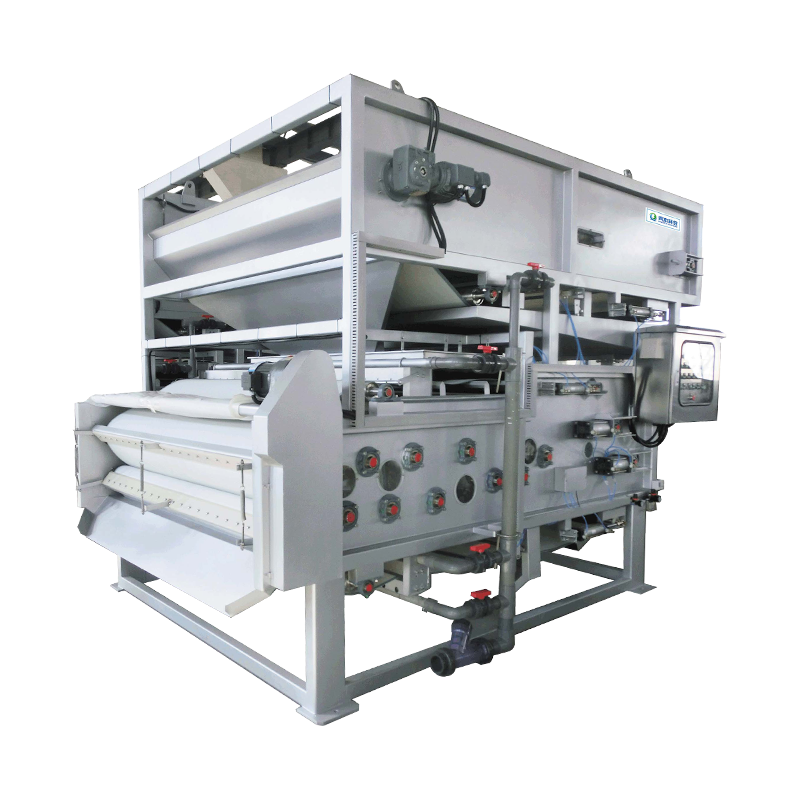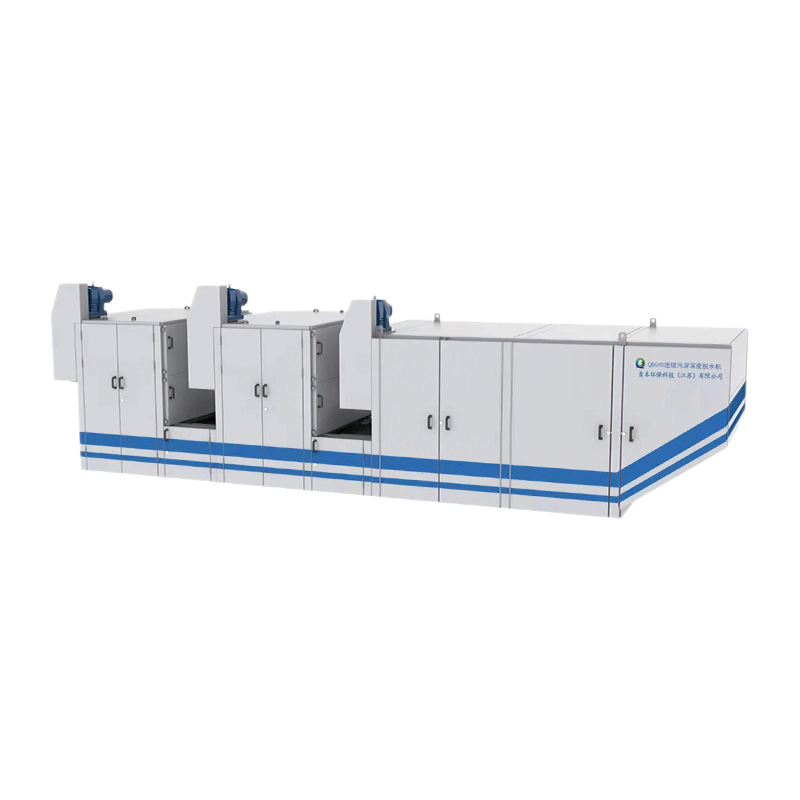


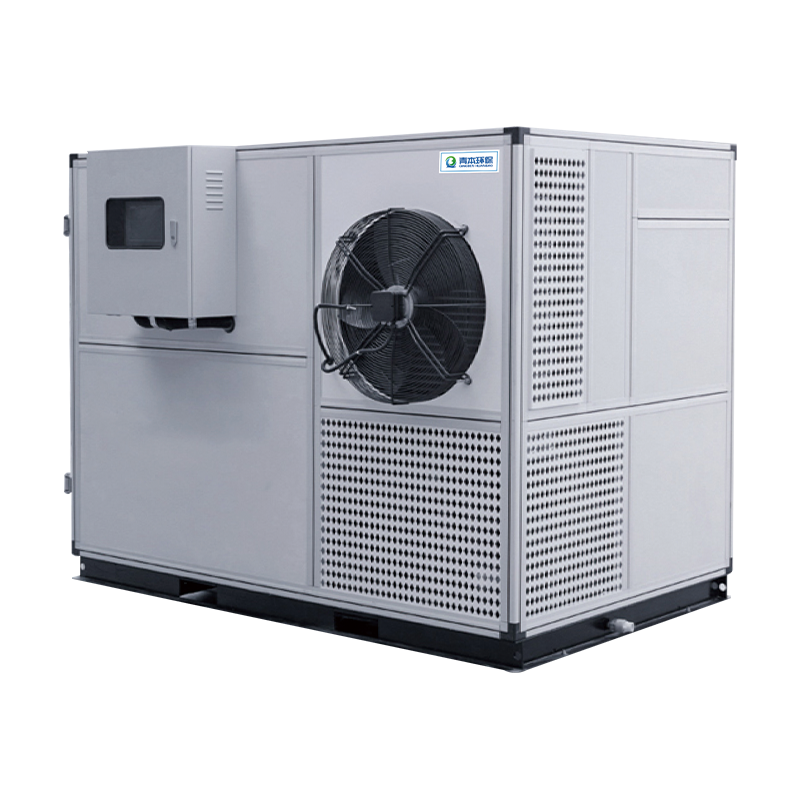
A metal-finishing plant producing 15 tonnes of wet sludge a day pays its haulier by the tonne of wet material, not by the tonne of solids. At 20% dry solids, 12 of those 15 tonnes are water. Push the same sludge through a high-pressure belt deep dewatering unit to roughly 45% dry solids and the outbound mass falls by more than half before the truck is even loaded.
That arithmetic is the whole argument for industrial sludge recycling. Recycling is rarely blocked by a lack of markets - brick kilns, cement lines, biomass boilers and land reclamation projects all accept suitable sludge. It is blocked by moisture, contamination and the cost of moving water around. Fix the dewatering and drying stages and the recycling options open up on their own.
Content
- 1 What Industrial Sludge Recycling Means in Practice
- 2 Feed Requirements for the Three Recycling Routes
- 3 Why Dewatering Performance Decides the Economics
- 4 Matching Equipment to Sludge Type
- 5 Sector by Sector: Where the Pressure Comes From
- 6 Energy Demand: The Case for Low-Temperature Drying
- 7 The Recycling Chain, Stage by Stage
- 8 Procurement Risks to Resolve Before Signing
- 9 Frequently Asked Questions
- 9.1 Q1. What is industrial sludge recycling?
- 9.2 Q2. What dry solids content is needed before sludge can be recycled?
- 9.3 Q3. Can industrial sludge be used as fuel?
- 9.4 Q4. What is the difference between sludge dewatering and sludge drying?
- 9.5 Q5. Which dewatering machine works best for oily sludge?
- 9.6 Q6. Is dried industrial sludge still hazardous waste?
What Industrial Sludge Recycling Means in Practice
The term covers three destinations, and each one imposes different requirements on the material:
- Material recovery - dried sludge used as an input for bricks, cement clinker, lightweight aggregate or board products.
- Energy recovery - sludge burned or co-processed as a fuel substitute in cement kilns, power boilers or dedicated incinerators.
- Land and soil use - composted or stabilised sludge applied to landscaping, site reclamation or, where permitted, agriculture.
The order of decisions matters. First the regulator classifies the sludge as hazardous or non-hazardous, based on leaching tests and the industrial process it came from. Then the off-take partner states what it will accept. Only then does equipment selection begin. Buying a dryer before confirming that a cement plant will take the dried product is one of the most common and expensive sequencing errors in this field.
Feed Requirements for the Three Recycling Routes
| Route | Typical feed condition | Must be controlled | Equipment focus |
|---|---|---|---|
| Material recovery (bricks, cement, aggregate) | 60-90% dry solids | Heavy metals, chloride, residual oil | Dewatering plus thermal drying |
| Energy recovery (kiln co-processing, incineration) | 30-60% dry solids, higher for kiln feed | Calorific value, moisture, sulphur and chloride | Deep dewatering plus drying |
| Land and soil use (compost, reclamation) | 20-40% dry solids after stabilisation | Pathogens, heavy metals, salinity | Dewatering, lime or compost stabilisation |
Why Dewatering Performance Decides the Economics
Mass balance tells the story. One hundred tonnes of sludge at 3% dry solids contains 3 tonnes of solids and 97 tonnes of water. Dewatering to 25% dry solids reduces the total to 12 tonnes. Drying that cake to 80% dry solids leaves 3.75 tonnes. The material that must be stored, transported and fed into a kiln has shrunk by roughly 26 times, and every tonne removed from the chain removes a haulage charge with it.
These are mid-range values reported by equipment suppliers for mixed biological and industrial sludge. Real results depend on the sludge, the conditioner and how the machine is operated - a screw press that performs well on fibrous material can disappoint on a greasy one. Treat the ranges as a sanity check when a supplier quotes a performance figure, not as a guarantee.
There is a second cost that is easy to miss. Chemical conditioning typically consumes 3 to 8 kilograms of polymer per tonne of dry solids, and the machines with the lowest capital cost are often the ones with the highest polymer demand. Over a decade of operation, the polymer bill frequently outweighs the purchase price, which is why dosing accuracy deserves as much attention as press size.
Matching Equipment to Sludge Type
Sludge behaves differently depending on where it came from, and the dewatering technology has to follow that behaviour.
- Oily and greasy sludge from refineries, tank cleaning and metalworking clings to filter cloth and blinds belt presses. Screw press designs handle high-viscosity material more reliably because they rely on gradual compression rather than gravity drainage.
- Biological and chemical sludge from industrial wastewater plants dewaters predictably on belt filter presses and high-dry belt machines.
- Sludge destined for kilns or boilers needs thermal drying, usually to 60-90% dry solids, plus a consistent particle size for feeding.
- Sludge with fluctuating incoming solids benefits from pre-concentration or thickening upstream, so the dewatering machine sees a stable feed.
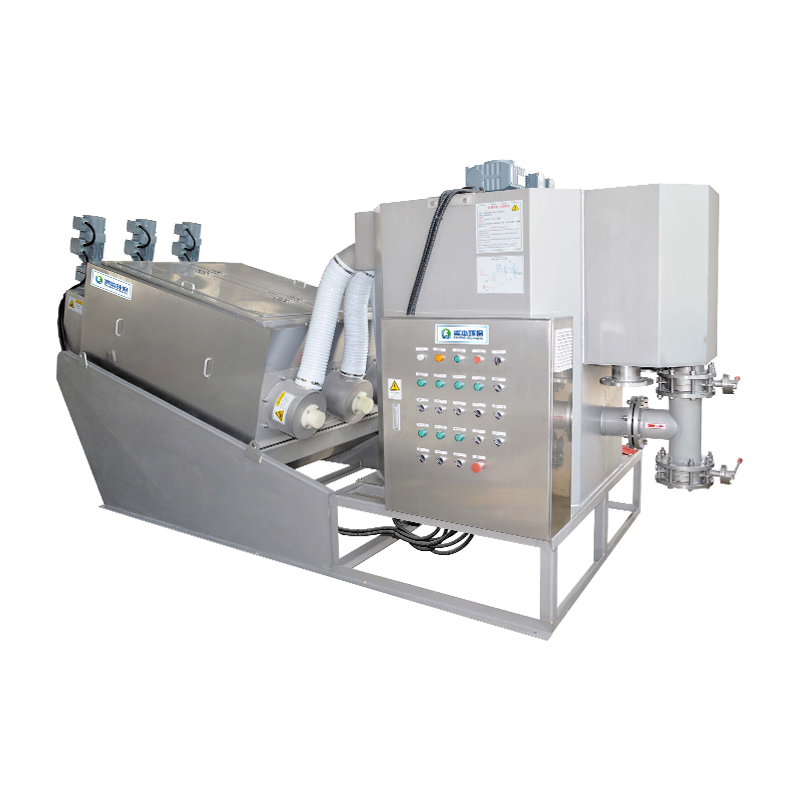
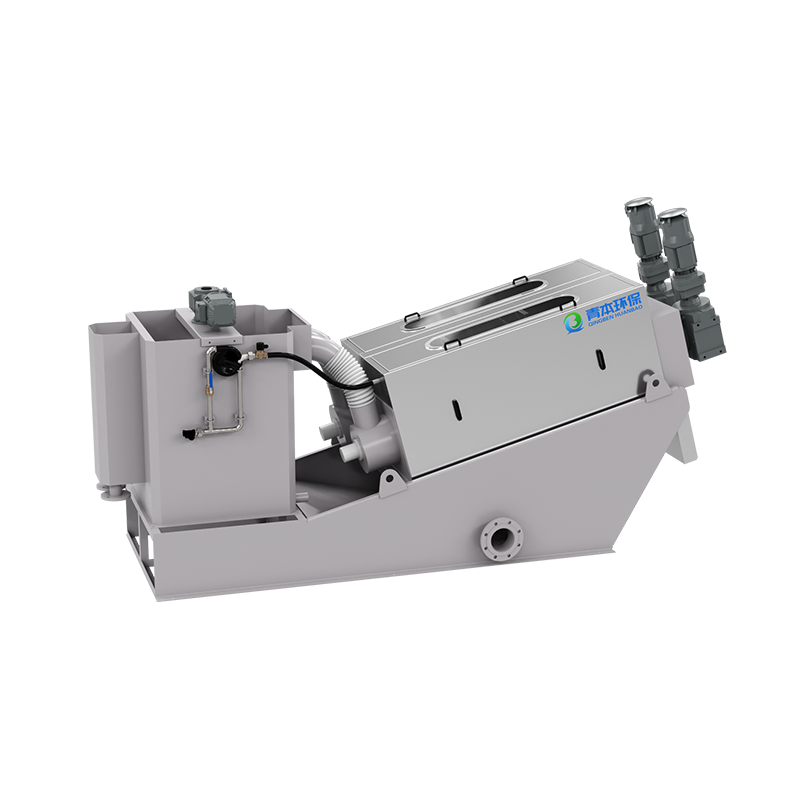
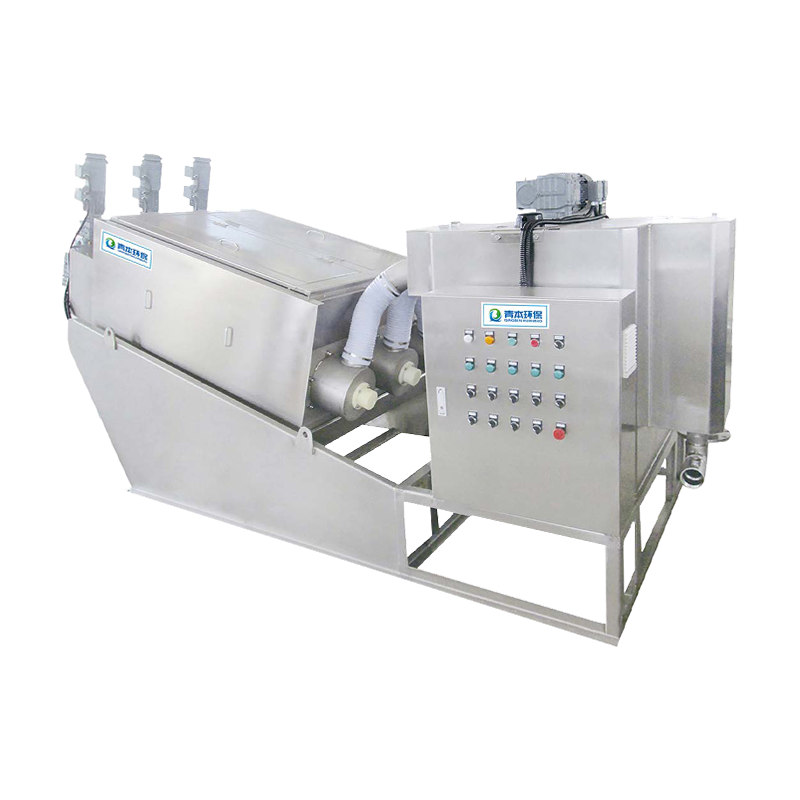
 Screw Press Sludge Dewatering MachineThe spiral-type sewage mixer dewatering machine can not only treat high-concentration sludge but also concentrate and dewater low-concentration sewage. The applicable ...View Product →
For viscous or oily material, a variable-pitch screw press is usually the entry point. Pressure builds gradually along the screw, so the sludge is squeezed rather than sheared, and the unit tolerates feed solids that would blind a cloth-based machine. Where the incoming sludge is thin, a pre-concentration unit placed ahead of the press keeps the throughput steady and reduces the volume that the press has to handle.
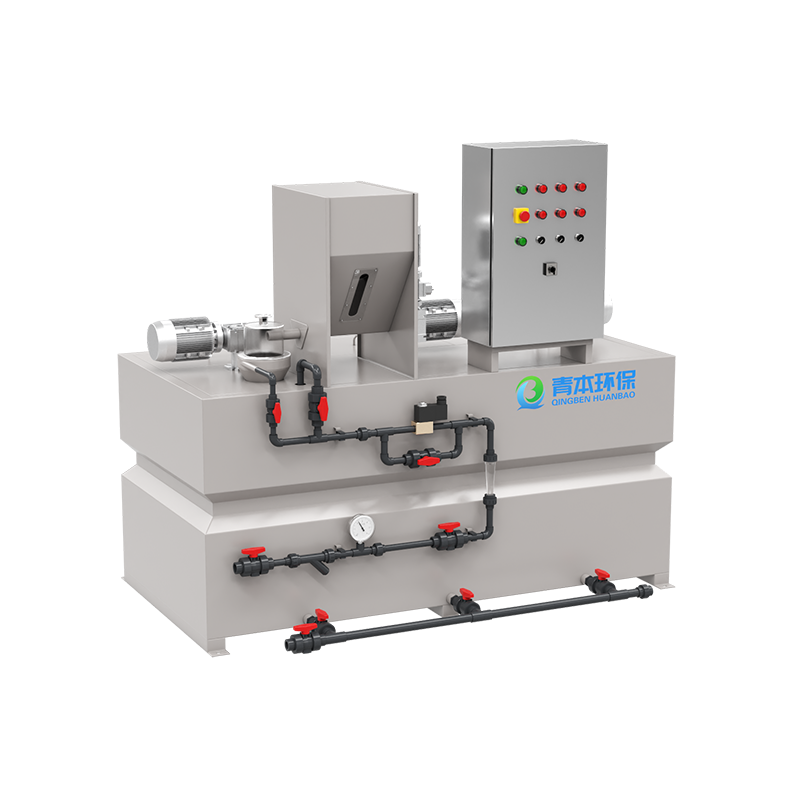
Whichever press is chosen, the conditioning step in front of it deserves equal care. Polymer preparation that is inconsistent by even a few percent changes cake dryness, polymer consumption and the load on the dryer downstream.
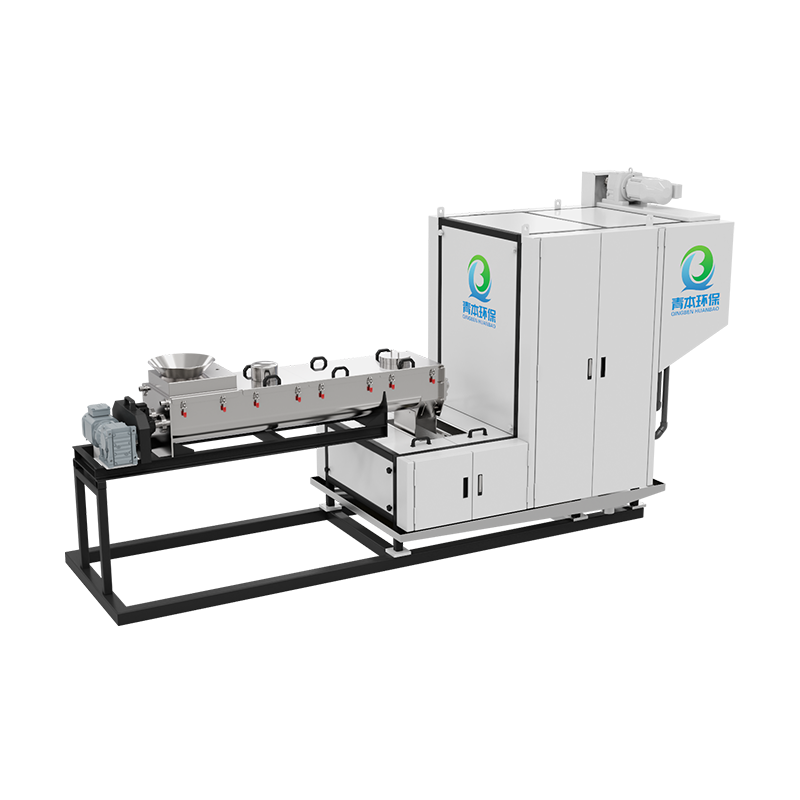
 Integrated Dosing DeviceScrew Press Sludge Dewatering MachineView Product →
An integrated dosing device that prepares and meters polymer automatically removes much of that variability, and it is usually the cheapest performance upgrade available on an existing dewatering line.
Sector by Sector: Where the Pressure Comes From
- Oil and gas - oily sludge and tank bottoms, usually routed to thermal treatment or co-processing.
- Mining - tailings and filter cake, where heavy metal content decides whether the material is a by-product or a waste.
- Food and beverage - high organic content and good calorific value once dried, but strongly seasonal volumes.
- Pharmaceutical and fine chemicals - residues frequently classified as hazardous, with kiln co-processing as the usual route.
- Metal finishing - low volume but high metal content, making material recovery realistic after drying.
- Municipal wastewater - the largest volumes and the most mature recycling routes.
On most industrial sites the sludge line is one stream inside a wider industrial wastewater treatment system. Screening, grit removal and thickening upstream set the quality of everything that reaches the press, so improvements at the front of the plant often show up as better cake dryness at the back.
Energy Demand: The Case for Low-Temperature Drying
If the target is a kiln-ready product, drying is unavoidable, and the drying method dominates the operating cost.
Indicative energy demand per tonne of water evaporated (kWh)
Low-temperature drying runs a heat pump loop with process air typically between 40 and 75 degrees Celsius, recovering most of the latent heat from the evaporated water. High-temperature thermal drying is faster and needs less floor space, but it consumes several times more energy per tonne of water removed and produces a larger, hotter exhaust stream that requires odour and dust control.
Where a site already has surplus low-grade heat - hot water from biogas engines, compressors or process cooling - a waste-heat dryer reduces the drying energy further, because the heat pump compressor is no longer the primary heat source.
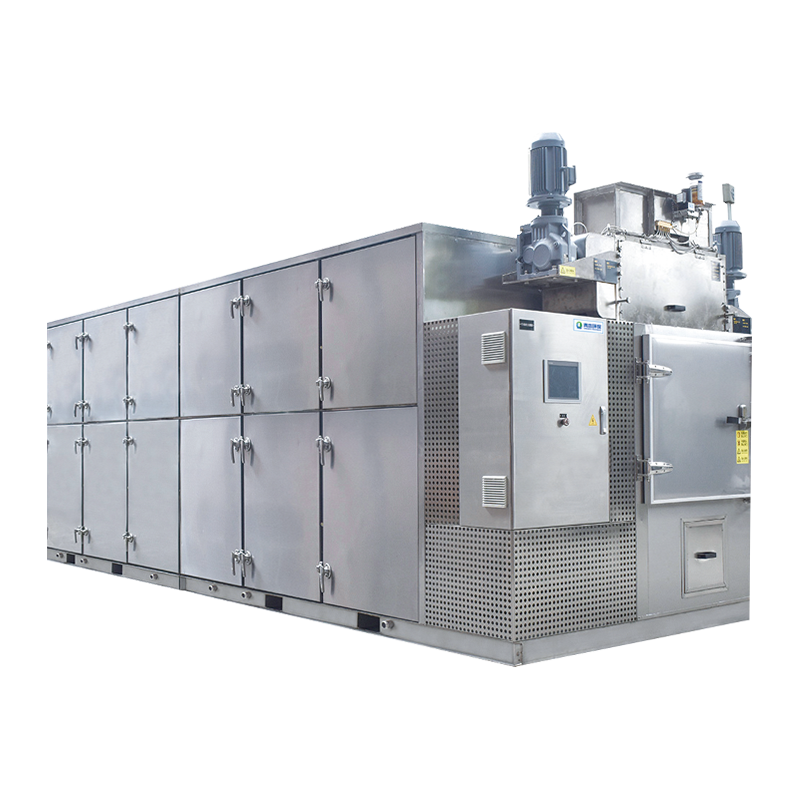 Low Temperature Belt Type Sludge Drying MachineScrew Press Sludge Dewatering MachineView Product →
Whichever dryer is selected, it should be sized on the wet-weather peak rather than the annual average. Drying lines cannot be pushed far beyond their design evaporation rate without risking condensate carry-over, fouling on the heat exchanger and unplanned stoppages during exactly the period when storage is already full.
The Recycling Chain, Stage by Stage
Typical industrial sludge recycling chain
Each stage exists to protect the next one. Grit that passes the screen damages screw flights and pump impellers. Sludge that is over-thickened becomes too dry to pump and blinds the press. Cake that is too wet overloads the dryer and produces condensate with a high organic load. When a recycling line underperforms, the cause is usually two stages upstream of where the complaint is logged.
Procurement Risks to Resolve Before Signing
- A performance guarantee with numbers attached. "High dryness" is not a specification. Ask for guaranteed cake dry solids at a stated feed concentration, a stated polymer dose and a stated throughput.
- Testing on real sludge. Bench tests should use fresh material from the actual plant, and a pilot run of several days shows how the machine behaves when upstream processes fluctuate.
- Turndown capability. Few industrial plants run at design flow all year. Confirm the minimum stable throughput and how the machine is controlled below it.
- Corrosion and wear allowances. Chlorides, hydrogen sulphide and grit shorten the life of standard steel components. Specify materials for the parts that actually touch the sludge.
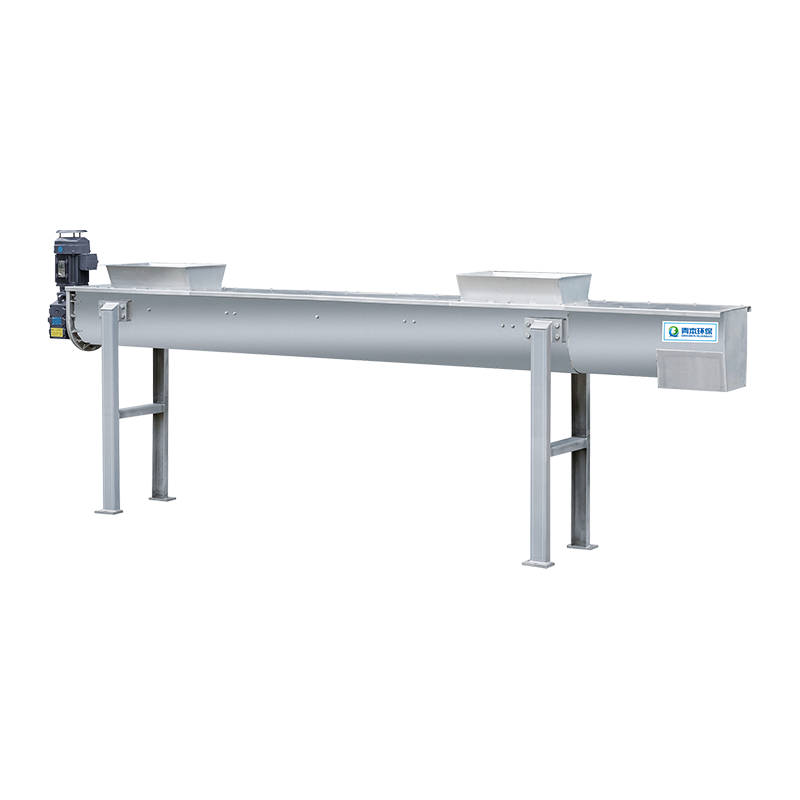
- Downstream capacity matching. Conveyors, hoppers and dryers must be sized for peak cake output, including the reduced density of dried material.
- Utilities and headroom. Drying lines need vertical space, electrical capacity and ventilation routes that existing buildings frequently do not provide.
- Off-take confirmation in writing. Verify that the cement plant, brickworks or incineration facility accepts the material at the moisture and contaminant levels the line will actually produce.
- Spare parts and service response. Wear parts on a press or dryer are consumables. Get lead times and response commitments into the contract, not into a verbal promise.
Industrial sludge recycling succeeds or fails at the dewatering and drying stages. Confirm the off-take specification, measure the real sludge rather than a sample from a clean day, size the equipment on peak conditions, and hold the supplier to a numbered performance guarantee. Polymer choice, dryer type and conveyor layout all follow from those four decisions.
Reviewing sludge treatment project references from comparable industries is a fast way to see which equipment combinations have already been proven on sludge similar to your own.
Frequently Asked Questions
Q1. What is industrial sludge recycling?
It means recovering material or energy value from industrial sludge instead of sending it to landfill - for example as kiln fuel, brick or cement feedstock, or as stabilised material for land reclamation.
Q2. What dry solids content is needed before sludge can be recycled?
It depends on the route: roughly 20-40% for land use, 30-60% for energy recovery, and 60-90% for cement kiln or material recovery applications.
Q3. Can industrial sludge be used as fuel?
Yes, once it is dewatered and dried. Dried organic sludge has a usable calorific value and is commonly co-processed in cement kilns, though chlorine and sulphur levels must be checked first.
Q4. What is the difference between sludge dewatering and sludge drying?
Dewatering removes free water mechanically and typically reaches 20-45% dry solids. Drying removes bound water thermally and can reach 60-90% dry solids.
Q5. Which dewatering machine works best for oily sludge?
Screw press and pre-concentration designs generally outperform belt filter presses on oily, high-viscosity sludge, because they rely on compression rather than gravity drainage through cloth.
Q6. Is dried industrial sludge still hazardous waste?
Drying changes the moisture content, not the classification. Hazardous or non-hazardous status is set by the source process and by leaching tests, and it applies to the dried product as well.