

Product Introduction
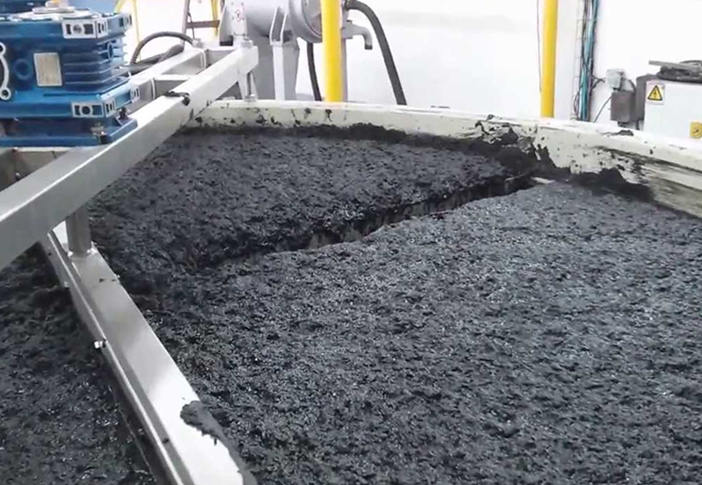
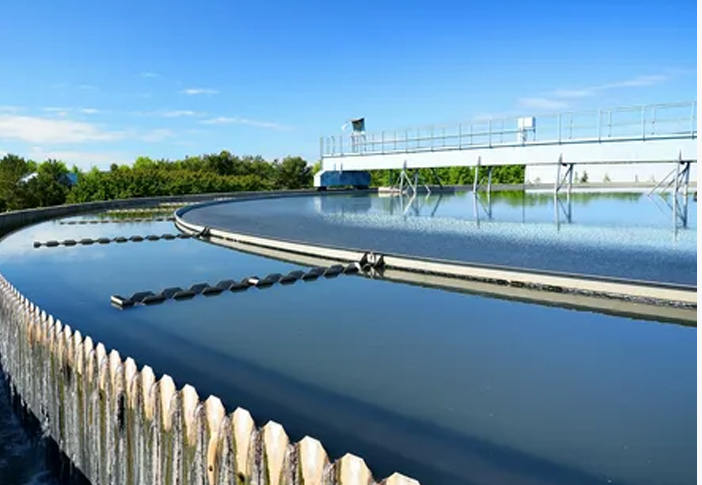
Waste activated sludge (WAS) is the surplus biological sludge removed from the secondary sedimentation tank of an activated sludge process. It is typically very dilute, around 0.8% to 1.5% solids, so a plant handling 100 m3 per day is mostly moving water. Treatment aims to concentrate, dewater and, where needed, dry the sludge to cut storage, hauling and disposal cost.
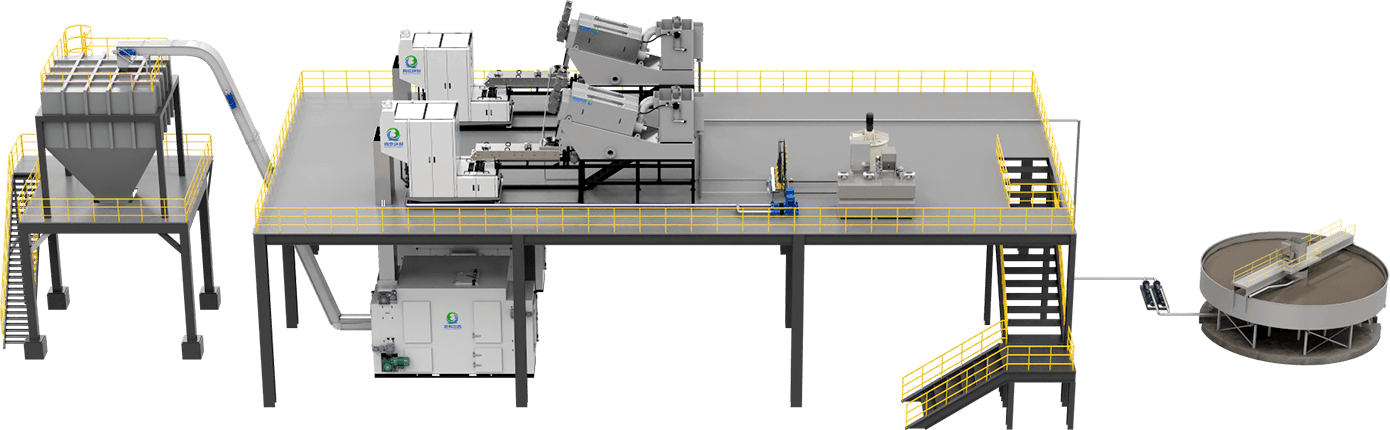
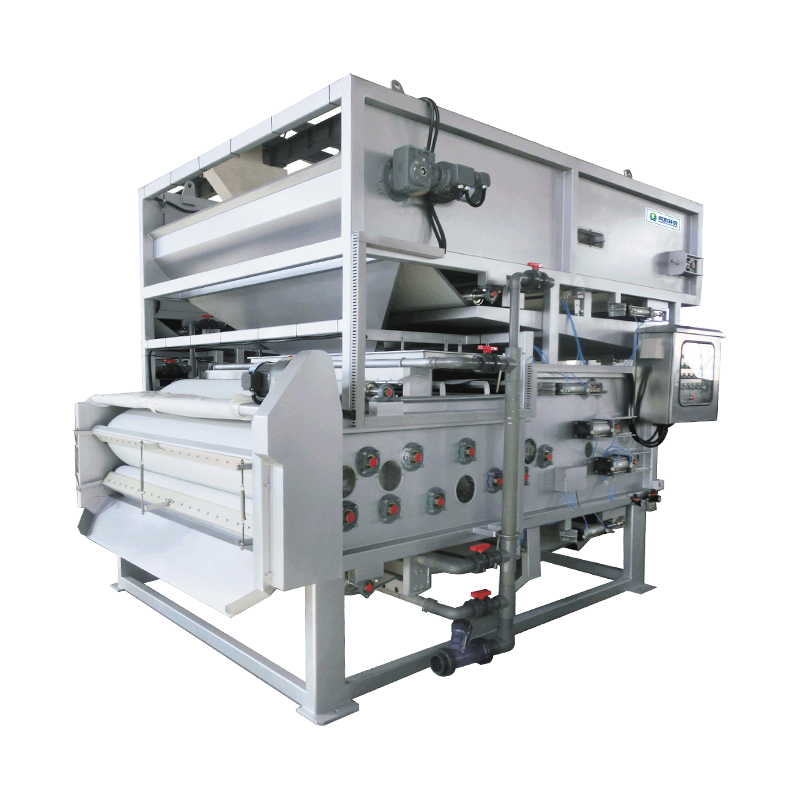
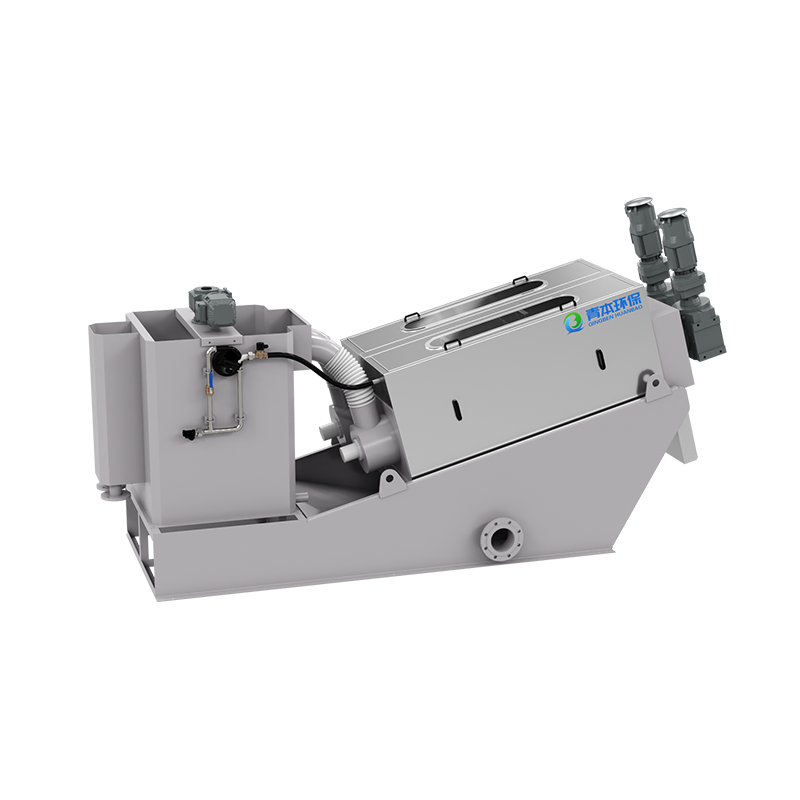
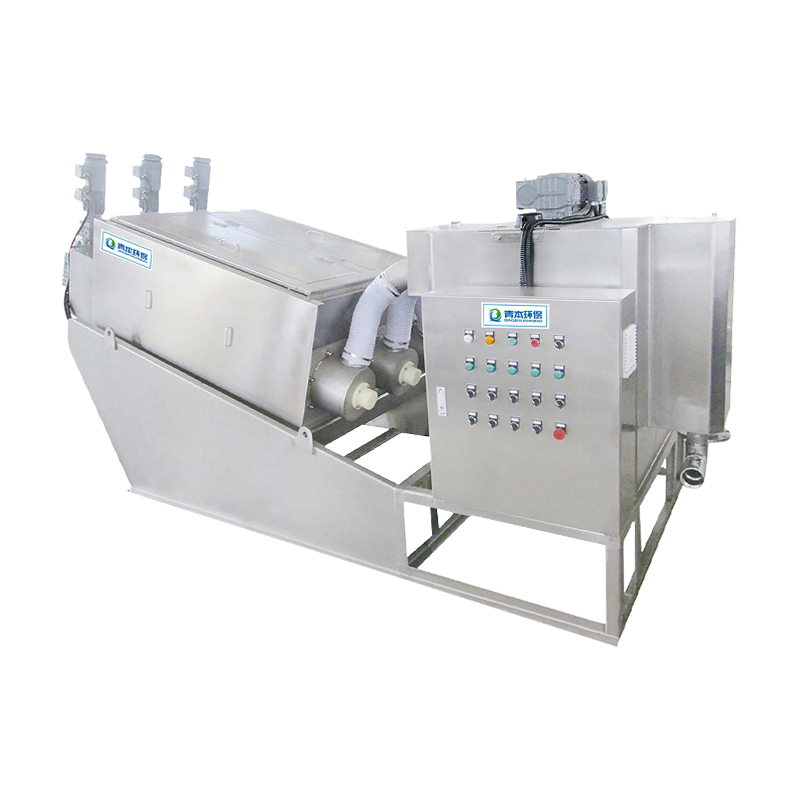
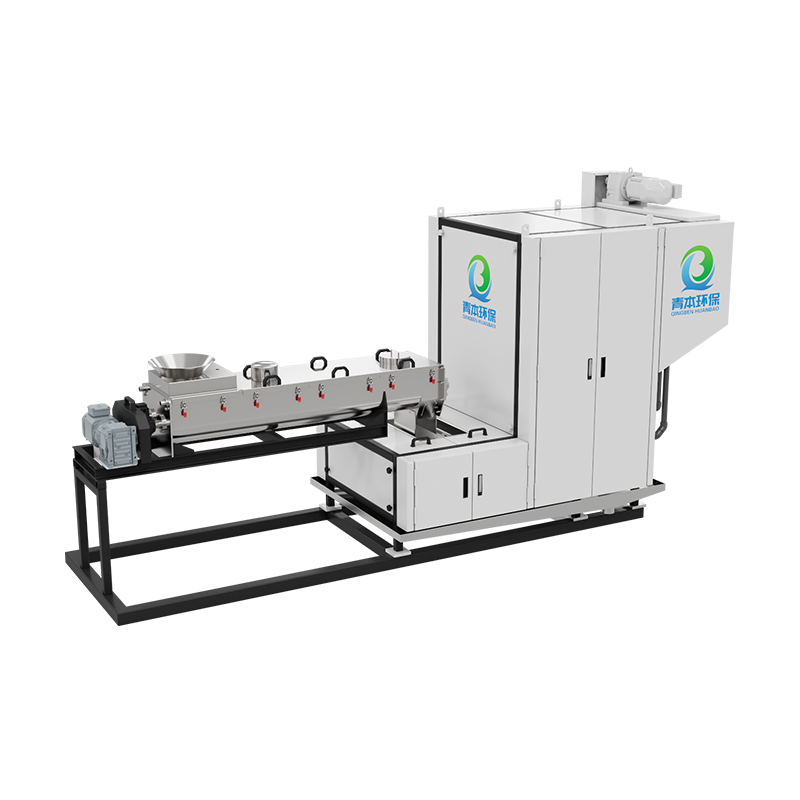
Qingben Environmental Technology (Jiangsu) Co., Ltd. is a sludge treatment equipment manufacturer and supplier in Yangzhou, China. For WAS, our equipment covers pre-concentration (QBDL-N), combined thickening and dewatering (QBDL-Y and the QBDNT belt filter press, rated at 0.8% to 1.5% SS), polymer dosing, screw conveying and low-temperature drying.
Long holding times in open tanks release phosphorus and generate odor, so mechanical pre-concentration directly from the secondary sedimentation tank is often preferred. The published QBDL-N description says no separate concentration tank is required.
Buyers include municipal wastewater plants, A/O and SBR operators, EPC contractors and distributors. Configurations are matched to the plant. MOQ, lead time, OEM/ODM and samples: please contact us for details.
Sludge Type
Surplus activated sludge from secondary sedimentation tanks.
Typical Feed
About 0.8% to 1.5% solids.
Thickening
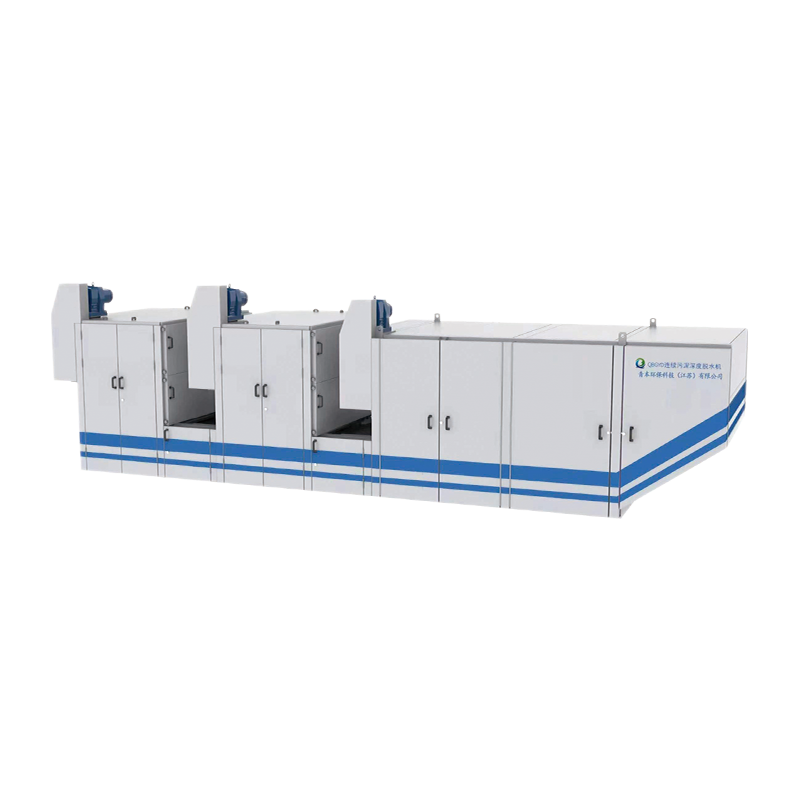
QBDL-N pre-concentration screw press.
Thickening and Dewatering
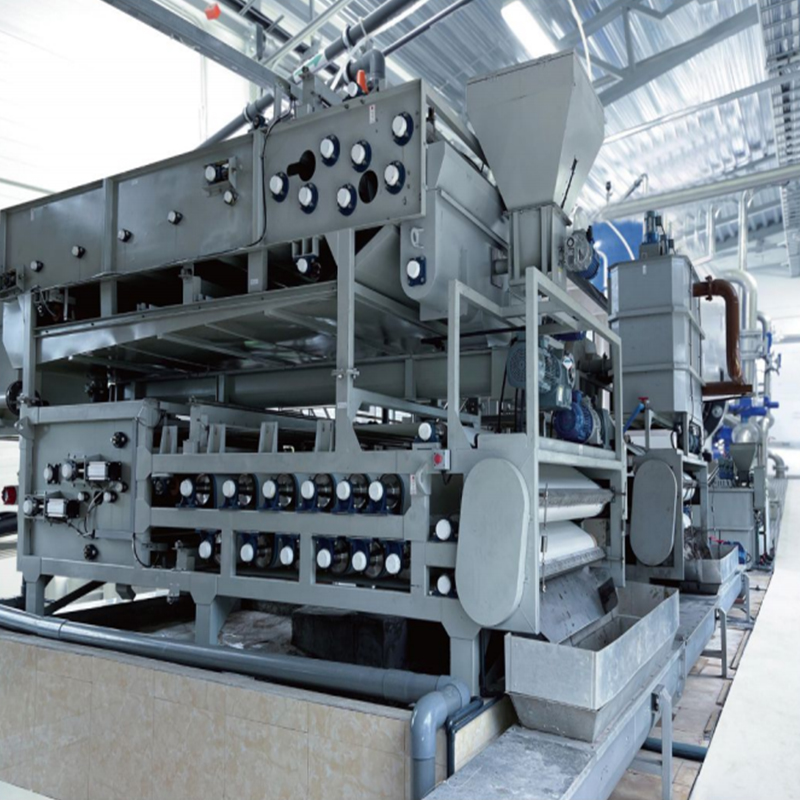
QBDL-Y and QBDNT belt filter press.
QBDNT Cake Moisture
75% to 85%.
Drying
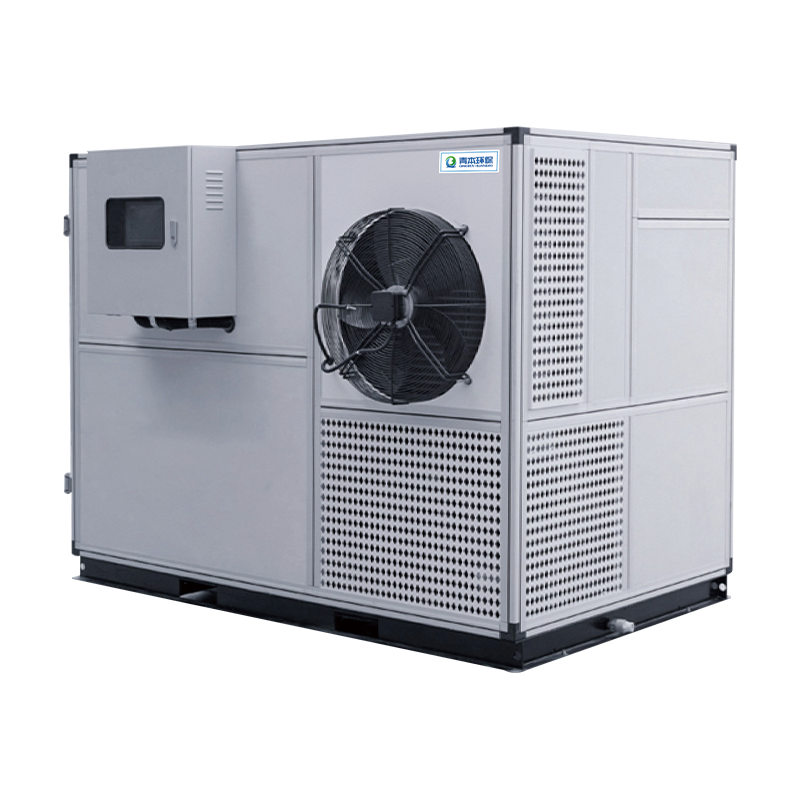
Low-temperature dryers, 83% to 10% to 30% moisture.
Conditioning
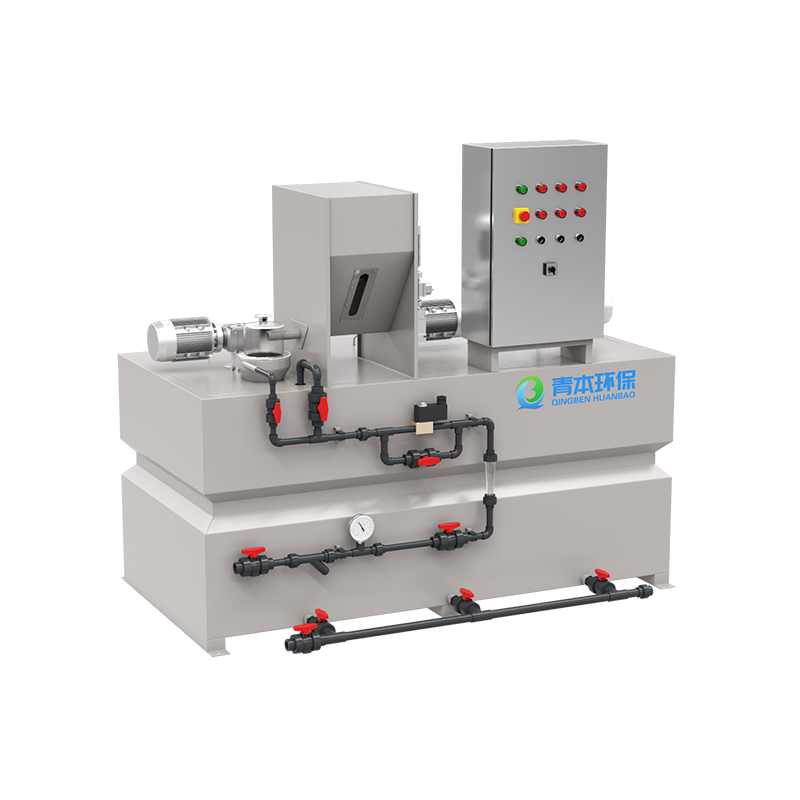
QBYTH automatic and QBJY manual dosing devices.
Handling
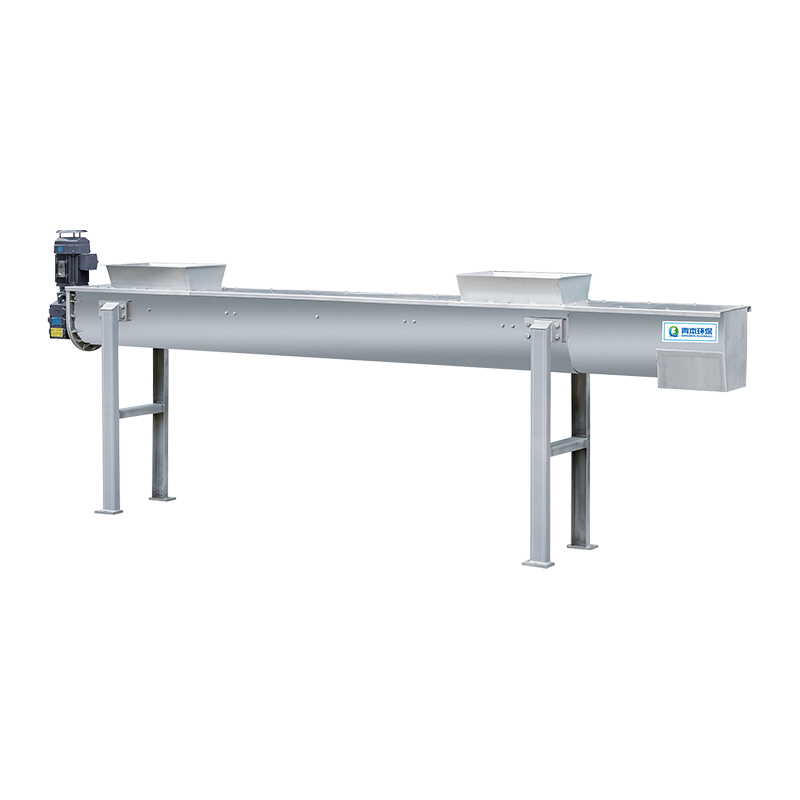
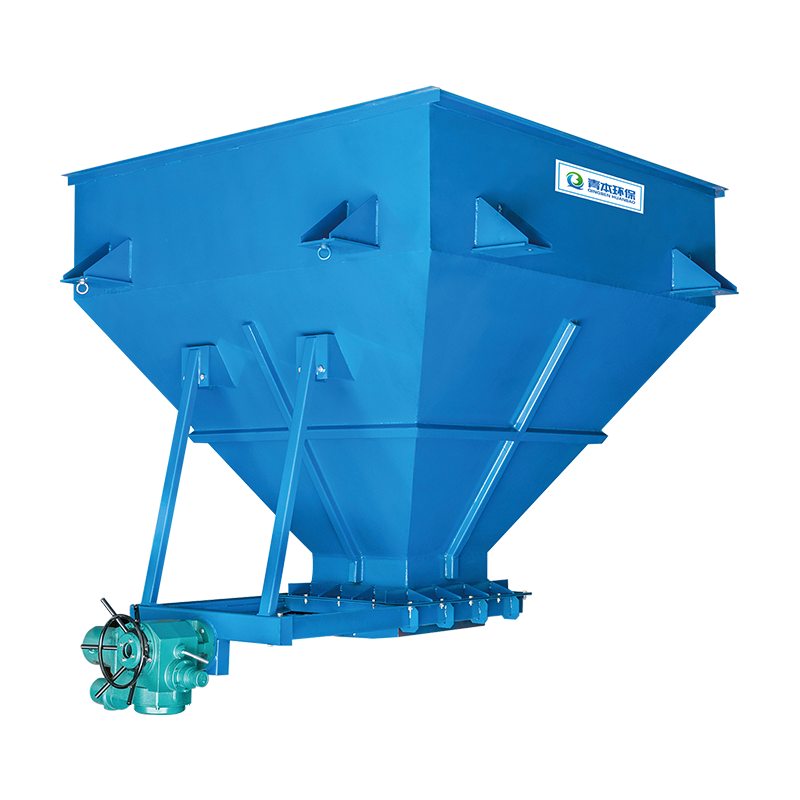
QBWLS screw conveyor and sludge hopper.
Customization
Matched to plant flow and disposal route.
MOQ and Lead Time
Please contact us for details.
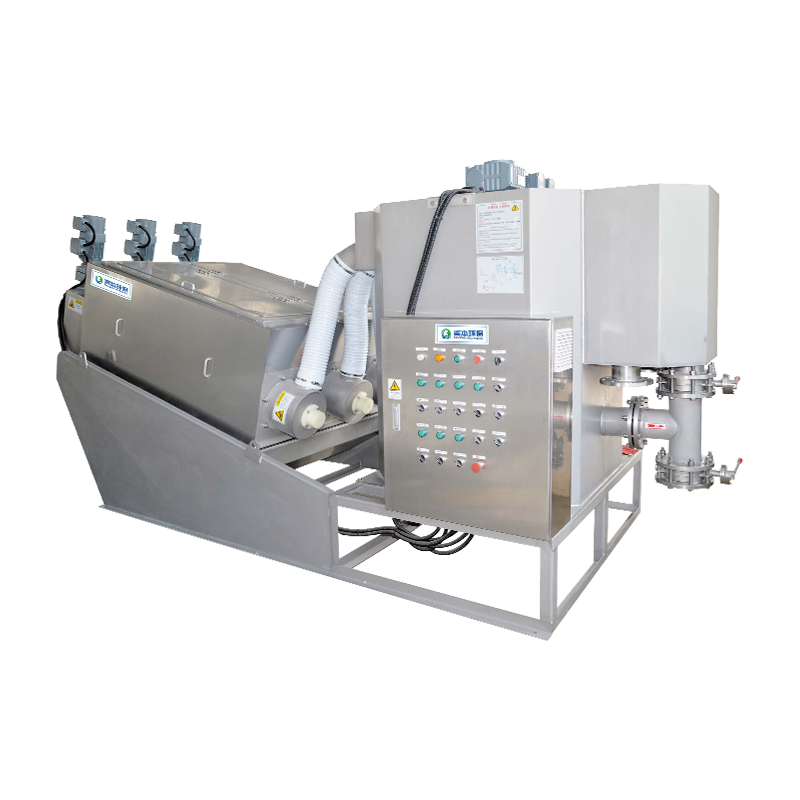
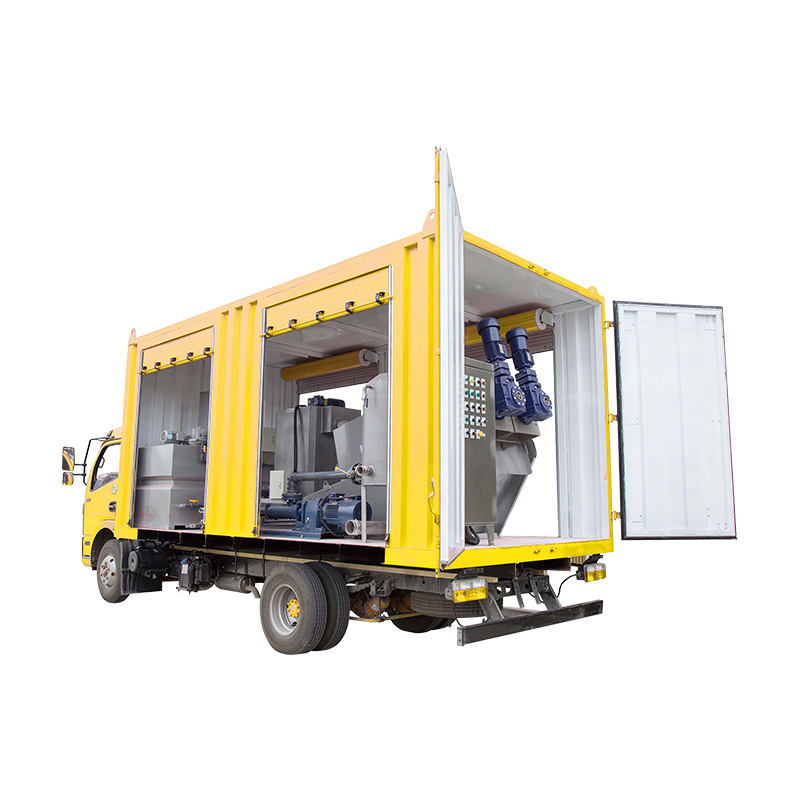
Specifications & Customization
WAS Treatment Equipment
| Equipment | Role | Published Data |
| QBDL-N pre-concentration | Thickening | 70 to 1,200 kg DS/h across models |
| QBDL-Y conch-screw press | Thickening and dewatering | Models QBDL-Y301 to Y404 |
| QBDNT belt filter press | Thickening and dewatering | 0.8% to 1.5% SS feed; 75% to 85% cake moisture |
| QBYTH dosing device | PAM dosing | 500 to 4,000 L/h |
| QBWLS screw conveyor | Cake conveying | QBWLS-260 to 420 |
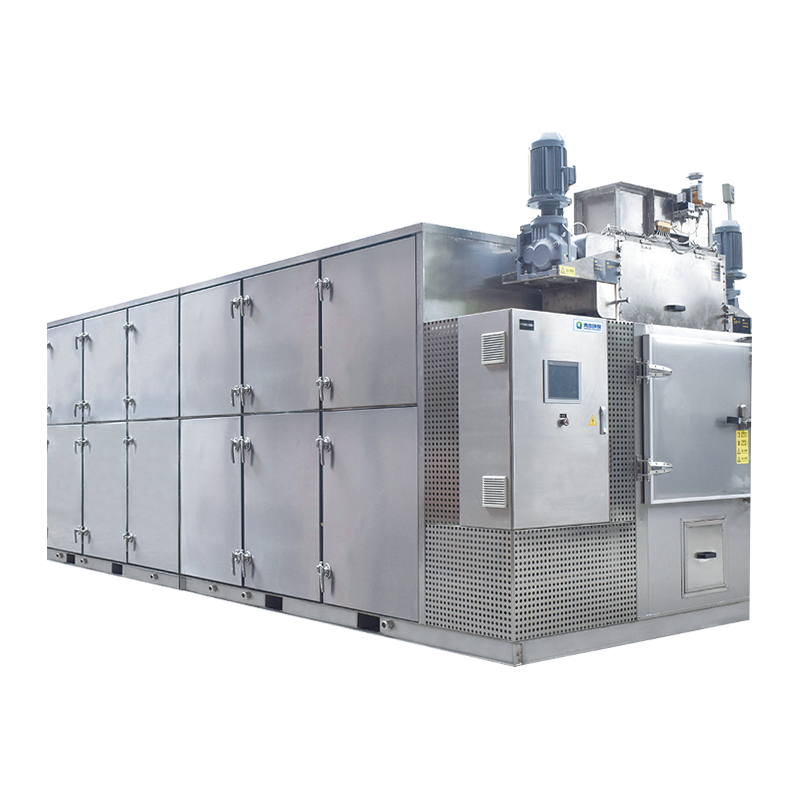
| Low-temperature dryers | Drying | 83% to 10% to 30% moisture; above 90% volume reduction |
QBDNT Belt Filter Press
| Model | Belt Width (mm) | Hydraulic Capacity (m3/h) | Dry Solids (kg/h) |
| QBDNT1.0 | 1,000 | 6 to 12 | 90 to 160 |
| QBDNT1.5 | 1,500 | 10 to 18 | Please contact us |
| QBDNT2.0 | 2,000 | 15 to 25 | 210 to 300 |
Hydraulic capacity depends on sludge type. Ratings are as published; confirm for your sludge.
Customization Options
Model SizeMatched to WAS flow and feed solids.
DosingIntegrated or manual.
ConveyingLength and angle customizable.
Drying OptionPlatform selected for site utilities.
Control InterfaceLocal or remote control.
OEM/ODM and BrandingPlease contact us for details.
Applications & Target Customers
Application Scenarios
| Industry / Application | Typical Use | Relevant Product Features |
| Municipal wastewater plants | Treating surplus activated sludge from secondary tanks | Thicken and dewater without a separate tank |
| A/O and SBR plants | Handling surplus sludge not yet thickened | QBDNT combined belt press |
| Food and beverage wastewater | Treating biological sludge from process wastewater | Pre-concentration plus screw press |
| Livestock wastewater | Dewatering biological sludge | Belt press for larger flows |
| Plants with costly disposal | Reducing WAS volume further | Low-temperature drying |
Target Customers
Municipal Plant Owners
Need stable WAS handling with lower cost.
Industrial Wastewater Operators
Need compact biological sludge treatment.
EPC Contractors
Need clear equipment data.
Distributors
Need a defined range for WAS projects.
Suitable and Unsuitable Uses
Suitable Uses
Dilute surplus sludge from secondary sedimentation tanks
Plants lacking space for a concentration tank
A/O and SBR surplus sludge
Sites wanting odor-controlled treatment
Unsuitable Uses or Applications Requiring Additional Evaluation
Primary or chemical sludge with very different properties: check first
Feed outside the rated range
No polymer dosing capability
Unknown WAS quality: sampling advised
Selection Guidance
Application Requirements: WAS flow and target.
Technical Specifications: Feed range and capacity.
Working Environment: Space and odor.
Material Compatibility: Materials for sludge.
Installation Conditions: Utilities and access.
Budget and Order Quantity: Please contact us for details.
Usage Notes
- Product inspection: Check delivered components.
- Installation: Confirm foundations and utilities.
- Operating environment: Check power and wash water.
- Daily maintenance: Wash belts or screws as per manual.
- Polymer: Keep mix concentration consistent.
- Storage: Please contact us for storage requirements.
Advantages
No Separate Thickening Tank
QBDL-N works directly on secondary sedimentation tank sludge.
Verifiable basis: Published QBDL-N description.
Buyer benefit: Less civil work and odor from tank holding.
Rated for WAS Feed
QBDNT is rated at 0.8% to 1.5% SS.
Verifiable basis: QBDNT data sheet.
Buyer benefit: Fits typical surplus sludge.
Combined Machines
QBDL-Y and QBDNT combine thickening and dewatering.
Verifiable basis: Published product pages.
Buyer benefit: Fewer machines.
Drying Option
Dewatered WAS can be dried to 10% to 30% moisture.
Verifiable basis: Published dryer specification.
Buyer benefit: Over 90% volume reduction.
Dosing Support
Automatic and manual PAM dosing devices.
Verifiable basis: QBYTH and QBJY data.
Buyer benefit: Steady conditioning.
Project Support
Installation, commissioning and training are offered.
Verifiable basis: Company information.
Buyer benefit: Smooth handover.
Frequently Asked Questions
- Q: What is waste activated sludge?
- A: It is surplus biological sludge removed from the secondary sedimentation tank of an activated sludge process, typically around 0.8% to 1.5% solids.
- Q: Which machine suits WAS?
- A: QBDL-N for thickening only; QBDL-Y or QBDNT where thickening and dewatering are needed in one unit.
- Q: Do I need a thickening tank?
- A: Not for the QBDL-N, which works directly on secondary sedimentation tank sludge.
- Q: What cake moisture does the QBDNT give?
- A: Published rating is 75% to 85% moisture.
- Q: Can WAS be dried?
- A: Yes. Dewatered sludge can be dried to 10% to 30% moisture.
- Q: Why avoid long holding times?
- A: Long holding in open tanks releases phosphorus and creates odor.
- Q: Do you offer custom or OEM/ODM supply?
- A: Please contact us for details.
- Q: What are MOQ, sample policy and lead time?
- A: These depend on configuration. Please contact us.
Contact Us to Learn More
Send us your WAS source, solids content, daily volume and disposal route. Our team can recommend a treatment line and prepare a quotation.
WAS treatment equipment selection, specifications, MOQ, delivery and technical support.
View More ProductsSend an Inquiry