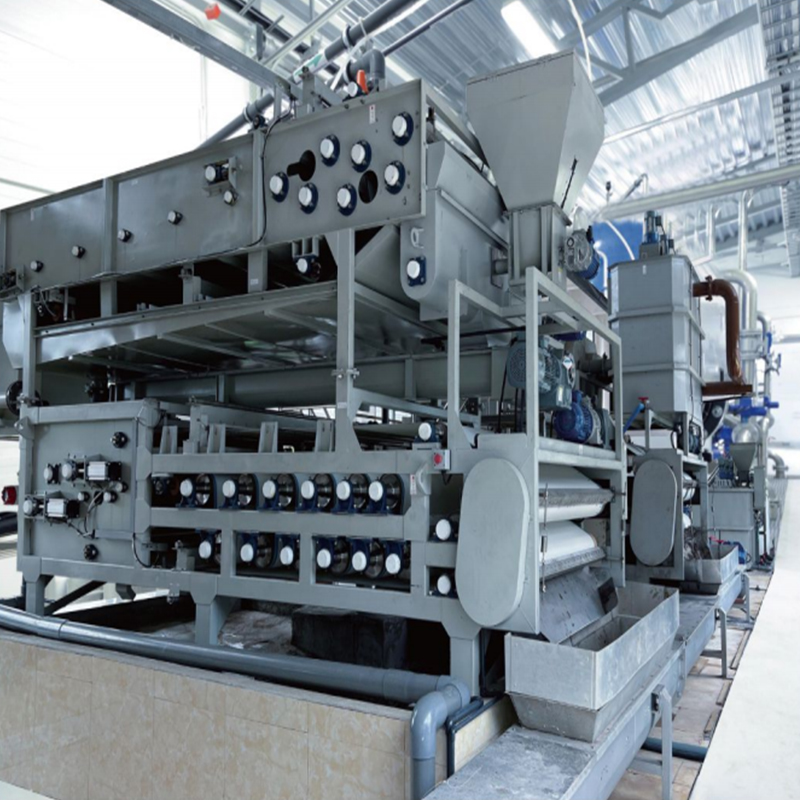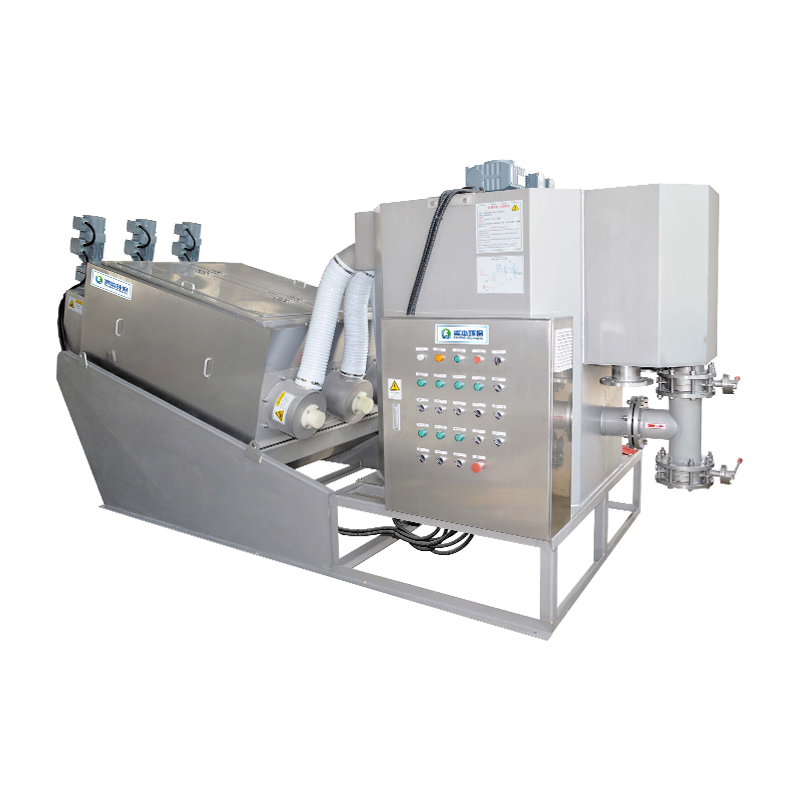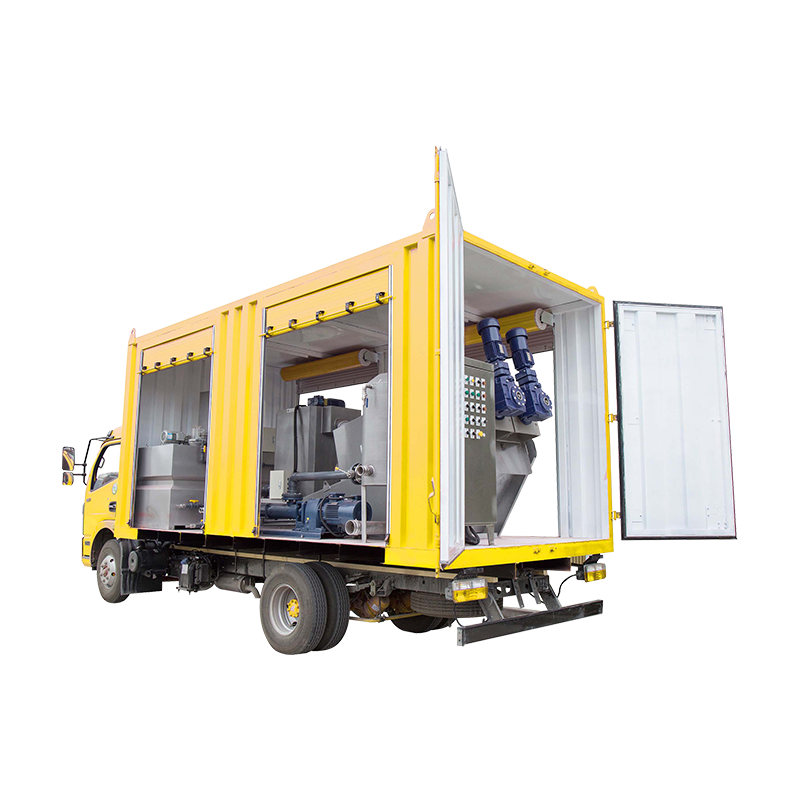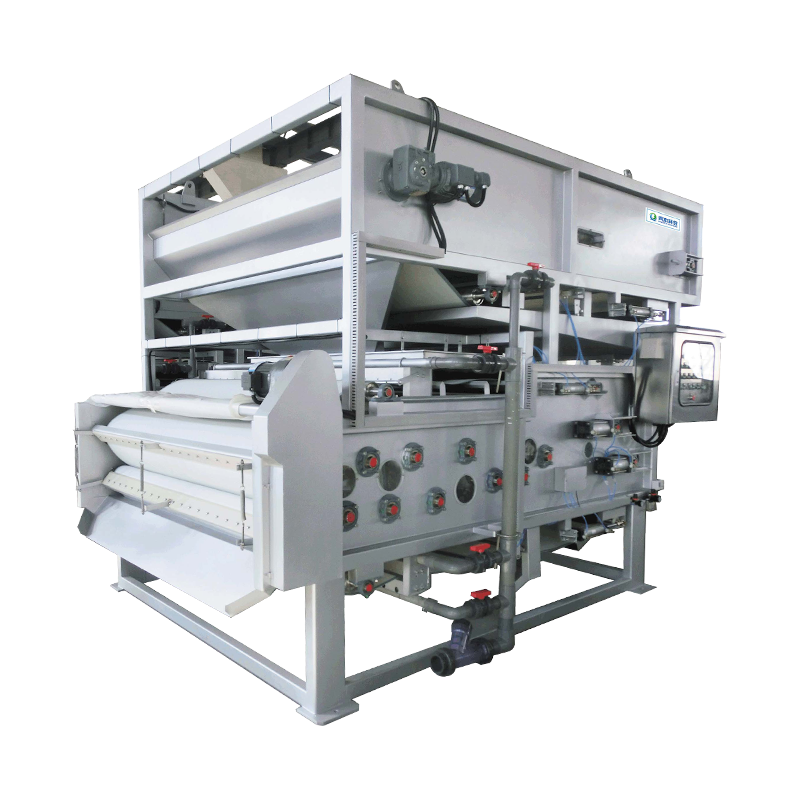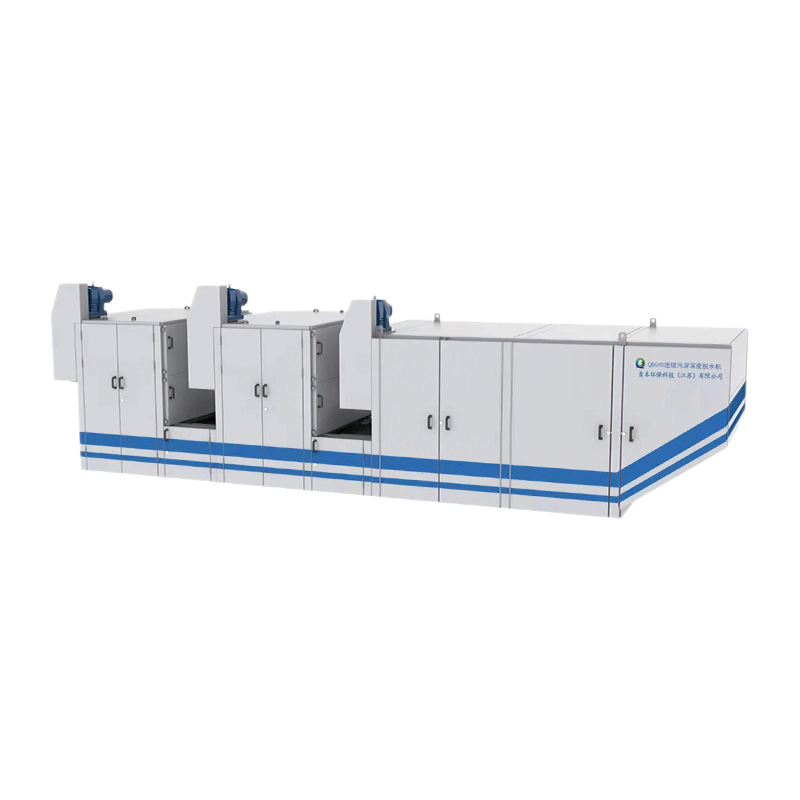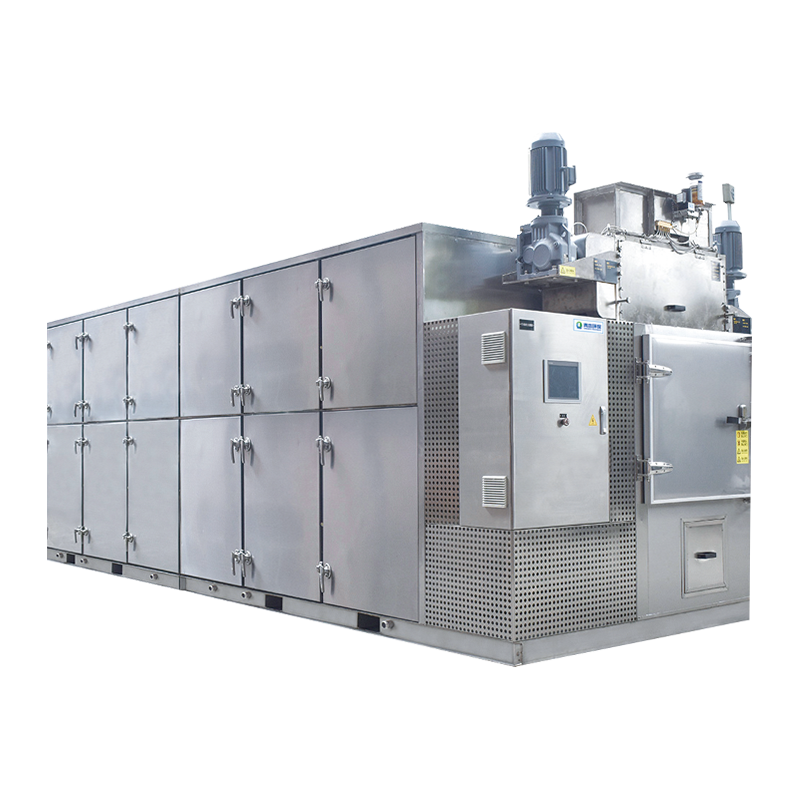


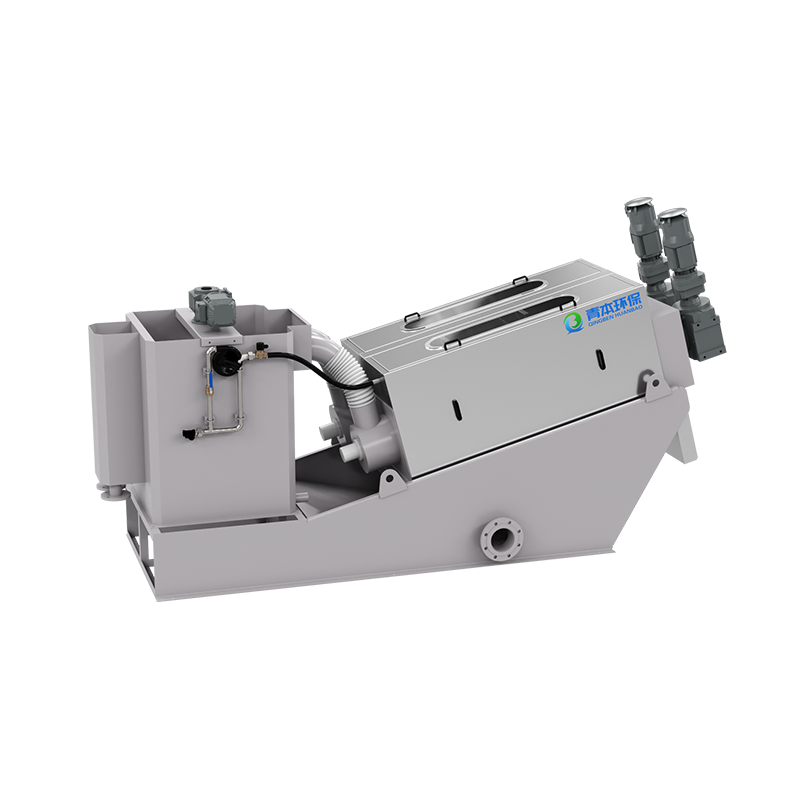
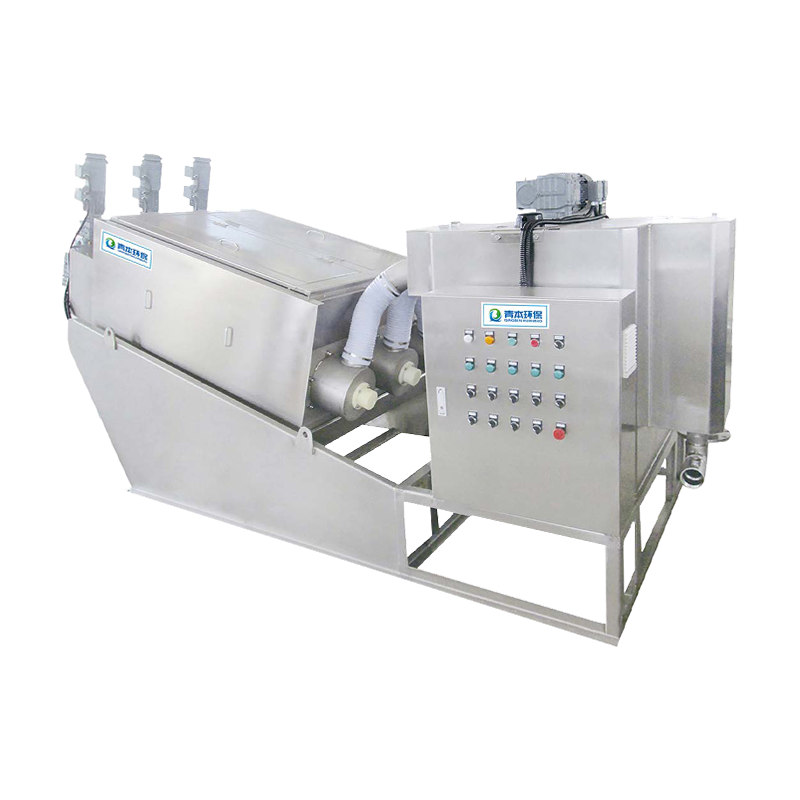
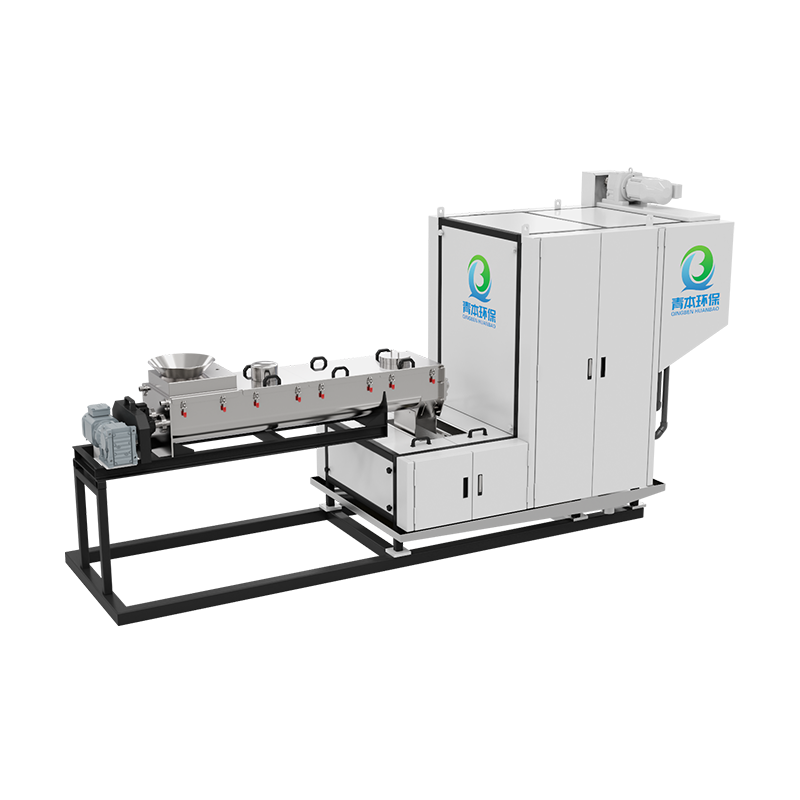
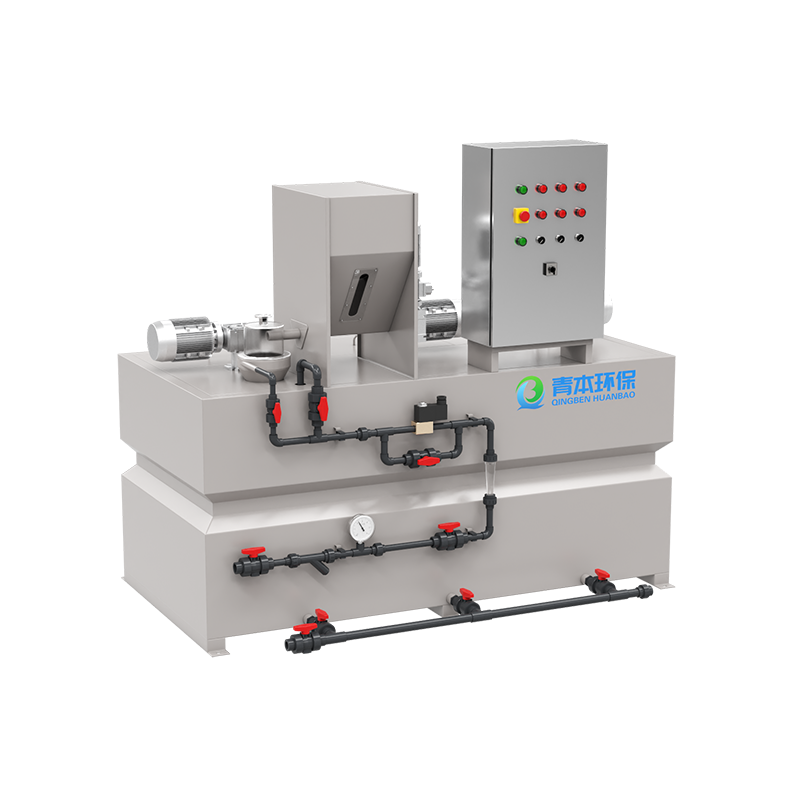
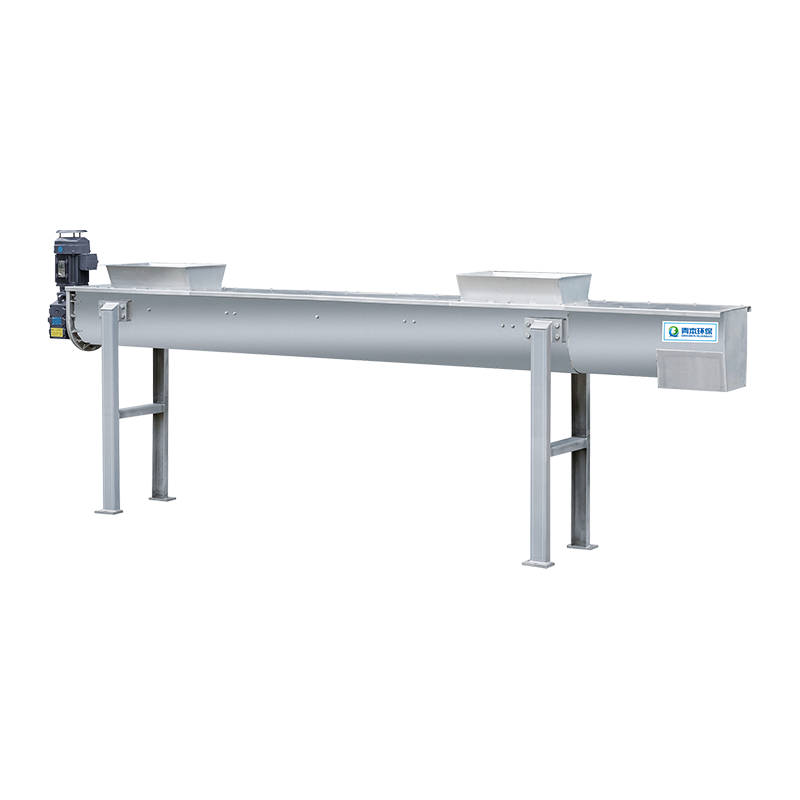
A belt filter press is widely used in wastewater treatment and industrial sludge processing. It provides continuous solid-liquid separation, reduces sludge volume, and lowers disposal costs. With high efficiency and stable performance, the belt filter press has become an essential piece of equipment for modern environmental management.
Content
What Is a Belt Filter Press?
Short Answer: A belt filter press is a mechanical dewatering system that separates water from sludge using gravity and pressure.
The belt filter press works by feeding conditioned sludge onto moving filter belts. Free water drains by gravity first, then pressure zones gradually squeeze out additional moisture. This process produces a drier sludge cake and clearer filtrate, improving overall treatment efficiency.
Why Is a Belt Filter Press Important for Wastewater Treatment?
Short Answer: It reduces sludge volume, lowers transportation costs, and improves environmental compliance.
Sludge management is one of the most expensive parts of wastewater treatment. By removing excess water, a belt filter press significantly decreases sludge weight and volume. This results in lower disposal fees and easier handling, while meeting environmental regulations.
- Continuous and stable operation
- Low energy consumption
- High dewatering efficiency
- Reduced sludge disposal costs
How Does a Belt Filter Press Work?
Short Answer: It uses gravity drainage and mechanical pressure to separate water from solids.
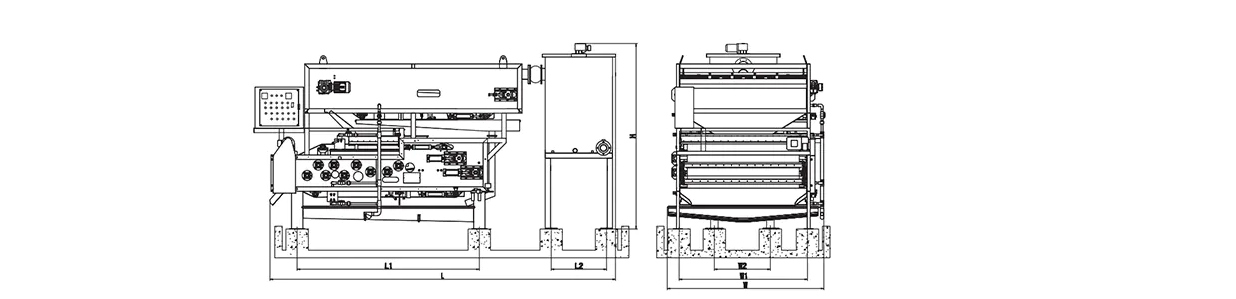
The dewatering process includes three main stages: gravity drainage, wedge zone compression, and high-pressure squeezing. During gravity drainage, free water flows out naturally. In the compression zones, increasing pressure forces additional moisture out of the sludge. This step-by-step process ensures efficient water removal without damaging the filter belts.
What Factors Affect Belt Filter Press Performance?
Short Answer: Sludge characteristics, chemical conditioning, belt tension, and operating speed play key roles.
Different sludge types respond differently to dewatering. Proper polymer dosing improves floc formation and water release. Adjusting belt speed and pressure settings can further optimize performance and extend equipment service life.
The table below shows typical operating parameters and their impact:
| Parameter | Adjustment Method | Performance Impact |
| Belt Speed | Increase or decrease rotation | Controls moisture content |
| Polymer Dosage | Optimize chemical feed | Improves floc formation |
| Pressure Setting | Adjust roller tension | Enhances dewatering efficiency |
FAQ: Belt Filter Press
Q1: What industries use belt filter presses?
Answer: They are commonly used in municipal wastewater treatment, food processing, chemical plants, and mining operations.
Answer: They are commonly used in municipal wastewater treatment, food processing, chemical plants, and mining operations.
Q2: How often should filter belts be replaced?
Answer: Replacement depends on usage and maintenance, but typically ranges from 6 to 18 months.
Answer: Replacement depends on usage and maintenance, but typically ranges from 6 to 18 months.
Q3: Is a belt filter press energy efficient?
Answer: Yes, it consumes less energy compared to many other mechanical dewatering systems.
Answer: Yes, it consumes less energy compared to many other mechanical dewatering systems.
Q4: How can maintenance improve performance?
Answer: Regular cleaning, belt alignment checks, and timely part replacement help maintain stable operation.
Answer: Regular cleaning, belt alignment checks, and timely part replacement help maintain stable operation.
A belt filter press is a cost-effective and reliable solution for sludge dewatering, helping industries improve efficiency, reduce waste volume, and achieve environmental compliance.