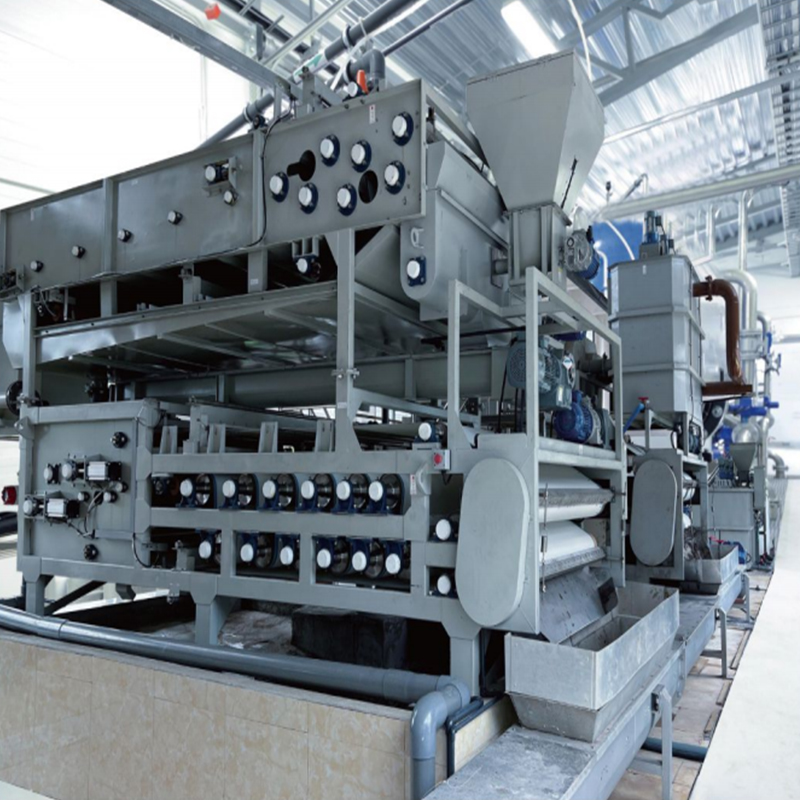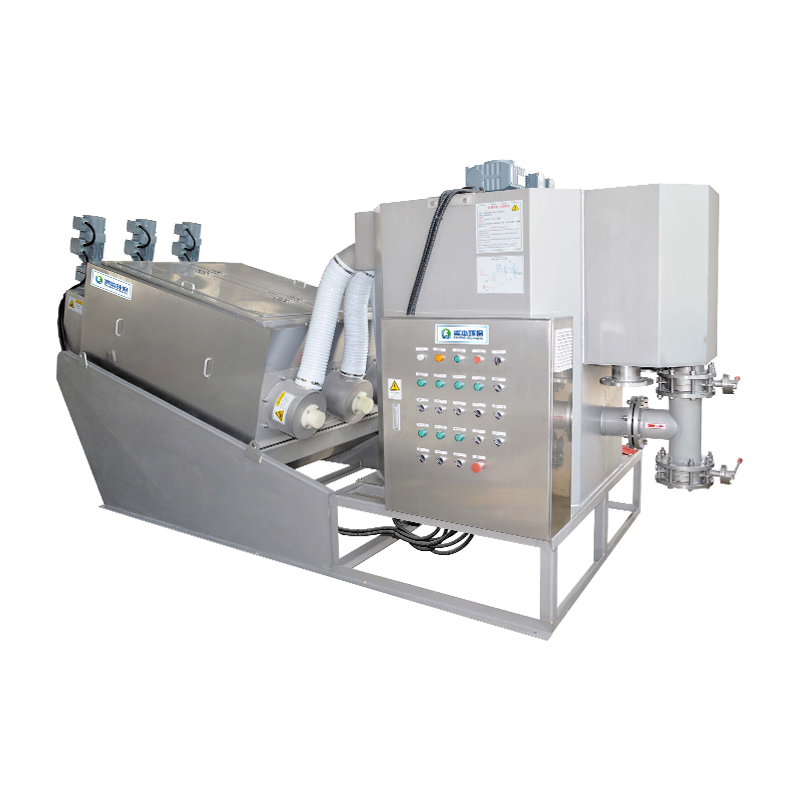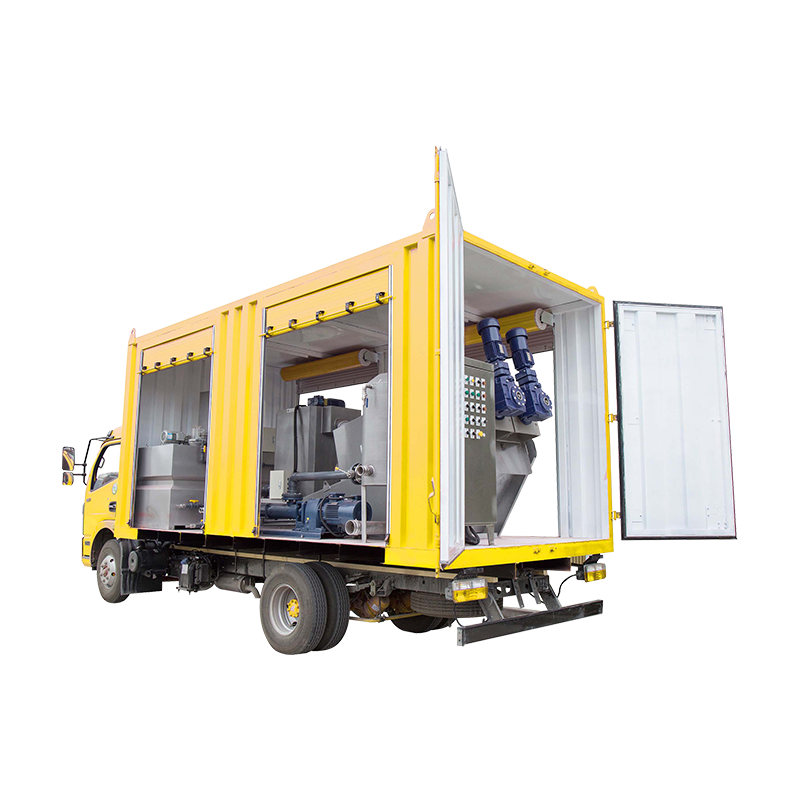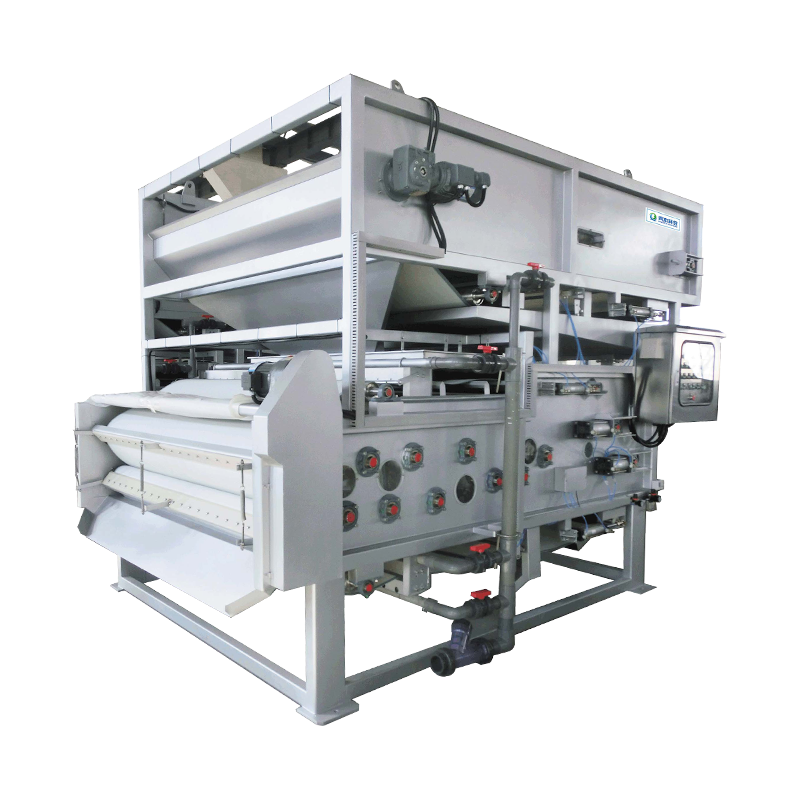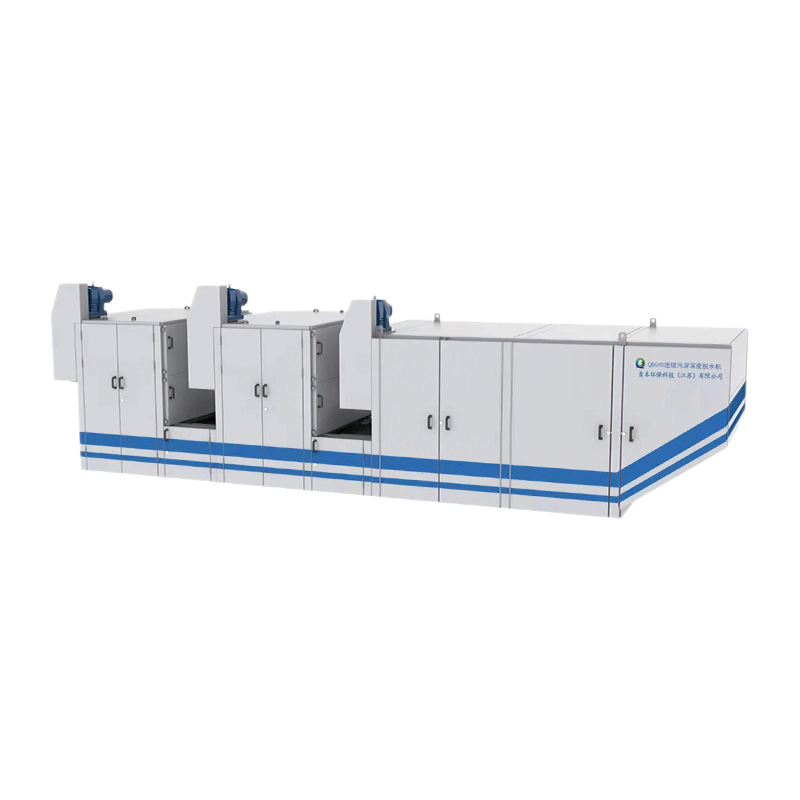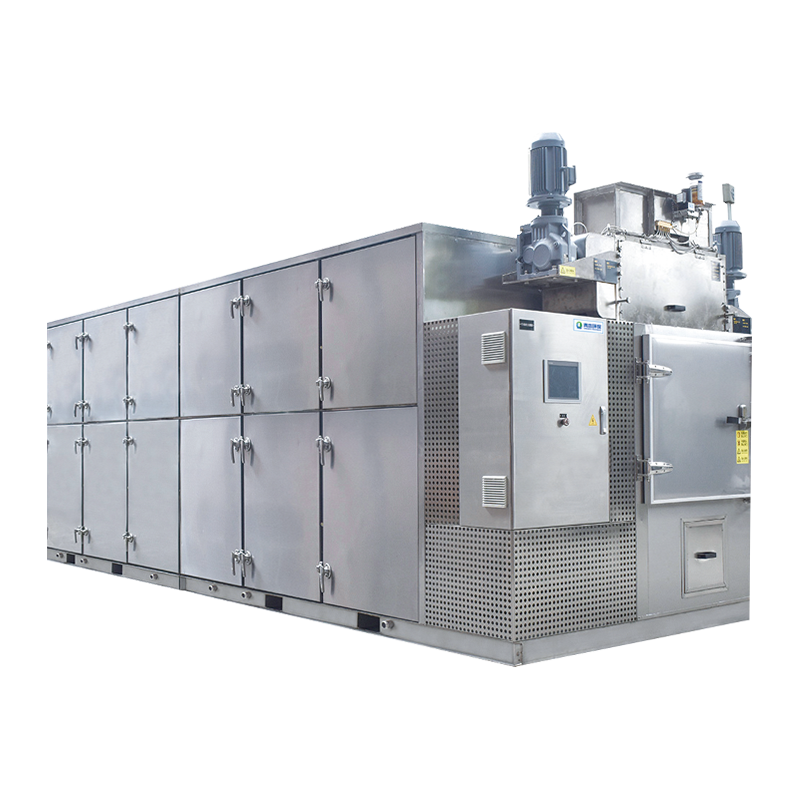


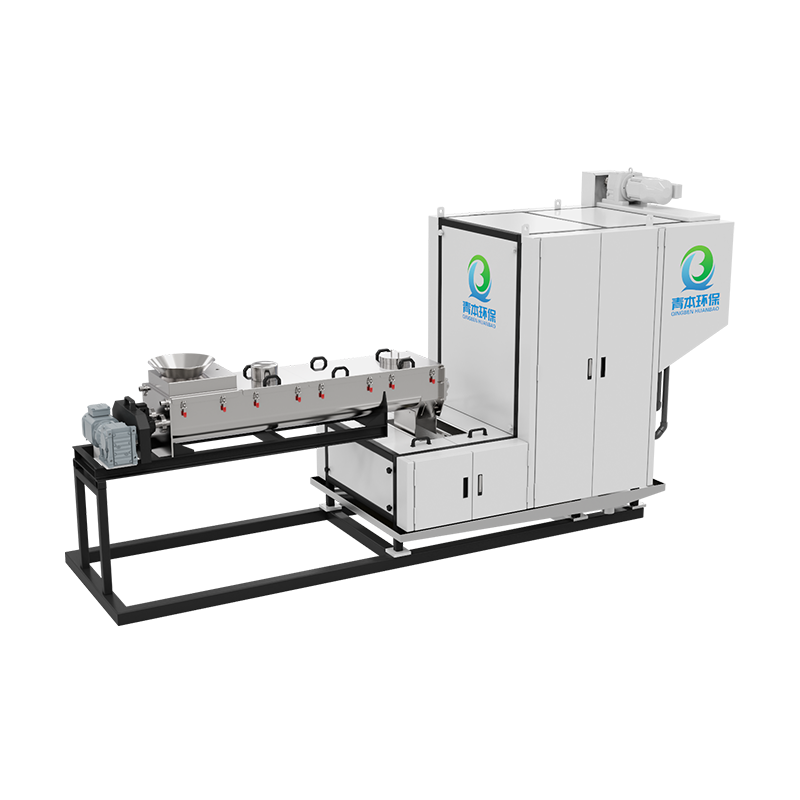
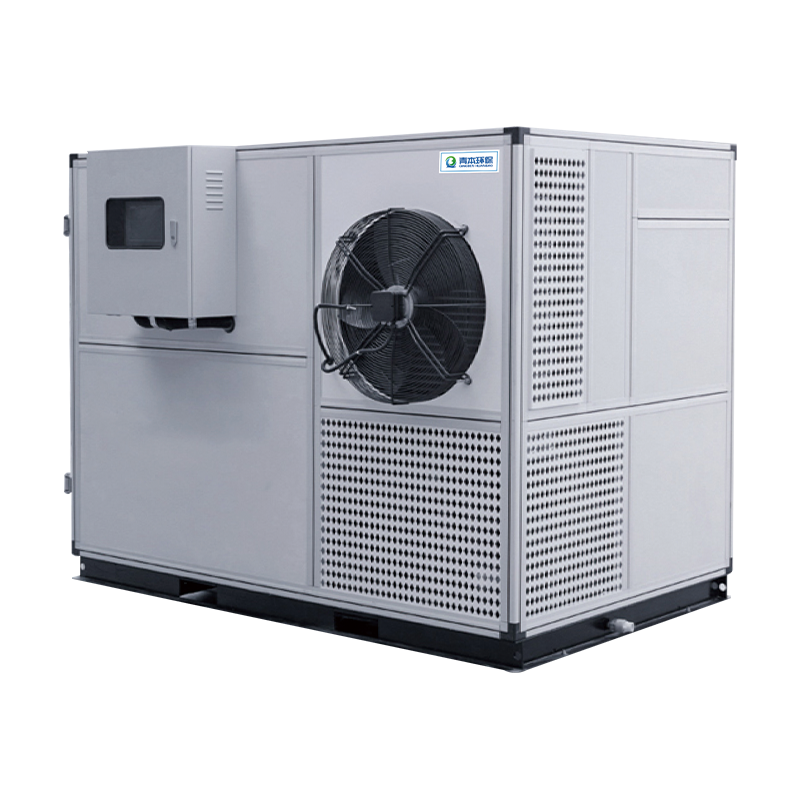
Yes — cryogenic drying technology can reduce sludge volume by 70% to 90% compared to raw dewatered sludge, making it one of the most efficient low-temperature treatment methods available today. Unlike conventional high-temperature drying, a Sludge Cryogenic Chamber Drying Machine operates at temperatures typically between 40°C and 80°C, using closed-loop heat pump or heat exchange systems to remove moisture without combustion. The result is a dramatically reduced sludge cake that is easier to transport, store, and dispose of — at a fraction of the thermal energy cost of traditional systems.
Content
- 1 How Cryogenic Drying Works: The Core Mechanism
- 2 Volume Reduction Performance: What the Data Shows
- 3 Energy Efficiency: The Real Advantage of Low-Temperature Operation
- 4 Application Scenarios for Sludge Cryogenic Chamber Drying Machines
- 5 Cryogenic Drying vs. Conventional Drying: A Technical Comparison
- 6 Key Factors That Influence Drying Efficiency
- 7 About Qingben Environmental Technology (Jiangsu) Co., Ltd.
- 8 Frequently Asked Questions
How Cryogenic Drying Works: The Core Mechanism
The term "cryogenic" in sludge drying refers to a low-temperature evaporative drying process — not freezing — that exploits controlled humidity gradients and forced air circulation to extract moisture from sludge at sub-boiling temperatures. This is fundamentally different from rotary drum dryers or belt dryers that rely on direct high-heat exposure.
Key Operating Principles
- Low-temperature air circulation: Dry, warm air (40–80°C) is continuously circulated through the sludge chamber, absorbing surface and interstitial moisture.
- Dehumidification and heat recovery: Moisture-laden air passes through a dehumidification unit (often a heat pump condenser), where water is condensed out and thermal energy is recycled back into the drying loop.
- Closed-loop design: The closed system minimizes odor release and prevents secondary air pollution — a significant advantage for urban or facility-adjacent installations.
- Continuous or batch operation: Modern systems support both batch-chamber and continuous belt configurations, adapting to site throughput requirements.
The low operating temperature also means that volatile organic compounds (VOCs) and pathogens are retained within the system rather than being emitted into the atmosphere, which simplifies exhaust treatment requirements substantially.
Volume Reduction Performance: What the Data Shows
The volumetric efficiency of Low Temperature Sludge Drying Technology can be measured across several stages of the treatment chain. Incoming municipal sludge typically has a moisture content of 80–85% after mechanical dewatering. After cryogenic drying, moisture content can be reduced to 10–30% depending on the target application (landfill, incineration, agricultural use, or fuel pelletization).
| Sludge Stage | Moisture Content | Relative Volume | Typical Disposal Path |
|---|---|---|---|
| Raw sludge (post-settling) | 97–99% | 100% | Not disposable directly |
| After mechanical dewatering | 75–85% | ~20–25% | Landfill (costly) |
| After cryogenic drying (partial) | 40–55% | ~10–12% | Landfill, composting |
| After cryogenic drying (full) | 10–30% | ~3–6% | Incineration, pellet fuel, land use |
Energy Efficiency: The Real Advantage of Low-Temperature Operation
An Energy Efficient Sludge Drying System based on low-temperature cryogenic principles typically consumes 250–400 kWh per ton of water evaporated, compared to 800–1,200 kWh/ton for conventional hot-air drum dryers. This difference arises from the heat pump's coefficient of performance (COP), which allows the system to recover and reuse latent heat from the moisture extraction process.
For a mid-scale municipal wastewater plant processing 10 tons of dewatered sludge per day (at 80% moisture, targeting 30% moisture output), the energy savings compared to conventional drying can exceed 40,000 kWh per month — a meaningful reduction in both operating costs and carbon footprint.
What Drives Energy Savings in Cryogenic Systems
- Heat pump COP of 3–5: For every 1 kWh of electricity input, 3–5 kWh of thermal drying energy is delivered through heat recovery.
- No combustion fuel required: The system runs entirely on electricity, eliminating natural gas or diesel consumption.
- Condensate water recovery: Extracted water can be treated and reused in the facility, reducing wastewater discharge.
- No exhaust gas treatment needed: Closed-loop operation eliminates the cost and energy of scrubbers, thermal oxidizers, or biofilters typically required by open high-temperature systems.
Application Scenarios for Sludge Cryogenic Chamber Drying Machines
The Sludge Cryogenic Chamber Drying Machine is adaptable across a range of sludge types and treatment contexts. Its modular design and low infrastructure requirements make it particularly well-suited for facilities with space or regulatory constraints.
Suitable Sludge Types
- Municipal wastewater treatment plant sludge (primary and secondary)
- Industrial wastewater sludge (food processing, pharmaceuticals, chemicals)
- River and lake sediment (dredging projects)
- Electroplating and metal finishing sludge
- Paper and pulp industry biosolids
End-Use Pathways for Dried Sludge
- Fuel pelletization: Sludge dried to below 30% moisture has sufficient calorific value (typically 10–15 MJ/kg) for co-firing in cement kilns or power plants.
- Land application (biosolids): Municipal sludge dried at low temperature retains nutrient value (nitrogen, phosphorus) for agricultural soil amendment.
- Sanitary landfill: Reduced volume and weight significantly lowers landfill tipping fees and transport costs.
- Incineration feed: Higher dry solids content improves combustion efficiency and reduces auxiliary fuel requirements.
Cryogenic Drying vs. Conventional Drying: A Technical Comparison
| Parameter | Cryogenic / Low-Temp Drying | Conventional High-Temp Drying |
|---|---|---|
| Operating Temperature | 40–80°C | 150–500°C |
| Energy Consumption | 250–400 kWh/t water | 800–1,200 kWh/t water |
| Odor Emissions | Very low (closed loop) | High (requires exhaust treatment) |
| Fire/Explosion Risk | Low | Moderate to high |
| Nutrient Preservation | Good (no thermal degradation) | Moderate (partial nutrient loss) |
| Installation Complexity | Moderate (no boiler or flue) | High (fuel supply, flue, scrubbers) |
| Final Moisture Content | 10–30% (adjustable) | 10–15% (for full drying) |
Key Factors That Influence Drying Efficiency
Achieving maximum volume reduction with a Low Temperature Sludge Drying Technology system depends on several operational and material variables. Understanding these factors helps engineers set realistic targets and optimize system parameters:
- Incoming moisture content: Sludge at 80% moisture requires more drying cycles than sludge at 75%. Each 5% difference in inlet moisture can shift energy consumption by 15–20%.
- Sludge morphology: Granular or pelletized sludge exposes more surface area and dries faster than dense cake slabs. Pre-granulation equipment can improve throughput by 20–35%.
- Air flow velocity and humidity control: The dehumidification capacity of the heat pump must match the evaporation rate. Undersized dehumidification creates a humidity ceiling that slows drying.
- Chamber loading density: Overloading reduces air penetration and extends drying time. Standard practice is to maintain sludge bed depths of 50–100 mm for optimal air circulation.
- Target moisture content: Systems drying to 30% use significantly less energy than those targeting 10%, as the final moisture removal (bound water) requires more energy per kilogram removed.
About Qingben Environmental Technology (Jiangsu) Co., Ltd.
Qingben Environmental Technology (Jiangsu) Co., Ltd. is a professional enterprise specializing in the manufacturing and service of sludge and wastewater treatment equipment. We are based in the field of sludge and wastewater treatment equipment research and development, and we specialize in providing sludge dewatering machines, sludge drying equipment, complete sets of wastewater treatment equipment, river and lake sediment drying equipment, and technical services.
As a professional Custom Sludge Cryogenic Chamber Drying Machine Manufacturer and Factory, we provide comprehensive technical support from project consultation, design, and construction through to operation and maintenance, ensuring the successful implementation and efficient operation of sewage treatment and sludge treatment projects.
Our team combines deep domain expertise in low-temperature drying engineering with hands-on project delivery experience, enabling us to configure and customize energy efficient sludge drying systems that meet the specific regulatory, spatial, and throughput requirements of each installation. We serve municipal treatment plants, industrial facilities, river remediation projects, and more.