

Content
- 1 The Direct Answer: 25% Better Dewatering Is Achievable — Here Is How
- 2 Why Screw Press Dewatering Outperforms Other Technologies in 2026
- 3 Factor 1: Polymer Dosing — The Largest Single Lever for Improvement
- 4 Factor 2: Feed Sludge Consistency and Thickening
- 5 Factor 3: Screw Speed and Back-Pressure Adjustment
- 6 Factor 4: Maintenance Practices That Directly Impact Dewatering Performance
- 7 Advanced Dewatering Technology: Integrating Automation and Real-Time Monitoring
- 8 Selecting the Right Screw Press Sludge Dewatering Machine for Your Application
- 9 About Qingben Environmental Technology (Jiangsu) Co., Ltd.
- 10 Frequently Asked Questions
The Direct Answer: 25% Better Dewatering Is Achievable — Here Is How
Achieving 25% better sludge dewatering performance with a screw press sludge dewatering machine comes down to four controllable factors: polymer dosing optimization, feed sludge consistency, screw speed adjustment, and routine mechanical maintenance. Plants that systematically address all four routinely report cake dryness improvements from a typical 18–20% total solids (TS) up to 23–26% TS — a meaningful gain that directly reduces disposal volume, transport costs, and downstream drying energy requirements.
This guide breaks down each factor with specific, actionable targets. Whether you are operating a municipal wastewater sludge treatment facility or an industrial solid-liquid separator installation, the principles apply directly.
Why Screw Press Dewatering Outperforms Other Technologies in 2026
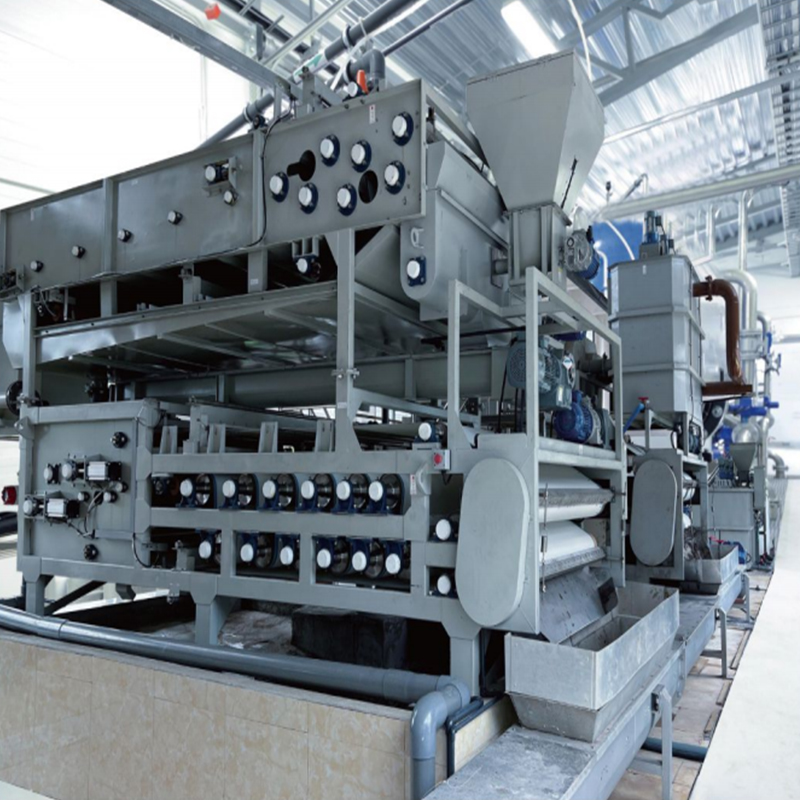
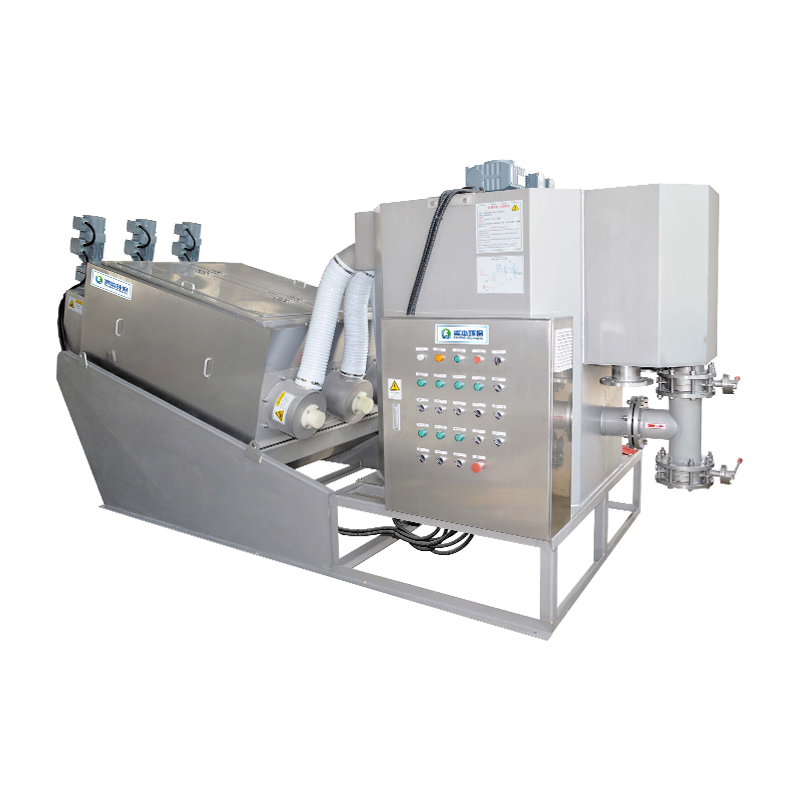
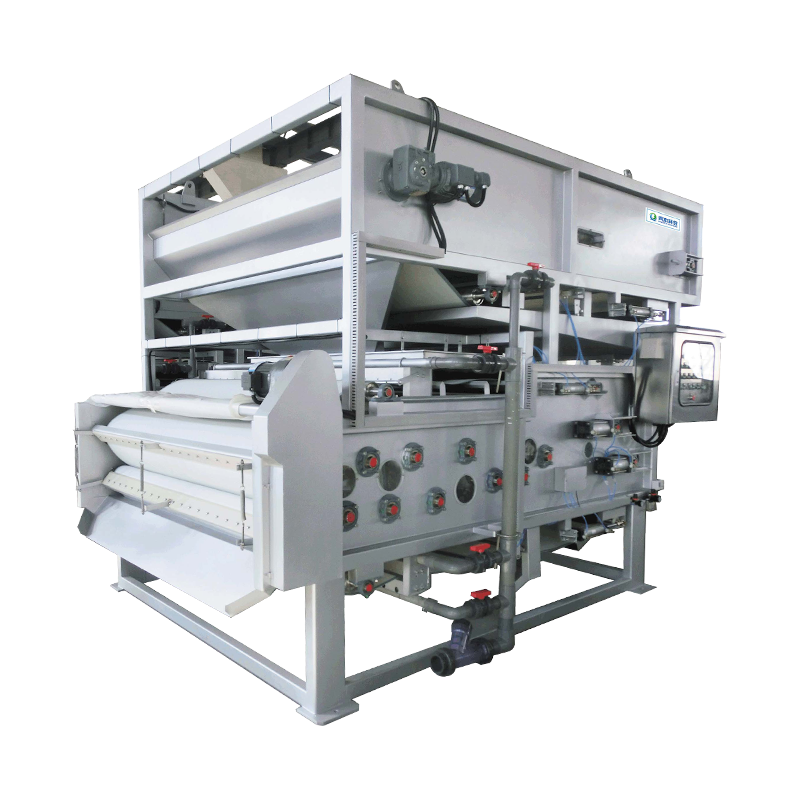
Screw press dewatering technology has become the dominant choice for wastewater sludge treatment facilities handling between 5 and 500 cubic meters of sludge per day. Unlike belt filter presses or centrifuges, screw press sludge machines operate at low rotational speeds (2–5 RPM), which translates into several measurable operational advantages:
- Energy consumption: Screw press units typically consume 0.05–0.15 kWh per kilogram of dry solids processed — compared to 0.3–0.5 kWh/kg for centrifuges.
- Continuous operation: Fully automated screw press dewatering systems can run 24/7 with minimal operator intervention, reducing labor requirements by up to 60% versus manual systems.
- Clog resistance: The self-cleaning mechanism of overlapping rings in modern screw press sludge dewatering machines virtually eliminates blinding — a chronic problem with belt presses in high-fiber or oily sludge applications.
- Low noise and vibration: Operating noise levels typically remain below 75 dB, making indoor installation feasible without acoustic shielding.
| Technology | Cake Dryness (TS%) | Energy Use (kWh/kg DS) | Maintenance Level | Best Sludge Type |
|---|---|---|---|---|
| Screw Press | 18–26% | 0.05–0.15 | Low | Municipal, food, livestock |
| Belt Filter Press | 16–22% | 0.1–0.2 | Medium | Municipal, paper |
| Centrifuge | 20–28% | 0.3–0.5 | High | Industrial, oily |
| Filter Press | 25–40% | 0.2–0.4 | High | Chemical, mining |
Factor 1: Polymer Dosing — The Largest Single Lever for Improvement
Polymer conditioning is the single most influential variable in screw press sludge dewatering performance. Under-dosing leaves fine solids unflocculated, increasing filtrate turbidity and reducing cake dryness. Over-dosing wastes chemical costs and can paradoxically reduce dewaterability by creating overly sticky flocs that blind the screen gaps.
Practical targets for optimal polymer conditioning:
- Dose range: Typically 3–8 kg active polymer per tonne of dry solids (DS), depending on sludge type. Anaerobic digested sludge generally requires higher doses than aerobic sludge.
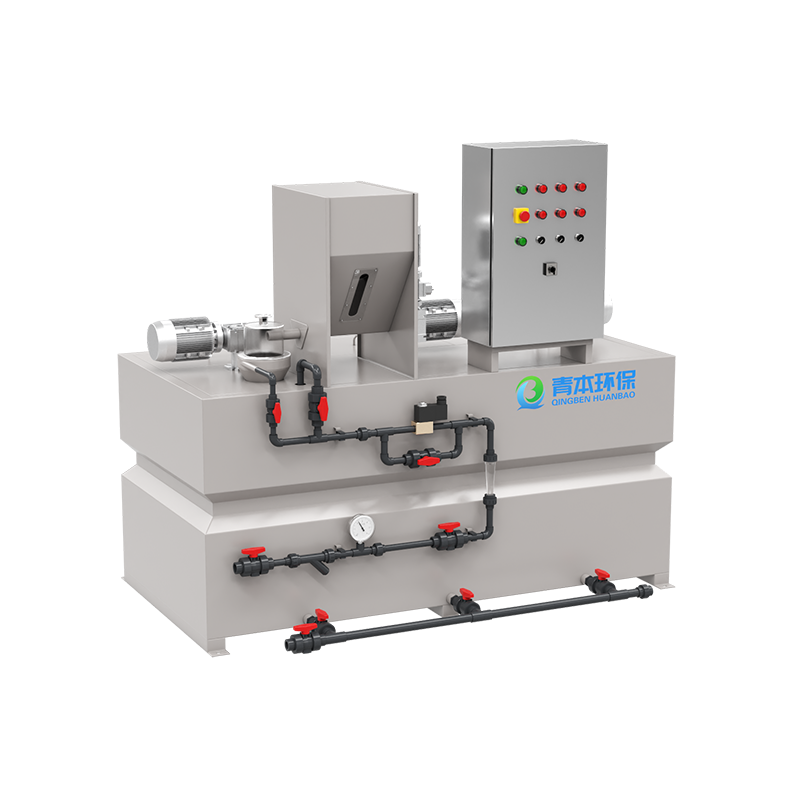
- Dilution ratio: Dilute polymer solution to 0.1–0.3% active concentration before injection. Concentrated polymer does not mix effectively with sludge at screw press feed rates.
- Contact time: Allow a minimum of 30 seconds of gentle mixing between polymer injection and sludge entry into the screw press dewatering machine. Insufficient contact time is a common cause of suboptimal floc formation.
- Jar testing: Conduct jar tests quarterly or whenever feed sludge characteristics change significantly. A 10% change in volatile solids content can shift the optimal polymer dose by 15–20%.
In a documented case at a 50,000 m3/day municipal wastewater treatment plant, optimizing polymer dose from a fixed 6 kg/t DS to a variable 4.2–5.8 kg/t DS (controlled by real-time turbidity feedback) improved average cake dryness from 19.3% TS to 23.8% TS — a 23% improvement within eight weeks of implementation.
Factor 2: Feed Sludge Consistency and Thickening
A screw press sludge machine performs at its best when feed sludge solids concentration is stable and within the equipment's design range. Highly variable feed — common in plants without upstream thickening — forces the press to constantly adapt and degrades average performance.
Upstream Thickening
Gravity thickening or dissolved air flotation (DAF) upstream of the screw press can raise feed solids concentration from a typical 0.5–1.5% TS to 3–6% TS. This reduces hydraulic load on the press, extends screen life, and improves cake dryness by 3–5 percentage points in most applications.
Feed Flow Rate Stability
Fluctuating feed flow rates are a primary cause of inconsistent dewatering. Install a feed pump with variable frequency drive (VFD) control and set flow rate variation to within plus or minus 10% of the design set point. Screw press dewatering systems with stable feed demonstrate up to 15% higher cake dryness consistency compared to systems with uncontrolled gravity feed.
Factor 3: Screw Speed and Back-Pressure Adjustment
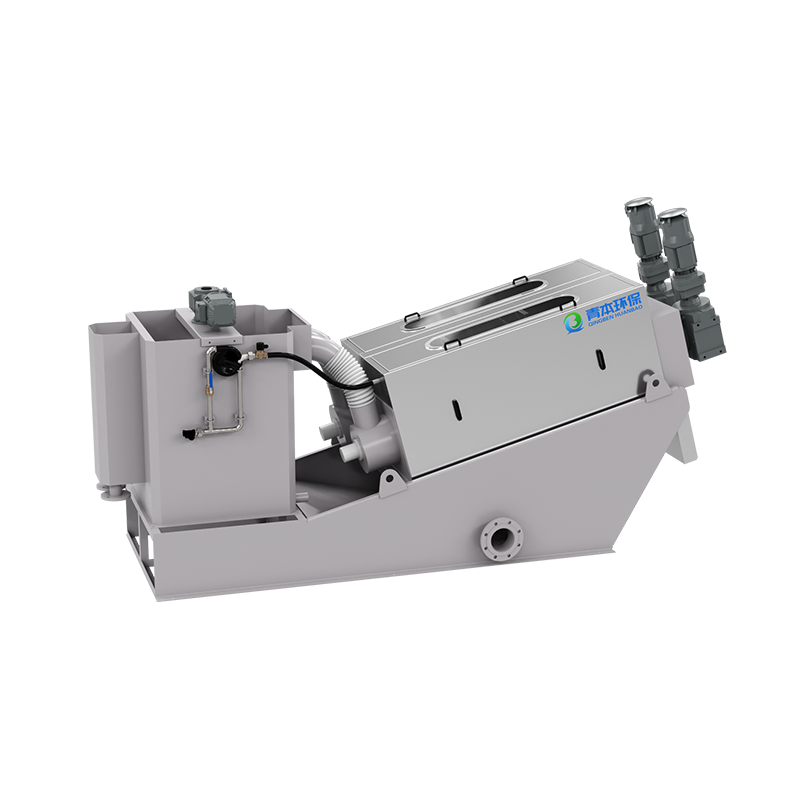
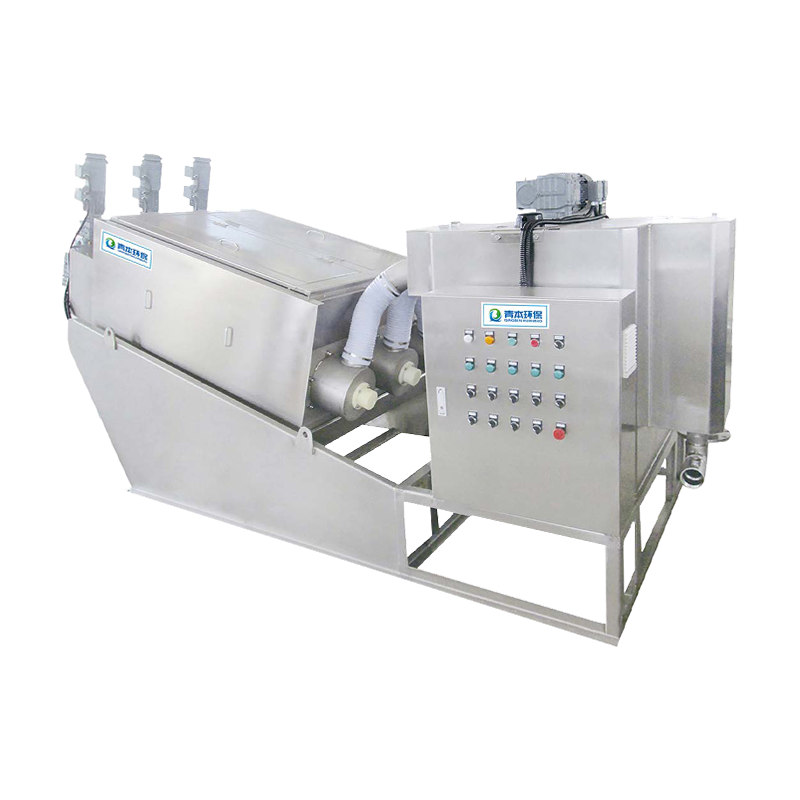
Modern screw press sludge dewatering machines offer two primary mechanical adjustments that directly control cake dryness: screw rotation speed and discharge back-pressure (typically via a movable cone or adjustable discharge ring).
- Lower screw speed = drier cake, lower throughput. Reducing screw speed from 4 RPM to 2 RPM typically increases cake dryness by 2–4 percentage points but reduces throughput by 30–40%. Use this setting when disposal costs outweigh throughput requirements.
- Higher back-pressure = drier cake, higher torque demand. Increasing back-pressure compresses the cake more aggressively. However, excessive back-pressure increases motor load and accelerates wear on the screw and rings. Target back-pressure within the manufacturer's recommended range — typically 0.2–0.6 MPa.
- Combined optimization: The optimal set point balances cake dryness, throughput, and mechanical wear. Log and review operational data monthly to identify the configuration that delivers the best long-term dewatering performance for your specific sludge.
Cake Dryness (% TS) vs. Screw Speed (RPM) — Typical Municipal Sludge
Figure 1: Lower screw speeds produce drier cake. Optimal RPM depends on throughput requirements and sludge type.
Factor 4: Maintenance Practices That Directly Impact Dewatering Performance
Mechanical wear in a screw press sludge dewatering machine accumulates gradually and quietly — performance often degrades by 10–15% before operators notice. A proactive maintenance schedule prevents this performance erosion and extends equipment service life significantly.
Daily Checks
Verify filtrate clarity (target NTU below 200 for municipal applications), check discharge cake consistency by hand, and confirm wash water spray nozzles are unobstructed. Blocked spray nozzles are the most common cause of sudden performance drops in screw press dewatering installations.
Monthly Tasks
Inspect and measure ring gap clearances. Gaps that have widened beyond 0.5 mm above design specification allow fine solids to escape into the filtrate, reducing capture efficiency by up to 8%. Replace worn rings before they cause downstream issues.
Annual Overhaul
Disassemble and inspect the screw shaft, bearings, and discharge cone. Replace the screw flighting if wear exceeds 20% of original thickness. Plants that complete annual overhauls report average dewatering performance 18% higher than those operating on reactive maintenance alone.
Advanced Dewatering Technology: Integrating Automation and Real-Time Monitoring
Cutting-edge wastewater sludge treatment facilities in 2026 integrate automated control loops directly into their screw press sludge machine operations. These systems continuously measure filtrate turbidity, cake discharge weight, and motor torque — then automatically adjust polymer dose, screw speed, and back-pressure to maintain target cake dryness within plus or minus 1% TS.
The results from early adopters are compelling:
- Polymer savings: Automated dosing typically reduces polymer consumption by 12–18% compared to fixed-rate manual dosing.
- Cake dryness consistency: Standard deviation of cake TS drops from a typical 2–3% TS to less than 0.8% TS with automated control.
- Energy efficiency: VFD-controlled screw drives reduce energy consumption by 8–15% by matching motor speed to actual load demand.
- Remote monitoring: IoT-enabled solid-liquid separator systems allow operators to monitor performance from any device, reducing on-site staffing requirements for routine oversight.
Cake Dryness Improvement Over 6 Months of Progressive Optimization (% TS)
Figure 2: Progressive cake dryness improvement through systematic optimization of polymer dosing, screw speed, and maintenance over six months
Selecting the Right Screw Press Sludge Dewatering Machine for Your Application
Not every screw press sludge machine is configured identically. Selecting the correct model for your sludge type and volume is as important as operational optimization. Key selection parameters include:
- Screw diameter: Determines throughput capacity. Diameters range from 130 mm (small-scale industrial) to 350+ mm (large municipal). Match screw diameter to your daily dry solids load, not just liquid volume.
- Number of stages: Multi-stage screw press designs achieve higher cake dryness by progressively increasing pressure along the dewatering zone. Two-stage or three-stage configurations are preferred for demanding applications targeting 24%+ TS cake dryness.
- Screen material and gap specification: Stainless steel screens with gap sizes matched to your sludge particle size distribution minimize both fine solids escape and clogging frequency. For municipal wastewater sludge treatment, 0.2–0.5 mm gaps are typical.
- Integrated flocculation tank: Units with a built-in polymer mixing and flocculation chamber upstream of the press simplify installation and improve polymer contact time control — one of the most common sources of dewatering underperformance in retrofitted systems.
- Materials of construction: For applications with acidic or high-salinity sludge, 316L stainless steel construction throughout — including screen rings, screw shaft, and housing — provides significantly better service life than standard 304 stainless.
About Qingben Environmental Technology (Jiangsu) Co., Ltd.
Qingben Environmental Technology (Jiangsu) Co., Ltd. is a professional enterprise specializing in the manufacturing and service of sludge and wastewater treatment equipment. Rooted in the field of sludge and wastewater treatment equipment research and development, Qingben provides sludge dewatering machines, sludge drying equipment, complete sets of wastewater treatment equipment, river and lake sediment drying equipment, and comprehensive technical services.
As a professional Custom Screw Press Sludge Dewatering Machine Manufacturer and Solid-liquid Separator Factory, Qingben delivers comprehensive technical support spanning project consultation, design, construction, and operation and maintenance — ensuring the successful implementation and efficient operation of sewage treatment and sludge treatment projects of all scales.
With deep expertise in dewatering technology and a commitment to practical engineering solutions, Qingben supports clients in achieving consistent, measurable improvements in wastewater sludge treatment performance — from initial design through long-term operational optimization.