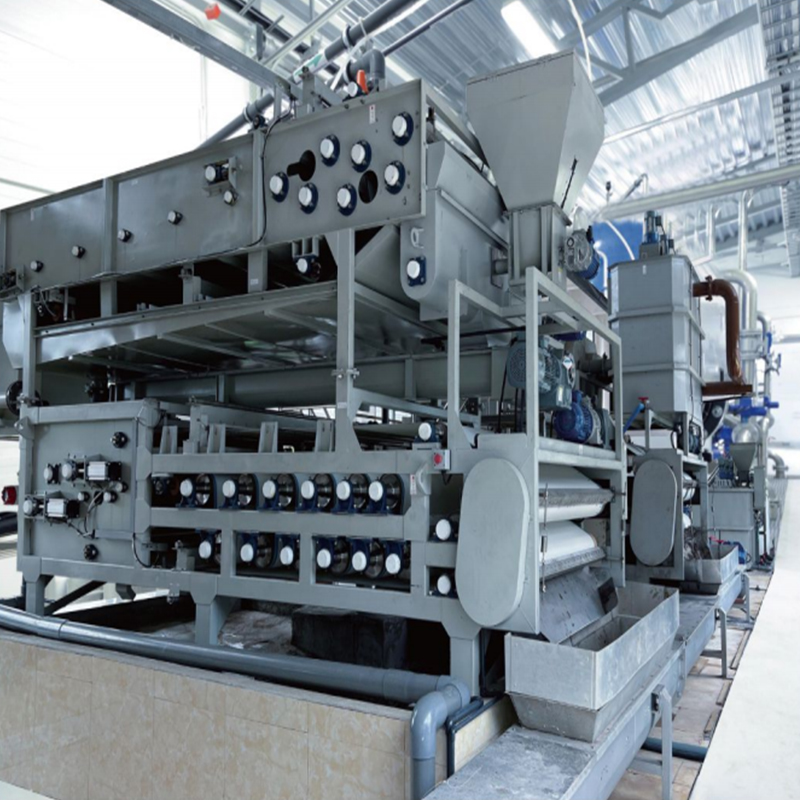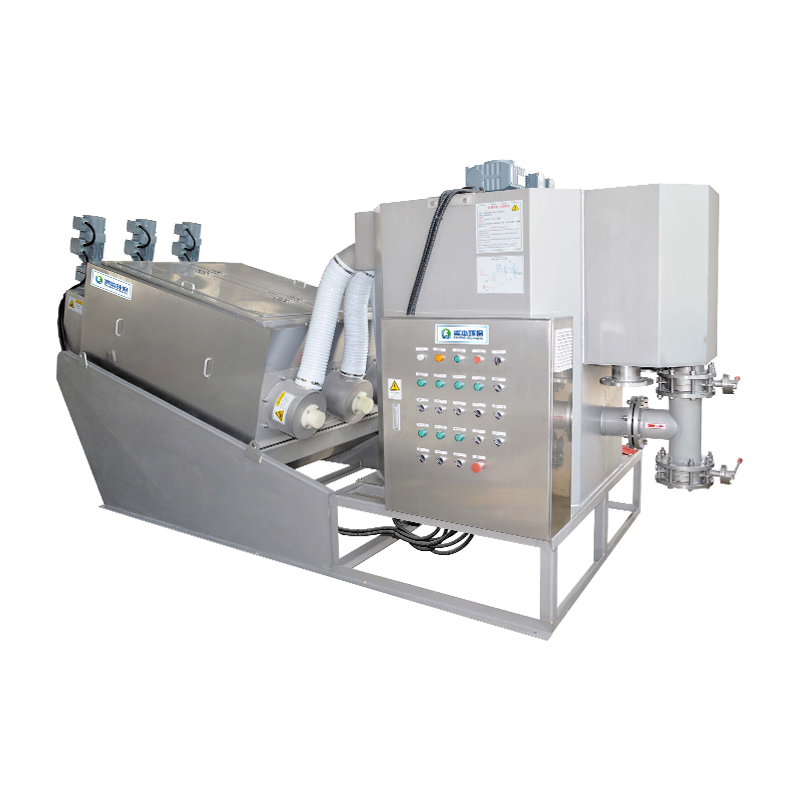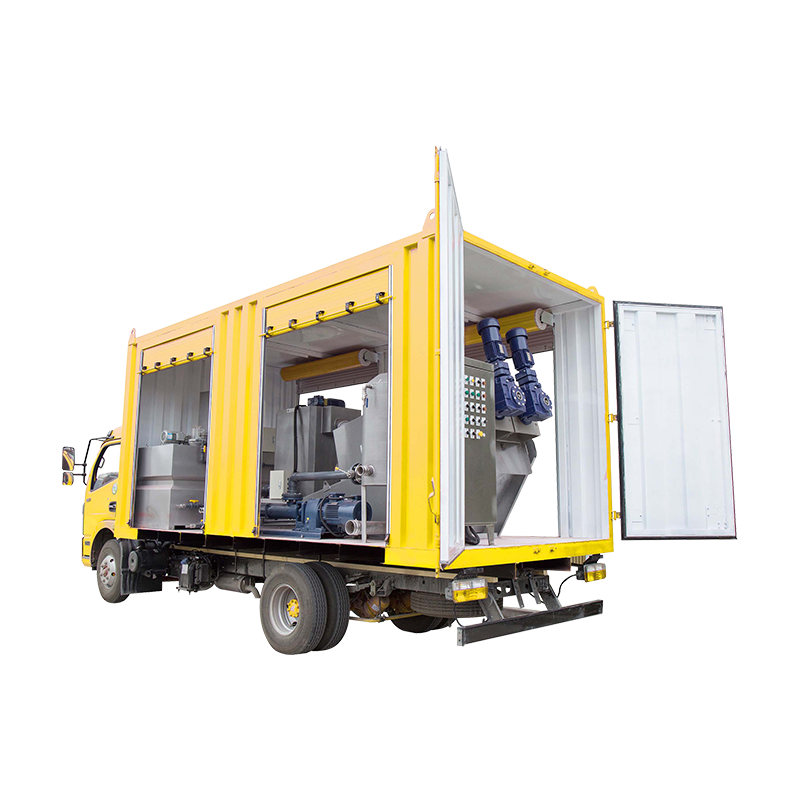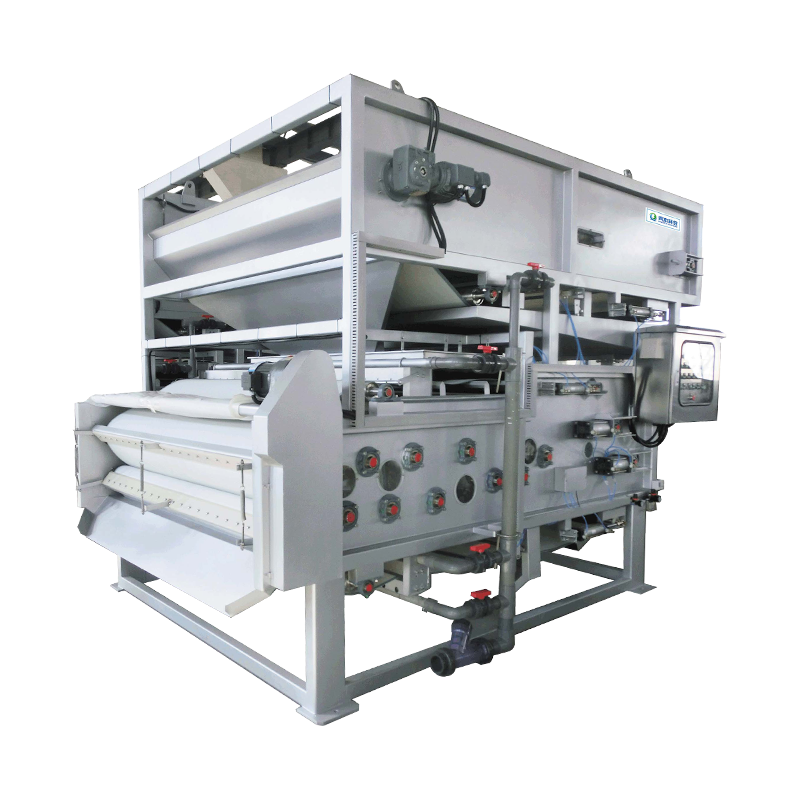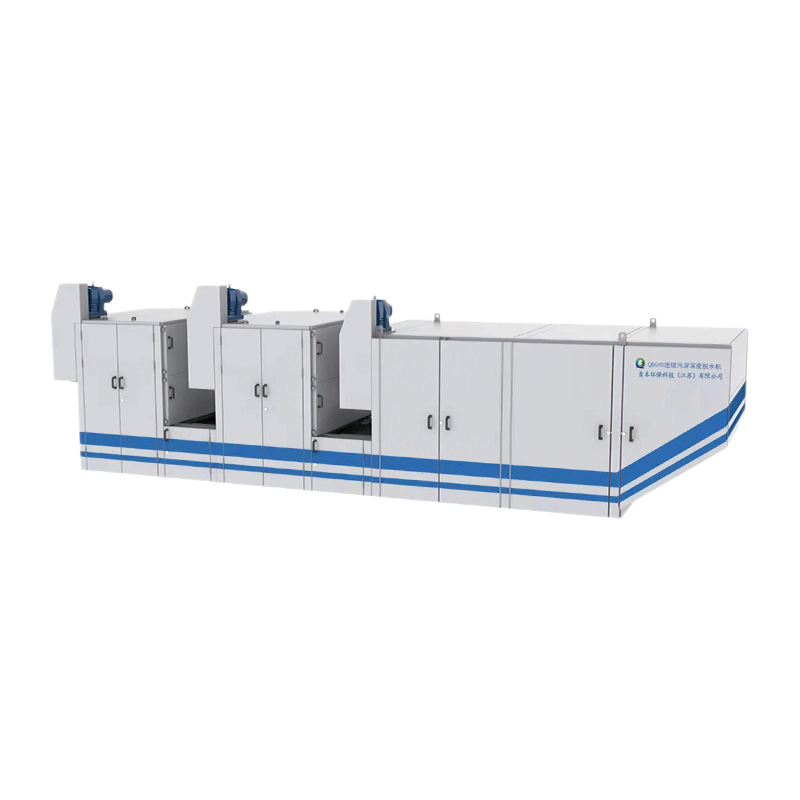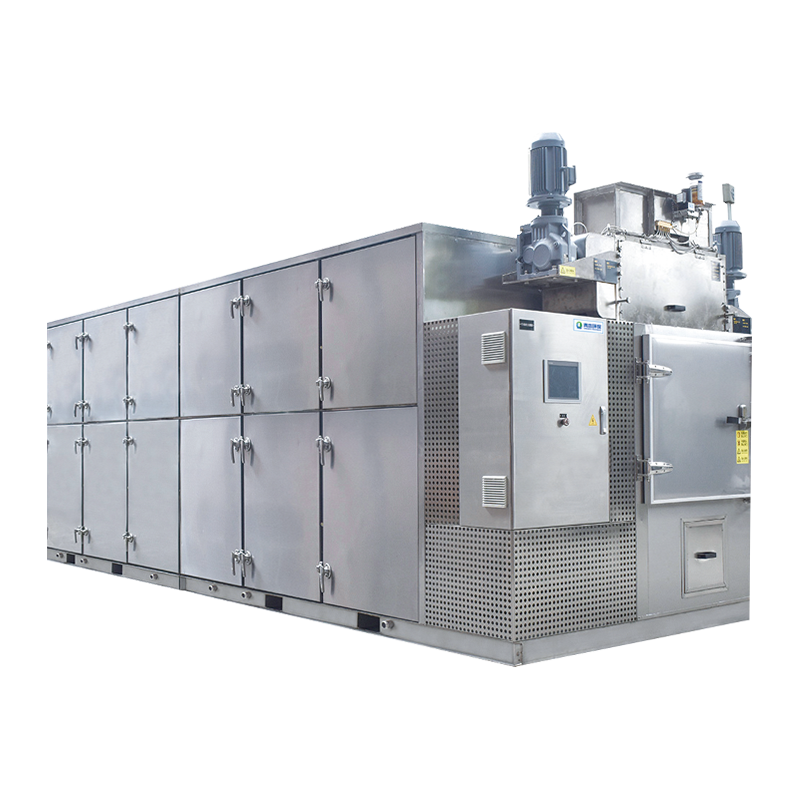


Bottom line upfront: Facilities that switch to a Screw Press Sludge Preconcentration Conch Machine and integrate a full Sludge Preconcentration System consistently report 25–35% reductions in sludge disposal costs — without building additional thickening tanks or expanding their footprint. Here is how it works in practice.
Content
- 1 Why Sludge Disposal Costs Are Spiraling — and Where the Waste Happens
- 2 How a Screw Press Sludge Preconcentration Conch Machine Works
- 3 Quantifying the 30% Cost Reduction: A Realistic Breakdown
- 4 Eliminating the Thickening Tank: Infrastructure and Land Savings
- 5 Integration with Downstream Dewatering: Making Every Machine Work Harder
- 6 Operational Advantages: Low Energy, Fully Automated, Minimal Maintenance
- 7 Environmental and Compliance Benefits Beyond Cost
- 8 Suitable Applications and Scale Considerations
- 9 About Qingben Environmental Technology (Jiangsu) Co., Ltd.
- 10 Frequently Asked Questions
Why Sludge Disposal Costs Are Spiraling — and Where the Waste Happens
For most municipal and industrial wastewater plants, sludge handling accounts for 50–60% of total operating expenditure. The bulk of that cost comes not from dewatering itself, but from transporting and disposing of water that should have been removed earlier in the process.
When secondary sedimentation sludge enters a dewatering machine at 0.5–1% solids content, the machine works overtime processing mostly water. A Screw Press Sludge Thickener upstream changes this equation: by concentrating sludge to 3–8% solids before dewatering, the downstream machine handles a fraction of the original volume — and the savings compound across chemicals, energy, and transport.
Three cost drivers are directly addressed:
- Transport and landfill fees — proportional to wet sludge volume
- Polymer/chemical consumption — scales with liquid volume fed to conditioners
- Energy use — high-volume pumping and belt press operation on dilute sludge
How a Screw Press Sludge Preconcentration Conch Machine Works
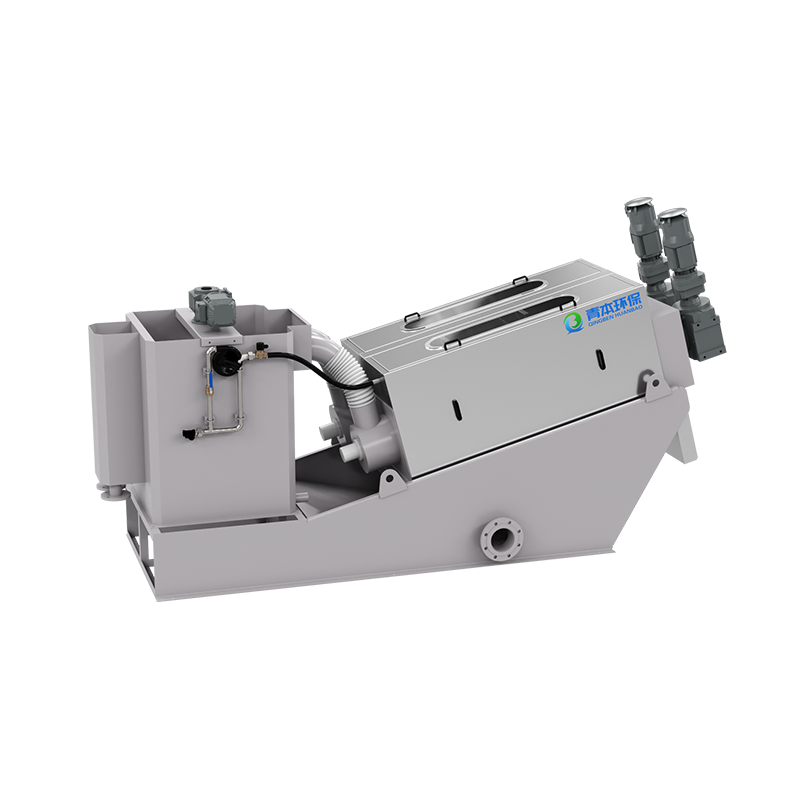
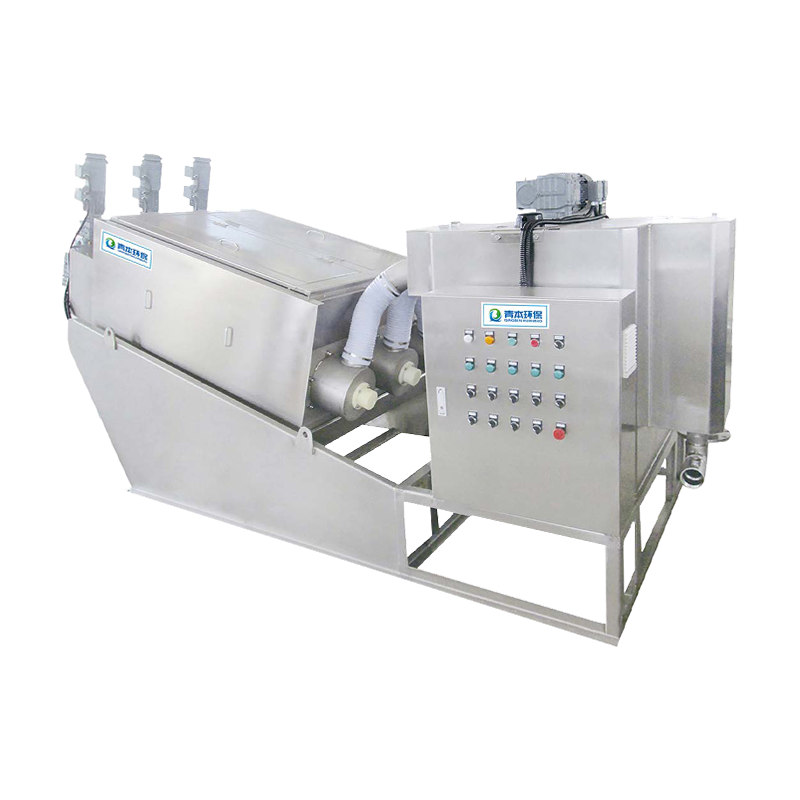
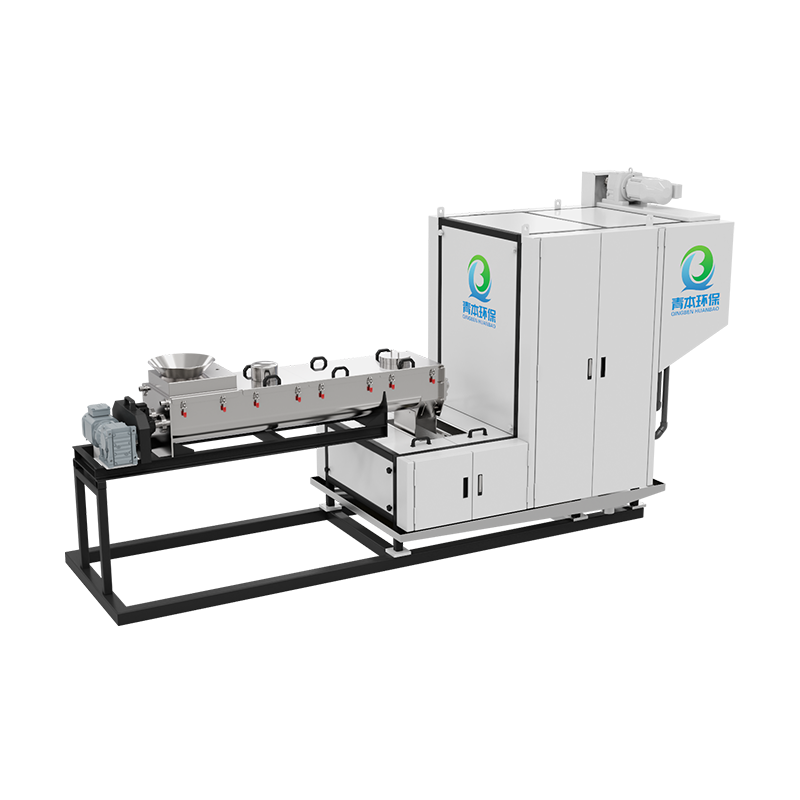
The Screw Press Sludge Preconcentration Conch Machine draws its name from its spiral, shell-like geometry. Unlike gravity belt thickeners or drum thickeners, it uses a slowly rotating screw within a self-cleaning filter screen. Sludge is fed continuously, water drains through the screen under gentle mechanical pressure, and concentrated sludge exits from the discharge end.
Key operating characteristics that differentiate this design:
- Continuous, uninterrupted operation — no batch cycles, no manual cleaning intervals
- Self-cleaning screen — the moving rings prevent clogging without spray water
- Low rotational speed (2–5 rpm) — minimal wear, low noise, low energy draw
- Fully automated PLC control — unattended overnight operation is standard
The result is a sludge concentration after separation that is stable and adjustable in the range of 90–96% moisture removal efficiency, producing a thickened cake suitable for direct entry into high-pressure elastic presses, diaphragm plate frames, or other downstream Screw Type Sludge Dewatering Machines.
Quantifying the 30% Cost Reduction: A Realistic Breakdown
The 30% figure is not a marketing claim — it emerges from operational data collected across wastewater treatment plants processing 10,000–100,000 m³/day. The table below illustrates how savings accumulate across cost categories:
| Cost Category | Before Preconcentration | After Preconcentration | Typical Savings |
|---|---|---|---|
| Sludge transport volume | 100% | 55–65% | 35–45% |
| Polymer/flocculant use | 100% | 70–80% | 20–30% |
| Dewatering energy consumption | 100% | 75–85% | 15–25% |
| Odor control & phosphorus treatment | High (open thickening tanks) | Significantly reduced | Operational relief |
When these categories are weighted and combined, overall sludge disposal cost reductions of 28–34% are realistic for most installations — consistent with the "30%" headline figure.
Typical Cost Savings by Category After Implementing a Sludge Preconcentration System
Figures represent midpoint estimates from operational installations.
Eliminating the Thickening Tank: Infrastructure and Land Savings
Traditional sludge handling requires a dedicated gravity thickening tank — a large civil structure that ties up land, demands significant capital investment, and creates persistent odor and phosphorus release problems. The Sludge Preconcentration System built around a Screw Type Sludge Dewatering Machine eliminates this requirement entirely.
A standard gravity thickener for a plant treating 50,000 m³/day occupies 200–500 m² of floor area and requires months of civil construction. The equivalent screw press preconcentration unit footprint is typically under 30 m², can be skid-mounted, and is operational within days of delivery. For urban wastewater plants where land is constrained, this difference is decisive.
Additional infrastructure advantages include:
- No requirement for supernatant return lines from thickening tanks to headworks
- Reduced odor management costs — enclosed operation versus open tank surface
- Phosphorus release suppressed at source — thickening tanks are a major internal P load driver
- Simplified piping layouts and reduced pump station requirements
Integration with Downstream Dewatering: Making Every Machine Work Harder
A Screw Press Sludge Thickener does not replace downstream dewatering — it amplifies its effectiveness. When thickened sludge at 3–8% solids enters a high-pressure elastic press or diaphragm plate frame instead of raw 0.5% sludge, throughput capacity of the downstream machine increases by 3–5x on a per-unit basis.
This means existing dewatering equipment, which may be running at apparent capacity limits, gains substantial headroom without capital replacement. Plants processing growing sludge loads can defer capital expenditure on additional presses — often for 5–10 years — by optimizing the feed condition instead.
Downstream Dewatering Throughput Gain vs. Feed Solids Concentration
Illustrative relationship — actual throughput gain depends on sludge type and press design.
The Screw Press Sludge Preconcentration Conch Machine is validated as pretreatment for high-pressure elastic presses, high-pressure diaphragm plate frames, and other advanced dewatering configurations — making it a versatile upstream component within any Sludge Preconcentration System architecture.
Operational Advantages: Low Energy, Fully Automated, Minimal Maintenance
One of the strongest financial arguments for adopting a Screw Type Sludge Dewatering Machine in a preconcentration role is its inherently low operating cost profile. Compared to gravity belt thickeners and drum thickeners, the screw press design offers measurable advantages across every operating expense line:
Energy Consumption
Screw press units typically draw 0.01–0.05 kWh per kilogram of dry solids processed — significantly lower than belt thickeners (which require wash water pumps) or centrifuges. A plant processing 10 tonnes DS/day can expect annual energy savings in the range of several thousand kWh compared to alternatives.
Automation and Staffing
Fully automatic PLC control with programmable operational cycles means the Screw Press Sludge Thickener can run unattended across all three shifts. Start-stop sequences, feed rate adjustment, and alarm responses are handled automatically. Plants operating night shifts with skeleton crews particularly benefit: no operator intervention is required during steady-state operation.
Maintenance Intervals
The slow-speed screw mechanism — operating at 2–5 rpm rather than centrifuge speeds of 2,000+ rpm — dramatically reduces wear on all moving parts. Expected bearing and seal service intervals exceed 8,000 operating hours in typical municipal applications. The self-cleaning filter rings eliminate the spray nozzle blockage issues common in belt thickeners.
Environmental and Compliance Benefits Beyond Cost
Regulators and plant managers increasingly face scrutiny not just over effluent quality, but over sludge handling practices. Gravity thickening tanks are among the primary sources of odorous compound (H₂S, mercaptans) and internal phosphorus load generation within a wastewater plant. Eliminating them through inline screw press preconcentration delivers compliance and community relations benefits that are harder to quantify but genuinely significant.
- Odor reduction: Enclosed screw press operation vs. open tank surface area — odor complaints from neighboring communities commonly drop substantially after conversion
- Internal phosphorus load suppression: Anaerobic conditions in thickening tanks release bound phosphorus back into the liquid stream. Eliminating the tank eliminates this internal load — reducing biological nutrient removal burden and chemical phosphorus precipitation costs
- Lower transport emissions: Fewer sludge tanker trips per day means reduced diesel consumption and road wear — a tangible sustainability metric for carbon reporting
Suitable Applications and Scale Considerations
The Sludge Preconcentration System based on screw press technology is applicable across a wide range of sectors and scales:
| Application Sector | Typical Inlet Solids | Target Outlet Solids | Key Benefit |
|---|---|---|---|
| Municipal WWTP (secondary sludge) | 0.5–1.0% | 3–6% | Eliminates thickening tank |
| Food and beverage processing | 0.8–2.0% | 4–8% | Reduces disposal frequency |
| Industrial effluent treatment | 1.0–3.0% | 5–8% | Enables compact plant layout |
| River and lake sediment treatment | Variable | 4–7% | Mobile / temporary deployment |