

Content
- 1 The Direct Answer: How To Choose The Right Sludge Dewatering Machine
- 2 Understanding Sludge Dewatering Machines And Where They Fit In A Treatment Line
- 3 Matching The Machine To Your Sludge Concentration And Feed Characteristics
- 4 Comparing Cake Dryness And Moisture Reduction Across Equipment Types
- 5 Automation Level And Labor: Why An Automatic Sludge Dewatering Machine Matters
- 6 Site Footprint, Civil Works And Installation Planning
- 7 Energy Consumption And Long Term Operating Considerations
- 8 Side By Side Comparison Of Common Sludge Dewatering Equipment Types
- 9 Which Industries Rely On Which Type Of Sludge Dewatering Equipment
- 10 Choosing A Sludge Dewatering Machine Manufacturer Or Supplier
- 11 About Qingben Environmental Technology
- 12 Frequently Asked Questions About Sludge Dewatering Machines
- 12.1 Q1. What is sludge dewatering
- 12.2 Q2. How does sludge dewatering work
- 12.3 Q3. Which sludge dewatering machine is best
- 12.4 Q4. What size sludge dewatering machine do I need
- 12.5 Q5. What sludge concentration is suitable
- 12.6 Q6. How much water can be removed
- 12.7 Q7. Is a separate concentration tank always required
- 12.8 Q8. How much floor space does the equipment need
The Direct Answer: How To Choose The Right Sludge Dewatering Machine
The right sludge dewatering machine is the one that matches three things at once: your sludge concentration and fiber content, the final cake dryness your disposal route requires, and the footprint and automation level your site can realistically support. For municipal plants, food and beverage stations, and chemical plant sludge streams with inlet concentration roughly between 5,000 mg/L and 50,000 mg/L, a screw press type unit is usually the most balanced starting point because it combines a small footprint, low power draw, and largely unattended operation. Sites handling larger continuous flows or sludge that has not been pre-thickened often place a belt thickening and dewatering machine ahead of the press. Facilities that need to push residual moisture down to 60 percent or lower, for landfill diversion or thermal treatment preparation, typically add a deep dewatering stage after the primary press.
- Concentration first - confirm inlet mg/L range before comparing models
- Target cake dryness - match the machine to what your disposal or reuse route needs
- Footprint and civil works - check if a concentration tank or extra structure is required
- Automation and labor - decide how much daily supervision the site can provide
Understanding Sludge Dewatering Machines And Where They Fit In A Treatment Line
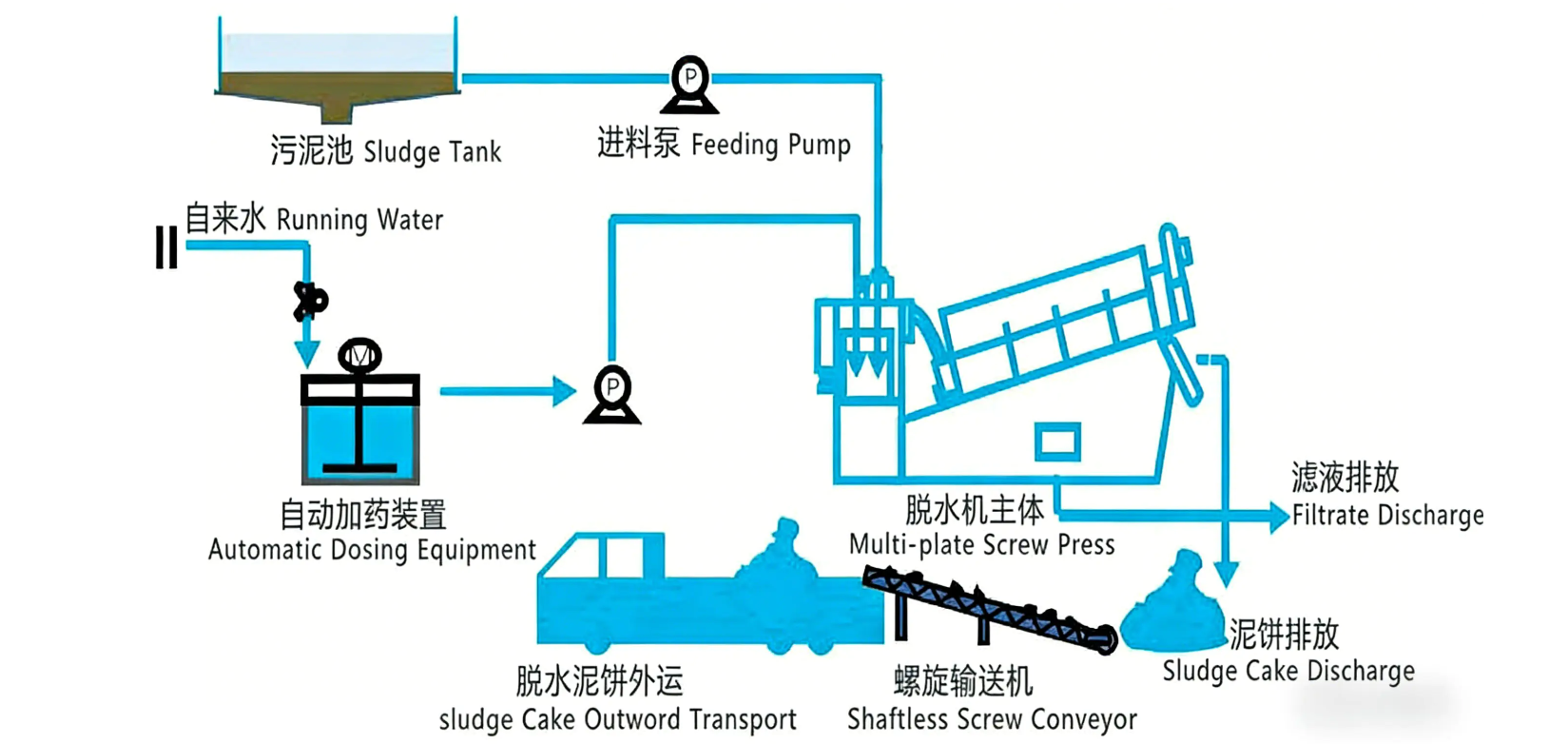
Sludge dewatering sits near the end of a wastewater treatment line, after biological or chemical treatment has separated solids from the water stream. The purpose of a sludge dewatering machine is straightforward: reduce the water content of the collected sludge so the remaining cake is easier, lighter, and less costly to transport, store, compost, or send for further processing. A typical line runs through sludge collection, thickening or concentration, conditioning with flocculant, mechanical dewatering, and finally cake discharge and handling.
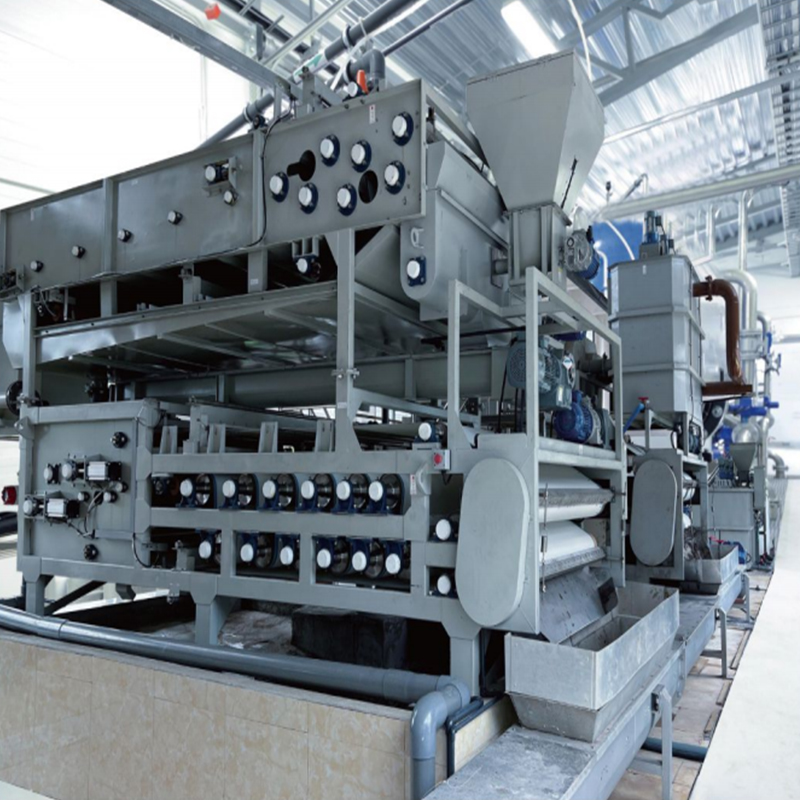
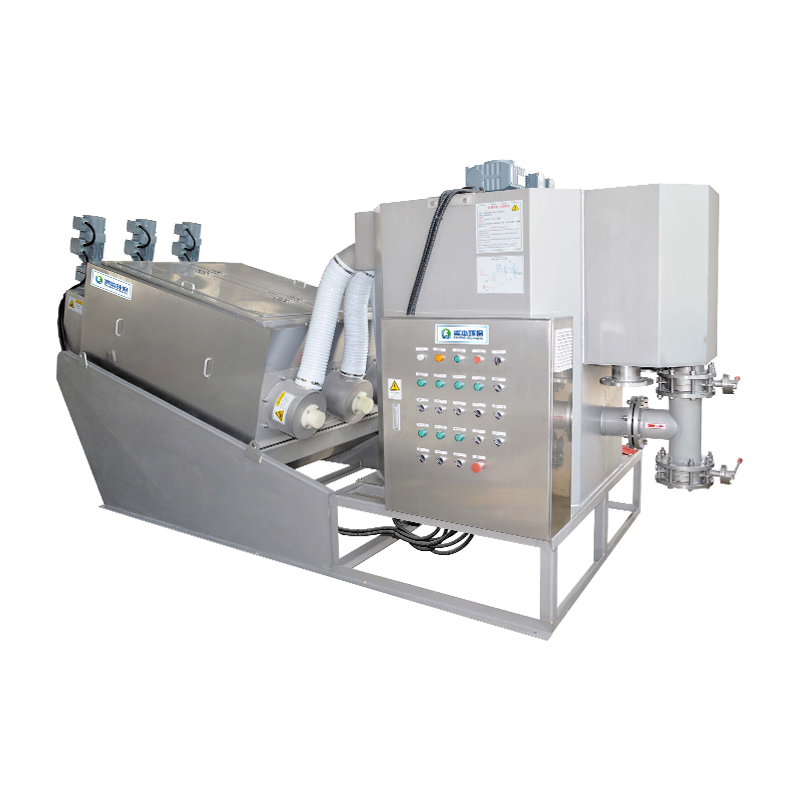
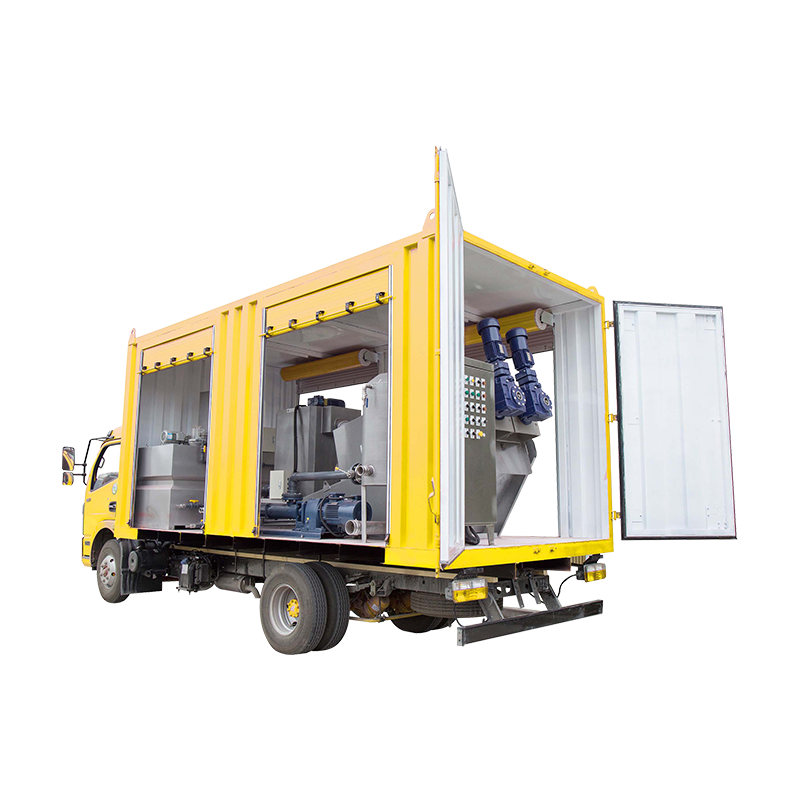
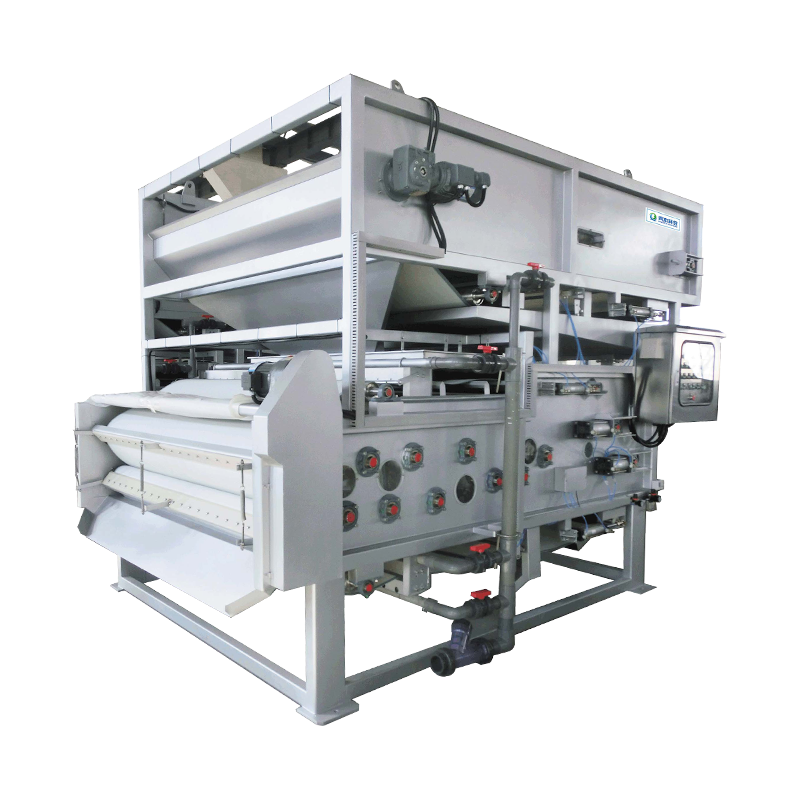
Several categories of equipment cover this stage, and each one is built around a different mechanical principle. A screw press sludge dewatering machine relies on a rotating screw shaft inside a perforated or ring-stack cylinder, squeezing the sludge as it travels along the shaft while filtrate drains through the gaps. A belt filter press pulls sludge across a moving filter belt, first through a gravity drainage zone and then through pressure rollers. A deep dewatering machine typically stages several pressing steps in sequence to keep pushing moisture out after the primary unit has already done the bulk of the work. Mobile units mount a screw press directly on a truck chassis so the equipment can travel to decentralized sludge sources instead of the sludge traveling to a fixed plant.
Choosing between these categories is rarely about which one is universally superior. It is about which mechanical principle suits the sludge you actually have, the volume you need to process, and the space and staffing available on site.
Matching The Machine To Your Sludge Concentration And Feed Characteristics
Inlet concentration is one of the first numbers any experienced process engineer asks about before recommending a model. A sludge screw press machine is generally rated across a working range of roughly 5,000 mg/L to 50,000 mg/L, which covers most municipal secondary sludge, food and beverage wastewater sludge, and a large share of chemical plant sludge streams. Sludge that arrives below this range usually needs a thickening step first, while very high solids sludge often benefits from a preconcentration conch-screw press stage before the main dewatering unit.
Relative Dewatering Load Across The Sludge Concentration Range
Inlet concentration in mg/L against a relative processing load index (0-100). Illustrative operational pattern for a screw press type sludge dewatering machine.
| Sludge Source | Typical Concentration | Suggested Equipment | Pre-Treatment |
|---|---|---|---|
| Municipal secondary sludge | 5,000 - 15,000 mg/L | Screw press sludge dewatering machine | Flocculant dosing only |
| Food and beverage plant sludge | 8,000 - 25,000 mg/L | Screw press sludge dewatering machine | Conditioning tank optional |
| Chemical plant process sludge | 10,000 - 35,000 mg/L | Preconcentration conch-screw press dehydrator | Pre-concentration recommended |
| High solids industrial sludge | 25,000 - 50,000 mg/L | Preconcentration conch machine | Pre-concentration stage |
| Septic tank and decentralized sources | Variable | Mobile screw press sludge dewatering truck | None, on-site processing |
Comparing Cake Dryness And Moisture Reduction Across Equipment Types
Cake dryness is the second decision point once concentration is settled. A single-stage screw press is built for continuous, low-maintenance operation and generally leaves the cake with a moisture content suitable for onward composting or transport. When a lower moisture target is needed, sludge deep dewatering equipment adds mechanical pressing stages that keep working the cake after the primary press, commonly bringing sludge that entered at around 80 percent moisture down to 60 percent or below. As the internal fine particles are pressed further, water is released, pore space shrinks, and the cake takes on a lighter, fluffier structure that is easier to handle downstream.
Typical Residual Moisture Content After Treatment
Commonly observed operational range for residual moisture content by equipment type. Actual results vary with sludge composition and conditioning.
Automation Level And Labor: Why An Automatic Sludge Dewatering Machine Matters
An automatic sludge dewatering machine changes the daily routine of a treatment site more than most buyers expect before installing one. A self-cleaning screw press design avoids the clogging problem that older dewatering equipment is known for, which in turn removes the need for a dedicated concentration mixing tank, a separate mixer, or an air compressor. The unit can run through full cycles unattended, with cake discharge and filtrate drainage handled automatically.
Belt thickening and dewatering machines extend this further with on-site or remote control panels, letting one operator oversee several units or check status from outside the process area. For sites with limited staff, this automation level is often the difference between running dewatering as a background task and running it as a full-time job.
- Self-cleaning screw operation reduces manual clearing
- No separate mixer or air compressor required on many models
- Remote or on-site control panel options
- Continuous automatic cake discharge
- Intelligent monitoring reduces the need for constant supervision
Site Footprint, Civil Works And Installation Planning
Available floor space is often the constraint that rules equipment options in or out before performance data is even compared. A screw stacking dewatering unit occupies a notably small area next to belt-type systems of similar throughput, and its integrated fuselage design lets it run smoothly without abnormal noise, which matters for sites near occupied buildings. Because it does not require a separate concentration tank, mixer, or compressor, the civil engineering footprint shrinks along with the machine footprint itself.
For sites without a fixed installation, such as septic tank cleaning routes, schools, breeding farms, and slaughterhouses, a mobile screw press sludge dewatering truck removes the footprint question entirely. The equipment travels to the sludge source, operates continuously without tank restrictions, and avoids the round-trip transport that conventional fixed installations require.
Energy Consumption And Long Term Operating Considerations
Power draw and continuous operating behavior shape the day-to-day running cost of a dewatering line more than any single spec sheet number. Screw press type equipment is generally recognized for a low energy profile relative to its throughput, in part because it does not need the auxiliary mixer and compressor loads that some older systems carry. Belt-type systems and higher-pressure continuous units draw more power in exchange for higher throughput or deeper moisture reduction.
Relative Energy Consumption Index By Equipment Type
Relative index for illustration, lower value indicates lower typical power draw per unit of throughput.
Beyond the electricity meter, a fully enclosed housing on deep dewatering equipment supports odor collection and continuous operation, while an intelligent integrated monitoring system reduces the need for someone to watch the process around the clock. These design choices tend to matter more to total operating effort over a year than any single performance figure on its own.
Side By Side Comparison Of Common Sludge Dewatering Equipment Types
| Equipment Type | Footprint | Auxiliary Equipment | Best Suited For |
|---|---|---|---|
| Screw Press Sludge Dewatering Machine | Small | Largely self-contained | Continuous unattended operation |
| Belt Filter Press / Belt Thickening Machine | Medium to large | Filter belt and gravity zone | Higher volume, un-thickened sludge |
| Deep Dewatering Equipment | Medium | Fully enclosed housing | Residual moisture at 60 percent or below |
| Mobile Screw Press Dewatering Truck | No fixed footprint | Self-contained vehicle unit | Decentralized, non-continuous sources |
Which Industries Rely On Which Type Of Sludge Dewatering Equipment
An industrial sludge dewatering machine rarely serves a single industry. The same core screw press mechanism, sized and configured differently, shows up across several sectors that generate sludge or wet solid waste as part of normal operation.
River and lake sediment drying is a slightly different application from wastewater sludge, since the feed material often carries more sand and grit, but the underlying dewatering principle and much of the equipment selection logic still applies.
Choosing A Sludge Dewatering Machine Manufacturer Or Supplier
Once the equipment category is narrowed down, the working relationship with a sludge dewatering machine manufacturer becomes the next variable that affects how smoothly the project runs. A capable sludge dewatering equipment supplier should be able to walk through sludge sampling, recommend a model based on measured concentration rather than assumptions, and explain how the unit will integrate with existing tanks or piping. An Industrial sludge dewatering equipment supplier that offers a full product range, from preconcentration units through primary presses to deep dewatering stages, generally gives a site more flexibility to add a stage later without replacing the whole line.
Working with a China sludge dewatering machine manufacturer that manufactures its own equipment rather than reselling third-party units often means faster access to spare parts and technical service, since the same engineering team that designed the machine also supports it in the field. When comparing screw press sludge dewatering machine price quotations from different suppliers, it generally helps to weigh dryness performance, footprint, and after-sales support alongside the number on the quotation, since these factors influence total value over the life of the equipment more than the initial figure alone.
About Qingben Environmental Technology
Qingben Environmental Technology (Jiangsu) Co., Ltd. focuses on the design, manufacturing, and service of sludge and wastewater treatment equipment. The product range covers decanter sludge dewatering machines, sludge drying equipment, complete wastewater treatment lines, river and lake sediment drying equipment, and related technical services, with several equipment models available so each installation can be matched to site size and treatment specification.
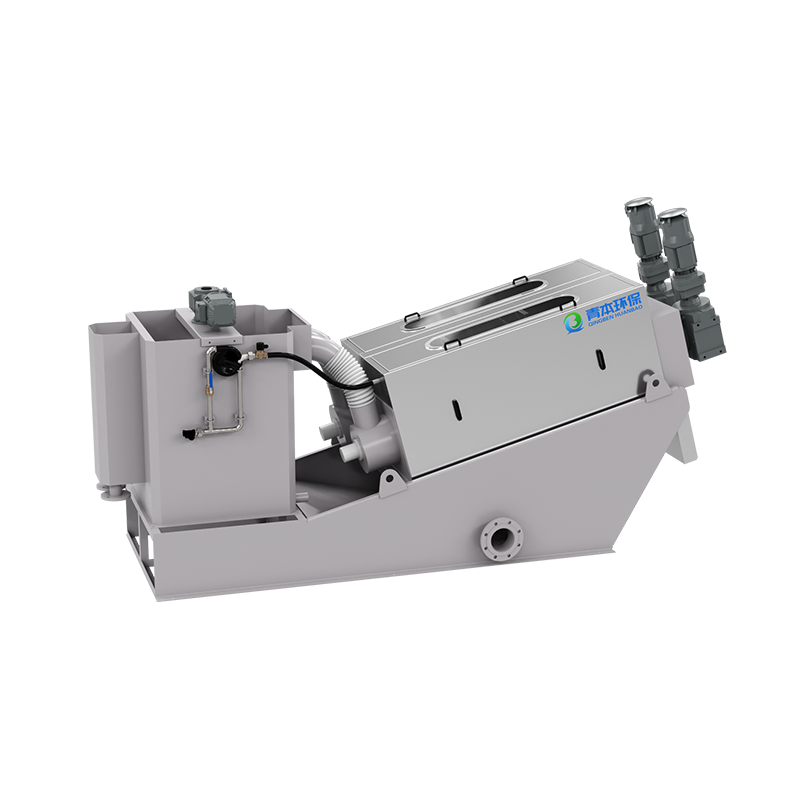
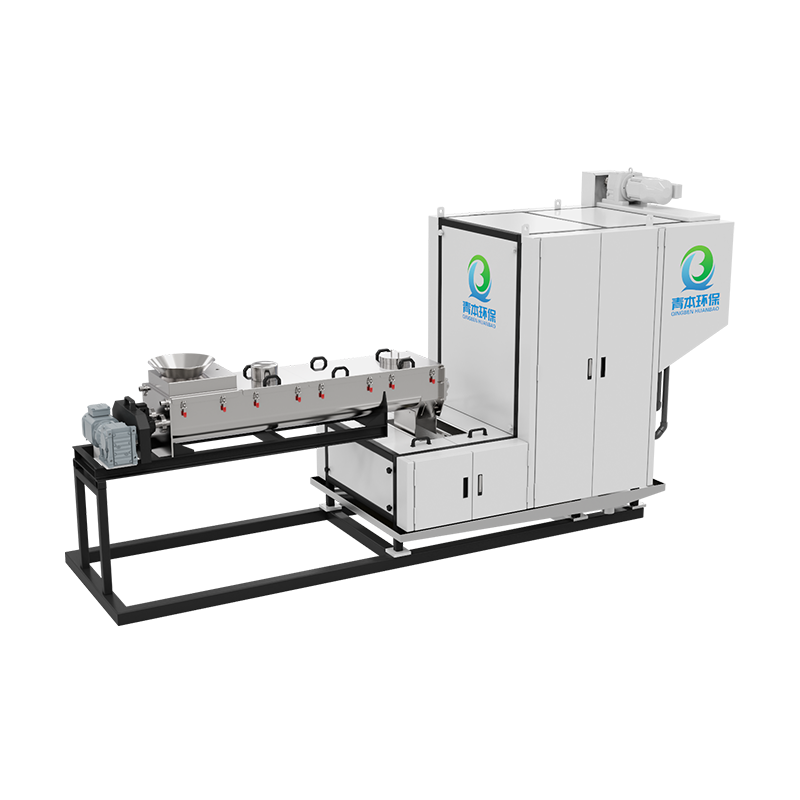
Screw Stacking Dewatering Machine
A compact, low energy unit that skips the concentration mixing tank, mixer, and air compressor. Self-cleaning operation avoids the clogging common to older dewatering equipment, with a working concentration range of roughly 5,000 to 50,000 mg/L across chemical, food and beverage, municipal, and water plant sludge.
Mobile Screw Press Dewatering Truck
A dedicated vehicle for septic tank cleaning and solid-liquid separation without tank restrictions, built for continuous operation at schools, breeding farms, and slaughterhouses without the round-trip transport that fixed installations require.
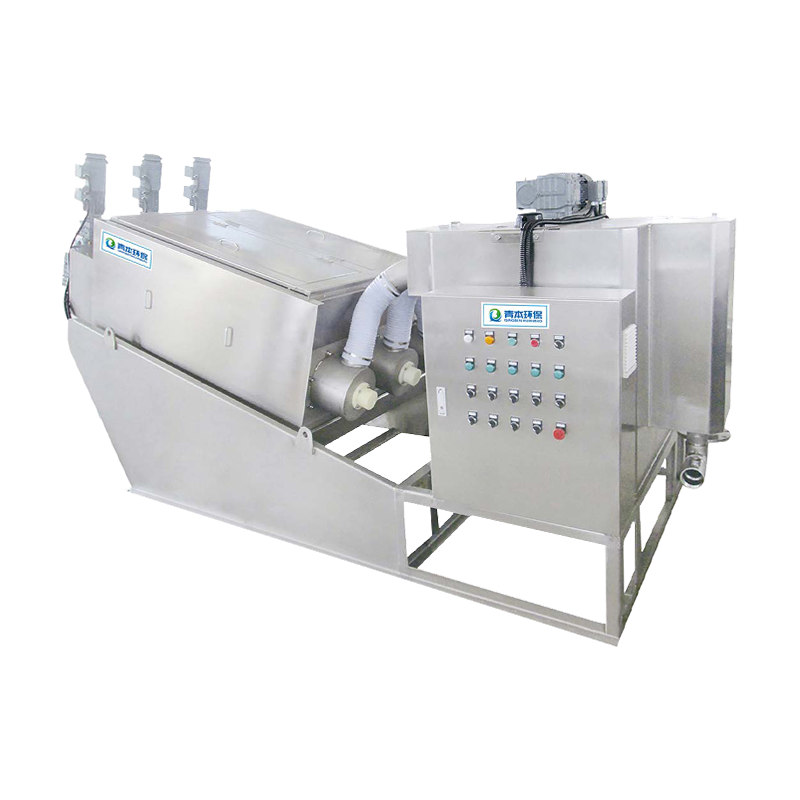
Belt Thickening And Dewatering Machine
Combines concentration and dewatering in one pass for sludge that has not been pre-thickened, using gravity dewatering on the filter belt for larger processing volumes, with an integrated fuselage for smooth, low-noise running and on-site or remote control.
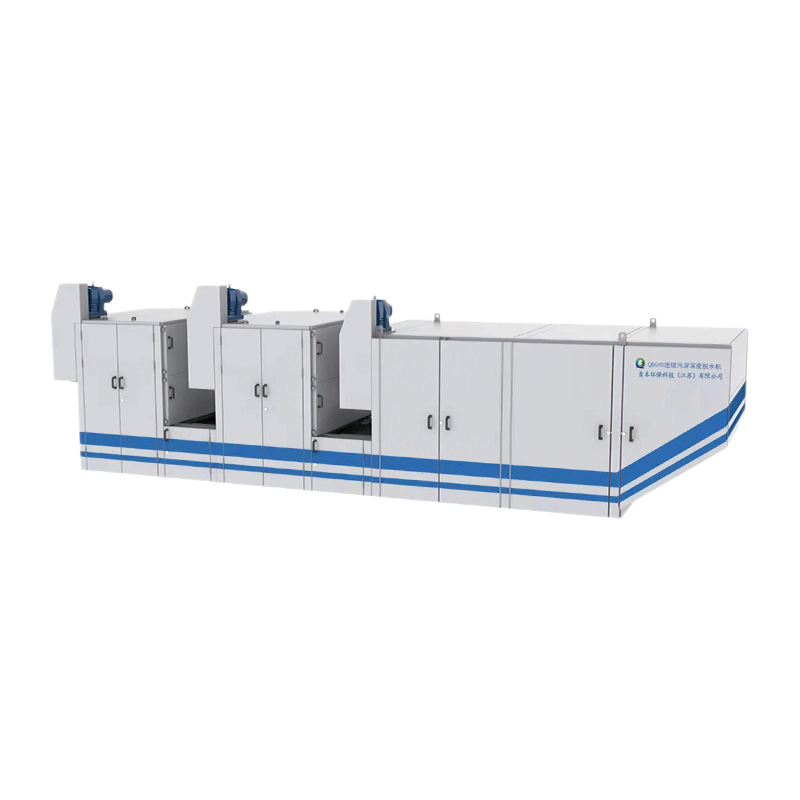
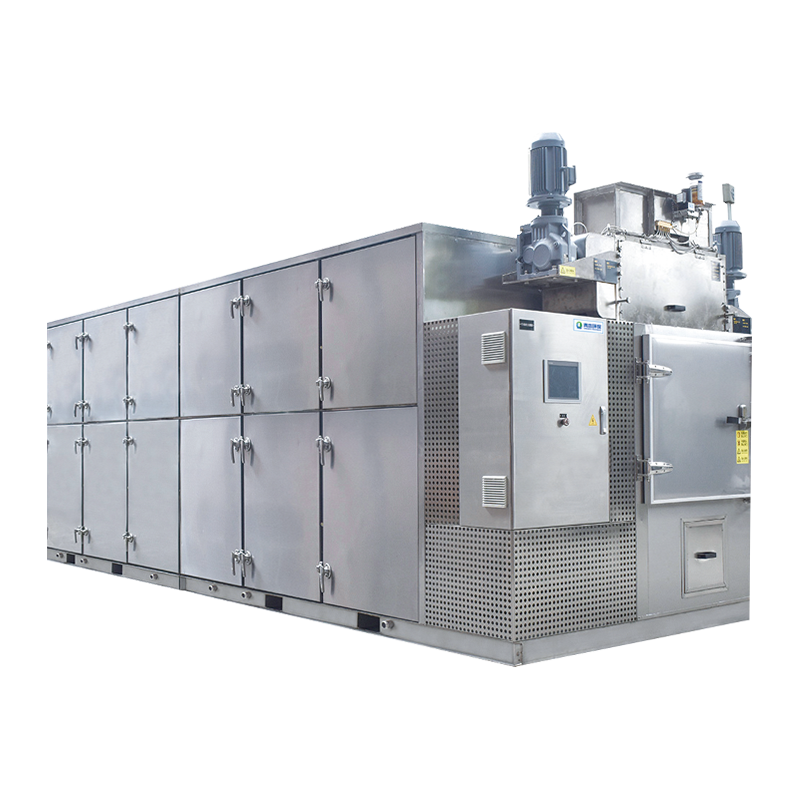
Sludge Deep Dewatering Equipment
Reduces sludge moisture from around 80 percent toward 60 percent or below across three processing steps, releasing water from fine internal particles for a fluffier cake structure, with a fully enclosed design for odor collection and automatic cake discharge.
High Pressure Belt Continuous Machine
Applies continuous high-pressure, high-shear two-dimensional pressing for deep dehydration, with the option of a local ultra-high-pressure pressing system configured for specific mud properties and processing requirements.
Sludge Modification Mixer
Adapts to changing mud quality and modification requirements for continuous mixing and discharge, with a closed structure that supports efficient reaction and odor collection.
Frequently Asked Questions About Sludge Dewatering Machines
Q1. What is sludge dewatering
Sludge dewatering is the mechanical process of removing water from collected sludge so the remaining solid cake is lighter, more stable, and easier to transport, store, or dispose of.
Q2. How does sludge dewatering work
Sludge is typically conditioned with a flocculant, then pressed or squeezed inside the machine, such as a rotating screw shaft or moving filter belt, so water drains away while solids are compacted into a cake.
Q3. Which sludge dewatering machine is best
There is no single best model for every site. A screw press suits compact, low-maintenance continuous operation, a belt press suits higher volumes of un-thickened sludge, and deep dewatering equipment suits sites that need lower residual moisture.
Q4. What size sludge dewatering machine do I need
Sizing depends on daily sludge volume, inlet concentration, and available operating hours. Sampling actual sludge before selecting a model gives a far more reliable sizing basis than estimating from general assumptions.
Q5. What sludge concentration is suitable
Screw press type equipment generally works well across an inlet concentration range of about 5,000 mg/L to 50,000 mg/L, covering most municipal, food and beverage, and chemical plant sludge sources.
Q6. How much water can be removed
A single-stage press reduces moisture to a level suitable for composting or transport, while a multi-stage deep dewatering line can bring sludge that entered near 80 percent moisture down to 60 percent or below.
Q7. Is a separate concentration tank always required
Not with every design. Self-cleaning screw stacking dewaterers are built to skip the concentration mixing tank, mixer, and air compressor that older systems typically need.
Q8. How much floor space does the equipment need
Screw press units generally occupy a small footprint compared with belt-type systems of similar throughput, while mobile truck units remove the fixed footprint question entirely for decentralized sludge sources.