

Content
- 1 What Is a Low Temperature Sludge Drying System
- 2 How Does a Low Temperature Sludge Dryer Work
- 3 Typical Operating Temperature Range for Sludge Drying
- 4 Moisture Content Reduction During the Drying Cycle
- 5 Energy Consumption Compared Across Drying Methods
- 6 Heat Pump Sludge Dryer Technology Explained
- 7 Comparing Sludge Drying Technologies
- 8 Core Components of a Low Temperature Sludge Drying System
- 9 Industrial Applications of Low Temperature Sludge Drying
- 10 How to Select a Reliable Sludge Drying Equipment Manufacturer
- 11 Product Range and Custom Configuration Options
- 12 Maintenance Practices for Long Term Reliable Operation
- 13 About Qingben Environmental Technology
- 14 Frequently Asked Questions
What Is a Low Temperature Sludge Drying System
A low temperature sludge drying system is processing equipment that reduces the moisture content of sewage or industrial sludge through controlled heat exchange at a relatively mild temperature band, generally between 60 and 100 degrees Celsius, rather than the high heat used in conventional thermal drying or incineration routes. A low temperature sludge dryer built around this principle can bring sludge with roughly 83 percent water content down to a dry cake with around 10 to 30 percent moisture, with a corresponding volume and weight reduction that can reach as high as 90 percent.
Because the process runs within this lower temperature band, oxidation risk and fire hazard during handling are reduced compared with high heat drying, and the treated material also tends to see a meaningful drop in pathogen activity, with effective sterilization performance reaching up to 90 percent under proper operating conditions. This combination makes a low temperature sludge drying system a practical option for municipal wastewater plants and industrial facilities that need to shrink sludge volume before transport, disposal, or reuse, without the heavy fuel demand associated with high temperature drying.
Once the dried output reaches that 10 to 30 percent moisture range, it becomes far easier to manage for degasification, co-blending and burning, composting, or as a raw material input for building materials and other resource recovery pathways. This is one reason the technology has become a standard reference point when municipal and industrial sites plan sludge reduction projects.
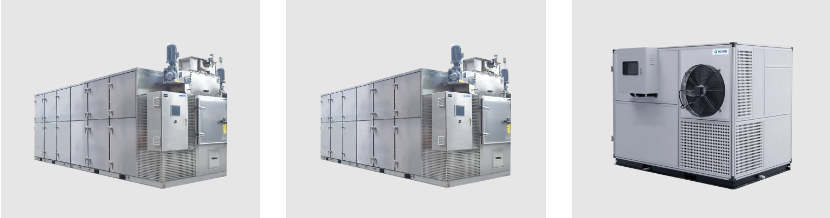
How Does a Low Temperature Sludge Dryer Work
The working principle behind a low temperature sludge dryer is built around a closed air loop rather than an open flame or direct combustion heat source. Wet sludge is spread across a conveying surface inside an insulated chamber, warm dry air is circulated across the material to carry away moisture, and that moist air is then passed through a dehumidification stage where the water is condensed out and drained away. The dried air is reheated and sent back through the chamber, which keeps energy loss to a minimum across the cycle.
Feeding and Even Distribution
Sludge enters the system through a feeding hopper and is spread in a thin, even layer across the drying surface. Even distribution matters because thick or uneven layers slow moisture release and create inconsistent output, so most low temperature sludge drying system designs include a leveling mechanism at the feed point.
Low Temperature Heat Exchange Chamber
Inside the chamber, air is heated to the target range, commonly 60 to 100 degrees Celsius, and passed across or through the sludge layer. The lower temperature reduces the chance of surface hardening or case formation on the sludge particles, which in turn helps moisture continue migrating from the interior of each particle toward the surface throughout the drying cycle.
Moisture Evaporation and Condensate Recovery
As air absorbs moisture from the sludge, it is routed to a condensing coil or dehumidification unit where water vapor is converted back to liquid and drained off. This step is central to keeping the process efficient, since recovering that moisture load and reheating the same air stream avoids the energy cost of constantly drawing in and heating fresh outside air.
Dry Sludge Discharge and Downstream Handling
Once the sludge reaches the target moisture band, it is discharged through a screw conveyor or belt outlet for downstream handling, whether that is composting, co-blending and burning, or use as an input for building material production. Exhaust air that is released from the system typically passes through an odor treatment stage before release.
Typical Operating Temperature Range for Sludge Drying
Temperature choice is one of the clearest ways to tell drying technologies apart. A low temperature sludge drying system typically runs in the 60 to 100 degree Celsius band, while rotary drum thermal dryers and incineration-assisted routes climb far higher. The table and chart below summarize approximate ranges commonly referenced when comparing these categories for planning purposes.
| Drying Method | Typical Temperature Range | General Characteristic |
|---|---|---|
| Low Temperature Sludge Drying System | 60°C to 100°C | Gentle, closed loop, lower energy demand |
| Belt Conveyor Hot Air Drying | 120°C to 180°C | Moderate throughput, higher air exchange rate |
| Rotary Drum Thermal Drying | 200°C to 400°C | High throughput, higher fuel demand |
| Incineration-Assisted Drying | 600°C to 850°C | Very high heat, reserved for specific waste streams |
Temperature Range Comparison Chart
Illustrative comparison of upper-end operating temperatures across common sludge drying method categories
Moisture Content Reduction During the Drying Cycle
The final moisture content after sludge drying depends on incoming sludge properties, retention time, and system configuration, but a low temperature sludge drying system is commonly designed to bring sludge down from around 83 percent moisture to a target range of 10 to 30 percent. The chart below illustrates a typical stage-by-stage moisture reduction curve across a drying cycle, from wet feed to dry discharge.
Typical stage-by-stage moisture content reduction pattern across a low temperature sludge drying cycle
Energy Consumption Compared Across Drying Methods
Energy use per ton of processed sludge is one of the most practical figures for planning a project budget for utilities and equipment sizing. A low temperature sludge dryer built around closed loop air recirculation and, in many configurations, a heat pump sludge dryer arrangement, generally consumes noticeably less energy per ton than rotary drum or flash drying methods that rely on continuously heating large volumes of fresh air.
Approximate energy use in kilowatt hours per ton of sludge processed, shown for general comparison only
Heat Pump Sludge Dryer Technology Explained
A heat pump sludge dryer uses a refrigeration cycle rather than a direct fuel-fired heater to raise air temperature inside the drying chamber. Refrigerant absorbs heat from the outgoing moist air, is compressed to raise its temperature further, and then releases that heat back into the incoming dry air stream. Because the same energy is reused across the loop instead of being vented outside, this configuration is one of the more energy conscious approaches within the broader category of low temperature sludge drying system designs.
This closed loop approach also supports more consistent temperature control, which matters for sludge streams with variable composition, such as those coming from printing and dyeing, papermaking, electroplating, chemical processing, leather treatment, and pharmaceutical operations. Consistent temperature control reduces the chance of localized overheating or under-drying within a single batch.
Comparing Sludge Drying Technologies
Choosing between a low temperature sludge drying system, a rotary drum dryer, a belt conveyor thermal dryer, or open air solar drying usually comes down to weighing several factors at once rather than picking on a single metric. The radar chart below lines up four commonly referenced technology categories across energy efficiency, odor control, automation level, footprint efficiency, and moisture reduction rate, using a simple 0 to 10 scale for general comparison.
General comparison across five dimensions, based on typical characteristics referenced for each technology category
Core Components of a Low Temperature Sludge Drying System
Most systems share a common set of building blocks, even when the layout is adapted for a specific industrial sludge drying system project. Understanding these parts helps when comparing proposals from different suppliers or evaluating an existing installation.
- Sludge feeding and even distribution unit
- Insulated low temperature drying chamber
- Heat pump or waste heat exchange module
- Air circulation and dehumidification system
- Condensate collection and discharge line
- Automated control and monitoring panel
- Dry sludge discharge and conveying unit
- Exhaust air and odor treatment module
Industrial Applications of Low Temperature Sludge Drying
An industrial sludge drying system built on low temperature principles is used across a wide range of sectors, since the gentle heat profile suits sludge with variable composition better than high heat routes in many cases. The table below outlines common sludge sources and what tends to matter most for each one during drying.
| Industry Sector | Sludge Source | Drying Consideration |
|---|---|---|
| Municipal Wastewater | Primary and secondary treatment sludge | High volume, steady throughput needs |
| Printing and Dyeing | Dye wastewater sludge | Color compounds, odor control importance |
| Papermaking | Pulp and paper mill sludge | Fibrous content, variable initial solids |
| Electroplating | Metal-bearing process sludge | Careful handling before further reuse steps |
| Chemical Industry | Process wastewater sludge | Variable composition, batch drying needs |
| Leather Processing | Tannery sludge | Odor management, organic load |
| Pharmaceuticals | Biological and process sludge | Consistent low temperature control |
How to Select a Reliable Sludge Drying Equipment Manufacturer
Comparing proposals from more than one sludge dryer manufacturer is worth the time, since the right fit depends on sludge properties at the specific site as much as it does on the equipment itself. A few practical points tend to separate a well matched proposal from a generic one.
- Engineering experience across both municipal and industrial sludge types
- Ability to size a low temperature sludge dryer to the actual moisture and composition of the feed sludge
- Availability of a full equipment line, from dewatering machines through to complete wastewater treatment systems
- Reference installations across a range of industries, not a single sector
- Clear technical support from consultation through design, construction, and operation
- Transparent communication about maintenance needs and spare parts availability
Product Range and Custom Configuration Options
Because sludge composition and site conditions vary so widely, a single fixed design rarely fits every project. Several configurations are commonly available within the low temperature sludge drying system category, each suited to a different layout or heat source situation.
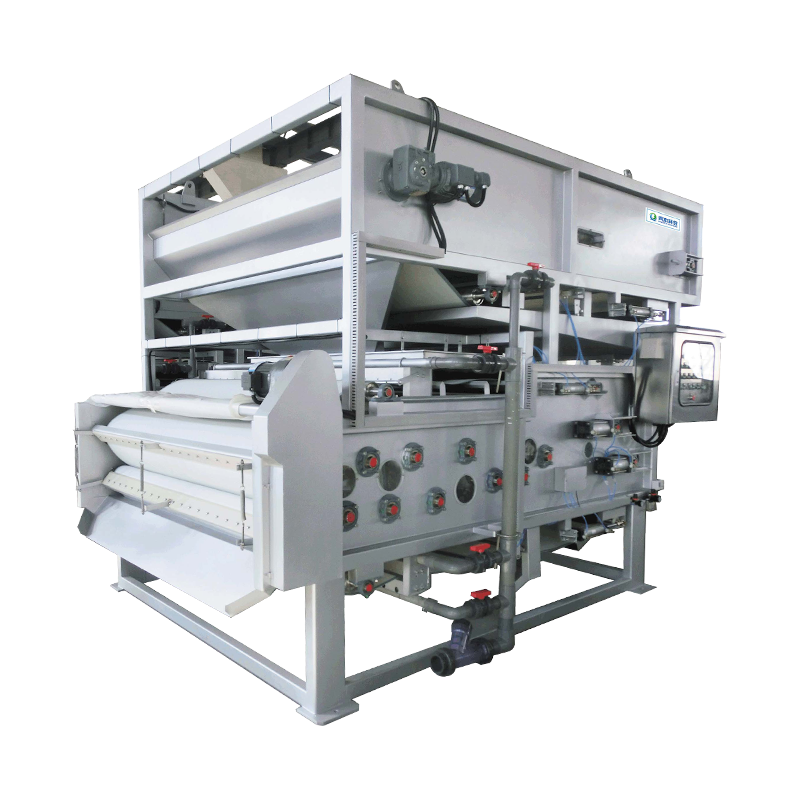
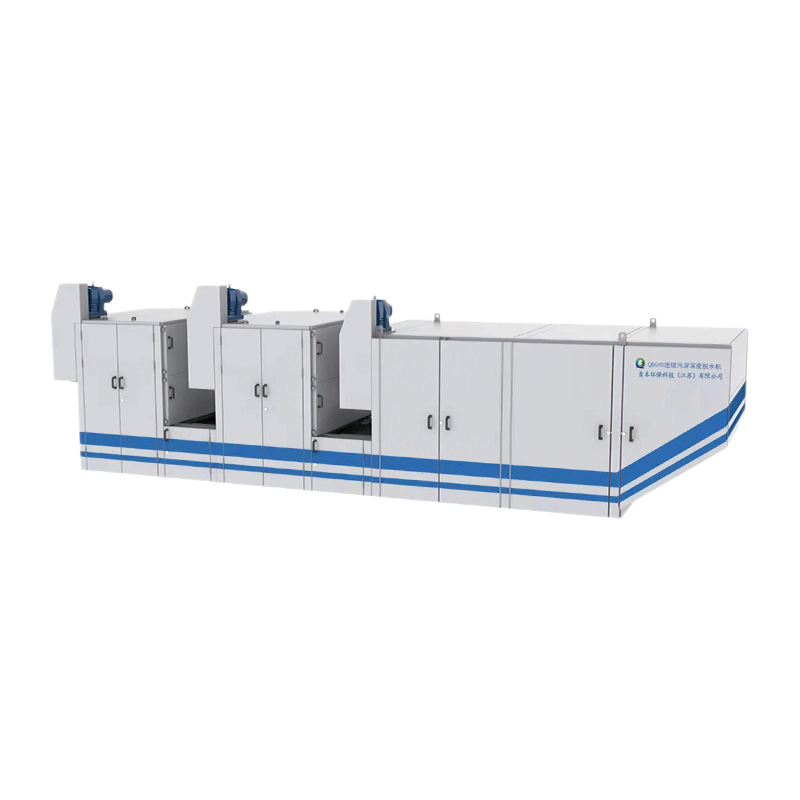
Low Temperature Belt Type Sludge Drying Machine
This configuration uses a continuous belt conveying design suited to steady, ongoing throughput, making it a practical fit for municipal plants and industrial sites that generate sludge on a consistent daily basis.
Sludge Drying Machine for Low Temperature Waste Heat
This configuration is built to take advantage of waste heat already available from other plant processes as its primary energy input, which can reduce the additional heating load a site needs to supply on top of existing operations.
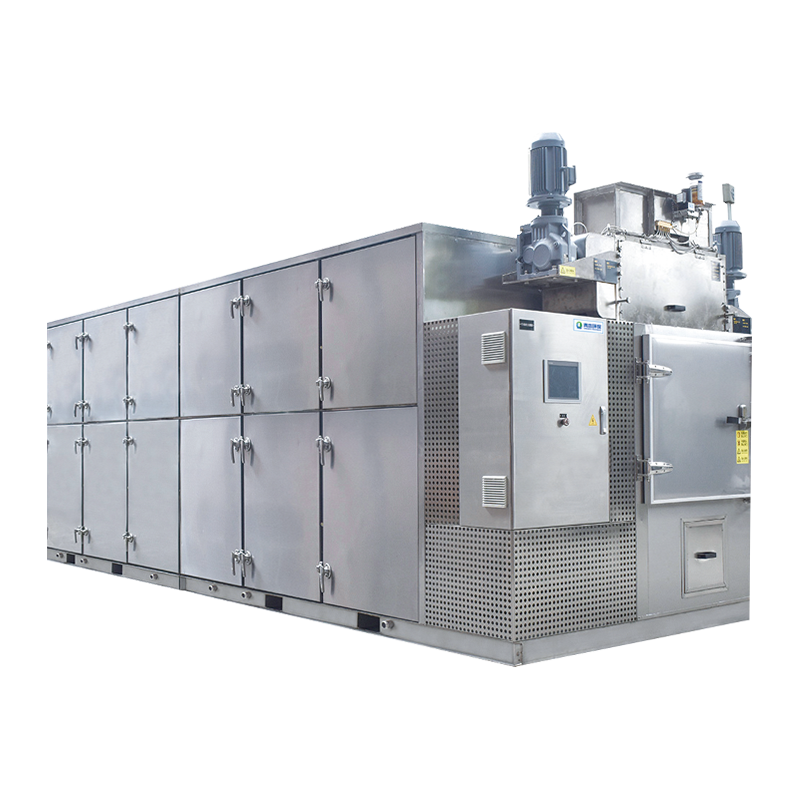
Sludge Cryogenic Chamber Drying Machine
This chamber based configuration suits batch processing or sites with a smaller available footprint, offering flexibility where continuous belt style layouts are not practical.
For projects with unusual sludge characteristics, space constraints, or integration requirements, an OEM sludge drying system arrangement or working with a custom sludge dryer supplier allows the chamber size, air handling capacity, and control layout to be adjusted around the actual site conditions rather than forcing a standard unit into a mismatched application.
Maintenance Practices for Long Term Reliable Operation
Routine maintenance keeps a low temperature sludge drying system running at its intended efficiency and helps avoid unplanned downtime. The points below cover the areas that typically need the most regular attention.
- Routine belt and conveyor inspection for wear or misalignment
- Regular condensate drain and filter cleaning
- Heat exchanger surface checks to prevent scale buildup
- Sensor and control calibration checks
- Scheduled air duct and exhaust path cleaning
- Lubrication of moving mechanical parts according to the equipment manual
About Qingben Environmental Technology
Qingben Environmental Technology (Jiangsu) Co., Ltd. is a professional enterprise focused on the manufacturing and service of sludge and wastewater treatment equipment. Work centers on research and development across sludge and wastewater treatment, with a product range that includes decanter sludge dewatering machines, sludge drying equipment, complete sets of wastewater treatment equipment, river and lake sediment drying equipment, and related technical services.
As a China based low temperature sludge dryer manufacturer and sludge drying equipment factory, comprehensive technical support is provided from project consultation and design through construction, operation, and maintenance, aimed at supporting the successful implementation and steady running of sewage treatment and sludge treatment projects. Our sludge low temperature drying equipment can directly dry sewage or sludge with around 83 percent water content down to 10 to 30 percent moisture dry sludge, with reduction reaching as high as 90 percent and effective sterilization up to 90 percent, while keeping energy consumption low and avoiding secondary pollution. This makes it suitable for both municipal sludge and a wide range of industrial sludge streams, including printing and dyeing, papermaking, electroplating, chemical industry, leather, and pharmaceutical applications.
Frequently Asked Questions
| Q1. What is a low temperature sludge drying system It is drying equipment that reduces sludge moisture using controlled low temperature heat exchange, typically in the 60 to 100 degree Celsius range, instead of high temperature thermal processing. |
Q2. How does a low temperature sludge dryer work Sludge is fed onto a conveying surface inside a closed chamber where warm, dry air circulates continuously, moisture is condensed out of the air stream, and the air is reheated and recirculated. |
| Q3. What temperature is used for sludge drying Low temperature systems generally operate between 60 and 100 degrees Celsius, while conventional thermal dryers can run well above 150 degrees Celsius. |
Q4. What is the final moisture content after sludge drying Depending on the incoming sludge and system configuration, final moisture content commonly falls between 10 and 30 percent. |
| Q5. Is low temperature sludge drying energy efficient Because the process runs at a lower temperature and often recovers heat from the air stream, energy use per ton of processed sludge is typically lower than high temperature thermal drying. |
Q6. Can heat pumps be used for sludge drying Yes, a heat pump sludge dryer uses a refrigeration cycle to extract and reuse heat within a closed air loop, which is a common energy conscious approach to low temperature drying. |
| Q7. What is the best sludge drying technology There is no single technology that fits every project, the right choice depends on sludge characteristics, throughput needs, available space, and energy considerations for the actual site. |
Q8. What are the advantages of low temperature drying Advantages generally include lower energy demand, reduced fire and oxidation risk, better odor control, and dried output suitable for composting, co-blending, or use as a raw material for building materials. |