

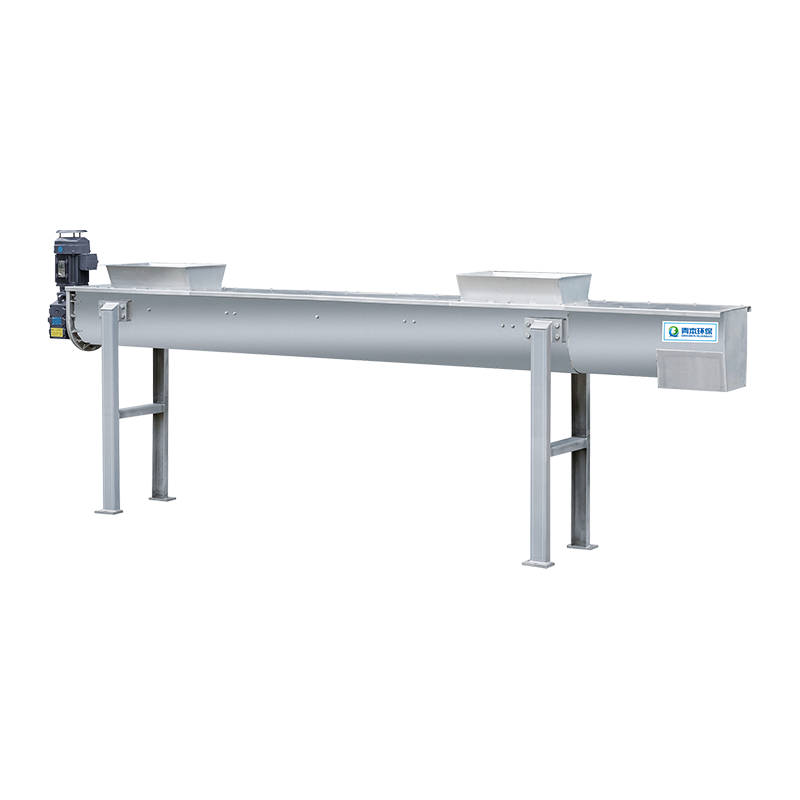
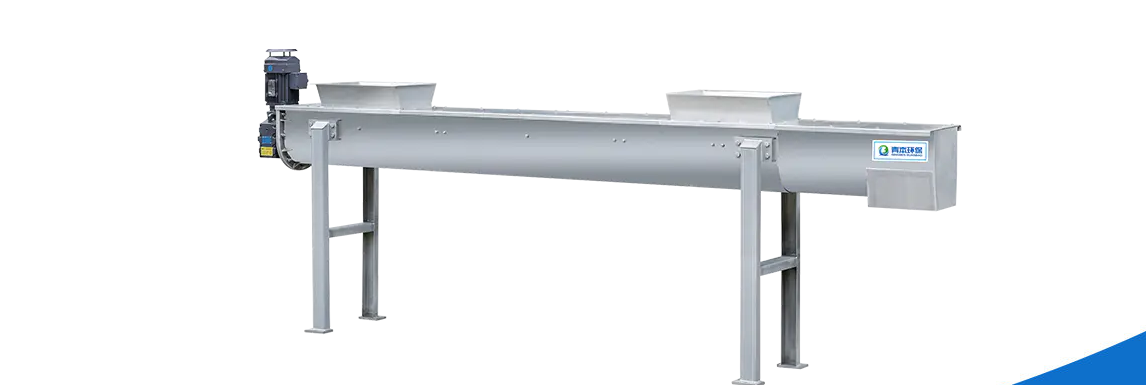
Screw conveyors are widely used in industries such as grain, chemical, building materials, metallurgy, and environmental protection due to their simple structure, stable conveying, and wide applicability to various materials. How to ensure long-term stable operation, reduce failure rates, and minimize maintenance costs is one of the most pressing concerns for businesses. This article will analyze how to effectively extend the service life of screw conveyors from multiple perspectives.
1. Design and Selection Stage
(1) Choosing the Appropriate Type and Parameters
Different materials have vastly different characteristics, such as particle size, moisture content, abrasiveness, and temperature. Improper selection can lead to overload or wear, accelerating aging.
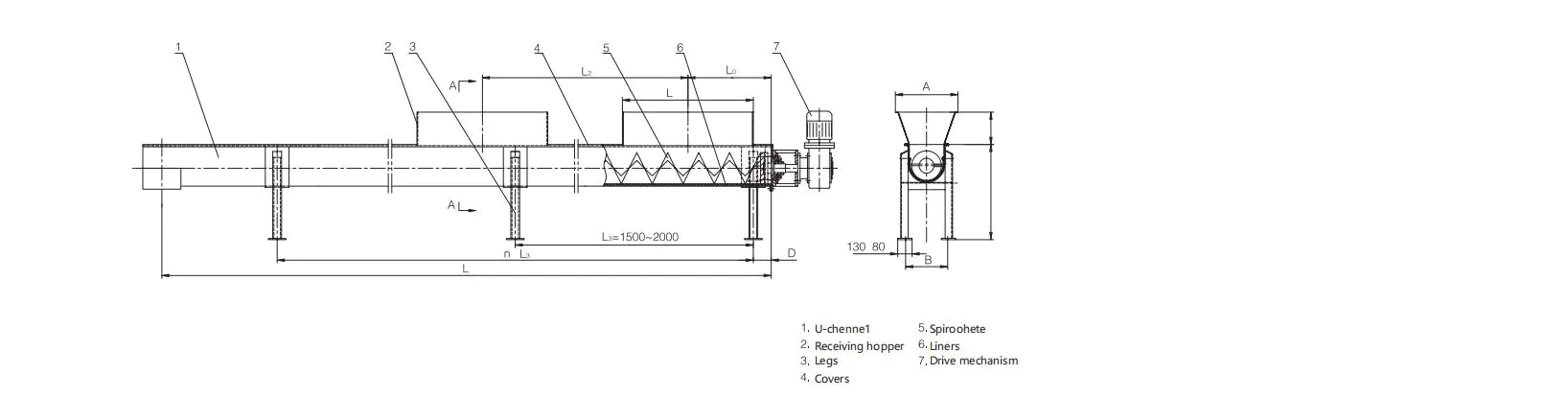
For example, wear-resistant blades should be selected for conveying highly abrasive materials; high-temperature bearings and housing materials should be selected for high-temperature resistant materials.
(2) Reasonably Setting the Conveying Length
Screw conveyors should not be used for excessive lengths or heights, otherwise the motor load will be high and the blades will wear quickly. Horizontal conveying is usually best; if tilting is necessary, the tilt angle should be controlled below 20°.
(3) Configure suitable drive power
Insufficient power leads to frequent overloads, while excessive power increases energy consumption. Accurate calculations should be made based on material density, conveying capacity, and conveying distance.
2. Extend equipment lifespan through daily lubrication and maintenance
(1) Regularly lubricate bearings and reducers
Bearings in screw conveyors are high-load components; poor lubrication can lead to overheating, jamming, or even burnout. Oil should be added or changed according to the manufacturer's requirements, and the grease should be kept clean.
(2) Check the tightness of connecting parts
Screws may loosen after long-term operation, causing casing vibration, shaft misalignment, and increased noise. It is recommended to check key nodes weekly.
(3) Regularly clean up material residue
Material accumulation increases resistance, raises motor load, and accelerates blade wear. Highly viscous or wet materials require timely cleaning.
3. Extend screw conveyor lifespan through correct operation
(1) Follow the no-load start principle
Screw conveyors must be started under no-load conditions, and material should only be added after operation has stabilized. Starting under load will cause instantaneous motor overload, reducing lifespan.
(2) Uniform Feeding
Uneven feeding can cause local blockages or overload. Feeding should be done evenly using a feeder or manually to maintain continuous conveying.
(3) Prohibition of Overloading
If the equipment exhibits motor overheating, increased conveying resistance, or abnormal noise, it should be stopped immediately for inspection, rather than forced to continue operation.
4. Extending Service Life Through Component Materials and Wear-Resistant Protection
(1) Selection of Wear-Resistant Blade Materials
Highly abrasive materials (such as cement, mineral powder, and sand) require wear-resistant steel plates or wear-resistant liners, which can significantly reduce the wear rate.
(2) Installation of Wear-Resistant Bushings on the Housing
Installing replaceable bushings at the most easily worn parts of the housing (feed inlet, blade tail) can extend the overall service life of the housing.
(3) Use of High-Quality Bearings and Seals
Low-quality bearings are easily damaged, and aging seals can cause dust to enter the bearings, accelerating failure.
5. Extending Service Life Through Operation Monitoring and Fault Prevention
(1) Monitoring Motor Current, Temperature, and Noise
These indicators reflect the equipment's load. Abnormal fluctuations indicate problems such as wear, jamming, or loosening.
(2) Timely Handling of Abnormal Phenomena
Including abnormal noise, vibration, blockage, abnormal temperature, and shaft detachment. The earlier these are addressed, the less damage can be caused.
(3) Establishing an Equipment Inspection System
For continuous production enterprises, establishing a system of daily inspections, weekly checks, and monthly maintenance can significantly reduce the failure rate.
6. Extending Service Life Through Blockage and Deviation Protection
(1) Installing Blockage Protection Devices
Such as material blockage sensors, which can automatically stop the machine when material blockage occurs, preventing damage to the motor and blades.
(2) Avoiding Prolonged Idle Running
Idle running increases friction in mechanical parts and easily generates metal sparks, accelerating wear.
(3) Controlling the Quality of Impurities in Materials
Hard objects such as stones and iron blocks can severely wear down or damage the blades. A screening device should be installed before the equipment.
7. Regularly replace vulnerable parts to extend overall service life
(1) Replace blades, bearings, and seals regularly. These components are highly wear-prone; timely replacement can prevent further damage.
(2) Do not use inferior replacement parts. Cheap but substandard parts can lead to frequent malfunctions and even damage to the entire machine.
(3) Record replacement cycles. Establishing maintenance records allows for accurate prediction of the next maintenance time, improving equipment stability.
Extending the service life of a screw conveyor requires a multi-pronged approach, including selection, operation, materials, maintenance, monitoring, and prevention. As long as companies manage daily operations well, operate according to procedures, and maintain them promptly, screw conveyors can maintain high efficiency, low failure rate, and long service life, effectively reducing equipment costs and improving production efficiency.