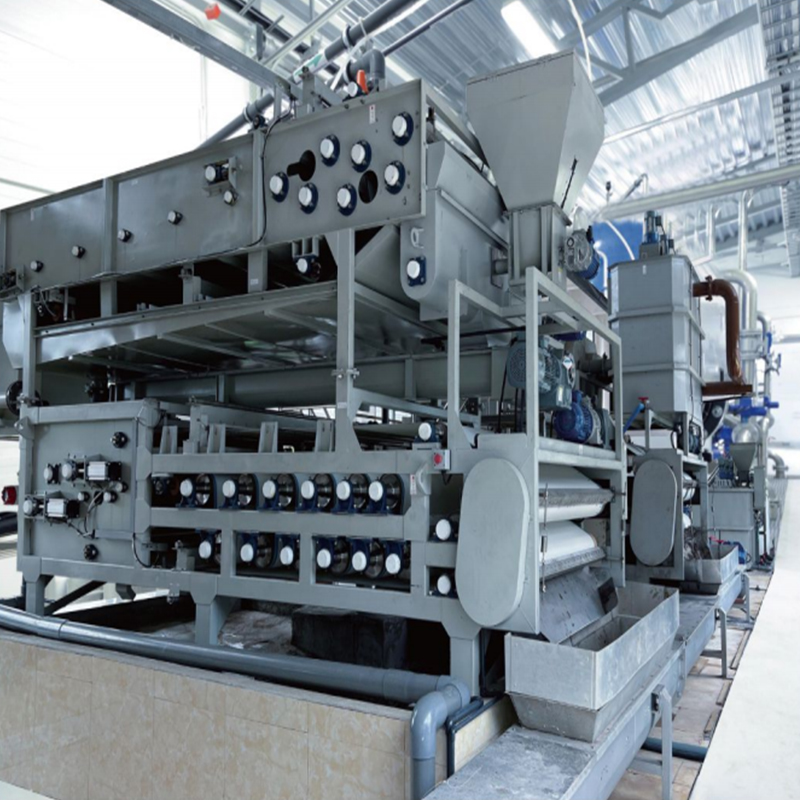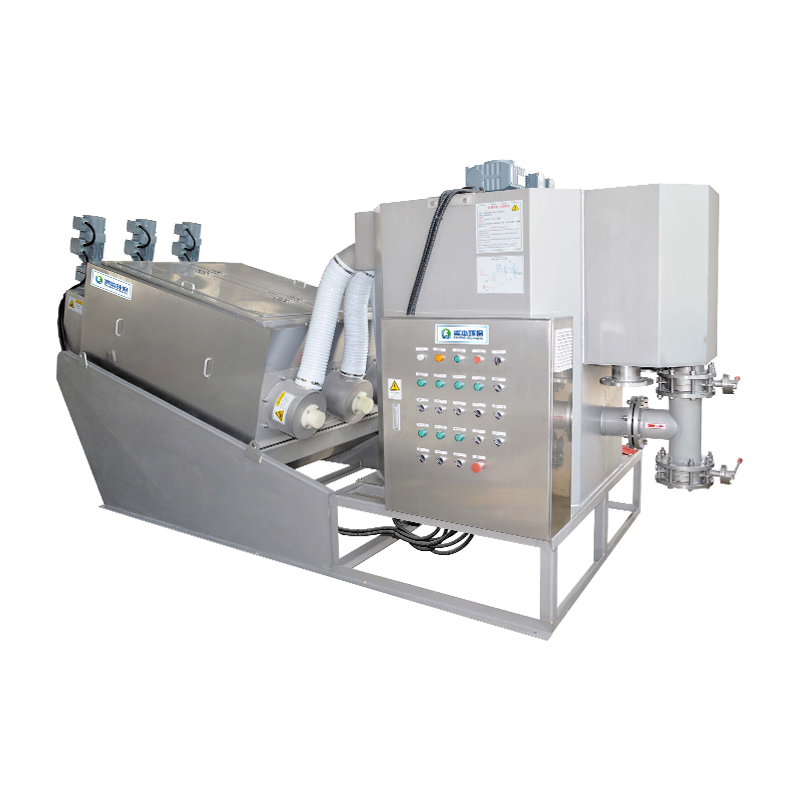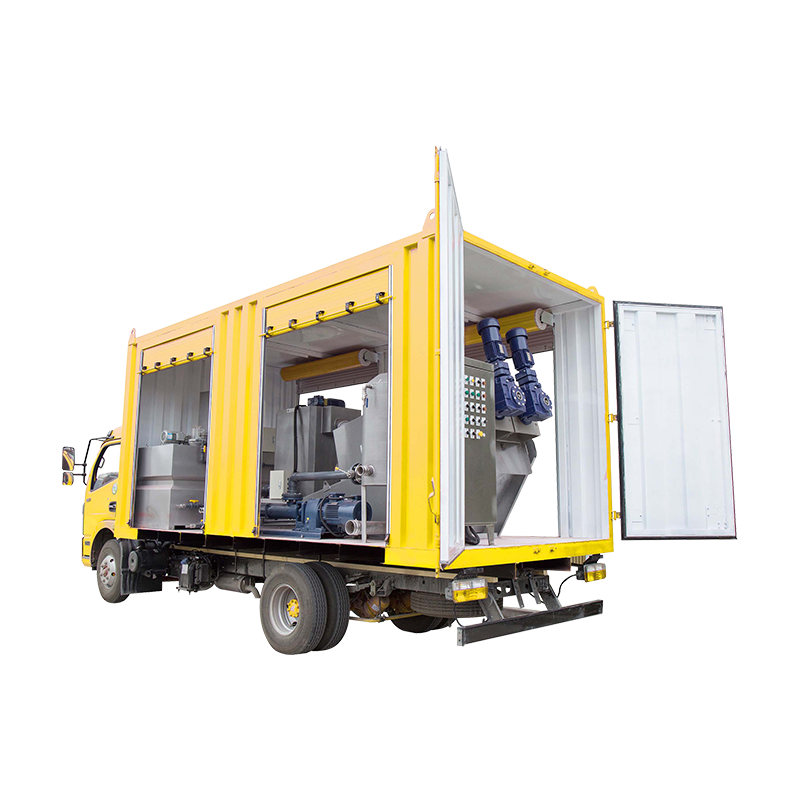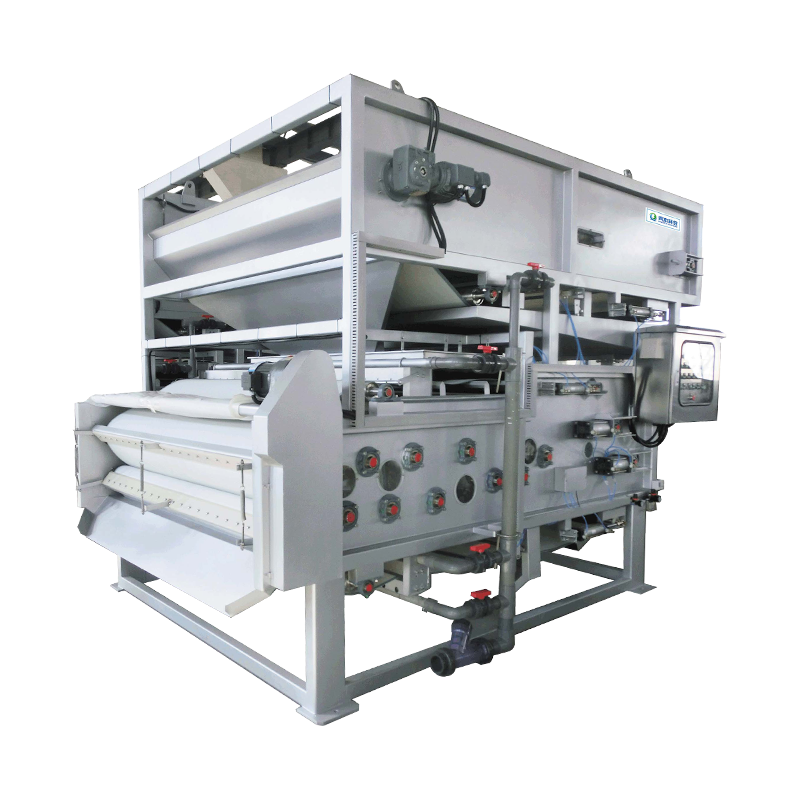


With rapid urbanization, wastewater treatment and sludge treatment have become crucial issues in the modern environmental protection industry. Sludge dewatering and treatment are not only key to the operation of water treatment plants but also essential for improving resource recycling rates and reducing environmental pollution. As environmental requirements become increasingly stringent, traditional sludge dewatering methods have gradually revealed problems such as low efficiency, high energy consumption, and large footprint. This has made the high-efficiency, energy-saving, and environmentally friendly high-pressure belt continuous sludge deep dewatering machine the preferred choice for an increasing number of wastewater treatment plants.
1. What is a High Pressure Belt Continuous Sludge Deep Dewatering Machine?
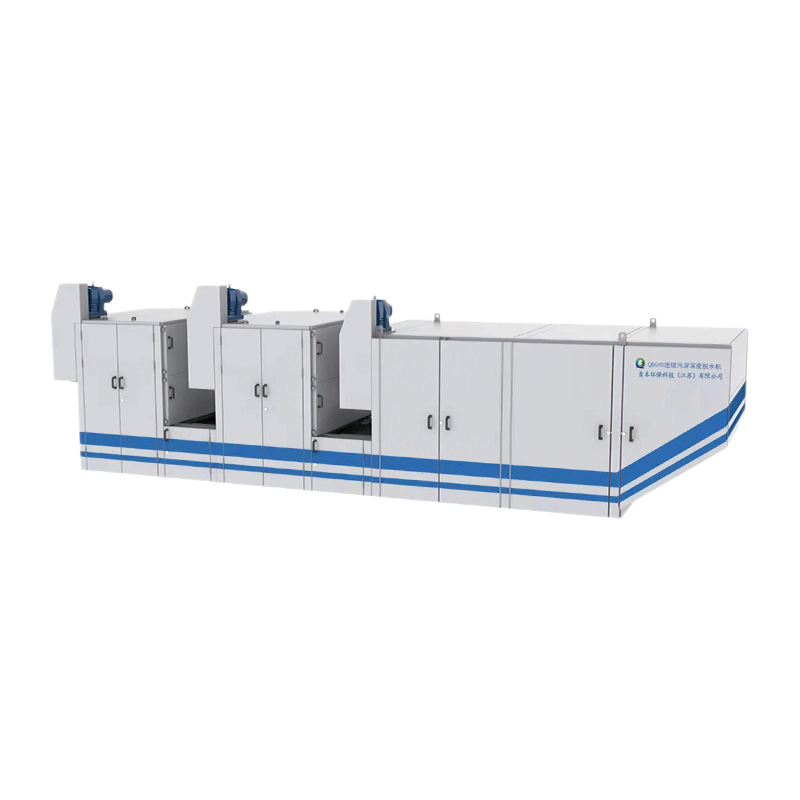
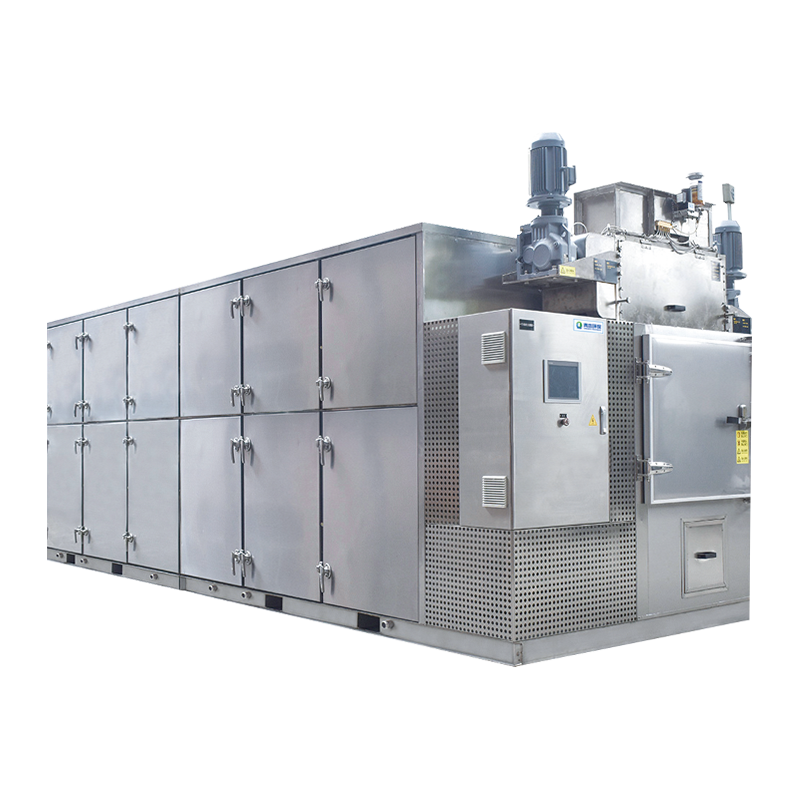
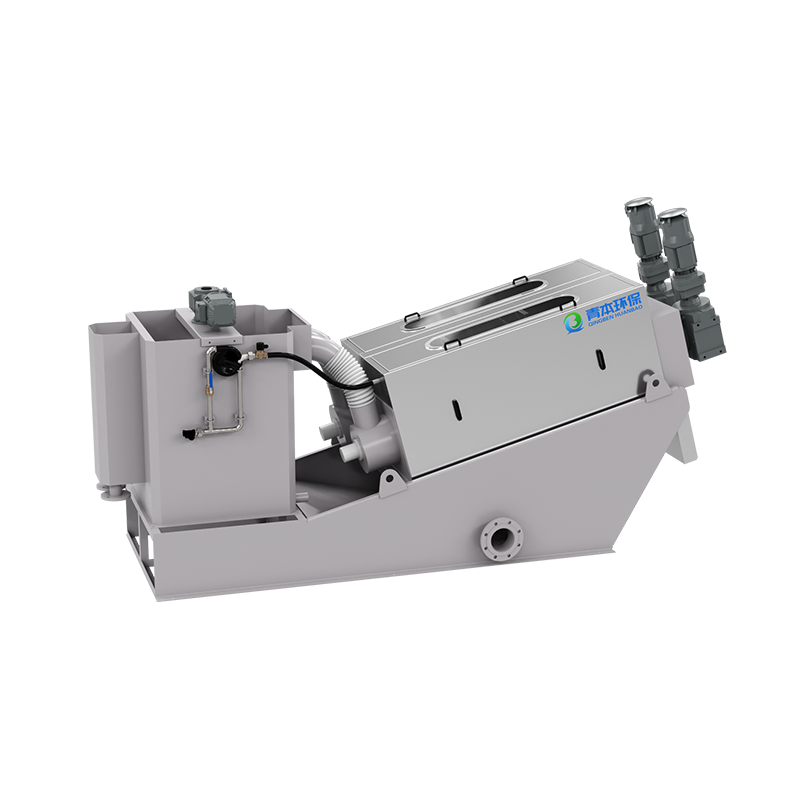
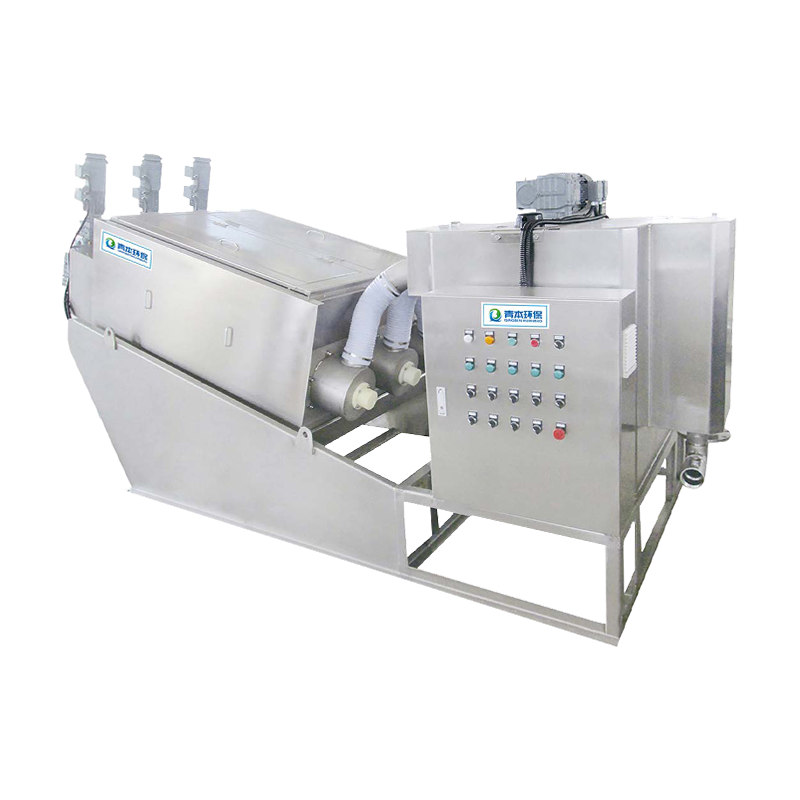
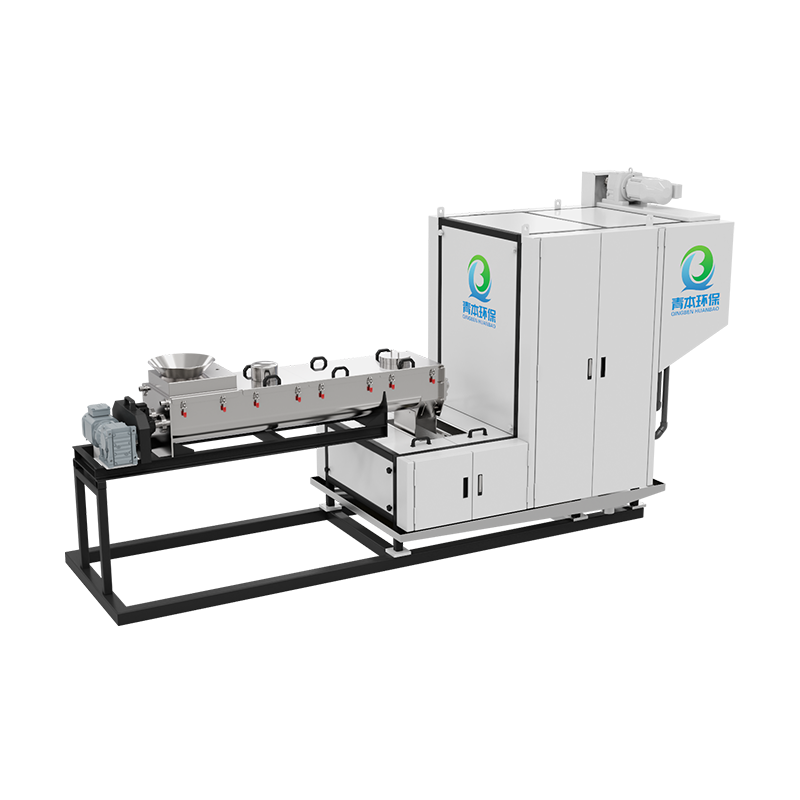
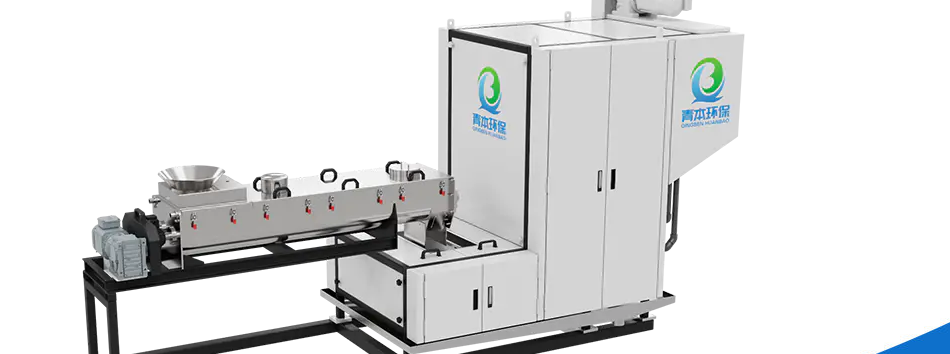
A high-pressure belt continuous sludge deep dewatering machine is a new type of sludge dewatering equipment that uses high-pressure belt filtration technology to further squeeze and remove water from the sludge through high pressure. Compared to traditional sludge dewatering equipment, it has higher dewatering efficiency and lower energy consumption. The main feature of this equipment is its "continuous" operation mode, meaning it can operate continuously to adapt to different processing volumes. Through continuous belt filtration and high-pressure dewatering, the moisture content of the sludge can be significantly reduced, thereby alleviating the pressure on subsequent treatments and improving the treatability of the dewatered sludge.
2. Advantages of Choosing a High-Pressure Belt Continuous Sludge Deep Dewatering Machine
(1) High-Efficiency Dewatering, Reducing Moisture Content
The high-pressure belt continuous sludge deep dewatering machine can significantly reduce the moisture content of sludge through high-pressure pressing and filtration. Compared with traditional dewatering equipment, it can remove moisture from sludge more effectively, typically achieving a lower moisture content. This feature greatly reduces the volume of sludge, thereby reducing the burden of subsequent treatments, such as transportation and landfill costs. Lower moisture content also means increased energy density of the sludge, which is beneficial for later resource utilization, such as incineration power generation or fertilizer production.
(2) Energy Saving and Environmental Protection
Compared to traditional centrifuges or belt filters, the high-pressure belt continuous sludge deep dewatering machine consumes significantly less energy during operation. Its high-pressure dewatering and belt filtration not only improve dewatering efficiency but also reduce energy consumption. Simultaneously, due to the continuous operation of the equipment, production efficiency is enhanced, enabling more dewatering work to be completed in a shorter time. This technological innovation significantly reduces energy consumption and operating costs throughout the sludge treatment process.
(3) Small footprint and flexible installation
Traditional sludge dewatering equipment generally requires a large installation space, and many devices are complex to operate and inconvenient to maintain. In contrast, the high-pressure belt continuous sludge deep dewatering machine has a compact structure, a small footprint, and can adapt to the installation requirements of various sites. Furthermore, its belt filtration and high-pressure dewatering methods do not require complex operating procedures, making daily operation and management more convenient for users.
(4) Simple operation and high degree of automation
The high-pressure belt continuous sludge deep dewatering machine has a high level of automation; most aspects of the equipment operation process can be automatically controlled, reducing manual intervention and operational errors. This equipment can not only automatically adjust the dewatering pressure but also automatically adjust the processing parameters according to the characteristics of the sludge, ensuring the stability and efficiency of sludge dewatering. For wastewater treatment plants, automated operation reduces labor costs and improves work efficiency.
(5) Wide Applicability
The high-pressure belt continuous sludge deep dewatering machine is suitable for various types of sludge treatment, including municipal wastewater treatment plants, industrial wastewater treatment plants, and sludge dewatering in some special industries such as food, papermaking, and chemical industries. Whether it's ordinary urban wastewater treatment sludge or industrial sludge containing a lot of oil, chemicals, etc., this equipment can efficiently complete the dewatering task and meet the needs of different wastewater treatment plants.
3. How to Choose a Suitable High-Pressure Belt Continuous Sludge Deep Dewatering Machine?
When choosing a suitable high-pressure belt continuous sludge deep dewatering machine, the following factors need to be considered:
(1) Type and Characteristics of Sludge: Different types of sludge (such as municipal sludge, industrial sludge, etc.) have different compositions and properties. When selecting, ensure that the equipment can adapt to the characteristics of the sludge, such as moisture content and chemical composition.
(2) Processing Capacity: Select equipment with appropriate processing capacity based on the treatment scale of the wastewater treatment plant and the amount of sludge produced. The equipment's processing capacity should meet the factory's production needs, avoiding energy waste or insufficient processing due to oversized or undersized equipment.
(3) Automation and Control System: The equipment's automation level should meet the factory's operational requirements. An intelligent control system should be able to adjust dewatering pressure and processing parameters based on real-time data to improve efficiency.
(4) Maintenance and Upkeep: Select equipment that is easy to maintain and clean to ensure long-term stable operation and reduce maintenance costs.
High-pressure belt continuous sludge deep dewatering machines, with their high dewatering performance, energy-saving and environmentally friendly features, flexible installation methods, and wide applicability, have become an ideal equipment choice in the sludge treatment field. With the improvement of environmental standards and technological advancements, this equipment will be applied in more industries, helping wastewater treatment plants to treat sludge more efficiently, economically, and environmentally, promoting sustainable environmental protection.