

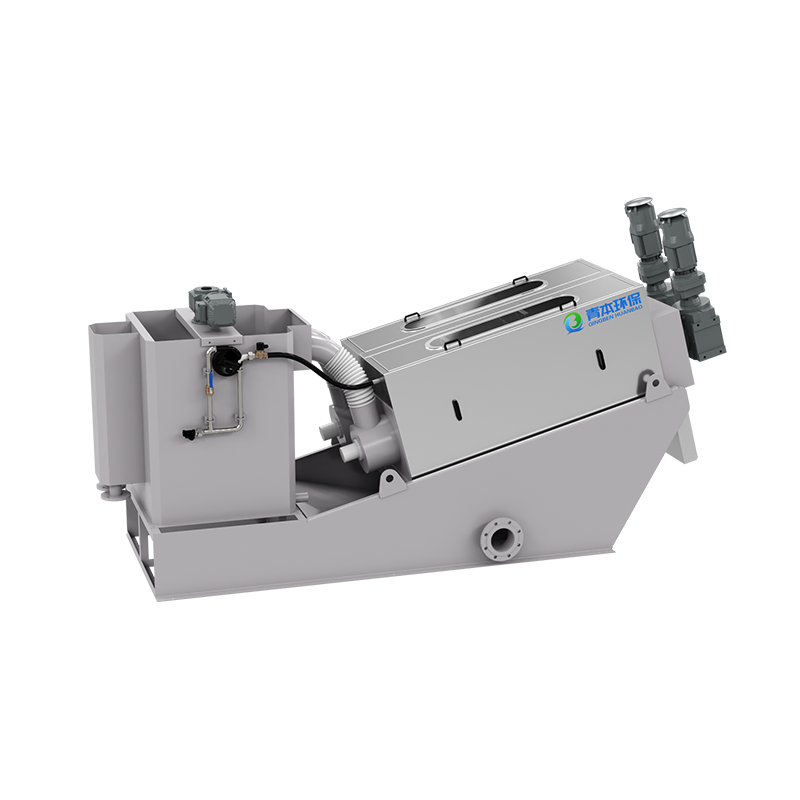
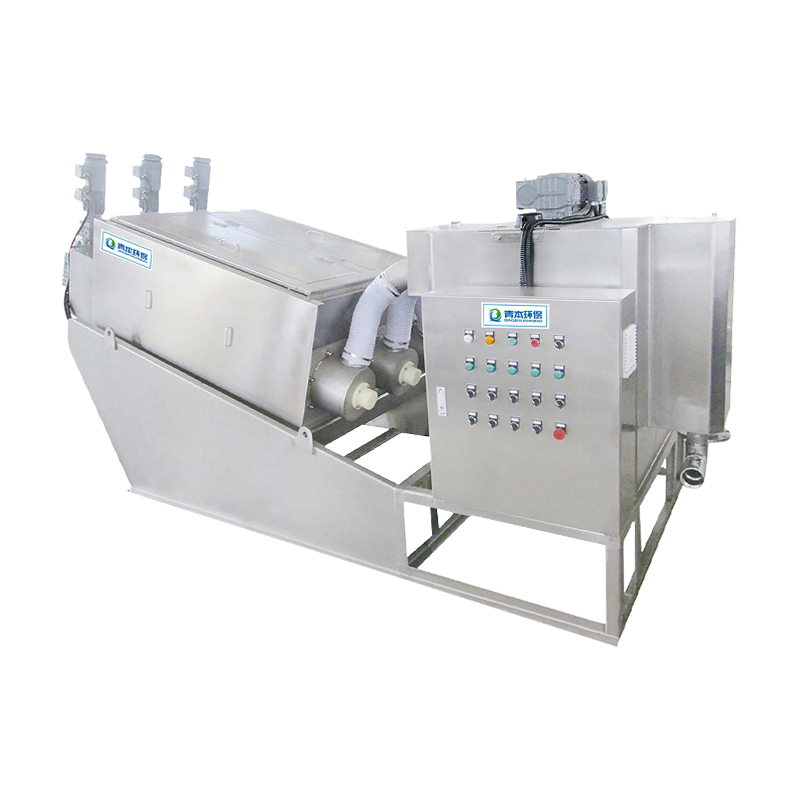
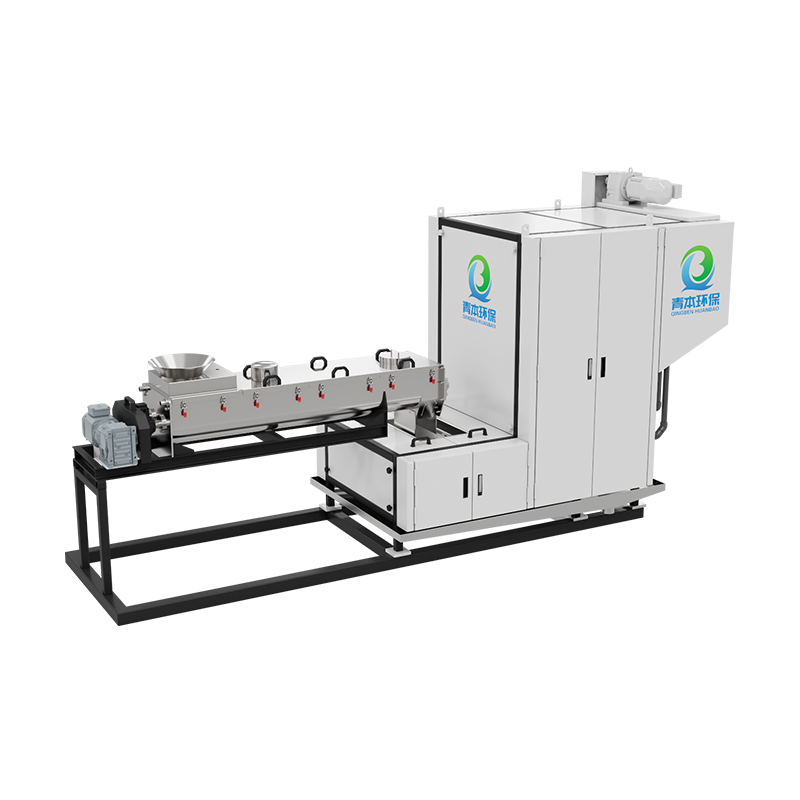
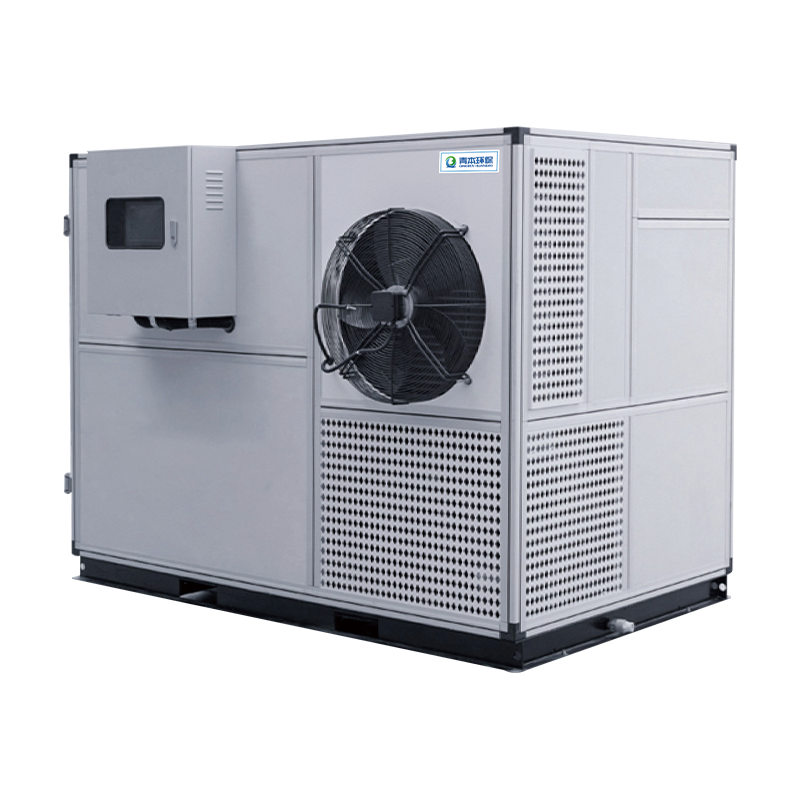
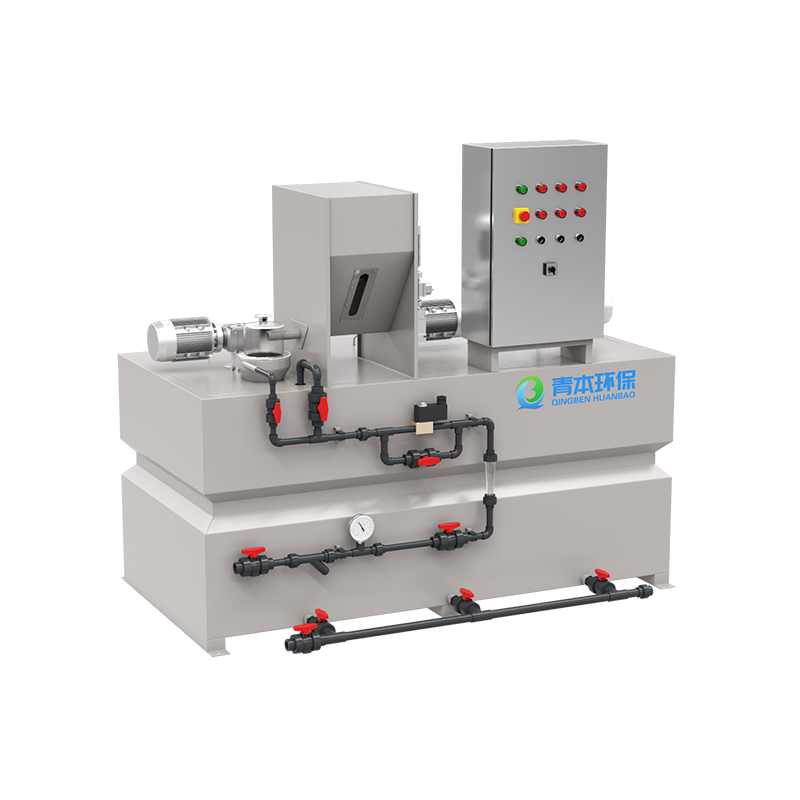
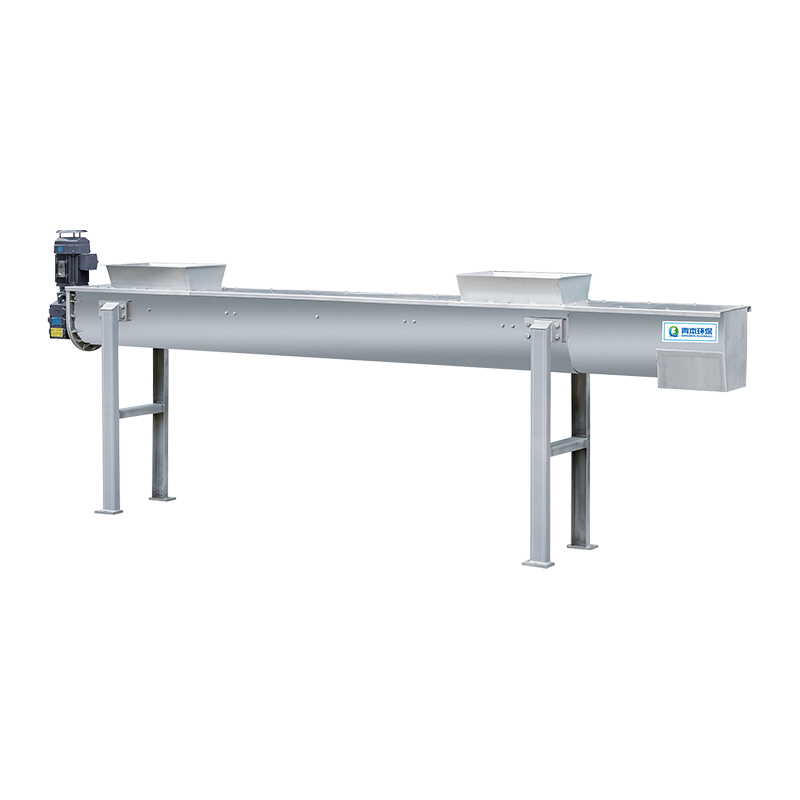
If your dewatered sludge is still around 80% water, every truckload is mostly water. A low-temperature sludge dryer is one way to reduce that mass before disposal, reuse, or incineration. It uses 70 to 90°C air or another low-grade heating medium, often with heat recovery, to evaporate water without the fuel and temperature demands of a high-temperature drum dryer. The useful question is not whether low temperature is better in general. It is whether your sludge, heat source, space, and operating pattern fit a low-temperature drying system. Municipal wastewater treatment plants and industrial sites often start with the same requirement—less water in the cake—but end up with different dryer configurations.
Content
- 1 What a Low Temperature Sludge Dryer Actually Does
- 2 How the Drying Loop Works
- 3 Why Low Temperature Often Makes Sense
- 4 Common Configurations and Where They Fit
- 5 Sizing by Evaporation Load, Not Tonnage Alone
- 6 Heat Sources, Energy Use, and Honest Operating Cost
- 7 Materials, Controls, and Maintenance Details That Decide Uptime
- 8 What to Ask a Manufacturer Before You Buy
- 9 Frequently Asked Questions
- 9.1 Q1. What dry solids content can a low-temperature sludge dryer reach?
- 9.2 Q2. Is low-temperature drying the same as solar drying?
- 9.3 Q3. What heat sources can be used?
- 9.4 Q4. How do I estimate the evaporation load?
- 9.5 Q5. What maintenance issues matter most?
- 9.6 Q6. What should I check in a supplier proposal?
What a Low Temperature Sludge Dryer Actually Does
Low temperature refers to the drying medium, not the final product temperature. In a belt dryer, warm air passes over a thin layer of dewatered cake. The air picks up moisture, then part of it is recirculated to save heat and part is exhausted after a heat exchanger or condenser. Feed sludge commonly arrives at 15 to 35% dry solids (DS). Depending on the machine, residence time, and sludge characteristics, the product may reach 60 to 90% DS. That is a wide range because sludge is not a uniform material: digested biosolids, chemical sludge, food-processing sludge, and mineral slurry behave differently.
Low temperature also does not automatically stabilize or disinfect the product. If pathogen reduction or a specific biosolids class is required, verify the time-temperature regime against the applicable rule, such as 40 CFR Part 503 in the United States or the local equivalent.
How the Drying Loop Works
Most low-temperature belt systems follow a similar path. Dewatered cake is fed into a hopper and spread across a perforated belt. Warm air moves through or over the layer. Moisture leaves the sludge, the air becomes humid, and a heat exchanger or heat pump removes water from the air or exhausts it. The dried product is cooled and transferred to a hopper, silo, or bagging station. Control logic usually adjusts air temperature, recirculation ratio, belt speed, and feed rate to keep the exhaust humidity within range. A dryer that cannot control humidity will either waste heat or produce wet, sticky product.
Why Low Temperature Often Makes Sense
The strongest case for low temperature is usually the heat source. A plant with surplus 60 to 90°C water from a CHP unit, wastewater heat pump, or industrial process can use that energy instead of generating high-pressure steam. Lower air temperature also reduces the risk of scorching, odor-forming hotspots, and thermal degradation of organic matter. It does not eliminate fire or dust hazards.
Do not assume that low temperature automatically means low energy use. Water evaporation still requires latent heat—about 2.3 MJ per kilogram of water at typical low-temperature conditions. Real thermal consumption is higher after air heating, fans, heat losses, and exhaust. Ask for a guaranteed specific energy figure at your inlet and outlet DS, not a generic “energy-saving” claim.
Common Configurations and Where They Fit
| Configuration | Typical duty | Heat source | Strengths | Watch-outs |
|---|---|---|---|---|
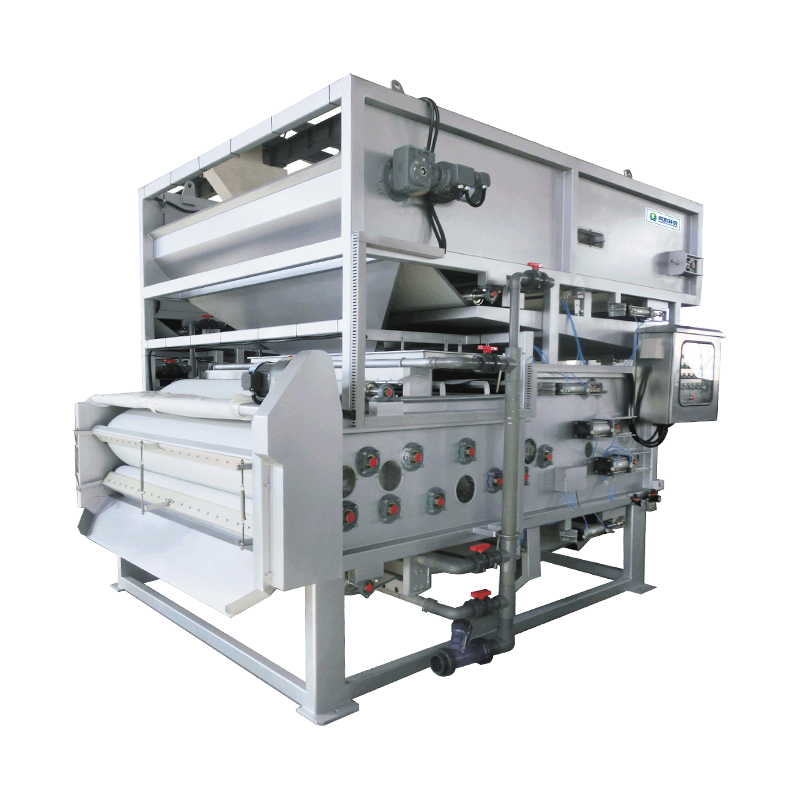
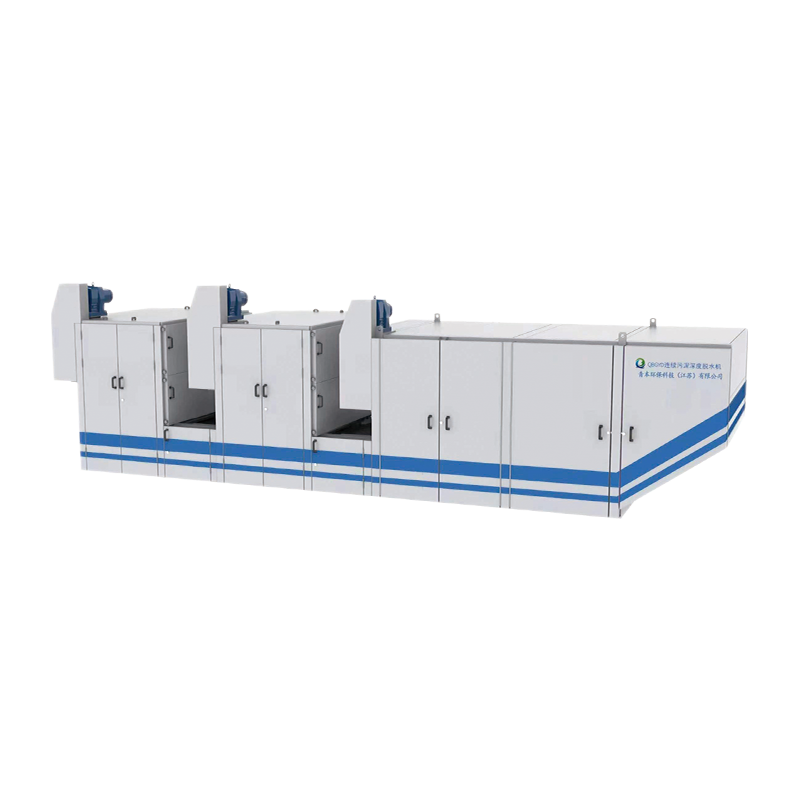
| Low-temperature belt dryer | Continuous medium to large duty | Heat pump, hot water, low-pressure steam | Steady output, good automation, heat recovery | Larger footprint, belt tracking, air balancing |
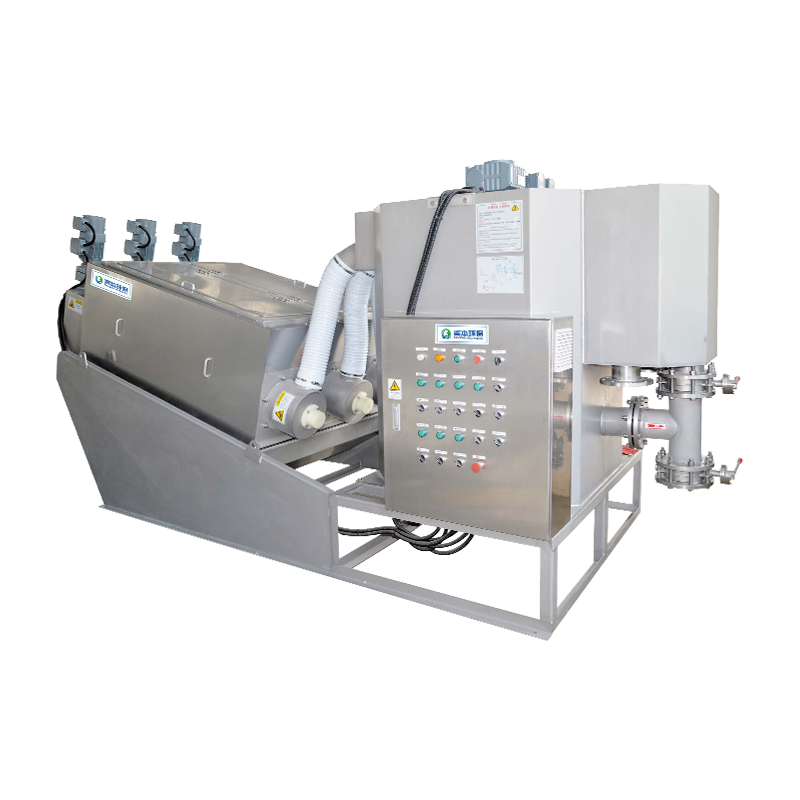
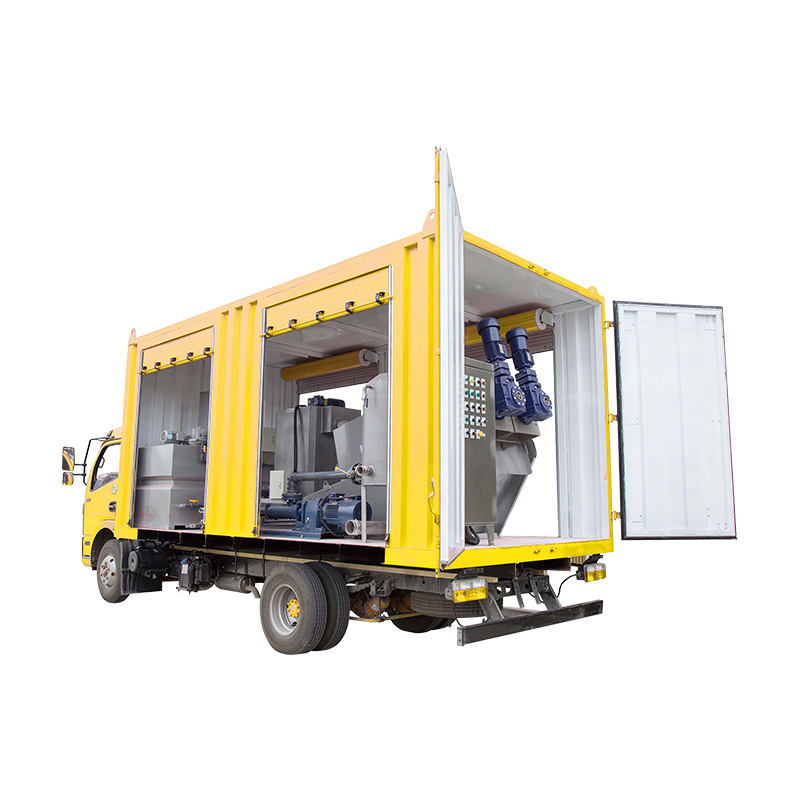
| Low-temperature chamber dryer | Batch or smaller isolated site | Heat pump, electric, hot water | Simple layout, containerized options | Batch handling, uneven drying, labor demand |
| Waste-heat belt dryer | Continuous duty with surplus heat | 60 to 90°C water or air | Low operating cost when heat is truly surplus | Production must match heat availability |
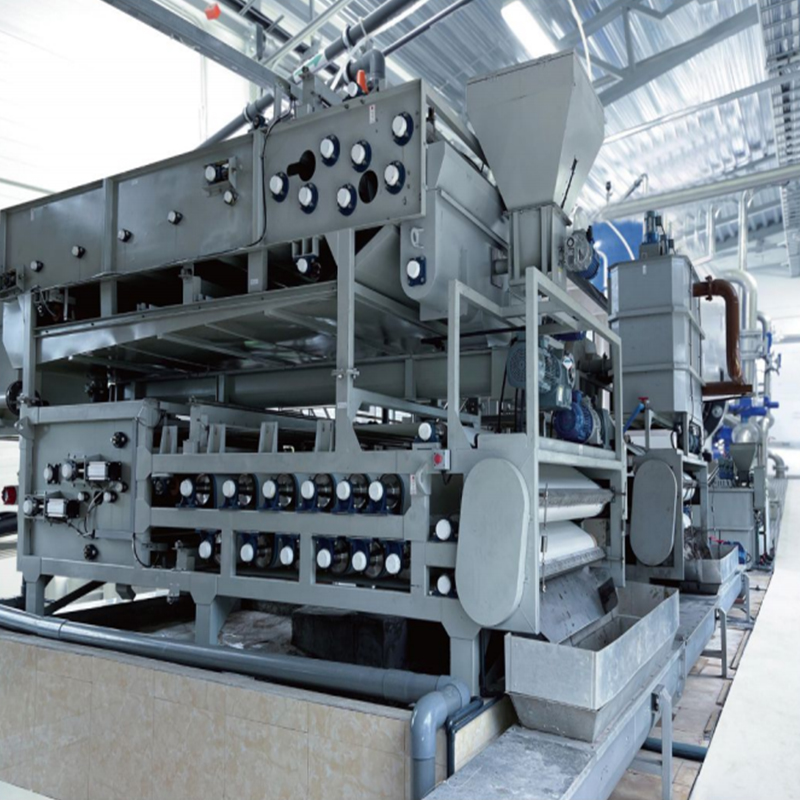
For industrial wastewater treatment, the dryer often has to handle variable sludge quality, production stops, and limited maintenance windows. A continuous belt machine is usually the first option when the site needs steady output and automated control.
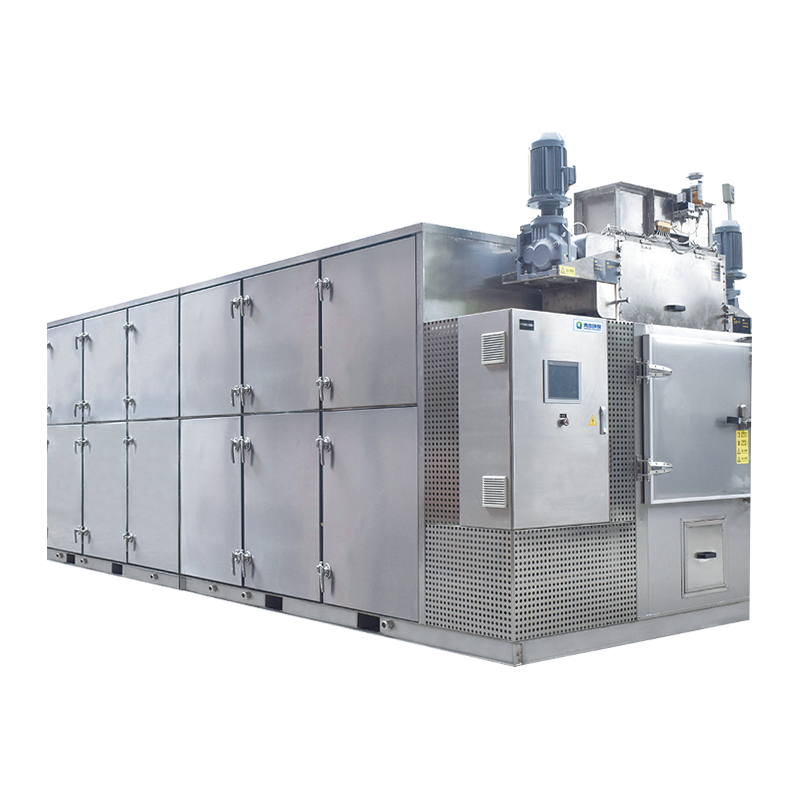 Low-Temperature Belt Sludge Drying Machine with Heat-Pump RecoveryFully enclosed heat-pump belt dryer for steady, automated sludge output, with modular models and 750–32,400 kg/24h rated water removal.View Product →
Sizing by Evaporation Load, Not Tonnage Alone
Size the dryer around water evaporation, not the wet tonnage on the pump label. Use a mass balance based on design dry solids:
Water evaporated = feed mass × (1 - DSin / DSout).
For example, 10 tonnes per day of cake at 20% DS dried to 70% DS leaves about 2.86 tonnes per day of product and evaporates about 7.14 tonnes per day of water. That is a theoretical calculation before dust, recirculation, startup, shutdown, and fouling margin. Two plants with the same wet tonnage can need very different dryers if one dewaters to 18% DS and the other to 28% DS. Confirm the design DS across the year, not only from one grab sample.
Heat Sources, Energy Use, and Honest Operating Cost
Heat pumps are useful where no boiler or waste heat exists, but they shift cost to electricity. Hot-water coils and low-pressure steam are common where a plant already has a central utility system. Where a factory has low-grade waste heat, a waste-heat dryer can reduce operating cost, provided the heat is available when the dryer runs. If the heat source is intermittent, the control strategy and backup heater become part of the design.
Modular Low-Temperature Sludge Dryer Using Recovered Waste HeatModular dryer adapted to flue gas, steam condensate, or cooling-water waste heat, offering 10,000–50,000 kg/24h rated water removal for sludge reduction.View Product →
Compare offers on the same basis: inlet DS, outlet DS, evaporation per hour, heat source temperature and flow, ambient conditions, and guaranteed utility consumption. A proposal that lists only the machine size is not enough to judge operating cost.
Materials, Controls, and Maintenance Details That Decide Uptime
Low-temperature drying is a humid, mildly corrosive duty. Carbon steel in the air path is a false economy. Specify 304 or 316L stainless steel based on chloride and ammonia load; 316L is common where chlorides are present, but it is not a universal answer. Belt material must resist hydrolysis and temperature. Heat exchangers need access for cleaning. Condensate drains must be trapped and sized correctly. Controls should trend temperature, humidity, belt speed, and differential pressure. A dryer that hides its operating data is hard to troubleshoot.
The hazard review should cover dust, methane, and stagnant material. Explosion venting, inerting, and monitoring are project-specific and must follow local codes; low temperature does not remove the need for them.
What to Ask a Manufacturer Before You Buy
- Provide a mass and heat balance at your design DS, not a catalog example.
- State the guaranteed evaporation rate and final DS range, including tolerances.
- Run a test on a representative sludge sample or explain why the proposed design is conservative without one.
- Confirm the heat source conditions, electrical load, and utility consumption boundaries.
- Describe materials for the wet air path, belt, heat exchanger, and condensate system.
- Clarify scope of supply, spare parts, control integration, and commissioning support.
For OEM or custom skid projects, define who supplies the heat source, silo, electrical package, and emission controls. A factory visit or video audit should show fabrication, welding, and testing relevant to the dryer, not only final assembly. Evaluate the supplier on data quality and service response as well as price.
Frequently Asked Questions
Q1. What dry solids content can a low-temperature sludge dryer reach?
Many designs reach 60 to 90% DS, depending on feed sludge, dryer type, residence time, and product handling. A supplier should guarantee a range for your specific sludge, not a single best-case number.
Q2. Is low-temperature drying the same as solar drying?
No. Solar drying is passive and weather-dependent. A low-temperature dryer uses controlled air flow, heat exchange, and humidity management inside an enclosed system.
Q3. What heat sources can be used?
Common options include heat pumps, surplus hot water, low-pressure steam, and warm exhaust air. The best choice depends on availability, temperature, tariff, and whether the heat is truly surplus.
Q4. How do I estimate the evaporation load?
Use a dry-solids mass balance. Calculate the final product mass from the feed DS and target DS, then subtract it from the feed mass. Add margin for startup, shutdown, fouling, and seasonal sludge variation.
Q5. What maintenance issues matter most?
Watch belt tracking, heat exchanger fouling, corrosion in the humid air path, condensate drainage, and sensor drift. Easy access for cleaning is more important than a compact layout that is hard to service.
Q6. What should I check in a supplier proposal?
Check the mass and heat balance, guaranteed utility consumption, material specification, safety concept, control scope, spare parts list, and commissioning plan. MOQ, lead time, and customization should be confirmed against the actual project scope.
If you are comparing low-temperature sludge dryer options, share your feed DS, target DS, daily tonnage, heat source, and site constraints with a manufacturer. A properly sized proposal should show the evaporation load, utility demand, and scope boundary before pricing is discussed.