

Produced water from a wellhead, wash water from a food plant, and bilge water from a vessel all share one problem: oil must come out before the water can be reused or discharged. The real difficulty is not the total oil concentration but the droplet size. Free oil above roughly 150 microns rises in minutes; emulsified oil below 20 microns can stay stable for weeks. A well-designed oil-water separation system therefore relies on a staged train rather than a single machine, starting with coarse removal and finishing with polishing tailored to the discharge or reuse target. Engineers planning produced water treatment or broader industrial wastewater treatment projects follow the same logic: characterize the stream first, then match each technology to the oil state it can actually deliver.
Content
Oil-Water Separation Starts with Knowing the Oil State
Conclusion first: separation cost rises sharply as droplet size falls. Removing free oil by gravity can cost only a few cents per cubic meter, while removing emulsified oil may require flotation, filtration, or chemicals at many times that cost. Knowing the oil state in your stream is therefore the most important step in scoping an oil-water separation system. A laboratory droplet size analysis, combined with simple jar tests, tells you whether gravity alone will work or whether you need to add flotation and filtration. Many plants underestimate the fraction of emulsified oil in their influent and later struggle with permit excursions. A one-time lab investment of a few hundred dollars can save tens of thousands in rework.
Oil in wastewater is generally divided into four states based on droplet size. The table below summarizes each state, its behavior, and the technologies that apply.
| Oil state | Droplet size | Behavior | Typical technology |
|---|---|---|---|
| Free oil | >150 microns | Rises to the surface in minutes | API separator, skimmer |
| Dispersed oil | 20-150 microns | Rises slowly; sensitive to turbulence | Plate coalescer, hydrocyclone |
| Emulsified oil | 1-20 microns | Stable due to surfactants | DAF, membrane, demulsifier |
| Dissolved oil | <1 micron | Molecular; not removable by gravity | Biological, activated carbon |
Core Oil-Water Separation Technologies Compared
Each technology has a working envelope that decides its place in the treatment train. API separators remain the most economical primary step for free oil, but they cannot break emulsions. Plate coalescers improve gravity separation by shortening the vertical distance droplets must rise. Dissolved air flotation (DAF) attaches micro-bubbles to oil droplets and is today the default secondary step for emulsified oil in many industrial plants. Hydrocyclones offer a compact alternative for free and dispersed oil, particularly on offshore platforms where footprint is limited. Membrane filtration polishes to very low oil levels but carries higher energy and fouling risk.
Chemical demulsifiers deserve a mention because they are often the least expensive way to break a tight emulsion. They work by neutralizing the interfacial film that stabilizes droplets, allowing coalescence under gentle agitation. However, they add operating cost, create an oil-water-chemistry sludge, and require careful dosing control, which is why most permanent installations prefer physical methods such as DAF as the secondary step.
According to API separator design guidance and U.S. EPA wastewater treatment references, these working ranges are consistent across refinery, petrochemical, marine, and municipal installations. The radar chart below compares three common technologies across five practical criteria.
Designing a Multi-Stage Oil-Water Separation System
Start by characterizing the influent: droplet size distribution, oil concentration, temperature, solids content, and the discharge or reuse target. For offshore operations in U.S. waters, for example, the EPA oil and grease limit under 40 CFR Part 435 is 29 mg/L monthly average and 42 mg/L daily maximum. Land-based permits are often stricter, so the polishing stage must be sized accordingly.
Step 1 - Pretreatment. A mechanical screen removes coarse solids and fibrous debris that would otherwise clog downstream coalescing media and flotation nozzles. A rotary drum screen is a compact choice for inlet flows carrying suspended solids.
 Rotary Drum Screen for Pretreatment StageThis compact mechanical screen removes coarse solids and fibrous debris from influent, preventing clogging and protecting downstream coalescing media and flotation nozzles from abrasion.View Product →
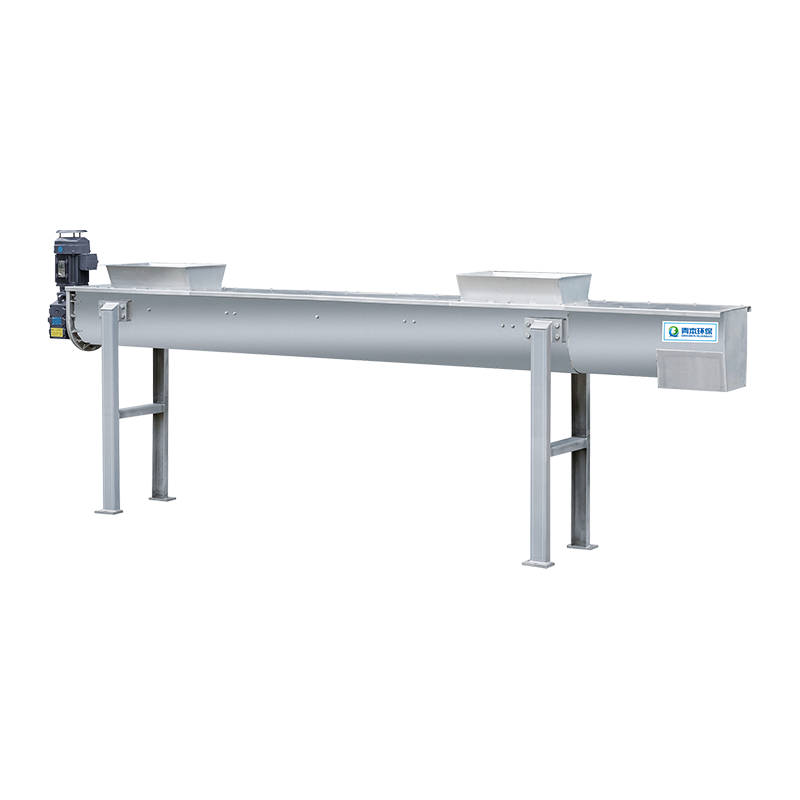
Step 2 - Primary gravity separation. An API separator or plate coalescer removes the bulk of free oil. Grit settles in the same tank, protecting downstream pumps and instruments from abrasion. A grit classifier then dewaters and discharges the settled sand in a nearly dry form.
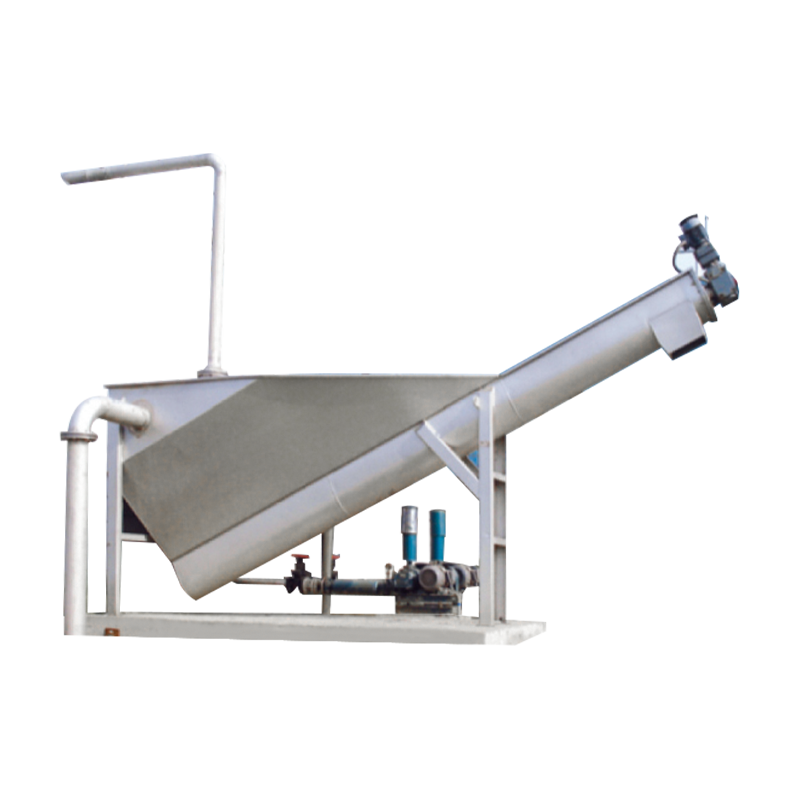 Grit Classifier for Sand-Water SeparationThis screw-type classifier dewaters and discharges settled sand with moisture below 60%, protecting pumps and instruments while keeping the primary separation tank clean and efficient.View Product →
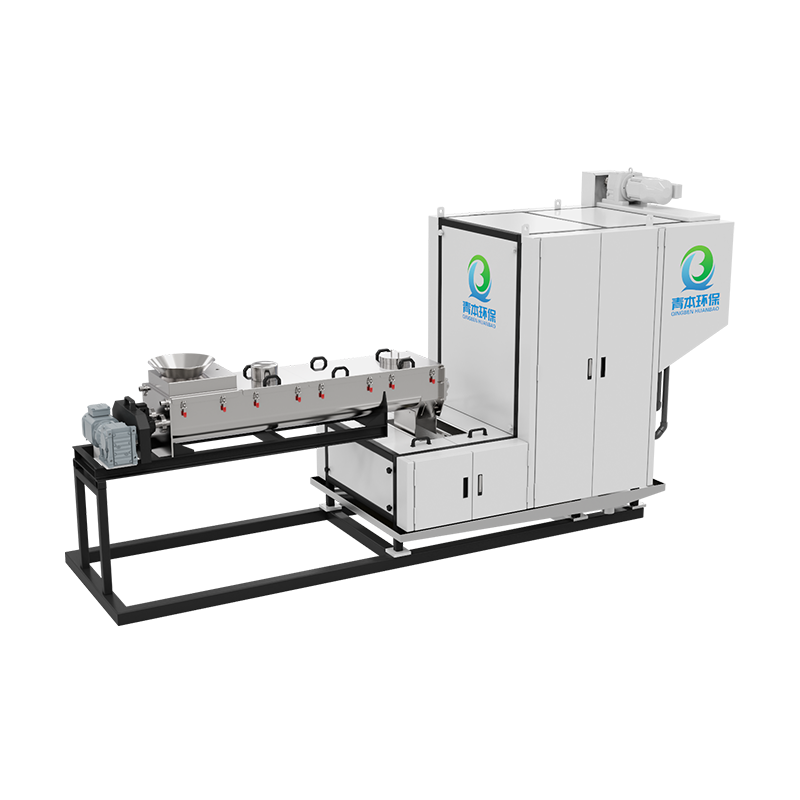
Step 3 - Secondary flotation. A DAF unit removes dispersed and partially emulsified oil by attaching micro-bubbles to droplets, floating them to the surface for skimming. Horizontal air flotation machines integrate well into existing tank layouts and need less space than vertical designs.
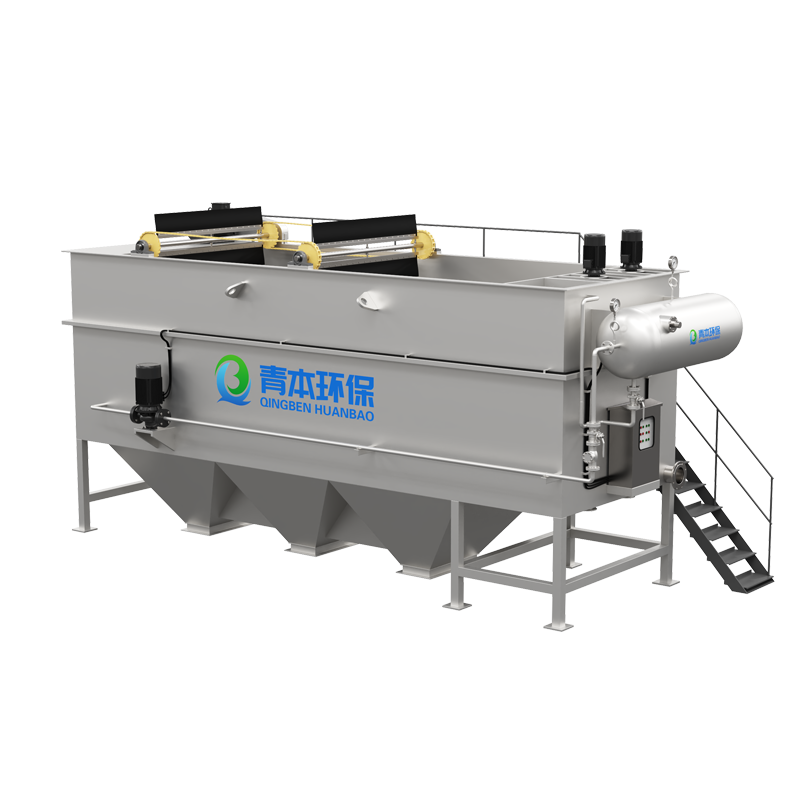 Horizontal Air Flotation Machine for Oil RemovalUsing micro-bubbles to float dispersed and emulsified oil and suspended solids, this DAF unit enhances separation efficiency while requiring less space, making it ideal for secondary flotation.View Product →
Step 4 - Polishing. Cartridge filtration, membrane separation, or activated carbon adsorption is added when the permit limit or reuse specification demands oil levels below what flotation alone can reach. The skimmed oil layer from the separator can be recovered if volumes justify it, while the oily sludge from the DAF skimmer typically requires dewatering before off-site disposal. Including sludge handling in the design estimate avoids surprises during commissioning.
A typical API separator in isometric view
Oil-Water Separation Equipment Selection Checklist
Basing equipment choice on the table below reduces the risk of under- or oversizing. Field experience shows that most separator failures come from ignoring one of these six parameters.
| Criterion | Why it matters | Design implication |
|---|---|---|
| Flow rate and peaks | Under-sizing causes oil carryover | Size separators at 1.25-1.5x average flow |
| Droplet size distribution | Determines whether gravity can work | Below 20 microns, add DAF or membrane |
| Temperature | Higher temperature lowers viscosity | Heating cold streams aids rise velocity |
| Solids concentration | Clogs coalescers and flotation nozzles | Install screens and grit removal first |
| Chemical restrictions | Some sites limit demulsifier use | Select physical separation instead |
| Permit limit | Sets the polishing requirement | 29 mg/L vs 10 mg/L changes the train |
Signs that an existing system is undersized include a visible oil sheen in the effluent, filter cartridges that clog in days, and rising chemical consumption for the same feed quality. Before investing in new equipment, measure the real droplet size distribution over at least a full production cycle; diurnal peaks often change the oil state more than the average concentration does.
Frequently Asked Questions about Oil-Water Separation
Q1. What is an oil-water separator?
An oil-water separator removes oil from water using density differences, coalescence, flotation, filtration, or chemical action. Common types include API separators, plate coalescers, DAF units, and membrane systems.
Q2. How does an API oil-water separator work?
An API separator provides quiescent flow and long retention time, typically 1.5-2 hours, so free oil rises to the surface for skimming while settled solids collect at the bottom.
Q3. What is the difference between free and emulsified oil?
Free oil exists as droplets larger than about 150 microns and separates by gravity. Emulsified oil is droplets below 20 microns stabilized by surfactants, requiring flotation, membranes, or chemical demulsifiers.
Q4. How do you separate oil from produced water?
Produced water treatment uses a multi-stage train: hydrocyclones or plate separators for bulk free oil, DAF for secondary polishing, and filtration or biological treatment if discharge or reinjection limits require.
Q5. What is the discharge limit for oil and grease?
The U.S. EPA offshore standard for produced water is 29 mg/L monthly average and 42 mg/L daily maximum under 40 CFR Part 435. Land-based permits are often stricter, commonly 10-20 mg/L.
Q6. Can coagulants improve oil-water separation?
Yes. Aluminum or iron coagulants and organic flocculants neutralize surface charge and promote droplet coalescence, significantly improving DAF and filtration efficiency for tight emulsions.