

Every cubic meter of wastewater carries two things a facility can no longer afford to ignore: pollutants that must be removed, and water that can be reused. Across municipal and industrial sectors, wastewater treatment and recycling is shifting from a compliance afterthought to a core water-supply strategy. The U.S. EPA defines water reuse, also called water recycling or water reclamation, as treating and repurposing used water from sources such as municipal wastewater, stormwater, and industrial process streams. The principle is consistent: instead of discharging treated effluent, you refurbish it and put it back to work for irrigation, cooling, industrial processes, or even groundwater recharge.
Content
- 1 How Wastewater Treatment and Recycling Works
- 2 How Much Water Can a Recycling System Recover?
- 3 Key Equipment for a Reliable Recycling Train
- 4 An Isometric View of a Recycling System
- 5 Design Considerations That Determine Success
- 6 Cost, Payback, and Procurement Considerations
- 7 Frequently Asked Questions About Wastewater Treatment and Recycling
- 7.1 Q1. What is wastewater treatment and recycling?
- 7.2 Q2. How much water can be recycled?
- 7.3 Q3. What are the main stages of wastewater treatment?
- 7.4 Q4. Can recycled wastewater be made drinkable?
- 7.5 Q5. What equipment is needed for a wastewater recycling system?
- 7.6 Q6. How much does an industrial wastewater recycling system cost?
How Wastewater Treatment and Recycling Works
The treatment train that makes recycling possible follows the same logic whether the plant is municipal or industrial. Gravity and density differences do the first round of work: the flow is slowed down so solids settle and lighter materials float to the surface.
Primary Treatment
Primary treatment starts with screening to remove rags, plastics, and coarse debris, followed by grit removal for sand and gravel. The flow then enters a primary settling tank, where suspended solids collect at the bottom and floatables are skimmed off the top. At this stage, roughly 30 to 45 percent of suspended solids are captured, while most dissolved pollutants remain in the water.
Secondary Treatment
Secondary treatment transfers the job to biology. Microorganisms in aerated tanks consume dissolved organic matter, converting it into biomass and carbon dioxide. The mixed liquid then flows into a secondary clarifier, where biomass settles, a portion is returned to maintain the process, and the surplus moves to sludge handling. This stage removes 60 to 75 percent of suspended solids and most of the biological oxygen demand that would otherwise deplete oxygen in receiving waters.
Tertiary and Advanced Treatment
Tertiary treatment is where recycling really begins. Filtration, nutrient removal, and disinfection produce water clean enough for irrigation, industrial cooling, and many process applications. Advanced treatment with membrane bioreactors, reverse osmosis, or ultraviolet oxidation can push quality to potable standards, enabling both direct and indirect potable reuse in regulated jurisdictions.
How Much Water Can a Recycling System Recover?
The recovery rate is decided by how far you extend the treatment train. Primary treatment alone returns only a third of the inflow to service; adding biological, tertiary, and membrane stages pushes that figure toward 90 percent or more.
Typical water recovery ranges by treatment stage
The difference between 45 percent and 92 percent is not marketing. It is a direct result of installed stages, influent quality, and operating discipline. Every additional process step also adds energy and maintenance cost, which is why the recovery target should always be matched to the actual end use of the recycled water.
Key Equipment for a Reliable Recycling Train
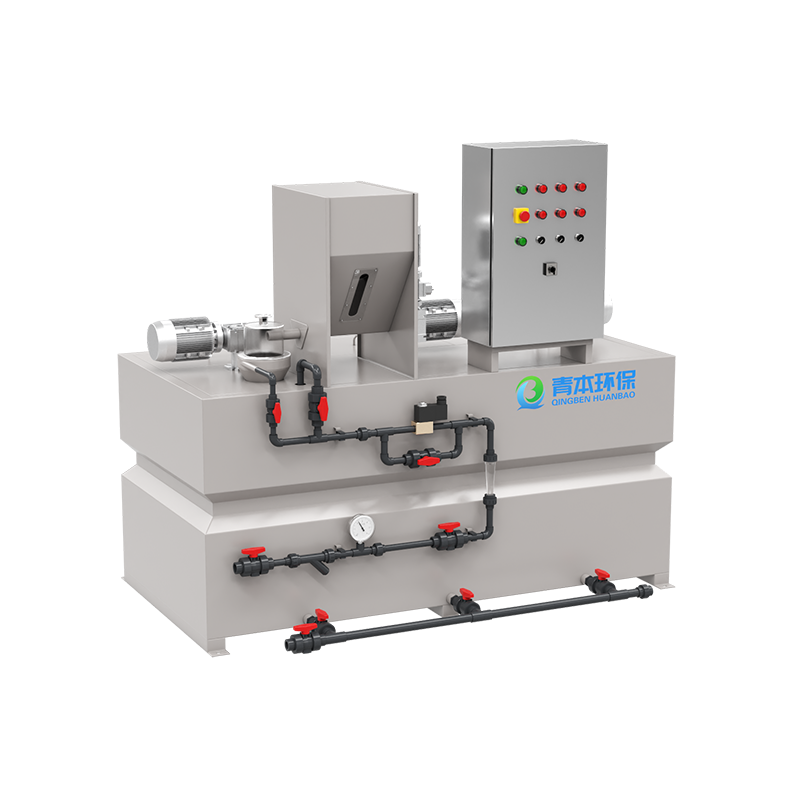
Recycling systems earn their keep through uptime, and uptime depends on the mechanical train. At the inlet, screens and grit separators protect pumps and downstream units from coarse solids. In the sludge line, dewatering equipment has an equally important job: the water trapped in sludge must be returned to the head of the plant for re-treatment, or it is lost from the recycling loop.
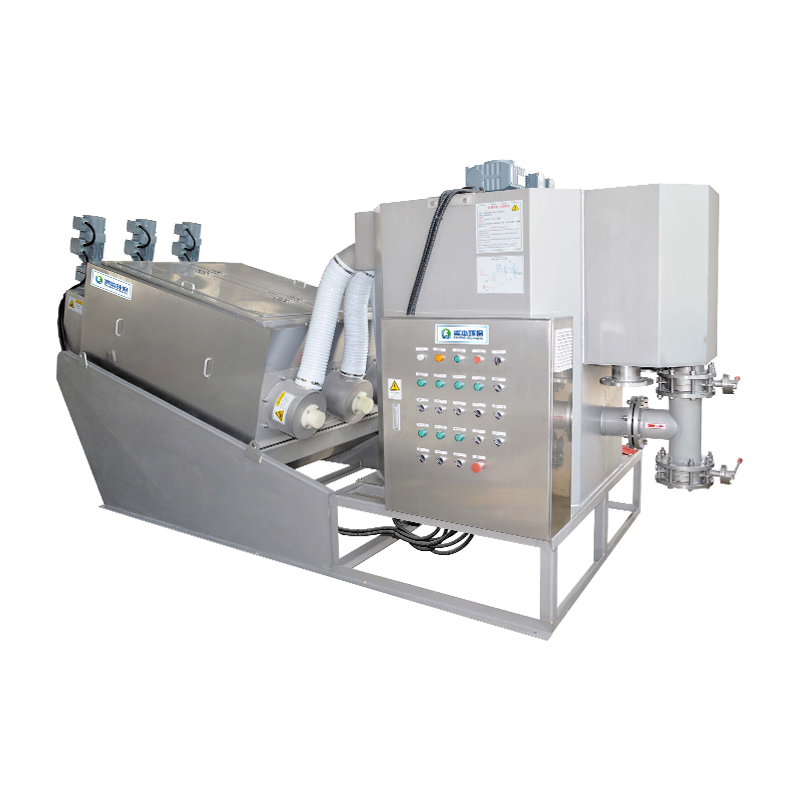
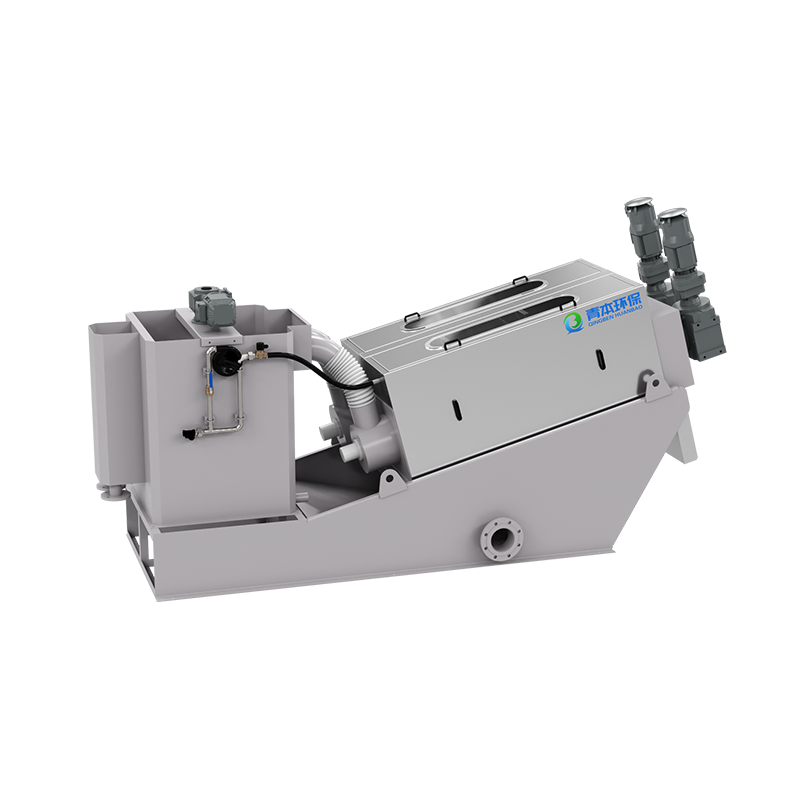
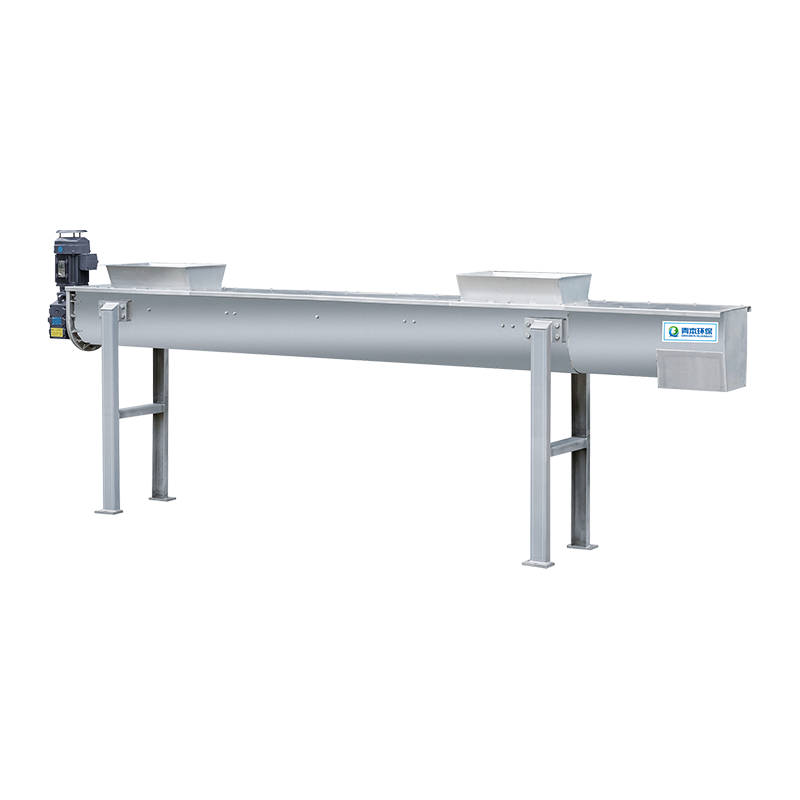
For sludge with oily, fibrous, or high-viscosity characteristics, a screw press sludge dewatering machine is often the most reliable option. Its slow-turning shaft compresses sludge against a cylindrical screen, squeezing out filtrate while producing a dry cake with low energy consumption and low noise. The filtrate flows back to the treatment process, closing the loop.
 Screw Press Sludge Dewatering Machine for High-Viscosity SludgeThis screw press suits oily, fibrous, or high-viscosity sludge. Its slow-turning shaft presses sludge against a screen, yielding a dry cake with low energy consumption and minimal noise. It handles both high- and low-concentration feeds.View Product →
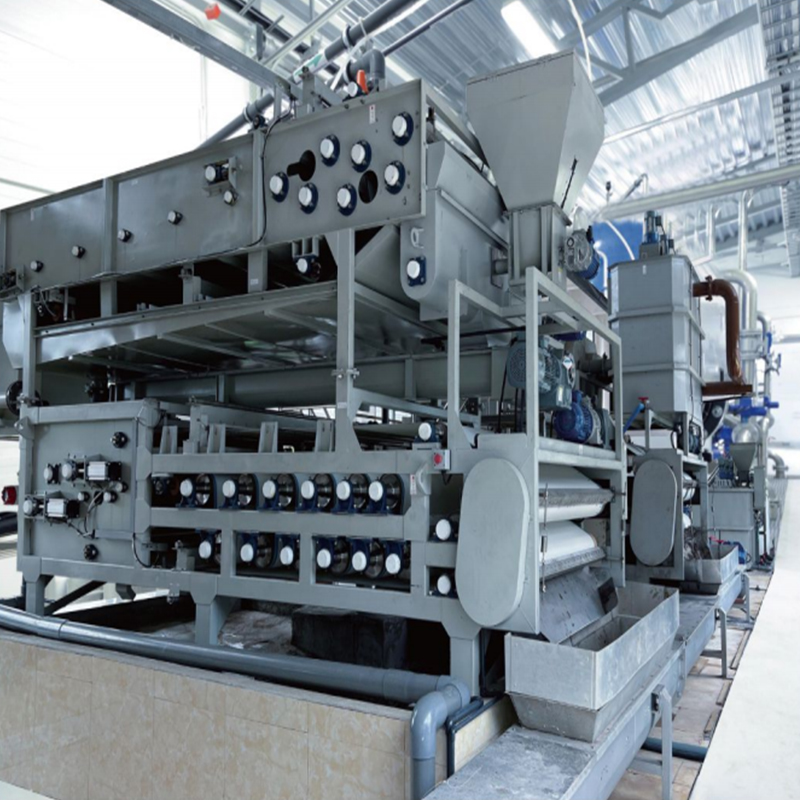
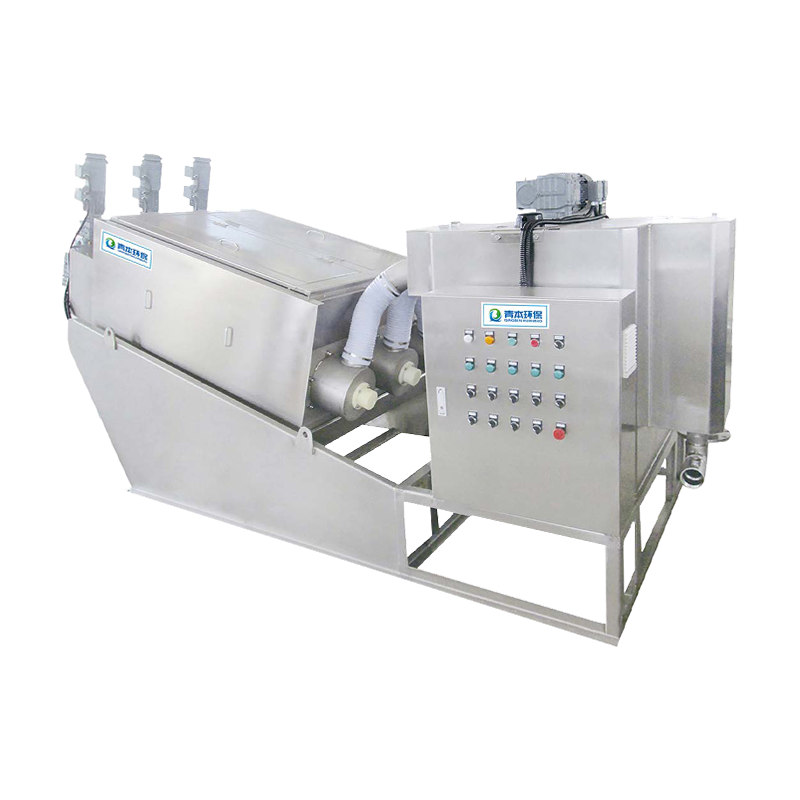
Where the flow is large and operation is continuous, a belt filter press is the workhorse. Sludge is spread between two filter cloths and passed through a series of rollers with steadily increasing pressure. The pressed filtrate returns to the process, and the cake discharges continuously without operator attention. Many municipal plants with high hydraulic loads rely on this design.
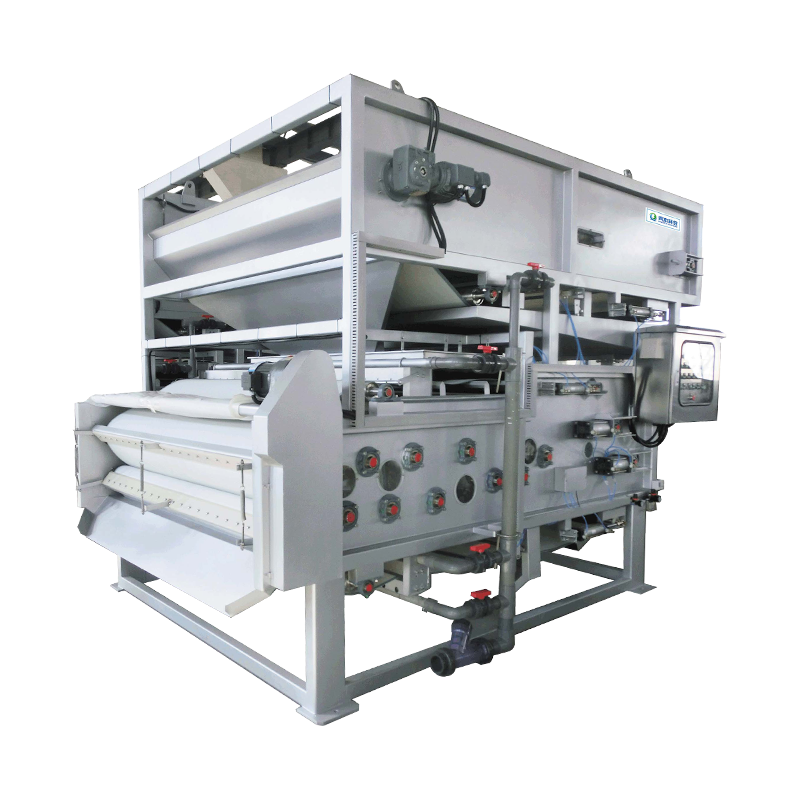 Belt Filter Press for Municipal High-Flow SludgeThis belt filter press spreads sludge between two filter cloths and passes it through rollers with rising pressure, discharging cake continuously without manual intervention. Its compact, fully automatic design suits municipal plants with high hydraulic loads.View Product →
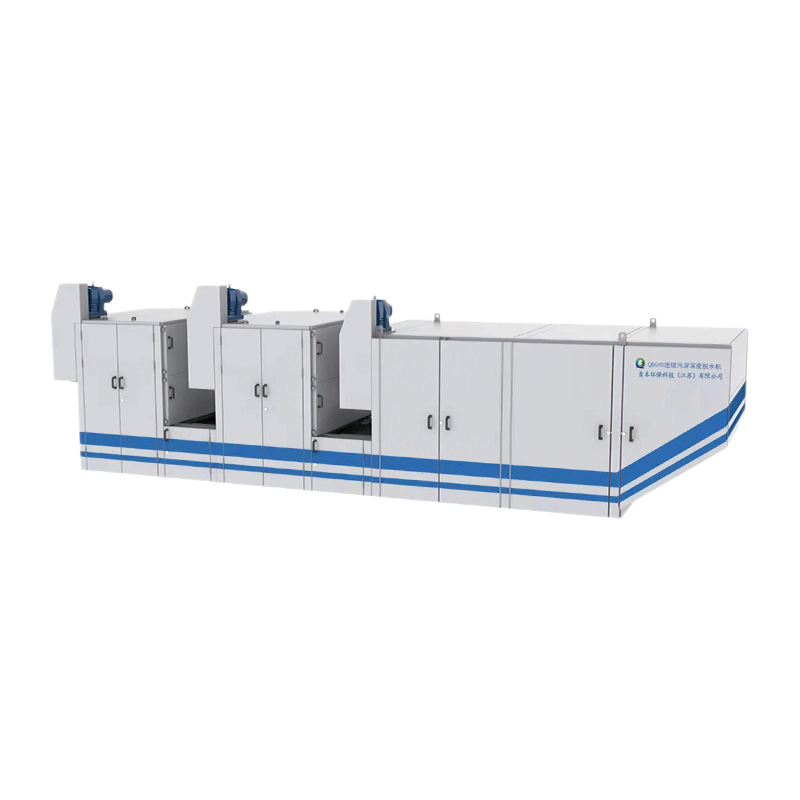
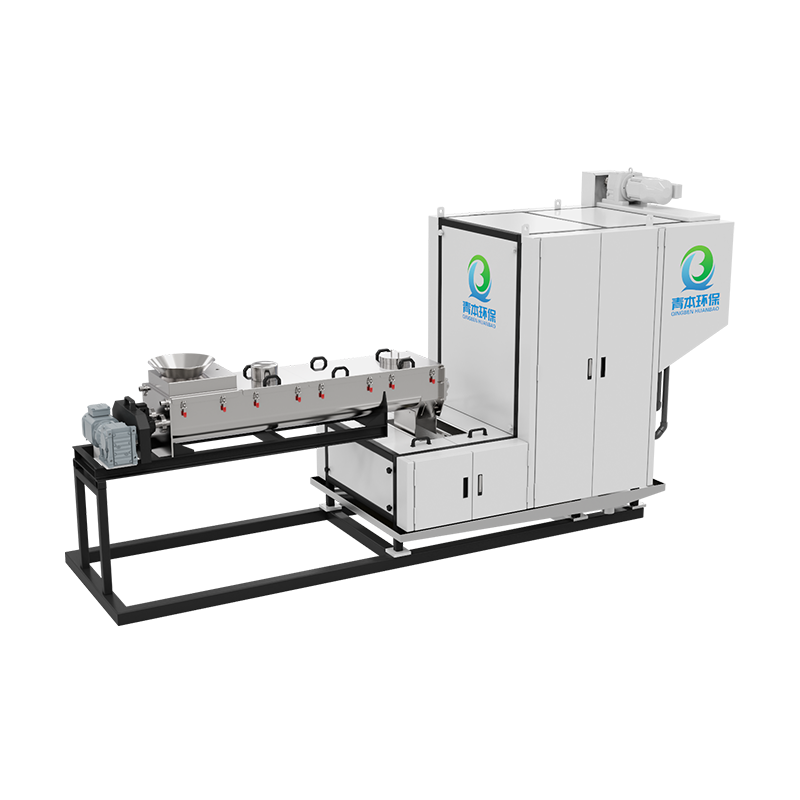
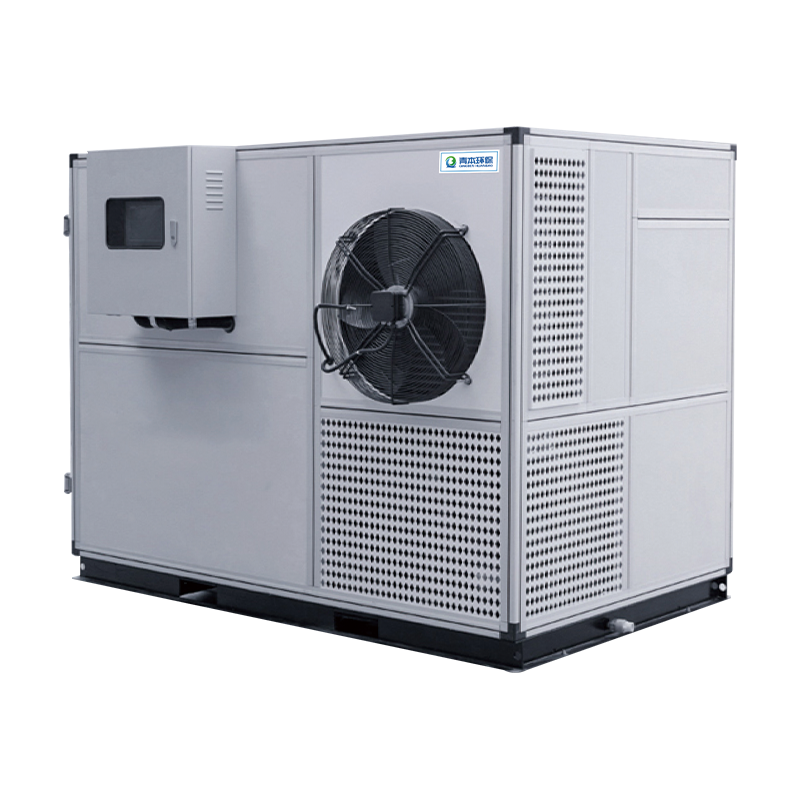
When sludge-disposal costs dominate the operating budget, a low-temperature belt-type sludge drying machine can cut the final weight dramatically. Dewatered cake enters the dryer and comes out with moisture reduced to below 30 percent, making it cheaper to haul and suitable for energy recovery. The evaporated water is condensed and returned to the treatment system, another step toward full recycling.
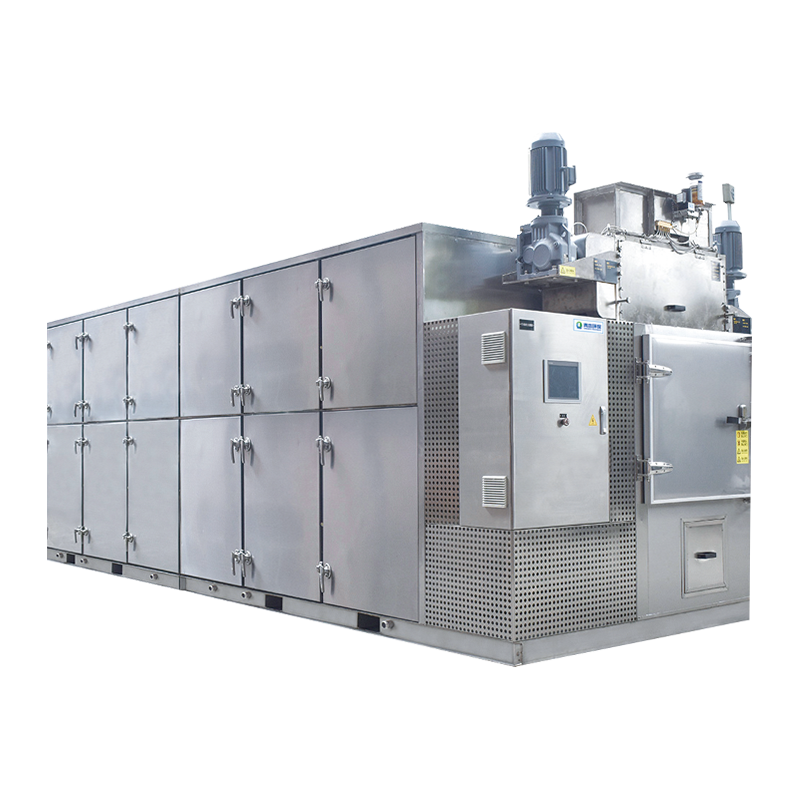 Low Temperature Belt Type Sludge Drying MachineThis low-temperature belt dryer reduces dewatered cake to below 30 percent moisture, cutting hauling cost and enabling energy recovery. Evaporated water is condensed and returned to the treatment system, supporting full recycling goals.View Product →
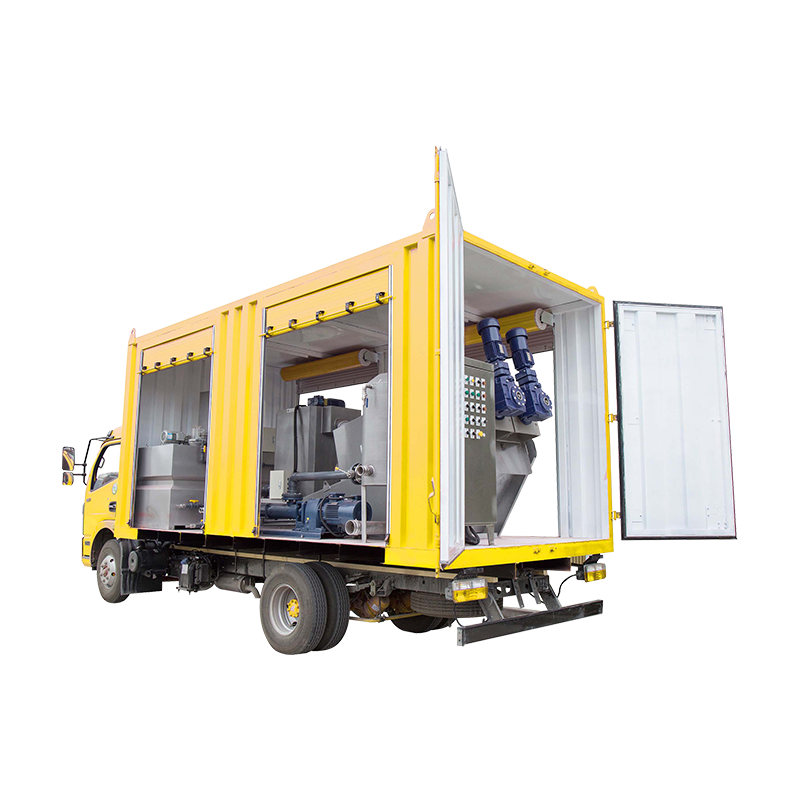
None of this equipment works in isolation. Municipal plants handling combined flows typically combine screening, settling, and mechanical dewatering to reach their discharge and reuse targets, a sequence reviewed on our municipal wastewater treatment application page. Industrial producers, from food and beverage to pharmaceutical plants, can adapt the same logic to their load profiles, with configurations tailored in our industrial wastewater treatment application pages.
An Isometric View of a Recycling System
The diagram below compresses the full idea into one drawing. Influent enters through a mechanical screen, passes into a grit chamber, then flows through primary, biological, and secondary stages. Sludge settles to the bottom of each clarifier and moves to the dewatering line, where a screw press and a belt dryer reduce it to a transportable cake. The filtered water continues to membrane polishing and finally reaches a reuse tank. Dashed lines mark the return of filtrate and condensate to the head of the plant.
Main treatment line with sludge dewatering and filtrate return
Design Considerations That Determine Success
Three decisions have an outsized impact on the recovery rate and the lifetime cost of the system.
- Water-quality variability. A recycling train must handle peak loads, temperature swings, and occasional toxic shocks. Design flows should include a safety margin above the average daily load.
- Equipment redundancy. Screening and dewatering are single points of failure. A standby unit, or at least a planned maintenance window, can prevent the entire plant from losing recycling mode.
- Sludge balance. Recycling the liquid is only half the job. The dewatering equipment must be sized for the actual solids loading, or the system will accumulate sludge and lose water recovery.
Technology Comparison at a Glance
| Technology | Energy use | Footprint | Solids capture | Best suited for |
|---|---|---|---|---|
| Mechanical screening | Low | Small | Protection role | Removing rags and coarse solids upstream |
| Primary settling | Very low | Large | 40–60% | Heavy-solids municipal and industrial flows |
| Activated sludge (secondary) | Medium | Medium to large | 60–75% | Dissolved organics removal |
| Membrane bioreactor | Medium to high | Small | 90–95% | Space-constrained upgrades and reuse quality |
| Screw press dewatering | Low | Small | 75–85% | Oily, fibrous, and hard-to-handle sludge |
| Belt filter press | Medium | Medium | 80–90% | Continuous high-throughput dewatering |
| Low-temperature belt drying | Medium to high | Medium | Moisture below 30% | Sludge volume and disposal cost reduction |
The line chart below illustrates how cumulative recovery climbs with each added stage. It is an illustrative guide, not a guarantee: real results depend on influent quality, operation, and maintenance.
Cumulative water recovery through successive treatment stages
Cost, Payback, and Procurement Considerations
The economics of wastewater treatment and recycling depend on four variables: the cost of fresh water, discharge fees, sludge-disposal costs, and energy prices. Facilities that pay high industrial water tariffs and face strict discharge limits tend to see the shortest payback, often reported in the three-to-five-year range for well-designed systems.
Buyers should specify measurable performance criteria before ordering equipment: cake solids concentration, capture rate, energy consumption per cubic meter, and the recommended service interval. A low purchase price is rarely a bargain if the unit cannot operate continuously under real sludge conditions. Three procurement rules keep projects on track:
- Test the equipment with the actual sludge or wastewater, not just with clean water.
- Compare total cost of ownership, including energy, chemicals, maintenance, and disposal, rather than capital cost alone.
- Check local discharge and reuse regulations before fixing the target water quality.
Frequently Asked Questions About Wastewater Treatment and Recycling
Q1. What is wastewater treatment and recycling?
Wastewater treatment and recycling is the process of removing contaminants from used water and returning the cleaned water to service for irrigation, industrial processes, or groundwater recharge, instead of discharging it to the environment.
Q2. How much water can be recycled?
Depending on the treatment stages installed, water recovery typically ranges from 60% to 95%. Advanced systems using membrane bioreactors and reverse osmosis achieve the highest recovery and quality.
Q3. What are the main stages of wastewater treatment?
The three main stages are primary treatment (screening, grit removal, and settling), secondary treatment (biological oxidation and clarification), and tertiary or advanced treatment (filtration, nutrient removal, disinfection, and membrane processes).
Q4. Can recycled wastewater be made drinkable?
Yes. Advanced treatment with microfiltration, reverse osmosis, and UV disinfection can produce water that meets drinking-water standards, a practice known as direct or indirect potable reuse in regions with appropriate regulations.
Q5. What equipment is needed for a wastewater recycling system?
A typical system includes mechanical screens, grit separators, clarifiers, biological tanks, filtration units, and sludge dewatering equipment such as screw presses and belt filter presses.
Q6. How much does an industrial wastewater recycling system cost?
Cost depends on flow rate and the target water quality. Most industrial projects are evaluated on total cost of ownership, with feasibility tests on real water samples used to build the budget.