

At a municipal wastewater plant, sludge handling can quietly consume as much as half of the total operating budget. The reason is simple: sludge leaving a clarifier is typically 96–98% water, and every ton of dry solids means moving roughly 20–30 tons of watery mass. Sludge removal is the process of separating water from solids, concentrating the solids, and then dewatering or drying them into a stable cake that can be reused or disposed of. This guide explains how sludge removal works, compares the main technologies, and highlights the equipment choices that have the biggest impact on operating cost and reliability.
Content
- 1 What Is Sludge and Why Does It Need to Be Removed?
- 2 How Sludge Forms in Wastewater Treatment
- 3 Core Sludge Removal Methods
- 4 Mechanical Dewatering Equipment — What to Look For
- 5 How Dry Can Each Stage Get?
- 6 Putting the Stages Together
- 7 Selection Checklist for a Sludge Removal System
- 8 What Drives Sludge Removal Cost?
- 9 Frequently Asked Questions About Sludge Removal
- 9.1 What is sludge removal in wastewater treatment?
- 9.2 What is the difference between sludge thickening and sludge dewatering?
- 9.3 How much does sludge removal cost?
- 9.4 What dry solids content can a screw press achieve?
- 9.5 Which is better, a belt filter press or a screw press?
- 9.6 Why is sludge removal important for a treatment plant?
What Is Sludge and Why Does It Need to Be Removed?
Sludge is the semi-solid residue generated during wastewater treatment. It contains suspended solids, microbial biomass, organic debris, and pollutants that were removed from the incoming water. In a typical plant, primary sludge settles out in sedimentation tanks, while secondary sludge is produced by biological treatment. Both streams are mostly water, which is exactly why sludge removal is so important.
Leaving sludge in the system causes real problems: clarifiers fill up, effluent quality drops, and odorous compounds form as organic matter breaks down. Sludge removal is therefore a regulatory and environmental necessity, not just a housekeeping task.
Done well, sludge removal delivers three measurable benefits:
- It protects downstream processes from overloading and keeps effluent within permit limits.
- It shrinks disposal volume and hauling costs dramatically once the sludge is dewatered.
- It creates a reusable product, because stabilized sludge can be land-applied, composted, or used as fuel in cement kilns.
The goal of every system is the same: remove as much water as possible with the least energy, chemical, and labor input. For operators in municipal wastewater treatment, that equation decides whether the plant runs at a profit or a loss.
How Sludge Forms in Wastewater Treatment
Choosing the right removal equipment starts with understanding what the sludge is made of. Solids characteristics change at every stage of the treatment train.
- Primary sludge settles in the primary clarifier and contains 2–6% dry solids. It is fibrous, gritty, and relatively easy to dewater.
- Secondary sludge, often called waste activated sludge, leaves biological treatment at only 0.5–2% dry solids. The microbial cells hold water tightly, so conditioning and mechanical pressing matter more.
- Chemical sludge is generated when coagulants such as aluminum or iron salts remove phosphorus or fine particles. It is fine-grained and responds best to flocculant programs tailored to the sludge chemistry.
Most plants blend these streams, which means the dewatering system must tolerate changes in feed quality. That is one reason continuous machines such as screw presses are becoming popular in industrial settings where sludge composition shifts seasonally or with production campaigns.
Core Sludge Removal Methods
Sludge removal is built around four stages: thickening, dewatering, drying, and final disposal or reuse.
Thickening removes free water by gravity, inclined belt, or dissolved air flotation, raising solids from about 1–2% to 3–6%. It is the cheapest way to cut the volume entering the dewatering stage.
Dewatering is the key mechanical stage. Belt filter presses, screw presses, centrifuges, and plate-and-frame presses apply pressure or centrifugal force to remove bound water. Depending on the technology, dry solids rise to 18–45%.
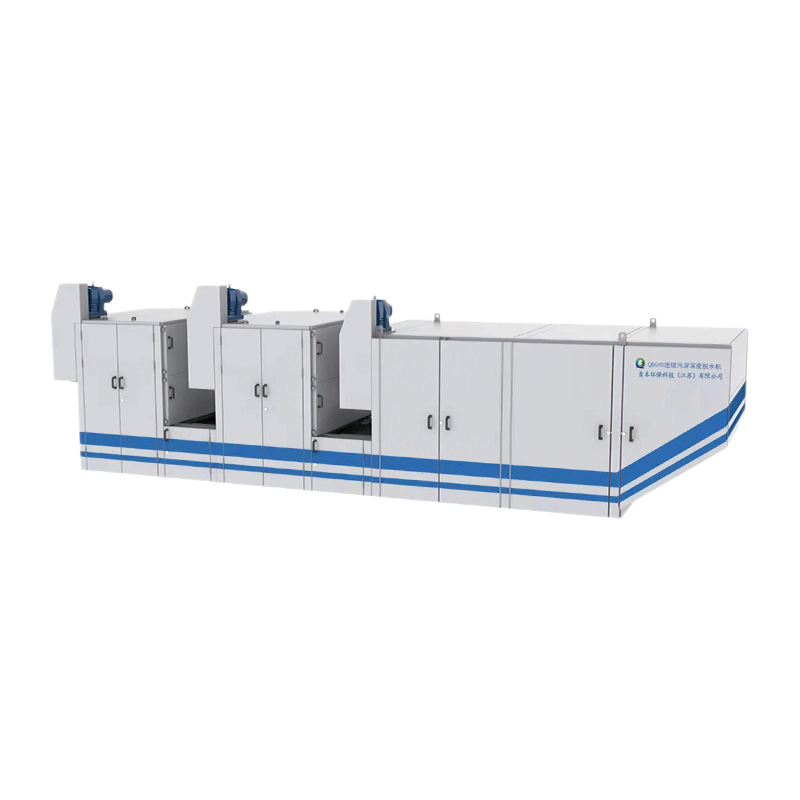
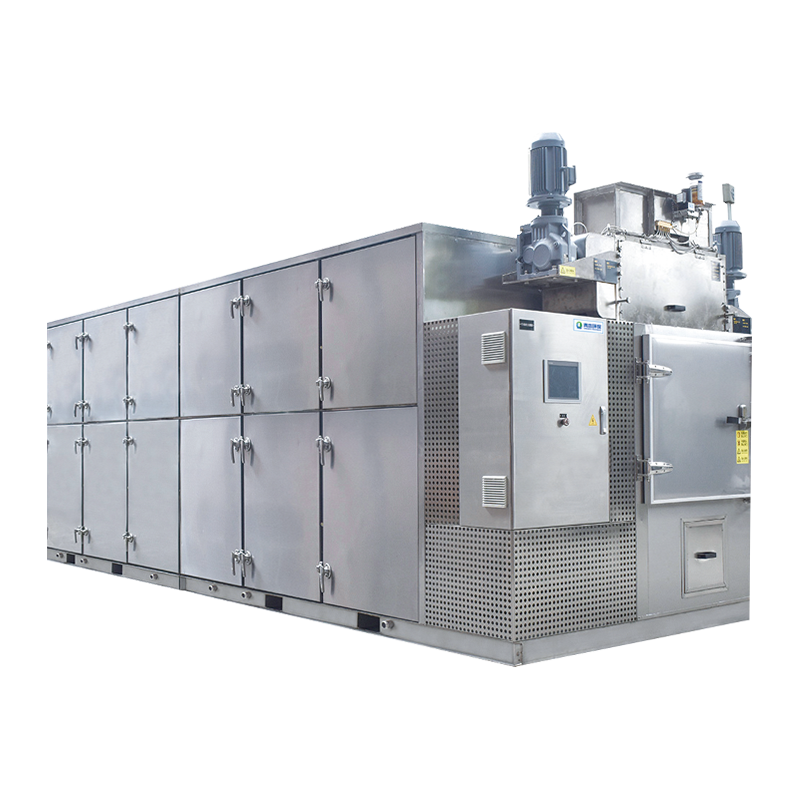
Drying adds heat to evaporate residual moisture, pushing dry solids above 85% and cutting weight to a fraction of the original cake. Low-temperature dryers have gained ground because they use recovered heat and produce less odorous exhaust than high-temperature processes.
Final disposal or reuse includes land application, composting, incineration, and landfill cover. The downstream route determines how dry the cake must be: agricultural reuse normally wants a stable, pasteurized material, while incineration rewards a much higher solids content.
The table below compares the main mechanical dewatering technologies:
| Technology | Typical DS after dewatering | Polymer demand | Energy use | Operator attention |
|---|---|---|---|---|
| Screw press | 25–35% | Low | Low | Low |
| Belt filter press | 18–25% | High | Moderate | High |
| Decanter centrifuge | 20–30% | High | High | Moderate |
| Plate-and-frame press | 35–45% | Moderate | Moderate | High |
Mechanical Dewatering Equipment — What to Look For
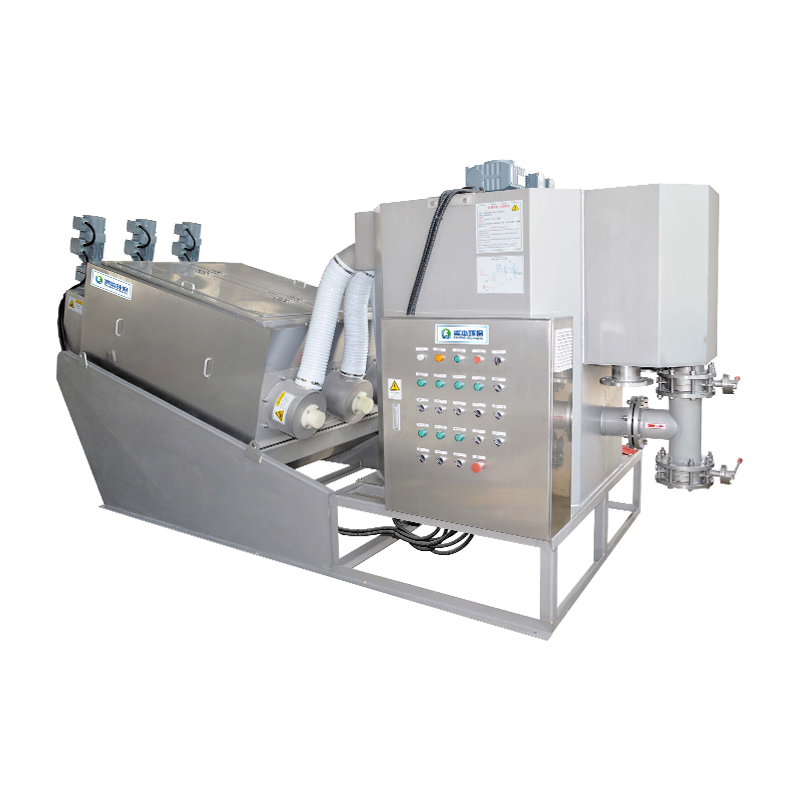
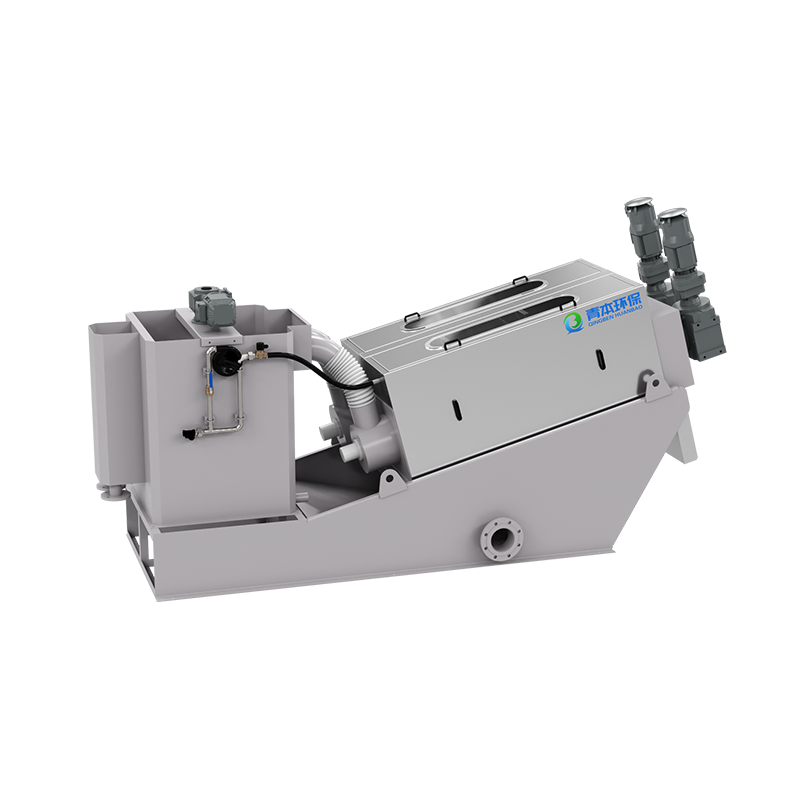
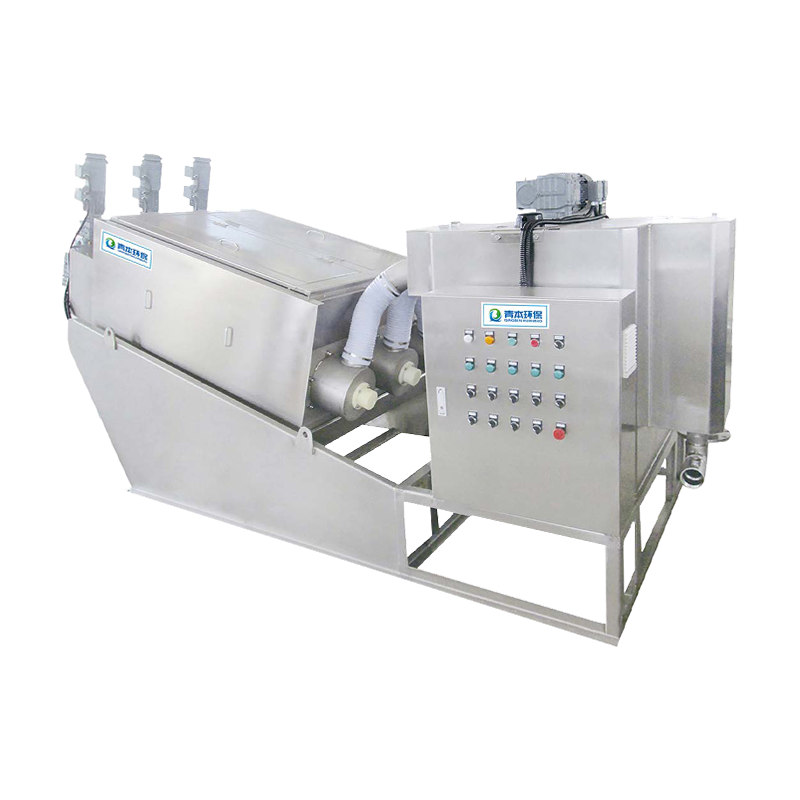
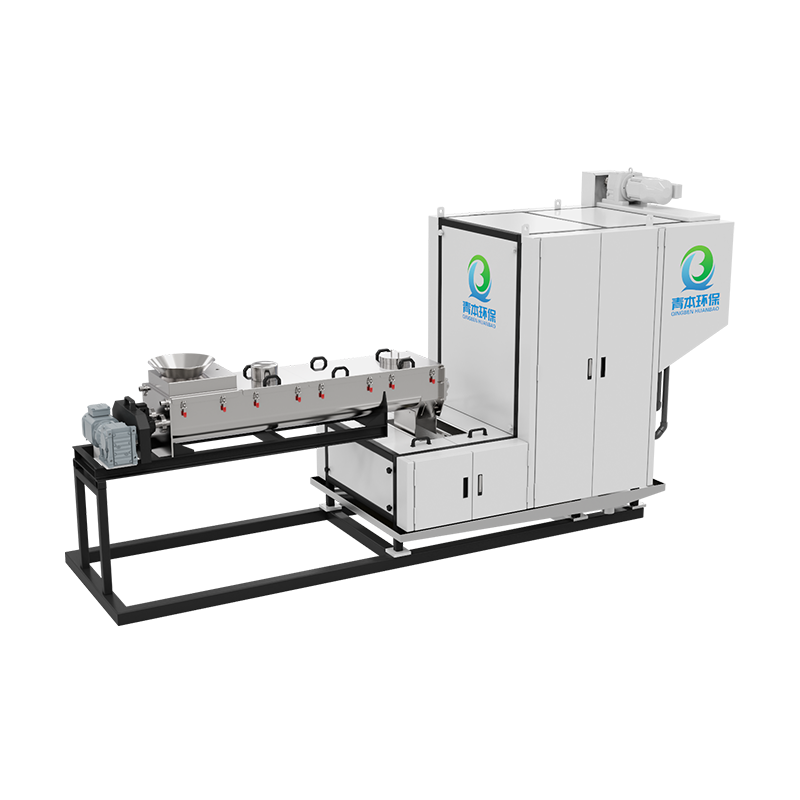
Mechanical dewatering is where sludge removal turns into a measurable reduction in operating cost. The screw press has become a workhorse for both municipal and industrial plants. Sludge is conveyed by a slow-turning screw inside a cylindrical screen; pressure builds along the shaft and water is forced out through the screen. Because the machine runs continuously and is largely self-cleaning, polymer consumption stays low and operator involvement is minimal.
 Screw Press Sludge Dewatering Machine for Continuous OperationThis screw press runs continuously with low polymer use and minimal operator input, treating sludge concentrations from 5000 to 50000 mg/L while consuming little energy, making it a practical choice for municipal or industrial plants.View Product →
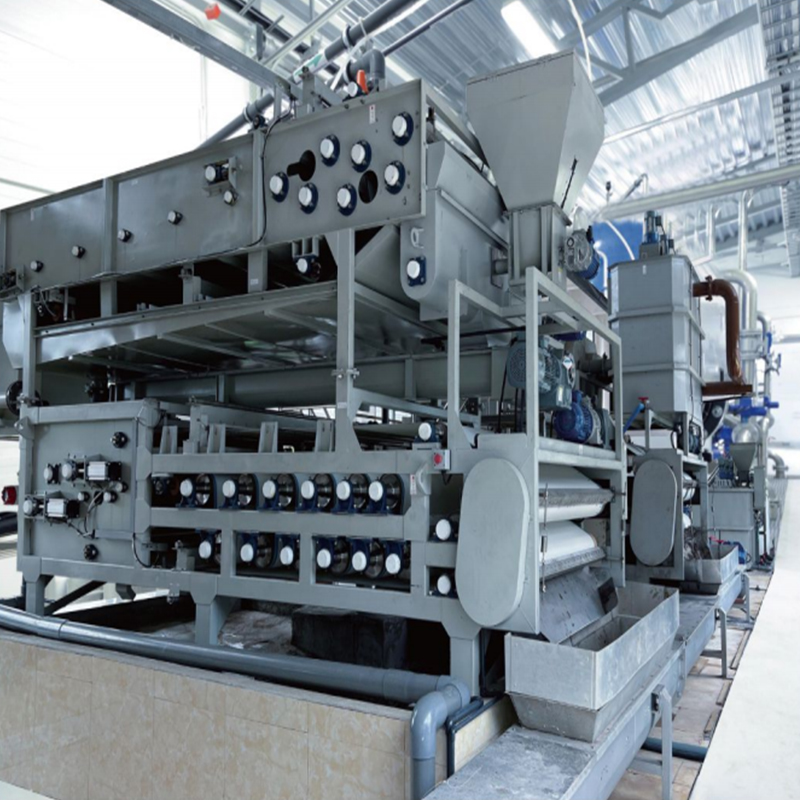
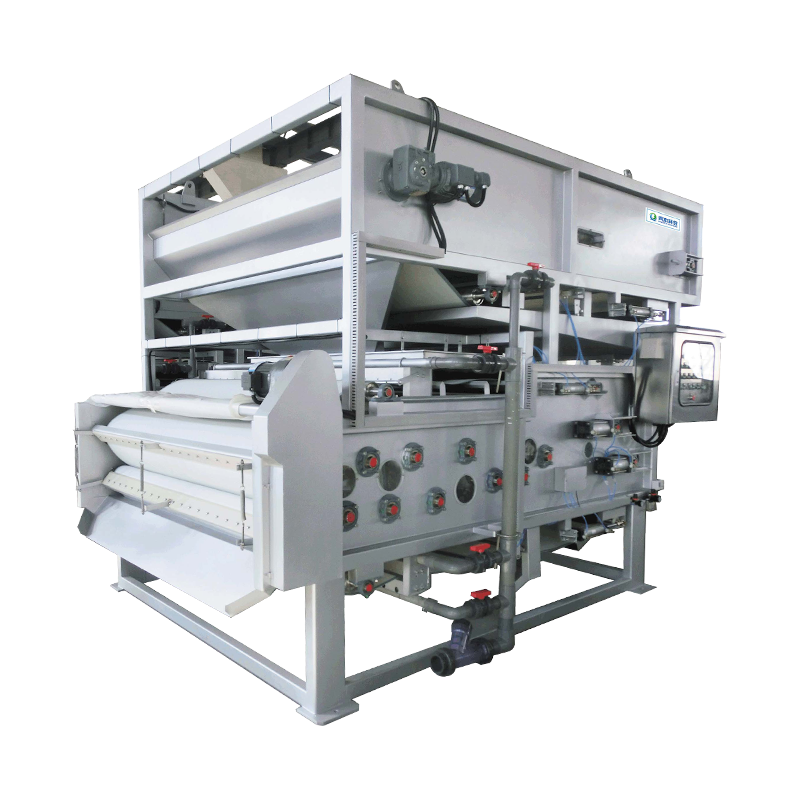
For sticky or hard-to-press sludge, a high-pressure belt system is often a better answer. High-pressure belt continuous deep dewatering equipment passes the cake through multiple belt stages under escalating pressure, producing cake solids above 40% in one pass. That makes it a strong option in industrial wastewater treatment lines where the priority is minimizing the weight and volume shipped off site.
 High Pressure Belt Continuous Sludge Deep Dewatering MachineThis high-pressure belt system subjects sludge to escalating pressure across multiple stages, achieving over 40% cake solids in one pass, which helps reduce off-site disposal weight and volume in industrial wastewater treatment.View Product →
When comparing dewatering machines, focus on five criteria:
- The dry-solids target required by your disposal or reuse route.
- The sludge profile, including fiber, fat, grit, and viscosity.
- Polymer and power consumption per ton of dry solids.
- Hours of unattended operation the machine can run.
- Washdown access, odor control, and maintenance requirements.
No single machine wins on every metric. A belt filter press delivers high throughput but consumes more polymer and demands constant supervision. A screw press trades some throughput for lower running costs and better tolerance of oily or fibrous sludge. A high-pressure belt system costs more but produces the driest cake among continuous dewatering solutions.
How Dry Can Each Stage Get?
Dry-solids percentage is the number that matters most when you calculate truckloads and disposal fees. Raising cake solids from 20% to 35% cuts the weight of sludge sent off site by roughly 45%, before any drying is added.
Putting the Stages Together
In a well-designed sludge removal line, the stages flow into one another. Thickening protects the dewatering machine from hydraulic surges; dewatering produces a cake that can be trucked away; and drying steps in only when the disposal route demands very high solids or hygienization.
Selection Checklist for a Sludge Removal System
A good procurement decision starts with the sludge itself, not the equipment brochure. Work through the checklist below before you talk to suppliers.
Pay special attention to the duty cycle. A machine rated for continuous operation will outperform a larger machine in standby mode when your plant runs 24/7. Also ask about spare part lead times and local service support, because downtime in the dewatering room directly affects the whole treatment train.
What Drives Sludge Removal Cost?
Operating cost is decided more by dewatering technology than by any other single factor. Polymer conditioning, electricity, wear parts, and operator time add up quickly. The chart below shows an indicative cost split for continuous dewatering systems.
Whatever combination you choose, track the real numbers after commissioning: tons of dry solids per ton of polymer, kWh per ton of dry solids, and truckloads hauled per month. These three metrics will tell you whether your sludge removal system is performing at the level your procurement decision assumed.
Frequently Asked Questions About Sludge Removal
What is sludge removal in wastewater treatment?
Sludge removal is the process of extracting, thickening, dewatering, and drying the solids that accumulate during wastewater treatment. It reduces sludge volume and weight so the remaining cake can be safely transported, reused, or disposed of.
What is the difference between sludge thickening and sludge dewatering?
Thickening removes free water and increases solids from about 1–2% to 3–6%. Dewatering then applies mechanical pressure or centrifugal force to remove bound water, producing a cake of 18–45% dry solids.
How much does sludge removal cost?
Cost varies with sludge volume, solids content, polymer dose, energy price, and disposal route. Sludge often represents 30–50% of total wastewater treatment operating cost, so an efficient dewatering system usually pays back quickly through lower hauling and disposal bills.
What dry solids content can a screw press achieve?
A screw press typically delivers 25–35% dry solids, depending on sludge type, polymer conditioning, and feed solids. With pre-thickening, municipal sludge cakes can reach 30% or higher.
Which is better, a belt filter press or a screw press?
Belt filter presses provide high throughput, but they consume more polymer and need frequent operator attention. Screw presses run continuously, use less energy and chemical, tolerate variable feeds, and fit applications that demand unattended operation.
Why is sludge removal important for a treatment plant?
Efficient sludge removal prevents solids from accumulating in clarifiers and digesters, keeps effluent quality within permit limits, reduces odor and greenhouse gas emissions, and cuts disposal costs through volume reduction.