

When a manufacturing plant generates thousands of gallons of oily wastewater every day, or a chemical facility needs to remove heavy metals before discharge, sending that effluent to a centralized wastewater treatment (CWT) plant is often the most practical and compliant solution. Unlike on-site systems that handle only the waste from a single source, a CWT facility receives industrial process water, tank washings, and spent solutions from multiple generators and treats them in a single, professionally managed location. This model has become the backbone of industrial wastewater management, particularly for streams that are too complex or expensive to treat on‑site.
Content
- 1 What Defines Centralized Wastewater Treatment?
- 2 Centralized vs. Decentralized: Which Model Fits Your Operation?
- 3 Core Treatment Stages Inside a CWT Plant
- 4 Equipment Reliability & Process Assurance
- 5 Compliance, Permitting & Regulatory Landscape
- 6 Frequently Asked Questions About Centralized Wastewater Treatment
What Defines Centralized Wastewater Treatment?
Centralized wastewater treatment refers to off‑site facilities that accept wastewater from a variety of industrial customers and treat it for safe disposal, recycling, or recovery of valuable materials. According to the U.S. Environmental Protection Agency’s 40 CFR Part 437, a CWT facility is “any facility that treats (for disposal, recycling or recovery of material) or transfers wastes that originate at a different location.” These plants employ a combination of physical, chemical, and biological processes to handle pollutants that typical municipal treatment works cannot manage alone.
The core advantage is scale: a single CWT plant can treat diverse waste streams—oily water, metal‑bearing solutions, organic solvents—using equipment that is too capital‑intensive for a single factory to justify. This centralized approach also ensures consistent compliance with discharge limits, as the facility operates under a single set of permits and is staffed by specialists.
Centralized vs. Decentralized: Which Model Fits Your Operation?
The choice between centralized and decentralized treatment is not merely about distance—it affects capital investment, operational complexity, and regulatory risk. Below is a side‑by‑side comparison using the dimensions that matter most to plant managers and environmental officers.
| Dimension | Centralized (Off‑Site) | Decentralized (On‑Site) |
|---|---|---|
| Capital investment | Low for generator (shared infrastructure) | High (equipment, permits, operator) |
| Operational complexity | Managed by CWT operator | Requires in‑house expertise |
| Waste stream compatibility | Accepts mixed, variable loads | Best for homogeneous, predictable waste |
| Regulatory burden | Single permit at CWT facility | Generator must hold own discharge permit |
| Water recovery potential | Often recycled or reused on‑site | Depends on system design |
| Scalability | Immediate (pay‑per‑volume) | Must invest in parallel units |
Radar comparison: larger area indicates better suitability across six criteria.
Core Treatment Stages Inside a CWT Plant
Whether wastewater arrives in tanker trucks or via pipeline, the treatment sequence follows a predictable pattern designed to separate, neutralize, and remove contaminants. Understanding these stages helps you evaluate whether a CWT facility can handle your specific waste profile.
1. Receiving & Equalization
Incoming waste is first stored in equalization tanks to smooth out flow and concentration spikes. A sample from each load is analyzed for pH, oil content, metals, and organics to determine the appropriate treatment path.
2. Screening & Grit Removal
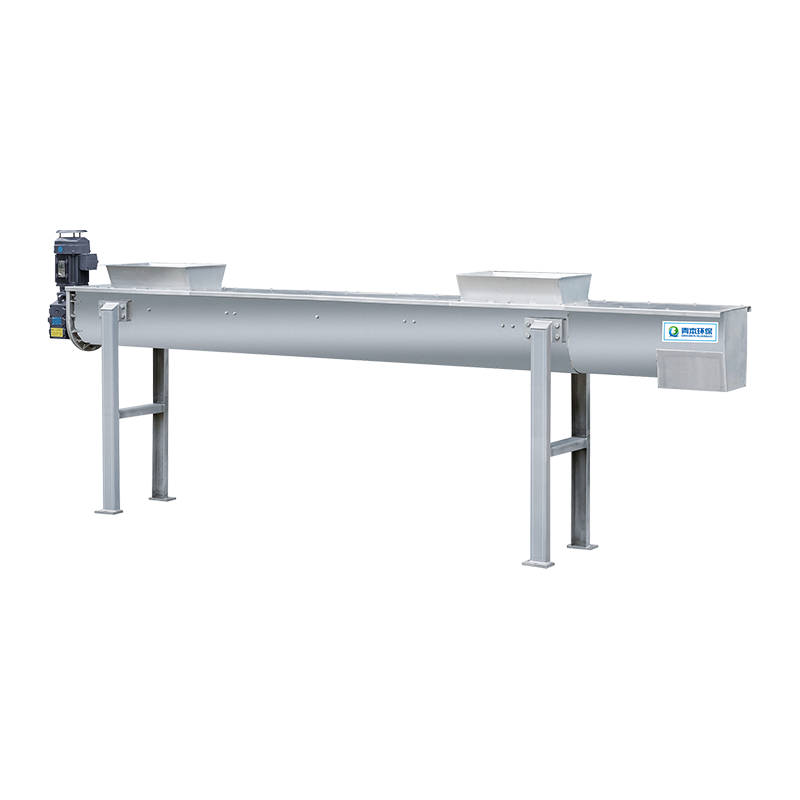
Large debris, rags, and sand are removed using mechanical screens and grit classifiers. This step protects downstream pumps and process equipment. For example, a grit classifier separates fine sand from the slurry using a spiral conveyor, preventing sedimentation in pipes and tanks.
3. Primary Separation (Oil/Water & Solids)
Gravity separation tanks or tilted plate separators remove free oil and settleable solids. Emulsified oils are broken chemically or mechanically. Dissolved air flotation (DAF) units—such as the horizontal air flotation machine—inject fine air bubbles to float particles and oily residue to the surface for skimming.
4. Chemical & Biological Treatment
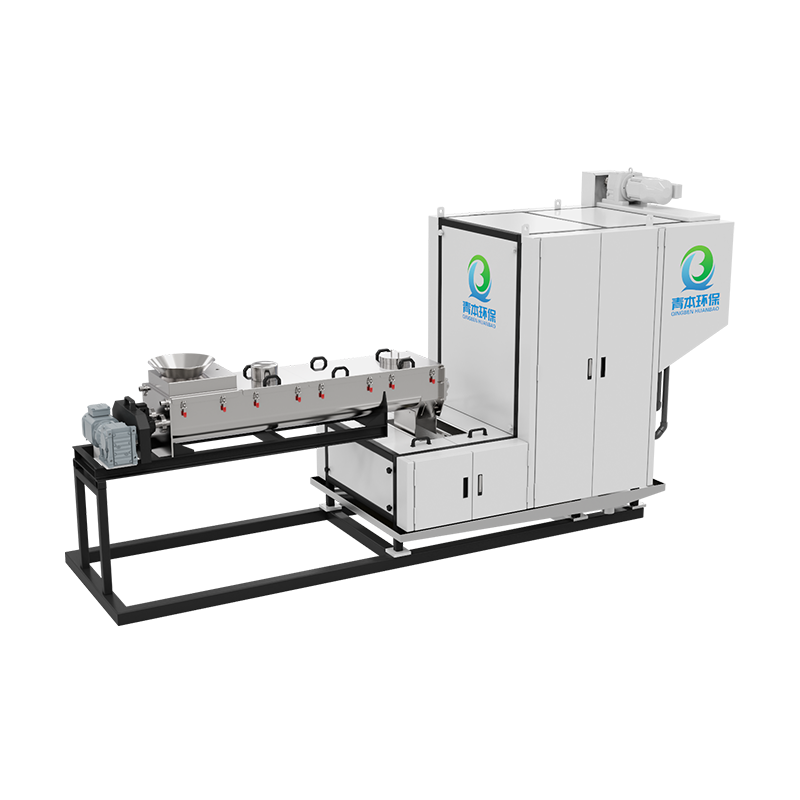
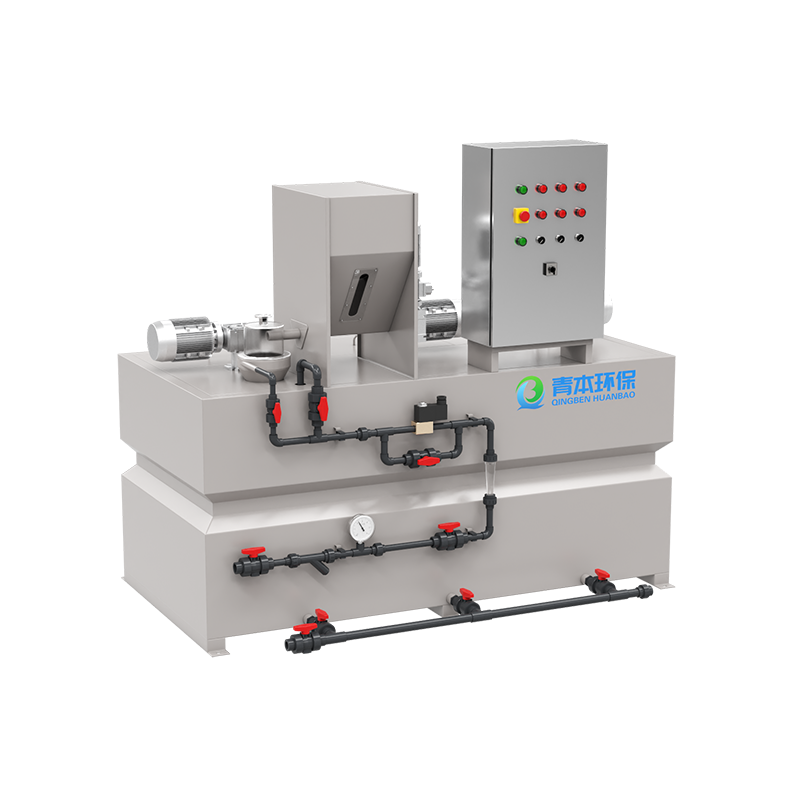
pH is adjusted with acids or bases; coagulants and flocculants are dosed to aggregate colloidal solids. For organic‑laden streams, biological reactors (activated sludge, MBBR) convert dissolved compounds into biomass. The correct dosing of chemicals is critical—facilities often rely on  Integrated Dosing Device for Precise Chemical AdditionThis dosing device ensures accurate pH adjustment and flocculant injection, reducing chemical waste while maintaining optimal performance in biological treatment stages.View Product → to maintain precision and reduce chemical waste.
5. Dewatering & Sludge Handling
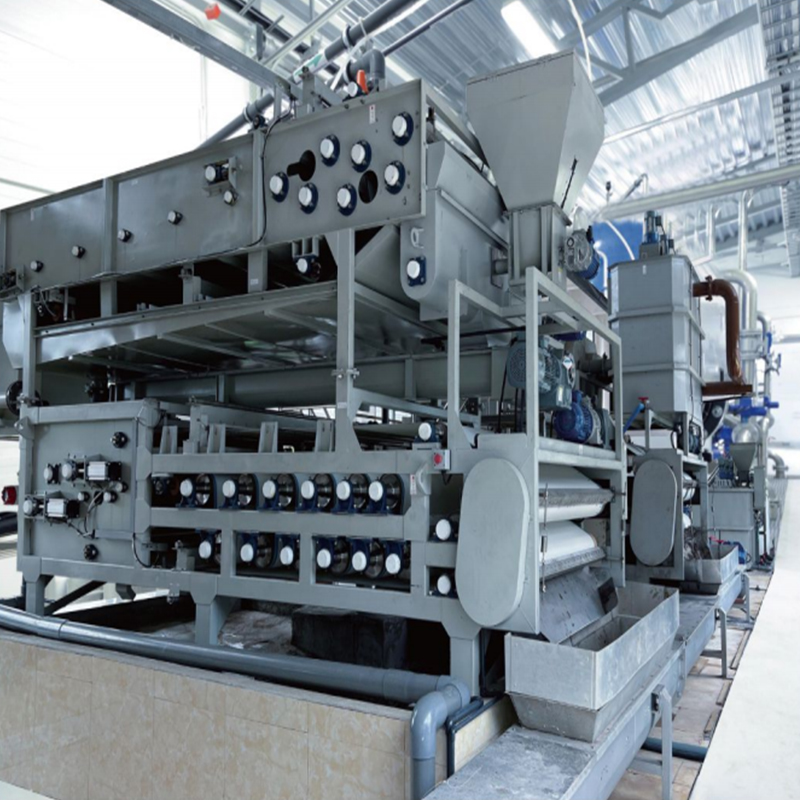
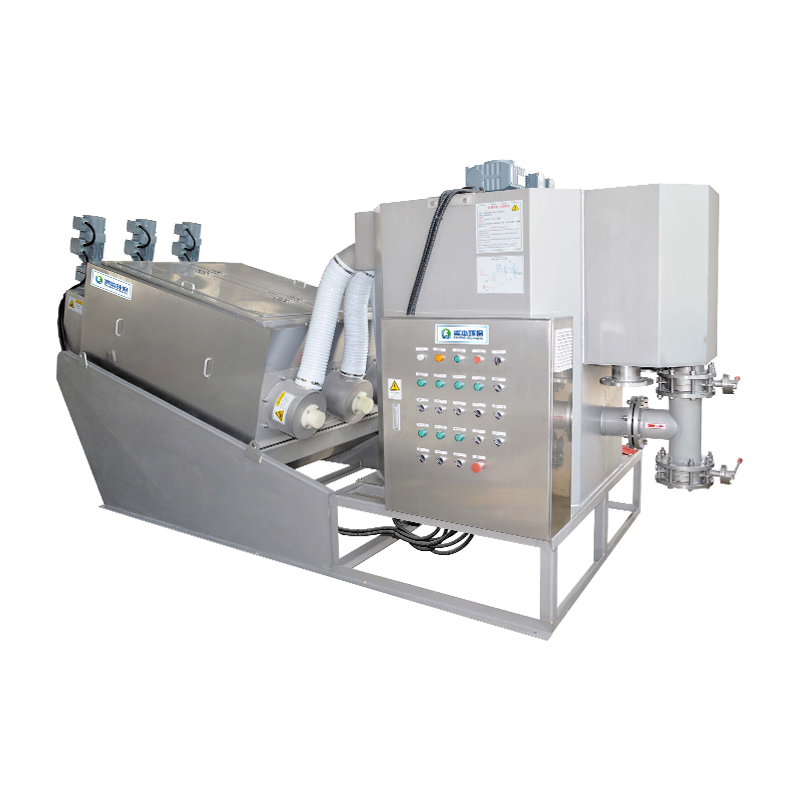
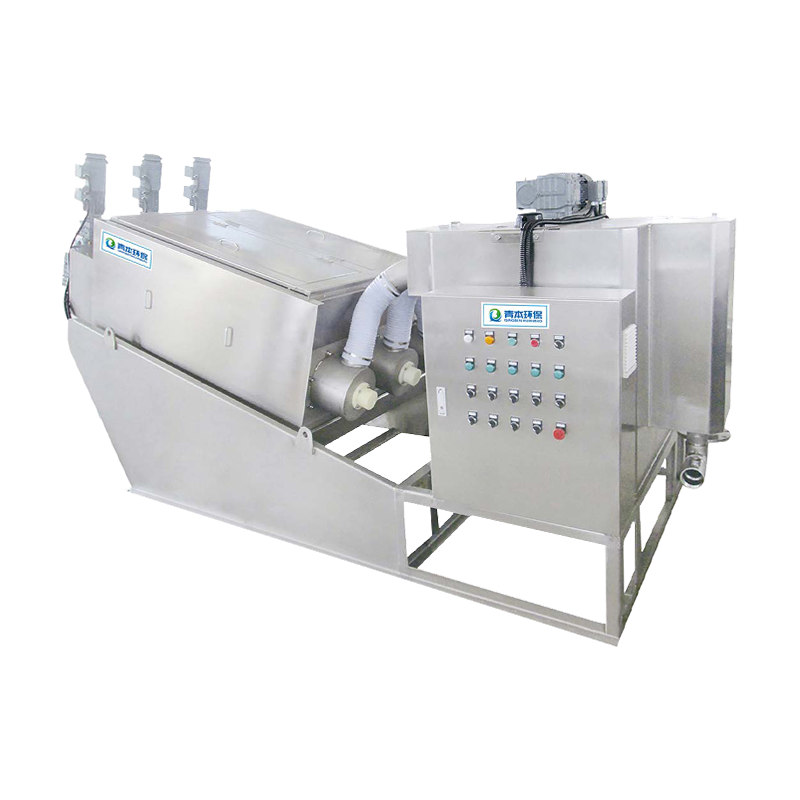
After treatment, the residual sludge must be dewatered to reduce volume and disposal cost. Belt filter presses and screw presses are the workhorses of this stage. A 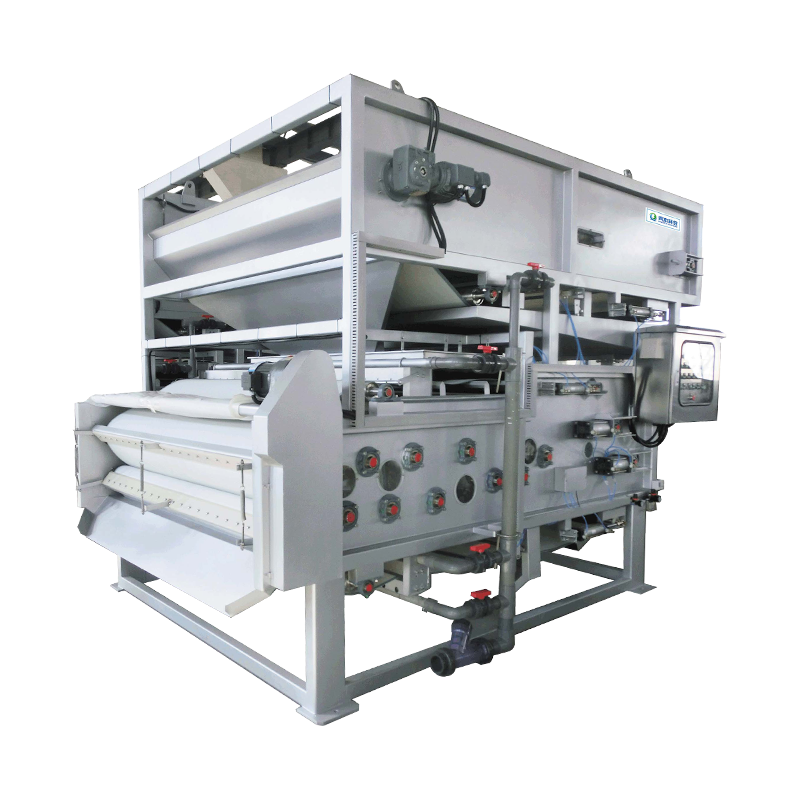 Stable Belt Filter Press for Sludge DewateringCombining gravity drainage and mechanical pressure, this belt filter press produces a dry cake with low noise, full automation, and durable filter cloth, ideal for high-volume plants.View Product → uses gravity drainage followed by mechanical pressure between filter belts to produce a dry cake. For sludges with high grease content or variable solids, a
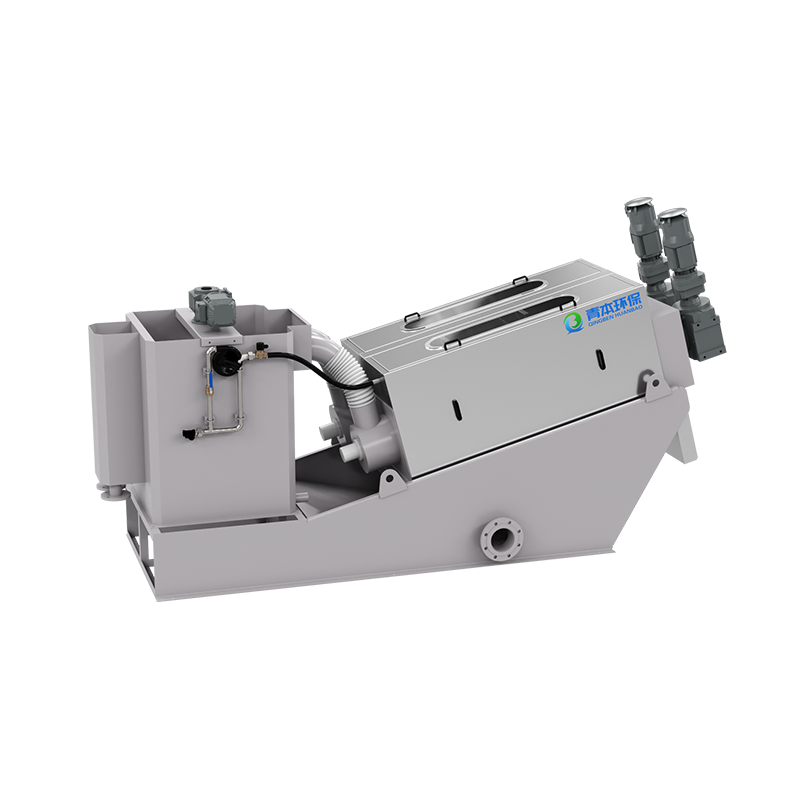
  Self-Cleaning Screw Press Sludge Dewatering MachineHandling fibrous, sticky, and greasy sludges with low shear and energy use (1/8 of belt presses), this screw press operates at 2-4 rpm and fits directly on aeration tanks.View Product → offers a self‑cleaning, low‑shear alternative that handles fibrous and sticky materials effectively.
Equipment Reliability & Process Assurance
Because a CWT plant must treat hundreds of thousands of gallons daily, every piece of equipment must be robust, easy to maintain, and capable of handling wide swings in influent quality. The following table summarizes three critical equipment choices that impact plant uptime and final effluent quality.
| Equipment | Best For | Key Advantage | Typical Dry Solids Output |
|---|---|---|---|
| Belt Filter Press | Municipal & light industrial sludge | Low operating cost per ton | 18–25% |
| Screw Press | Oily, fatty, high‑viscosity sludge | Continuous operation, self‑cleaning | 20–30% |
| Integrated Dosing Device | Chemical conditioning for any sludge | Precise polymer dosing, lower consumption | — |
Selecting the right combination depends on the waste stream’s composition, the facility’s discharge permit limits, and the economics of sludge disposal. Many facilities now install automated dosing systems to minimize operator intervention and reduce chemical costs by 10–20%, as indicated by recent industry reports.
Compliance, Permitting & Regulatory Landscape
CWT operations in the United States fall under 40 CFR Part 437, which sets effluent limitations for metals recovery, oils recovery, organics recovery, and multiple waste stream combinations. The rule applies to any facility that receives waste from off‑site generators. Compliance involves:
- Monitoring for regulated parameters (e.g., cadmium, chromium, cyanide, TSS, oil & grease).
- Submitting periodic discharge monitoring reports (DMRs) to the permitting authority.
- Implementing best management practices to prevent upsets from incompatible waste mixtures.
Understanding your waste profile before shipping to a CWT facility is the single most important step. Many facilities require a detailed waste profile—including full metals scan, pH, flash point, and organic carbon analysis—to ensure compatibility with their treatment trains and permits. Working with a manufacturer that offers comprehensive support, from equipment selection to process tuning, can simplify this phase.
Frequently Asked Questions About Centralized Wastewater Treatment
A CWT facility must obtain a National Pollutant Discharge Elimination System (NPDES) permit if it discharges directly to surface waters, or a pretreatment permit if it sends effluent to a publicly owned treatment works (POTW). It must also comply with 40 CFR Part 437.
Costs vary by volume, contaminant level, and location. Typical rates range from $0.10 to $1.00 per gallon, including treatment and disposal. Complex or hazardous streams cost more.
Biochemical oxygen demand (BOD) measures oxygen consumed by microorganisms decomposing organic matter. Most CWT plants achieve 85–95% BOD reduction using aerobic biological treatment before discharge.
Yes. Many CWT facilities accept containerized waste. However, the containers must be labeled, and a waste profile must be submitted and approved before shipping.
Depending on the facility’s permit, treated water may be discharged to a sewer, surface water, or reused internally for cooling or washing. Some plants recover metals or salts from the brine.
Sludge from CWT is typically dewatered using belt presses or screw presses, then sent for incineration, landfill, or land application. Dewatering reduces weight by up to 70%.