

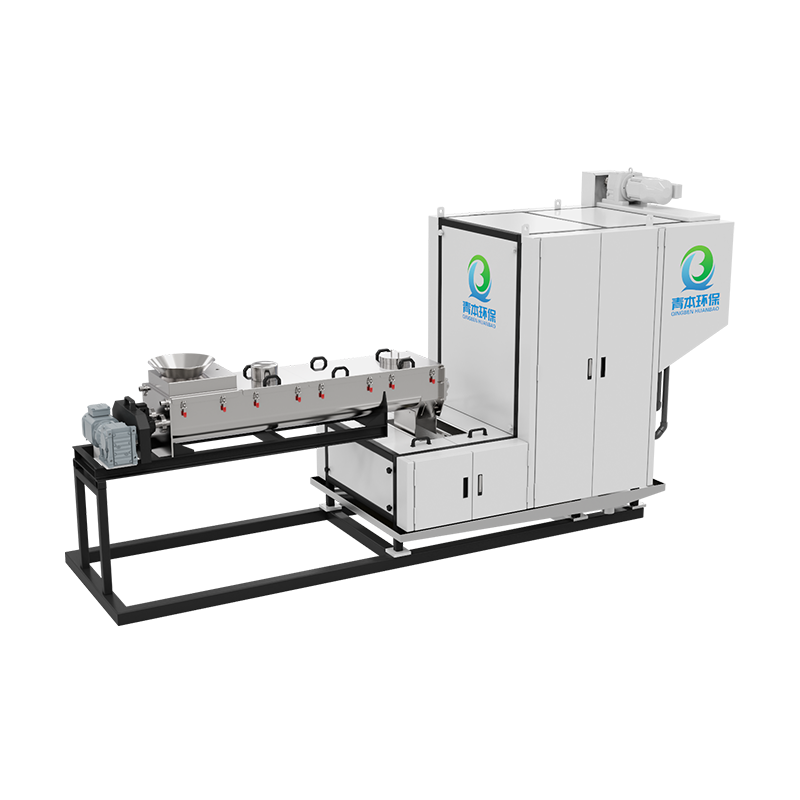
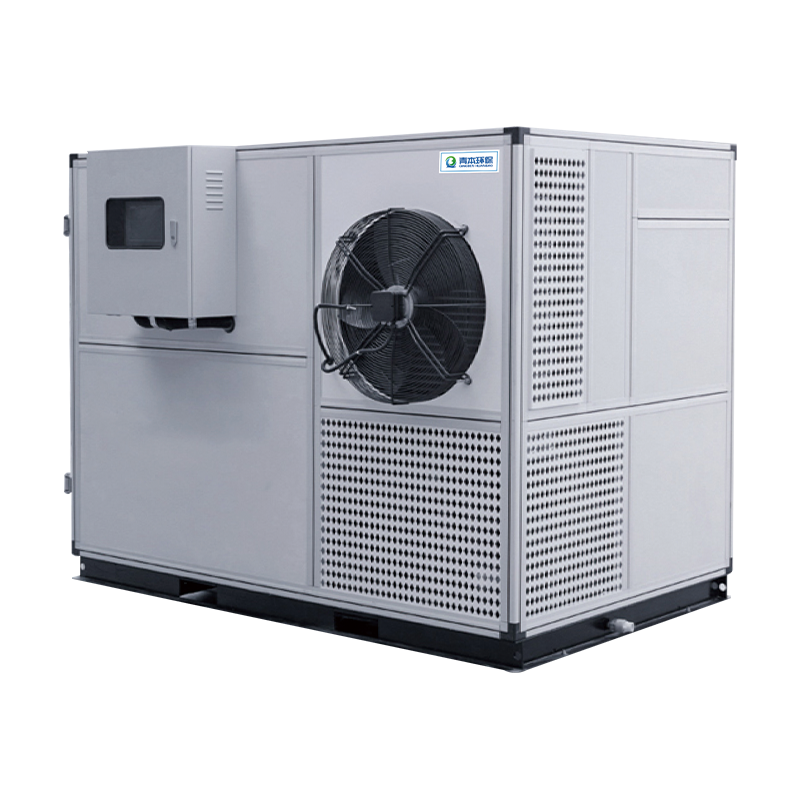
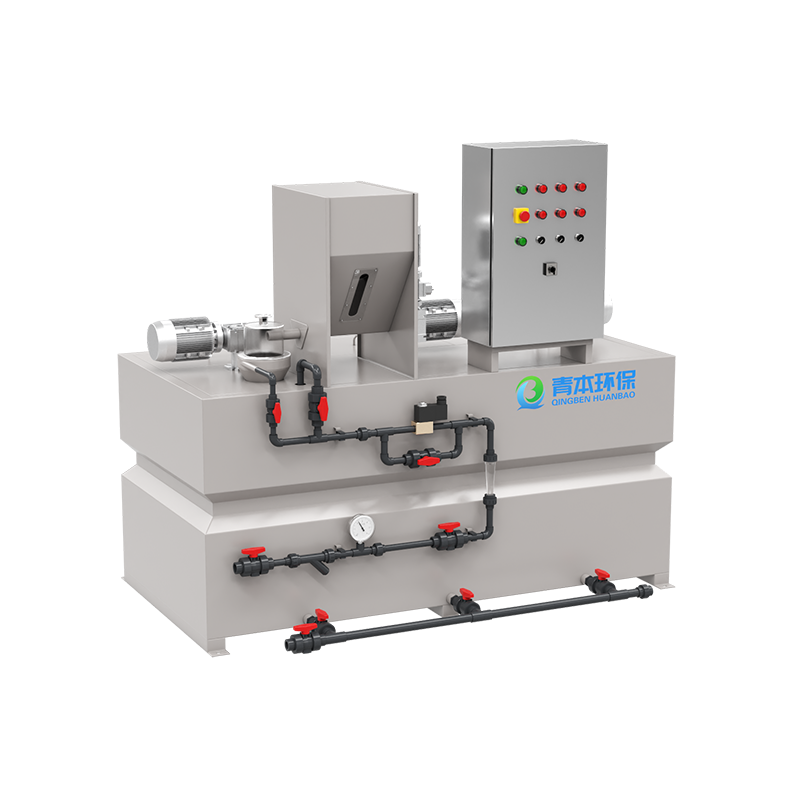
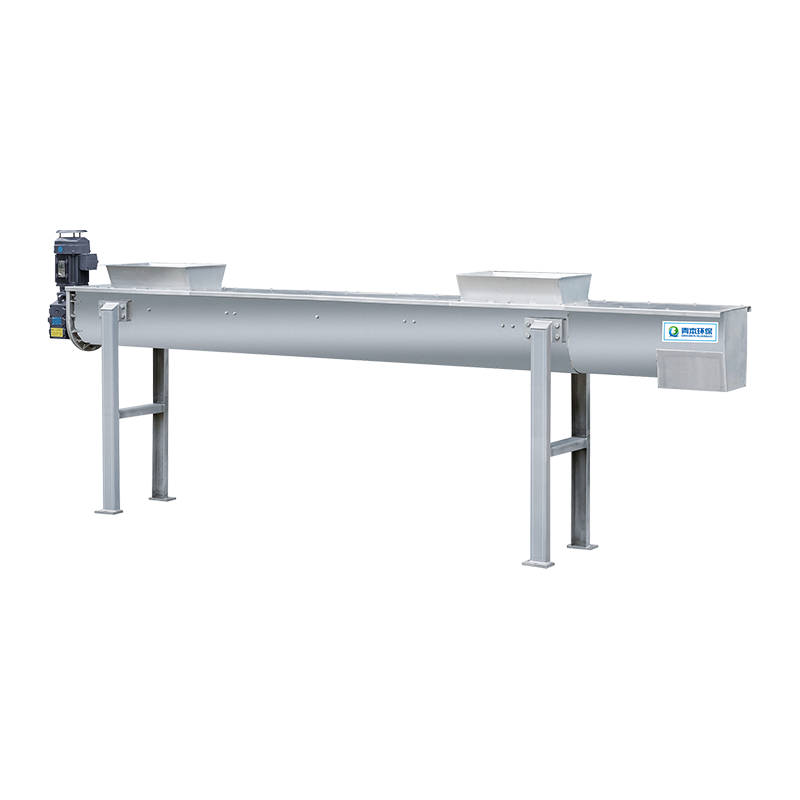
When it comes to industrial sludge treatment, the choice of drying technology directly impacts energy consumption, operational costs, final moisture content, and environmental compliance. The short answer: the Sludge Cryogenic Chamber Drying Machine outperforms traditional belt dryers in energy efficiency, odor control, and reduction rate for most municipal and industrial sludge applications. Belt dryers remain viable for large-scale, continuous operations where initial capital cost is the primary constraint. Below, we break down the technical and operational differences so you can make an informed decision.
Content
- 1 What Is a Sludge Cryogenic Chamber Drying Machine?
- 2 What Is a Belt Dryer?
- 3 Side-by-Side Comparison: Key Performance Metrics
- 4 Energy Efficiency: The Numbers Tell the Story
- 5 Moisture Reduction Capability and Volume Reduction Rate
- 6 Environmental Compliance and Odor Management
- 7 Safety Profile: Low-Temperature Operation Reduces Risk
- 8 Suitable Application Scenarios
- 9 About Qingben Environmental Technology
- 10 Frequently Asked Questions
What Is a Sludge Cryogenic Chamber Drying Machine?
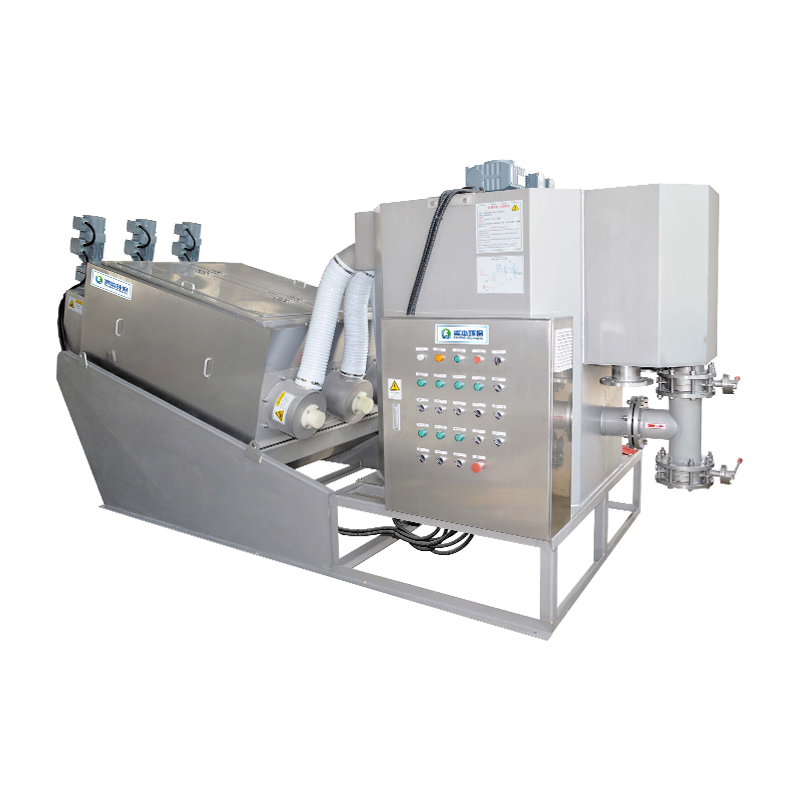
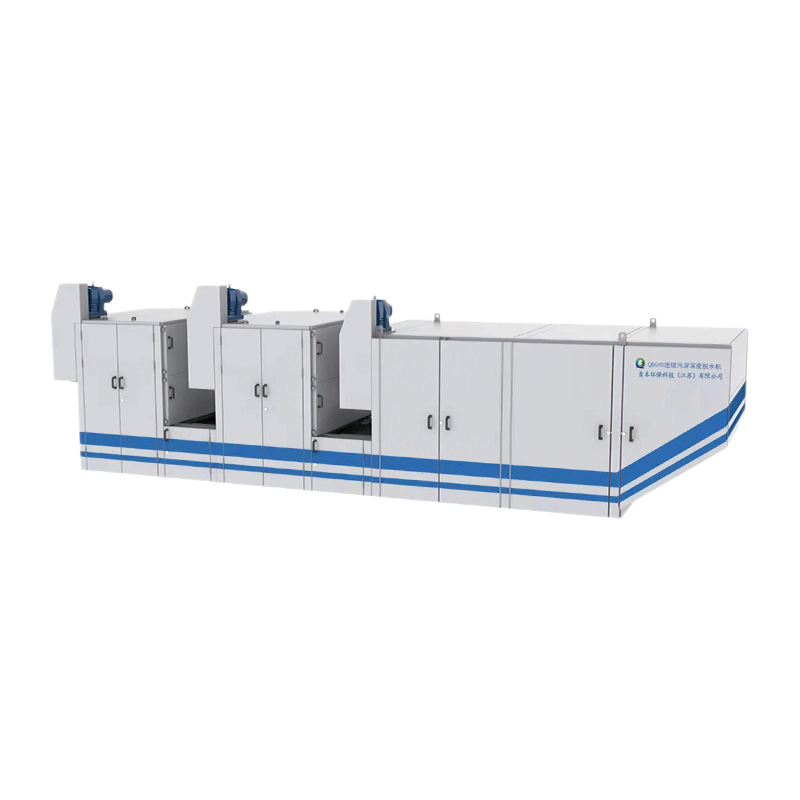
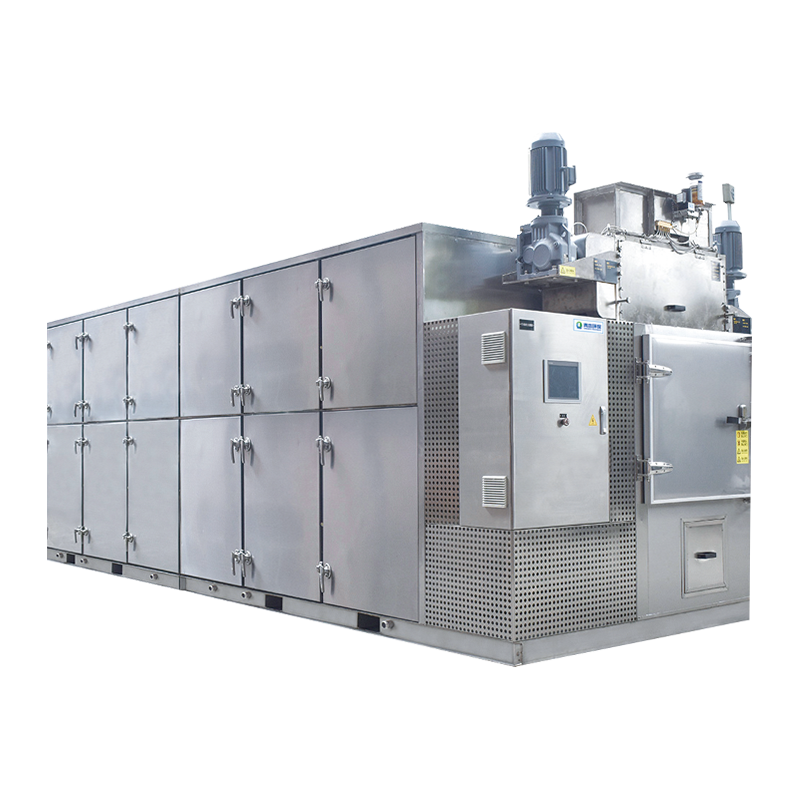
A Sludge Cryogenic Chamber Drying Machine — also referred to as a Low Temperature Sludge Dryer or closed-loop heat pump dryer — operates at low temperatures, typically between 45°C and 75°C, using a heat pump cycle to dehumidify and dry sludge inside a sealed chamber. This design keeps volatile organic compounds (VOCs) and odors contained, making it particularly suitable for urban environments and facilities with strict air quality regulations.
The system draws moisture from sludge through a recirculating airflow loop. The moist air passes over an evaporator coil that condenses the water vapor, which is then discharged as liquid. The dried air is reheated and returned to the chamber. This closed-loop design results in energy consumption of approximately 0.3–0.5 kWh per kilogram of water evaporated, significantly lower than conventional thermal methods.
What Is a Belt Dryer?
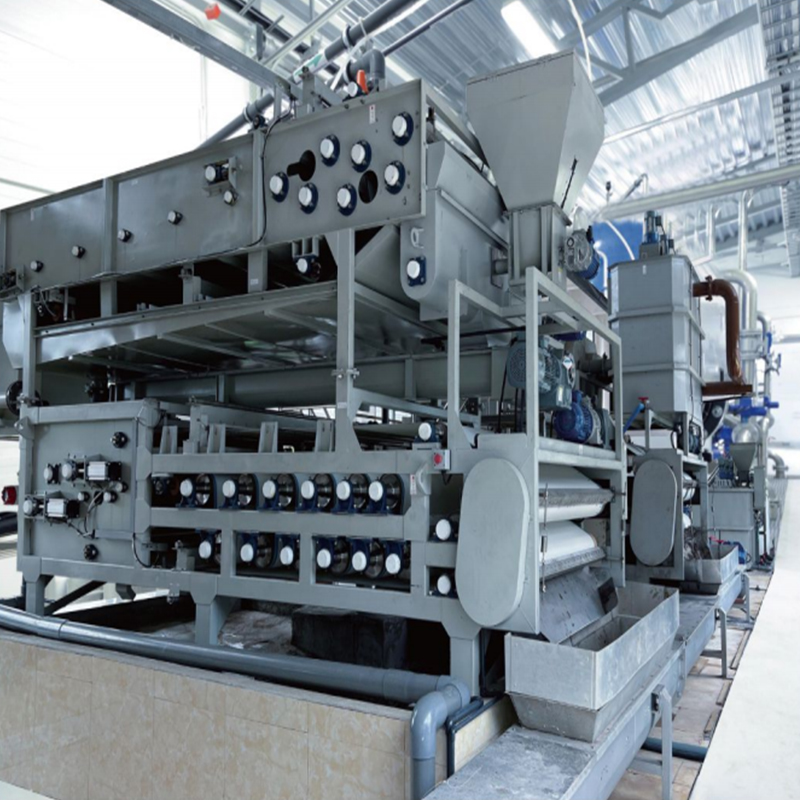
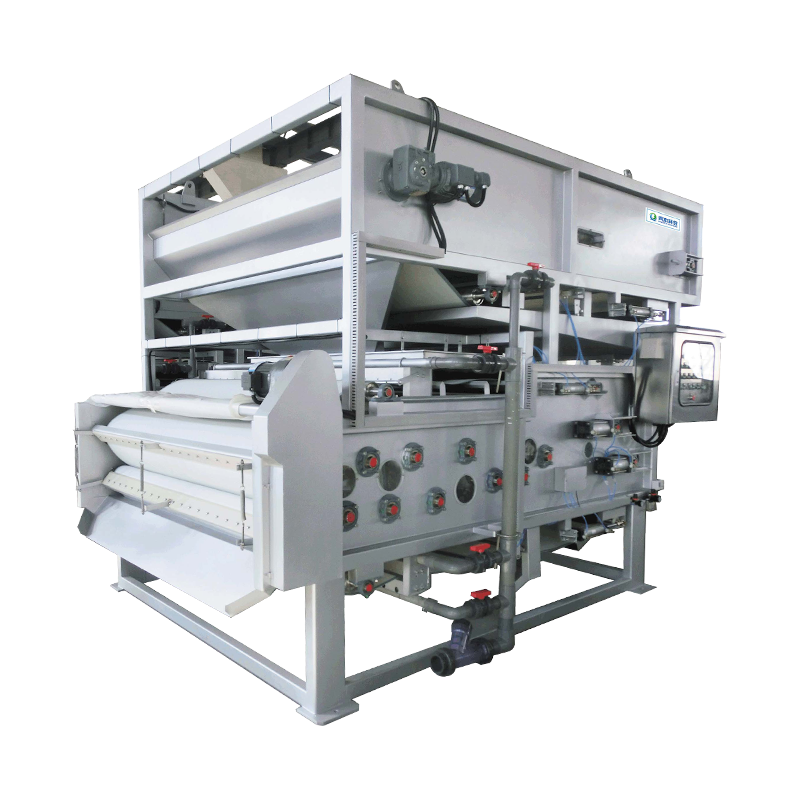
A belt dryer conveys sludge on a perforated conveyor belt through a heated air stream. Hot air — often sourced from natural gas burners or steam — passes through the sludge layer, evaporating moisture as the material travels through the drying zone. Belt dryers are well-established in industries such as food processing, biomass, and sewage sludge treatment.
Typical operating temperatures range from 80°C to 200°C, delivering high throughput. However, this comes with higher energy costs and greater challenges with odor and exhaust gas management. Energy consumption for belt dryers typically ranges from 0.8–1.4 kWh per kilogram of water evaporated, depending on heat source and system configuration.
Side-by-Side Comparison: Key Performance Metrics
The table below summarizes the core differences between a Cryogenic Sludge Dewatering Machine (heat pump type) and a conventional belt dryer across the most important operational parameters.
| Parameter | Sludge Cryogenic Chamber Drying Machine | Belt Dryer |
|---|---|---|
| Operating Temperature | 45–75°C | 80–200°C |
| Energy Consumption (kWh/kg water) | 0.3–0.5 | 0.8–1.4 |
| Final Moisture Content | 10%–50% (adjustable) | 20%–60% |
| Volume Reduction Rate | Up to 80%+ | 40–60% |
| Odor Control | Enclosed, minimal emissions | Requires exhaust treatment |
| Fire/Explosion Risk | Low (low-temp operation) | Moderate to High |
| Footprint | Compact, modular | Large continuous layout |
| Automation Level | High (PLC-controlled) | Moderate |
| Suitable Sludge Types | Municipal, industrial, river sediment | Municipal, food, biomass |
Energy Efficiency: The Numbers Tell the Story
Energy cost is one of the most decisive factors in long-term sludge treatment economics. The chart below illustrates a real-world scenario: drying 10 tonnes of sludge per day from 80% moisture to a target level using each technology type.
Daily Energy Consumption Comparison (kWh) — 10T Sludge/Day
Estimated values based on 10 tonnes/day input at 80% initial moisture, targeting 30% final moisture
Across a 300-day operating year, this difference translates to 660,000–1,080,000 kWh in annual savings when using a Low Temperature Sludge Dryer versus a belt dryer. For facilities on industrial electricity tariffs, this represents substantial operational savings that accumulate over the equipment's lifespan.
Moisture Reduction Capability and Volume Reduction Rate
One of the most critical metrics in sludge treatment is the final dry matter content. Higher dry matter means lower disposal weight, reduced landfill volume, and greater suitability for downstream uses such as co-incineration or soil amendment.
The Industrial Sludge Drying System based on cryogenic chamber technology delivers final moisture content that is adjustable from 10% to 50%, giving operators flexibility based on the intended disposal or reuse pathway. With a volume reduction rate of 80% or more, this technology fundamentally addresses the bottleneck of traditional drying systems that often leave moisture content above 60%, limiting downstream processing options.
Final Moisture Content Achievable by Technology
Chamber Dryer
(standard)
Dewatering Only
Lower final moisture = greater volume reduction and more disposal/reuse pathways
Environmental Compliance and Odor Management
Odor emissions from sludge drying are a persistent regulatory and community relations challenge. Belt dryers operating at high temperatures accelerate the volatilization of sulfur compounds, ammonia, and other odorous gases. These must be captured and treated using biofilters or thermal oxidizers, adding both capital and operating costs.
The Sludge Cryogenic Chamber Drying Machine operates in a fully enclosed environment. Because temperatures remain below 75°C, the release of volatile compounds is significantly reduced. The sealed system keeps exhaust gas volumes small and manageable. In many installations, a simple activated carbon filter is sufficient for odor control — a far simpler and less expensive solution than the multi-stage exhaust treatment systems required for high-temperature belt dryers.
Additionally, because the system avoids combustion-based heating, there are no NOx or CO2 emissions from the drying process itself — an important consideration for facilities operating under carbon emission targets.
Safety Profile: Low-Temperature Operation Reduces Risk
High-temperature belt dryers handling sludge with elevated organic content carry a non-negligible risk of dust ignition or fire, especially if the sludge has been dewatered from industrial effluents containing volatile compounds. Safety systems, spark detection, and inert gas purging add to the complexity and cost of belt dryer installations.
The Cryogenic Sludge Dewatering Machine and its drying chamber operate at temperatures well below the ignition threshold of most organic sludge materials. This significantly simplifies the safety design, reduces insurance requirements, and lowers the barrier to permitting in urban or sensitive industrial locations.
Suitable Application Scenarios
Choosing the right system depends on the specific operational context. Here is a practical guide:
When to Choose a Sludge Cryogenic Chamber Drying Machine:
- Municipal wastewater treatment plants in urban areas with strict odor regulations
- Industrial facilities requiring adjustable final moisture content (10%–50%)
- Sites with limited space that benefit from a compact, modular design
- Projects targeting a volume reduction of 80% or more
- River and lake sediment treatment where low-emission processing is essential
- Facilities aiming to minimize carbon footprint from the drying process
When a Belt Dryer May Still Be Considered:
- Very large-scale operations (100+ tonnes/day) where belt dryers offer proven throughput
- Sites with access to waste heat or low-cost steam that offsets energy disadvantages
- Applications where sludge is fed directly into a combustion process, tolerating higher moisture
About Qingben Environmental Technology
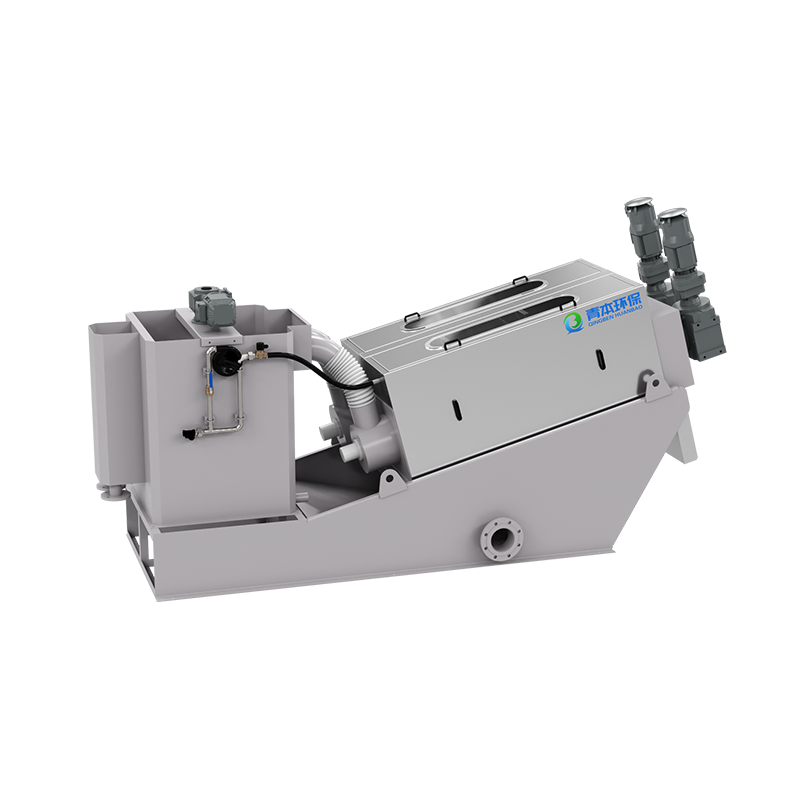
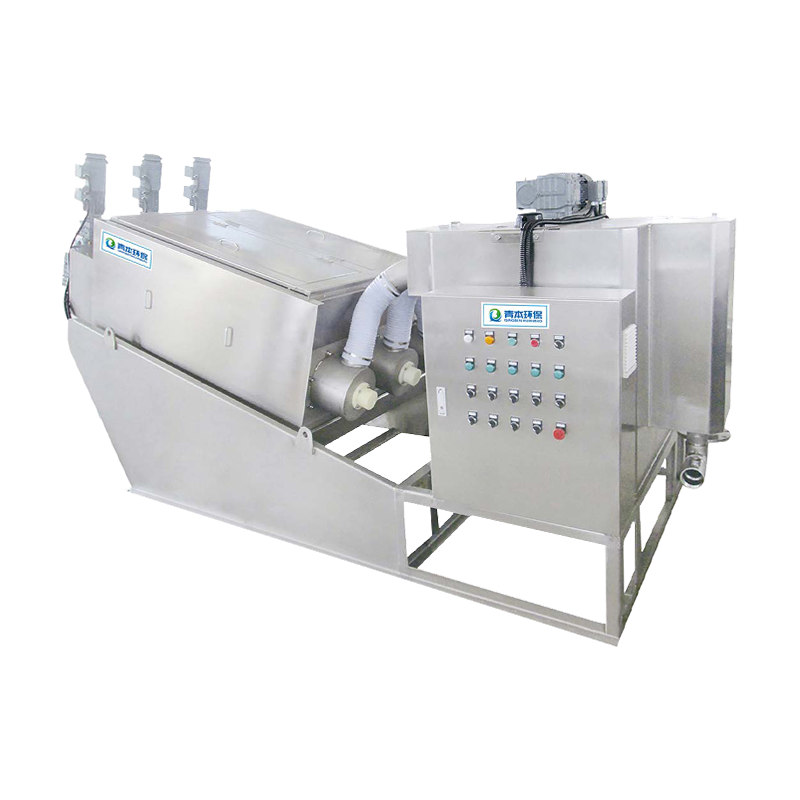
Qingben Environmental Technology (Jiangsu) Co., Ltd. is a professional enterprise specializing in the manufacturing and service of sludge and wastewater treatment equipment. Grounded in research and development within the field, the company provides sludge dewatering machines, sludge drying equipment, complete sets of wastewater treatment equipment, river and lake sediment drying equipment, and comprehensive technical services.
As a professional Custom Sludge Cryogenic Chamber Drying Machine Manufacturer and factory, Qingben delivers comprehensive technical support spanning project consultation, design, construction, operation, and maintenance — ensuring the successful implementation and efficient operation of sewage treatment and sludge treatment projects.
With a strong drying reduction ability, the system achieves dry mud water content of less than 10%–50% (adjustable) and a reduction rate of up to 80% or more — overcoming the technical bottleneck of traditional drying systems that leave sludge with high residual moisture content. This capability transforms the economics and feasibility of sludge disposal across a wide range of industrial and municipal applications.
Frequently Asked Questions
Q1: What is the typical drying capacity range for a Sludge Cryogenic Chamber Drying Machine?
A1: Systems are available in modular configurations ranging from 1 tonne per day for small facilities up to 50+ tonnes per day for large municipal or industrial applications. Multiple units can be combined to scale capacity without compromising process control.
Q2: Can the Low Temperature Sludge Dryer handle sludge with high grease or oil content?
A2: Yes. Because operating temperatures remain below 75°C, the system does not cause thermal cracking or combustion of organic compounds. It is suitable for food processing sludge, industrial oily sludge, and municipal biosolids, provided upstream dewatering is performed to reduce initial moisture to a manageable level (typically below 80%).
Q3: How long does it take to reach the target moisture content?
A3: Drying time depends on initial moisture content, batch size, and target final moisture. For a typical batch reducing sludge from 75% to 30% moisture, the process takes approximately 6–10 hours. Continuous feed versions of the Industrial Sludge Drying System can achieve similar results with lower peak energy demand through staged processing zones.
Q4: What maintenance does a Cryogenic Sludge Dewatering Machine require?
A4: Maintenance requirements are comparatively low. Key routine tasks include cleaning the condenser and evaporator coils (typically monthly), checking refrigerant levels (quarterly), and inspecting seals on the drying chamber. The absence of combustion components, open belt mechanisms, and high-temperature components significantly reduces wear and unplanned downtime.
Q5: Is the dried sludge output suitable for reuse, such as land application or co-incineration?
A5: Dried sludge with moisture content below 40% is generally suitable for co-incineration as a supplementary fuel source. Sludge dried to below 30% moisture can meet the requirements for some soil amendment programs when heavy metal and pathogen concentrations fall within regulatory limits. The low-temperature process helps preserve organic structure, which can be advantageous for agricultural applications.