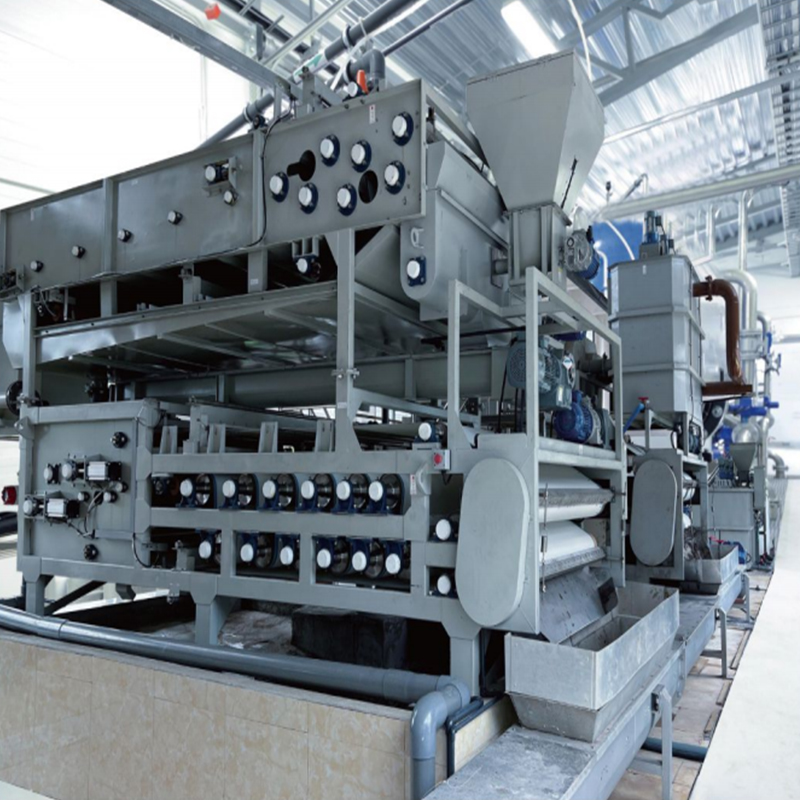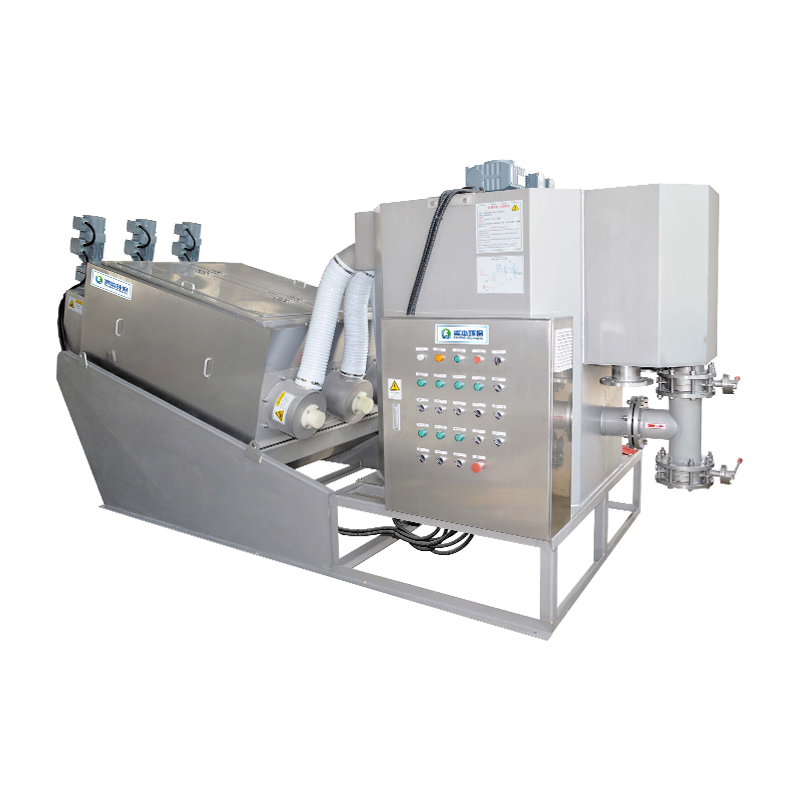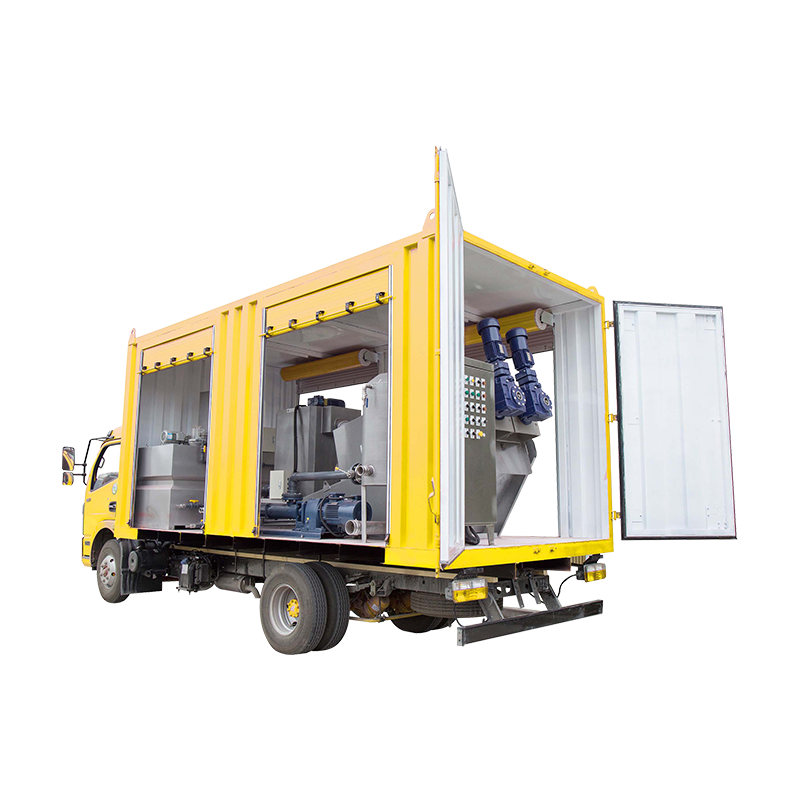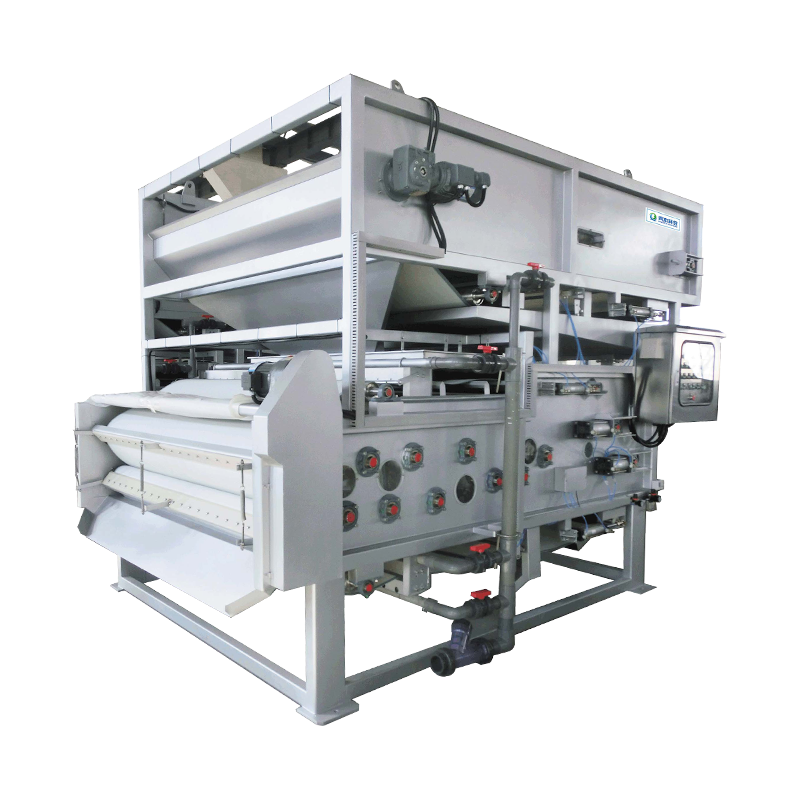


Many customers ask this during their first inquiry: "What exactly does sewage treatment equipment do? What problems will it solve after installation?" This question seems simple, but it actually relates to whether a company can operate normally, whether it meets environmental protection requirements, and the cost of its subsequent operation. Today, we'll explain the function, working principle, application scenarios, and real value of sewage treatment equipment in simple terms.
1. What is sewage treatment equipment?
Simply put, it's a system that ensures wastewater meets discharge standards. The core function of sewage treatment equipment is singular: to treat wastewater that doesn't meet discharge standards into water that can be safely discharged or reused.
These wastewater sources are very diverse, including:
Factory production wastewater
Food processing wastewater
Chemical and electroplating wastewater
Hospital and hotel domestic wastewater
Aquaculture farm wastewater
Direct discharge without treatment not only pollutes the environment but also risks fines, production stoppages, and even license revocation. Therefore, sewage treatment equipment has become a "must-have" in enterprise production support.
2. When is Sewage Treatment Equipment Necessary?
In practical applications, customers typically need to install sewage treatment equipment in the following situations:
(1) Environmental Impact Assessment Stage for New Projects
New factories or expansion projects require a sewage treatment system during environmental approval. Without a compliant solution, the project is unlikely to pass approval.
(2) Increasingly Strict Environmental Supervision and Inspection
With tightening environmental policies, many companies are required to rectify issues within a specified period. Installing compliant sewage treatment equipment is the fastest and most direct solution.
(3) Insufficient Capacity of Existing Treatment Systems
When production increases and wastewater volume grows, the original system may overload, resulting in:
Unsatisfactory effluent quality
Unstable operation
Frequent malfunctions
Upgrading or replacing the equipment is necessary.
(4) Desiring Water Reuse
Some companies hope to use the treated water for:
Cooling systems
Flushing
Greenery irrigation
This not only saves water costs but also aligns with the trend of green production.
3. How Does Sewage Treatment Equipment Work?
Although the treatment processes differ depending on the specific application, the basic principles are similar and can be simply understood as a "four-step treatment method."
Step 1: Pretreatment – Removing Large Impurities
Through devices such as screens and grit chambers, the following are removed:
Solid debris
Suspended particles
Oil residue
This step acts as the "filtration inlet," protecting the stable operation of the downstream system.
Step 2: Biological Treatment – Decomposing Pollutants Using Microorganisms
This is the core treatment step.
Through aerobic and anaerobic reactions, microorganisms decompose the following in the wastewater:
Organic pollutants
Ammonia nitrogen
COD
Simply put, it's "letting bacteria help eat the dirt."
Step 3: Sedimentation and Filtration – Clarifying the Water
The reacted wastewater enters a sedimentation tank:
Solids settle to the bottom
The upper layer of water gradually becomes clearer
Further purification occurs through a filtration system.
Step 4: Disinfection Treatment (Optional)
For medical wastewater or reclaimed water systems, a disinfection step is added to ensure the effluent is safe and harmless.