

Content
- 1 When Is a Mobile Screw Press Sludge Dewatering Truck the Right Choice?
- 2 Emergency Sludge Management Situations
- 3 Remote or Decentralized Wastewater Facilities
- 4 When Transportation Costs Are Too High
- 5 Comparison with Other Dewatering Technologies
- 6 Ideal Sludge Types for Mobile Screw Press Systems
- 7 Frequently Asked Questions (FAQ)
When Is a Mobile Screw Press Sludge Dewatering Truck the Right Choice?
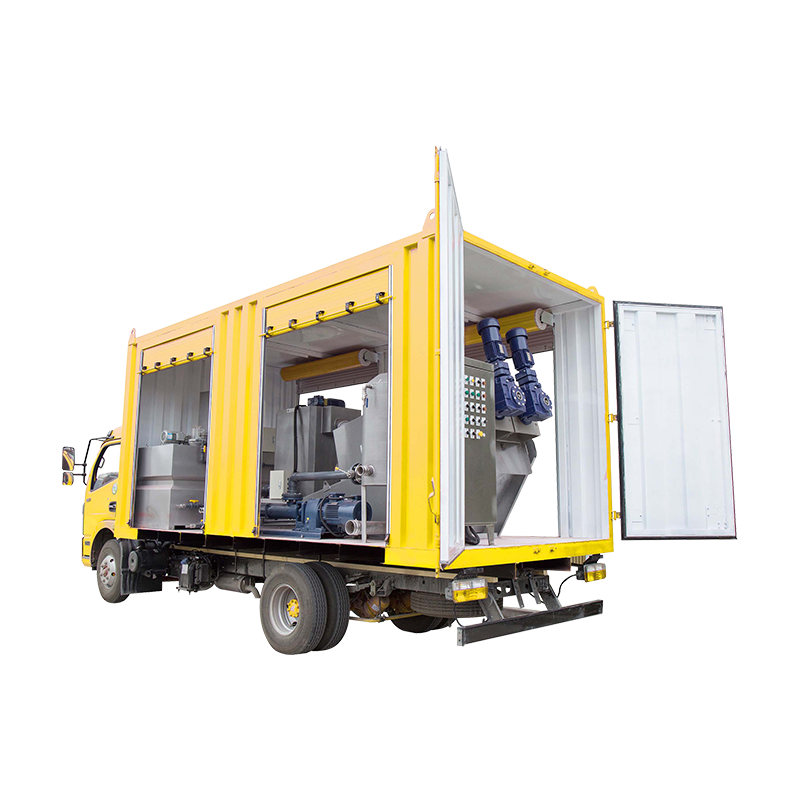
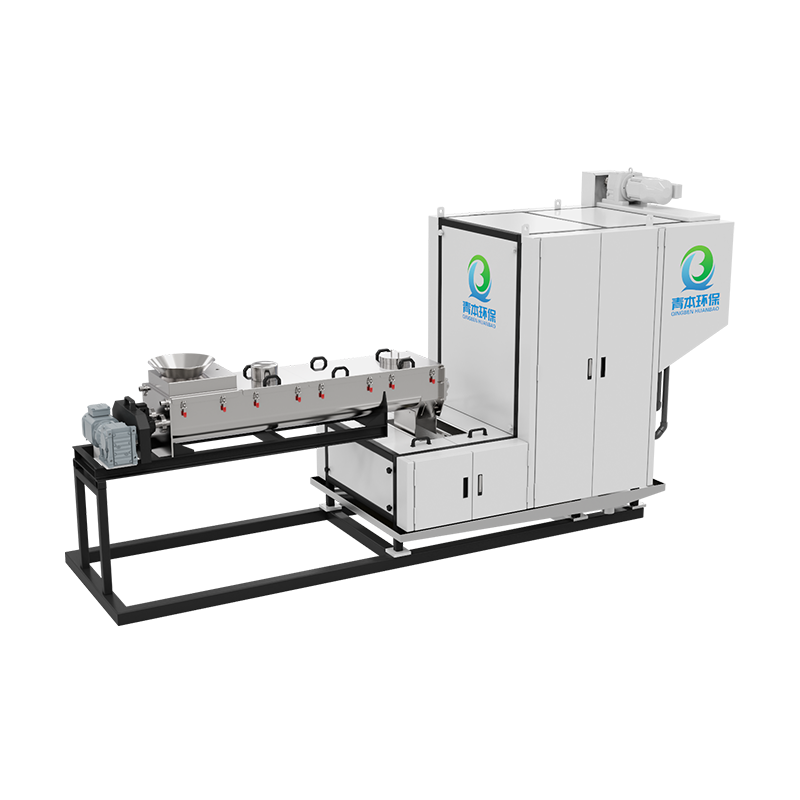
You should use a Mobile Screw Press Sludge Dewatering Truck when on-site sludge reduction, temporary treatment capacity, emergency response, or decentralized wastewater management is required. It is especially suitable for municipalities, industrial plants, and construction sites where fixed dewatering systems are unavailable or economically impractical.
With rapid deployment capability and continuous low-energy operation, this mobile solution can reduce sludge volume by 60–80%, significantly lowering transportation and disposal costs.
Emergency Sludge Management Situations
A Mobile Screw Press Sludge Dewatering Truck is highly effective during unexpected events such as:
- Wastewater plant equipment failure
- Stormwater overflow incidents
- Temporary sludge accumulation exceeding plant capacity
In such cases, rapid deployment within 24–48 hours can prevent environmental violations and avoid costly shutdowns.
Remote or Decentralized Wastewater Facilities
Rural communities, mining operations, and temporary construction sites often lack permanent sludge dewatering systems. Installing a fixed centrifuge or belt press can require:
- High capital investment
- Dedicated building infrastructure
- Extended installation timelines
A mobile screw press system eliminates these constraints by providing plug-and-play sludge dewatering directly on-site.
When Transportation Costs Are Too High
Raw sludge typically contains 95–99% water. Transporting untreated sludge significantly increases hauling expenses. A Mobile Screw Press Sludge Dewatering Truck can reduce moisture content to approximately 75–85%, cutting hauling volume by more than half.
This reduction can translate into substantial annual savings, especially for facilities transporting sludge over long distances.
Comparison with Other Dewatering Technologies
| Technology | Energy Consumption | Mobility | Maintenance Complexity |
|---|---|---|---|
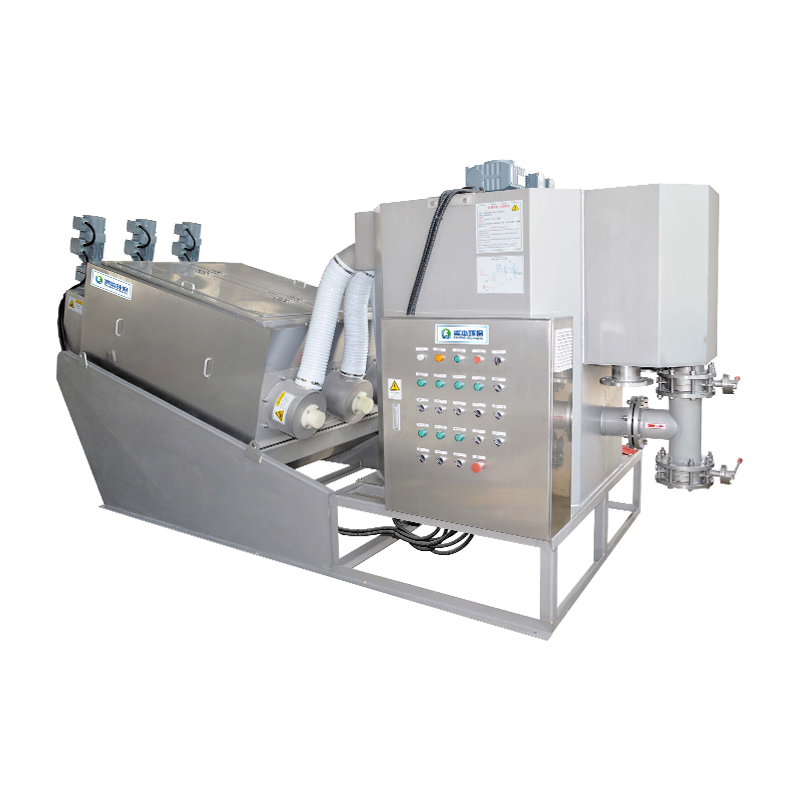
| Screw Press | Low | High | Simple |
| Centrifuge | High | Low | Complex |
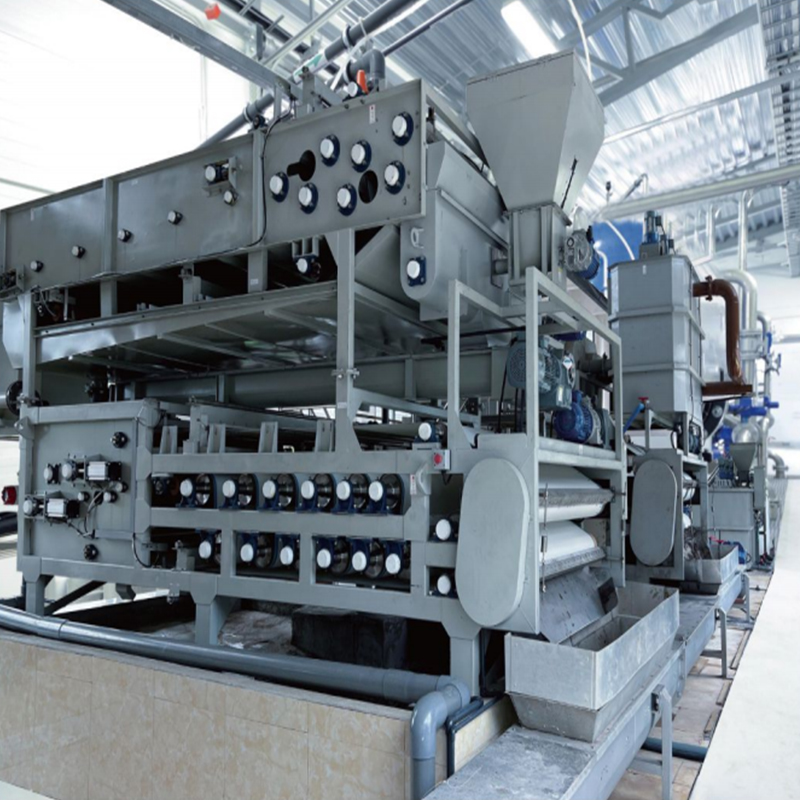
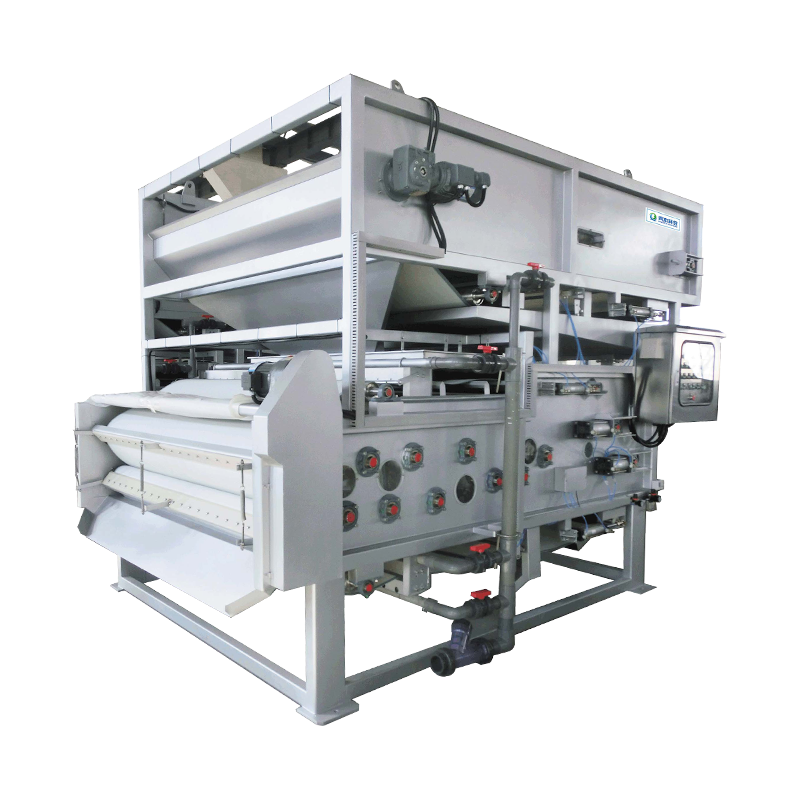
| Belt Press | Medium | Low | Moderate |
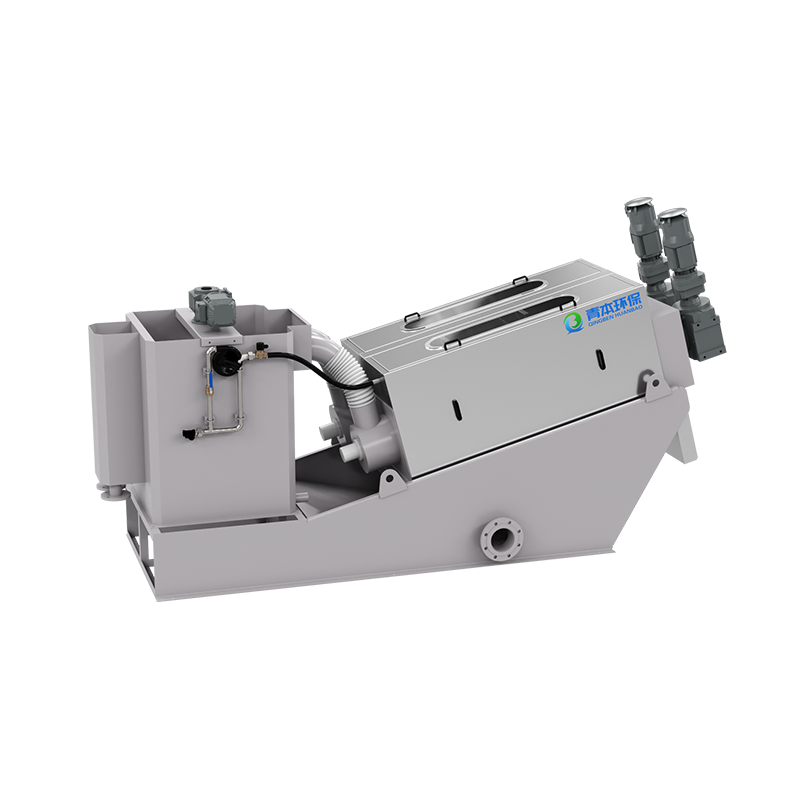
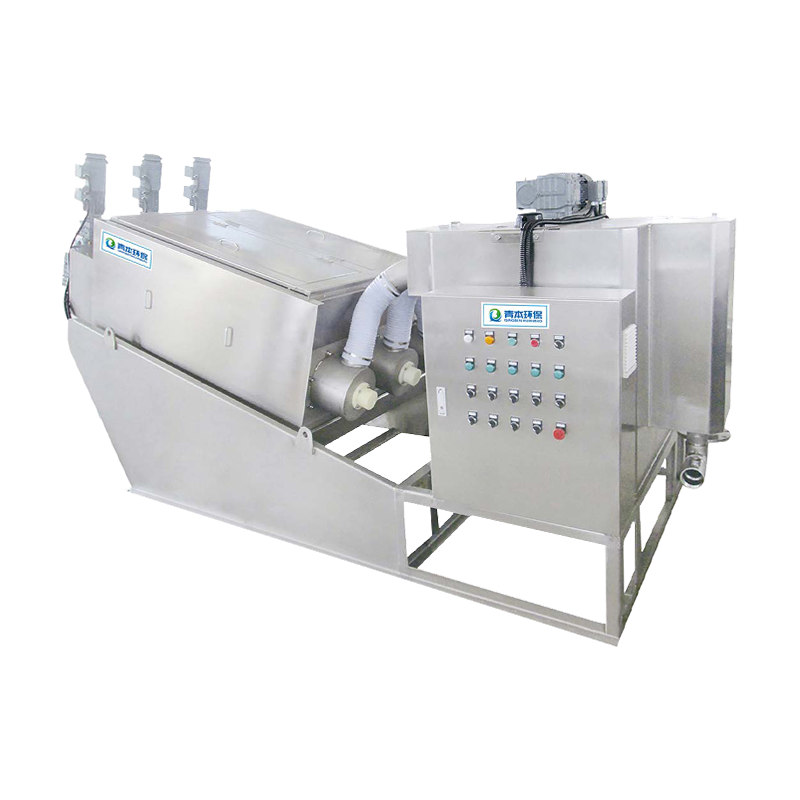
Screw press systems operate at low rotational speeds, reducing wear and lowering electricity usage compared to high-speed centrifuges.
Ideal Sludge Types for Mobile Screw Press Systems
This technology performs best with:
- Municipal biological sludge
- Food processing wastewater sludge
- Industrial organic sludge
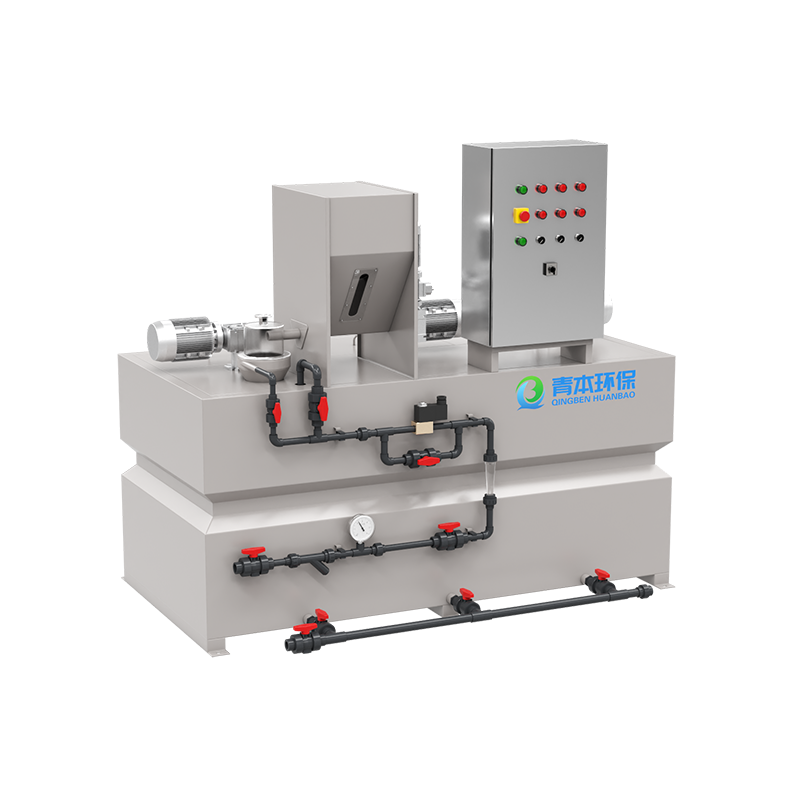
Proper polymer dosing enhances dewatering efficiency and improves cake dryness.
Frequently Asked Questions (FAQ)
How quickly can a Mobile Screw Press Sludge Dewatering Truck be deployed?
Most units can be operational within 24–48 hours after arrival on site.
What is the typical sludge cake dryness achieved?
Cake dryness typically ranges from 15–25% solids, depending on sludge characteristics.
Is it suitable for long-term use?
Yes, it can serve as either a temporary or semi-permanent solution for facilities lacking fixed systems.
Does it require high energy consumption?
No. Screw press systems operate at low speed, resulting in relatively low energy usage.
What maintenance is required?
Routine cleaning and inspection of screw and filter rings are typically sufficient.
Can it handle varying sludge concentrations?
Yes, screw press systems can adapt to fluctuations in sludge concentration with proper polymer adjustment.