

Content
- 1 The Direct Answer: Screw Press Dewatering Cuts Sludge Treatment Costs by Reducing Volume, Energy, and Labor
- 2 How a Screw Press Sludge Dewatering Machine Works
- 3 Cost Saving #1 — Dramatic Reduction in Sludge Disposal Volume and Fees
- 4 Cost Saving #2 — Low Energy Consumption Compared to Alternative Technologies
- 5 Cost Saving #3 — Reduced Labor Through Fully Automated, Unattended Operation
- 6 Cost Saving #4 — Lower Chemical Conditioning Requirements
- 7 Cost Saving #5 — Low Maintenance Costs and Long Service Life
- 8 Industries That Benefit Most From Screw Press Sludge Dewatering
- 9 Frequently Asked Questions About Screw Press Sludge Dewatering Machines
- 9.1 What types of sludge are not suitable for screw press dewatering?
- 9.2 How much does a screw press sludge dewatering machine cost, and what is the typical payback period?
- 9.3 How does a screw press compare to a centrifuge for industrial sludge dewatering?
- 9.4 Can a screw press operate continuously without an operator present?
- 9.5 What moisture content can a screw press realistically achieve, and what factors affect it?
- 9.6 How often do the screw and ring screen components need replacement?
The Direct Answer: Screw Press Dewatering Cuts Sludge Treatment Costs by Reducing Volume, Energy, and Labor
A screw press sludge dewatering machine reduces industrial sludge treatment costs primarily by shrinking sludge volume by 70–85%, which directly lowers transportation, disposal, and landfill fees — typically the largest cost driver in sludge management. Beyond volume reduction, screw press machines consume significantly less energy than belt filter presses or centrifuges, operate continuously with minimal operator intervention, and require lower chemical conditioning doses. For industries generating sludge daily — including food processing, municipal wastewater, paper mills, and chemical plants — deploying a screw press dewatering machine can reduce total sludge handling costs by 30–60% compared to traditional dewatering methods.
How a Screw Press Sludge Dewatering Machine Works
Understanding the operating principle explains why screw press machines deliver cost advantages that other dewatering technologies cannot match.
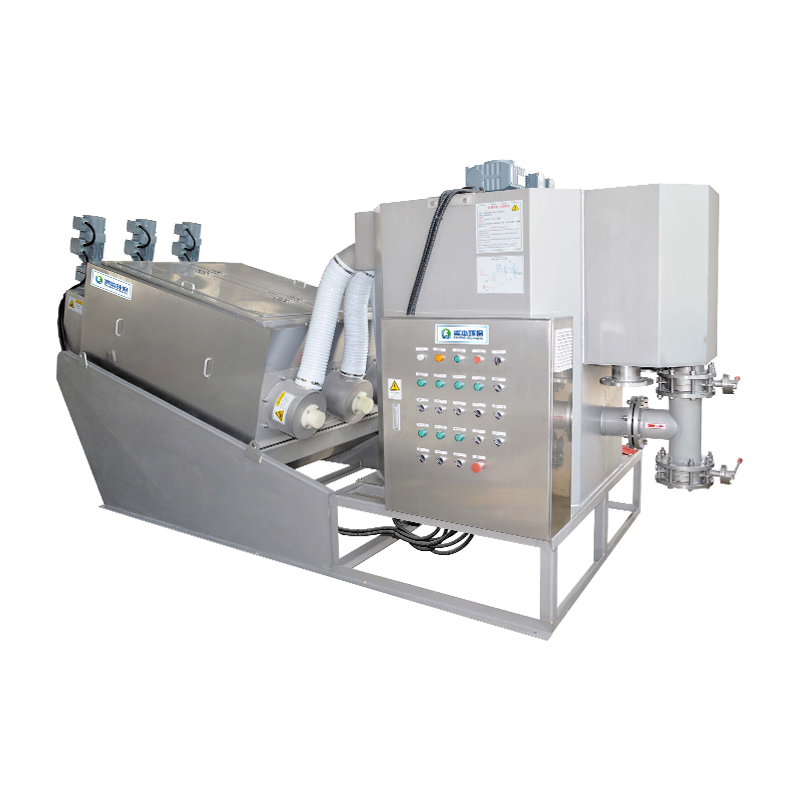
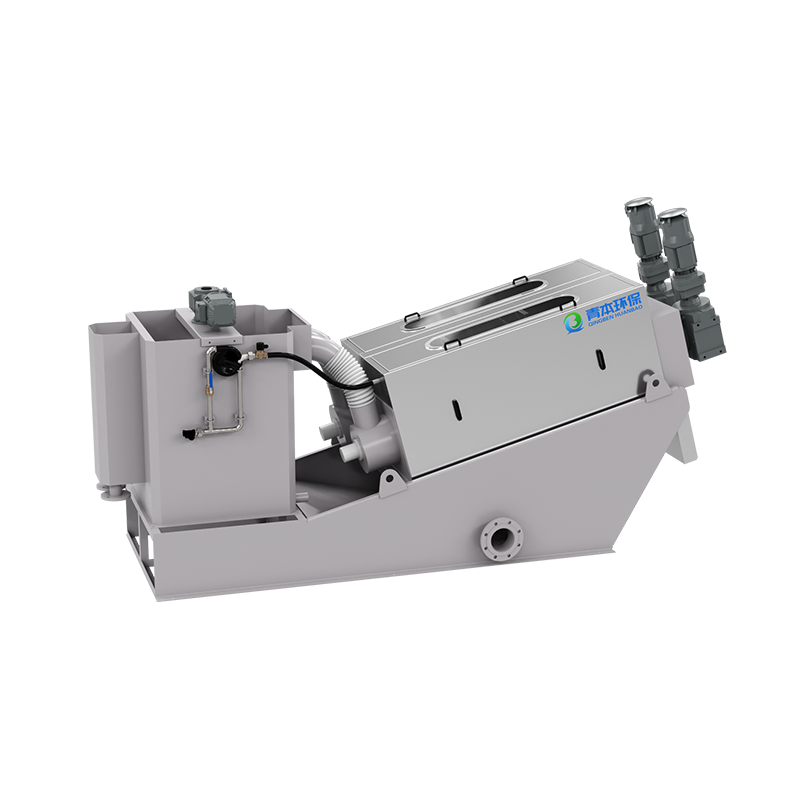
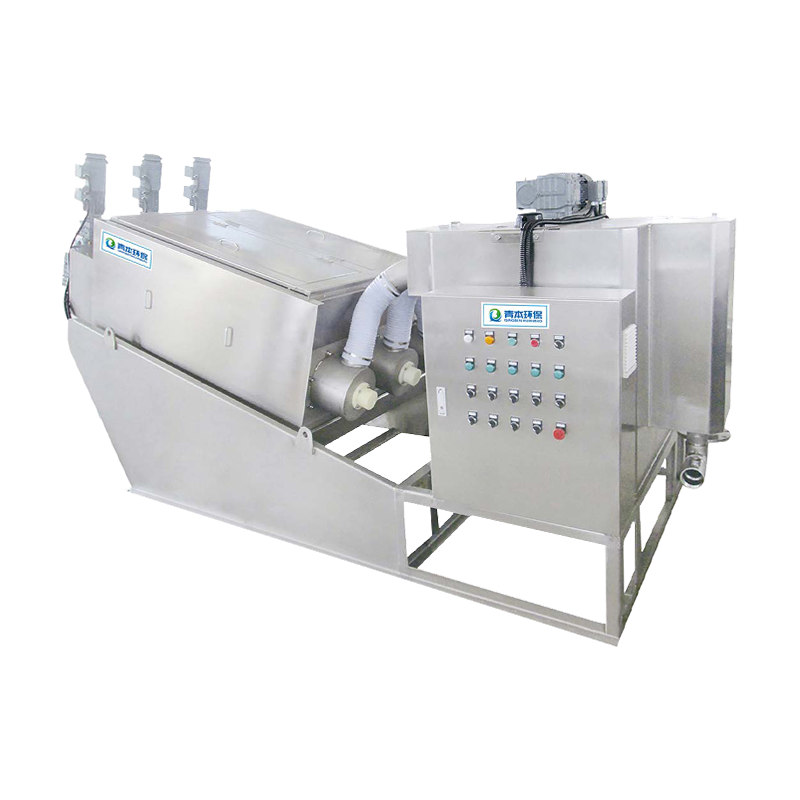
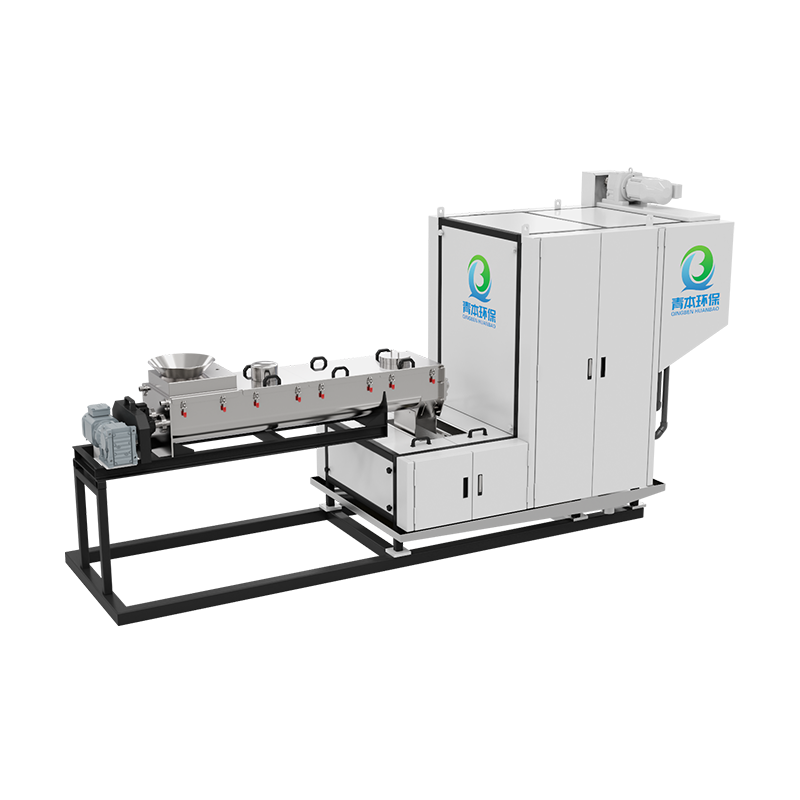
The machine consists of a slowly rotating screw shaft enclosed within a cylindrical screen formed by alternating fixed and moving stainless steel rings. Conditioned sludge is fed into the inlet end. As the screw rotates — typically at 2–5 RPM — it advances the sludge toward the outlet while the gap between the rings gradually narrows, increasing internal pressure. Filtrate (water) drains continuously through the gaps in the ring screen, while the dewatered sludge cake is discharged at the outlet end.
- The self-cleaning design of the moving rings prevents clogging — eliminating the need for constant manual intervention or wash-down cycles
- The low-speed operation generates minimal heat and vibration, reducing mechanical wear and extending component life
- The system can process sludge with solid concentrations as low as 0.2% and produce cake with moisture content of 75–85% depending on sludge type
Cost Saving #1 — Dramatic Reduction in Sludge Disposal Volume and Fees
Sludge disposal costs are calculated by weight and volume. Raw liquid sludge from a wastewater treatment system may contain 95–99% water. Industries paying to transport and landfill this sludge are essentially paying to dispose of water.
A screw press dewatering machine reduces sludge moisture content to approximately 75–82%, cutting the mass of material requiring disposal by as much as 80%. Consider a practical example:
- A food processing plant generating 10 tonnes/day of liquid sludge at 97% moisture has approximately 300 kg of dry solids per day
- After screw press dewatering to 80% moisture, the same 300 kg of dry solids is contained in just 1,500 kg of sludge cake — an 85% volume reduction
- If disposal costs $80 per tonne, daily savings jump from $800 to just $120 — a saving of $680 per day, or over $245,000 annually
Fewer disposal trips also mean reduced fuel costs, lower vehicle wear, and reduced carbon emissions — additional financial and regulatory benefits.
Cost Saving #2 — Low Energy Consumption Compared to Alternative Technologies
Energy cost is a major operating expense for any sludge dewatering system running continuously. The screw press has one of the lowest specific energy consumption profiles of any mechanical dewatering technology.
| Dewatering Technology | Typical Power Consumption | Wash Water Required | Typical Cake Moisture |
|---|---|---|---|
| Screw Press | 0.01–0.05 kWh/kg DS | Minimal to none | 75–85% |
| Centrifuge Decanter | 0.1–0.4 kWh/kg DS | Moderate | 72–82% |
| Belt Filter Press | 0.02–0.1 kWh/kg DS | High (continuous belt washing) | 78–85% |
| Filter Press (plate) | 0.05–0.2 kWh/kg DS | Required for plate washing | 65–78% |
The screw press motor typically draws only 0.75–3 kW per unit — a fraction of the 7.5–30 kW required by centrifuge systems of comparable throughput. For a facility running dewatering operations 16 hours per day, 300 days per year, this difference can represent savings of $5,000–$20,000 annually in electricity costs alone.
Cost Saving #3 — Reduced Labor Through Fully Automated, Unattended Operation
Many traditional sludge dewatering systems require dedicated operators for monitoring, belt washing, press plate opening, and cleaning cycles. The screw press is designed for continuous, fully automated operation with minimal human intervention.
- The self-cleaning ring mechanism eliminates the need for manual or automated wash cycles that consume operator time and water
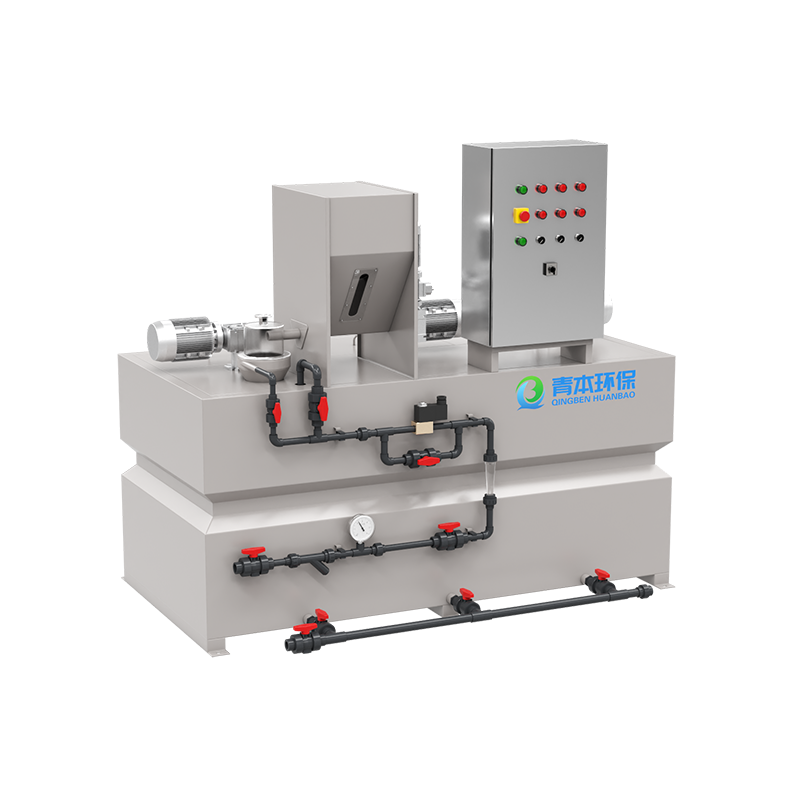
- Modern screw press units integrate with PLC control systems that automatically adjust screw speed, back pressure, and polymer dosing in response to incoming sludge variation
- A single operator can manage multiple screw press units simultaneously, whereas belt presses typically require one dedicated operator per unit
- Alarm systems and remote monitoring capabilities allow facilities to operate dewatering equipment during night shifts without dedicated staffing
For a facility replacing a two-operator belt press operation with a single-operator screw press system, labor cost savings can exceed $50,000–$80,000 per year depending on local wage rates and shift patterns.
Cost Saving #4 — Lower Chemical Conditioning Requirements
All mechanical sludge dewatering systems require chemical conditioning — typically polymer flocculants — to aggregate fine sludge particles before dewatering. The dose required varies significantly by technology and affects operating costs directly.
Screw press machines operate effectively at polymer doses of 2–5 kg of active polymer per tonne of dry solids — generally lower than the 4–8 kg/tonne DS required by centrifuge systems for equivalent cake dryness. This is because the gentle, low-shear pressing action of the screw preserves floc structure, whereas high-speed centrifuges can break flocs apart and require higher polymer doses to compensate.
With polymer costs ranging from $2–$6 per kg of active polymer, a reduction of even 2 kg/tonne DS at a facility processing 500 kg of dry solids per day translates to savings of $730–$2,190 per year on polymer alone — more significant at larger scales.
Cost Saving #5 — Low Maintenance Costs and Long Service Life
The mechanical simplicity of the screw press design translates directly into lower maintenance expenditure over the machine's service life.
Key Maintenance Advantages
- The screw shaft and ring screen are typically manufactured from 304 or 316 stainless steel, providing corrosion resistance and service lives exceeding 10–15 years with standard maintenance
- No high-speed bearings, belts, or hydraulic systems — the primary wear components are the screw flights and ring gaps, which wear slowly due to the low operating speed
- Routine maintenance is limited to periodic inspection of the screw and rings, lubrication of bearings, and checking polymer dosing equipment — typically requiring only 1–2 hours per week
- Compared to centrifuge decanters — which require bowl balancing, bearing replacement every 3–5 years, and specialist maintenance — screw press servicing can be performed by in-house maintenance staff without specialist training
Industries That Benefit Most From Screw Press Sludge Dewatering
While screw press machines are suitable for a broad range of sludge types, certain industries see the greatest financial returns due to high sludge volumes, specific sludge characteristics, or stringent disposal regulations.
- Food and beverage processing: High-volume organic sludge from wastewater treatment — screw press achieves good dryness and the cake is often suitable for agricultural use or anaerobic digestion
- Municipal wastewater treatment: Activated sludge and mixed digested sludge are well-suited to screw press dewatering; widespread adoption in facilities processing 5,000–500,000 population equivalents
- Paper and pulp mills: Fiber-rich sludge dewaters efficiently; dewatered cake can be used as fuel or returned to process
- Chemical and pharmaceutical plants: Enclosed design minimizes odor and aerosol generation — important for hazardous or odorous sludge
- Aquaculture and fish processing: Handles high-moisture organic sludge with minimal odor compared to open dewatering systems
- Tanneries and textile dyeing facilities: Tolerates variable sludge compositions and handles chemically complex wastewater sludges effectively
Frequently Asked Questions About Screw Press Sludge Dewatering Machines
What types of sludge are not suitable for screw press dewatering?
Screw press machines perform best on biological sludge, organic sludge, and mixed municipal sludge. They are less effective on sludge with very high inorganic or grit content, which can cause accelerated abrasive wear on the screw and rings. Sludge with significant fibrous content exceeding 30–40% of total solids can also cause wrapping or bridging issues. Very coarse or abrasive industrial sludge — such as metal hydroxide sludge from electroplating operations — may achieve insufficient cake dryness and may be better handled by filter press technology. Always conduct a bench-scale or pilot test with actual sludge before specifying equipment.
How much does a screw press sludge dewatering machine cost, and what is the typical payback period?
Equipment cost varies by capacity and manufacturer. Small units processing 5–15 kg DS/hour typically cost $15,000–$40,000, while larger industrial units handling 50–200 kg DS/hour range from $60,000–$200,000. Payback periods depend on current disposal costs and sludge volumes, but industries with high disposal fees and continuous sludge generation commonly achieve payback in 12–36 months. A food processing plant paying $80/tonne for liquid sludge disposal and generating 10 tonnes/day can recover the machine cost within a single year in disposal savings alone.
How does a screw press compare to a centrifuge for industrial sludge dewatering?
Centrifuge decanters generally achieve slightly drier cake (72–80% moisture vs. 75–85% for screw press) but at significantly higher capital cost, energy consumption, maintenance complexity, and noise levels. Screw presses are better suited to facilities with variable sludge loading, limited maintenance expertise, noise-sensitive environments, or where energy cost reduction is a priority. Centrifuges are preferred when maximum cake dryness is critical — for example, when sludge cake must meet specific calorific value thresholds for incineration or co-firing.
Can a screw press operate continuously without an operator present?
Yes — this is one of the primary operational advantages of screw press technology. When integrated with a PLC control system and automatic polymer dosing unit, the machine can run 24 hours per day, 7 days per week without continuous operator attendance. The self-cleaning ring mechanism eliminates blockage risk that would otherwise require manual intervention. Most modern units include remote monitoring, alarm outputs, and automatic shutdown on fault conditions, allowing a single operator to supervise multiple units from a central control room or even remotely via mobile interface.
What moisture content can a screw press realistically achieve, and what factors affect it?
Typical cake moisture content from a screw press ranges from 75% to 85%, though values outside this range are possible depending on sludge type, polymer conditioning, and machine settings. Factors that improve (lower) cake moisture include higher polymer dose, longer retention time in the press (lower screw speed), higher back pressure at the discharge, and sludge with good dewatering characteristics (coarser particles, lower specific resistance). Sludge with high colloidal content, fine particle size, or poor flocculation response will produce wetter cake regardless of machine settings. Bench-scale dewaterability testing (capillary suction time or specific resistance to filtration) predicts achievable cake dryness before equipment selection.
How often do the screw and ring screen components need replacement?
With normal operation on biological or organic sludge, the screw flights and ring screen components have service lives of 5–10 years before replacement is required. Abrasive sludge types — such as those containing sand, glass, or metal particles — will accelerate wear and may require ring inspection every 2–3 years. Replacement of the ring screen set is the most significant maintenance cost item, typically ranging from $3,000–$15,000 depending on machine size. Compared to the annual belt replacement costs of belt filter presses or the bearing overhaul costs of centrifuges, this represents a favorable long-term maintenance cost profile.