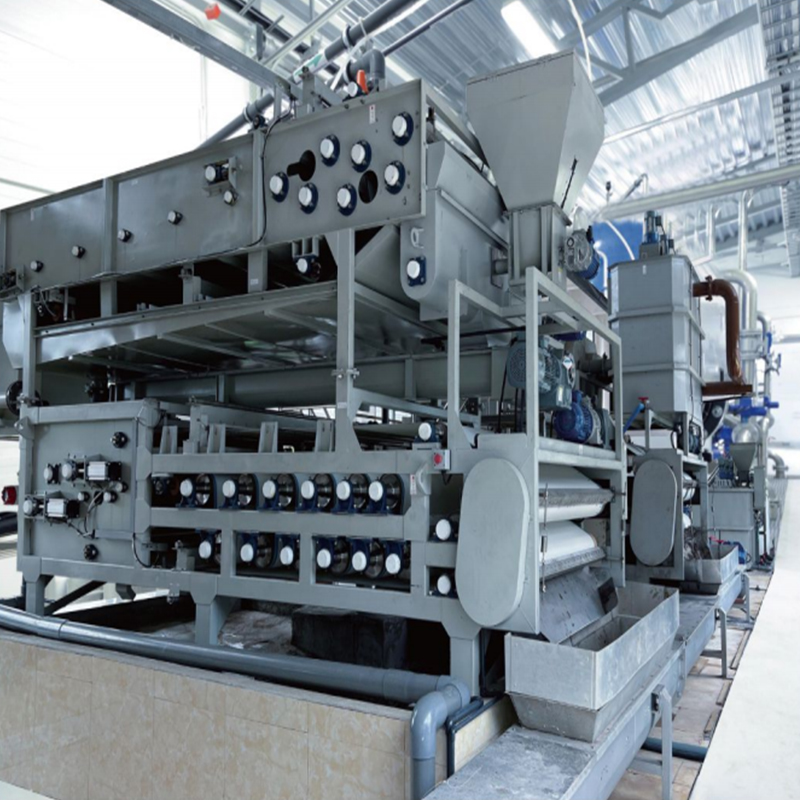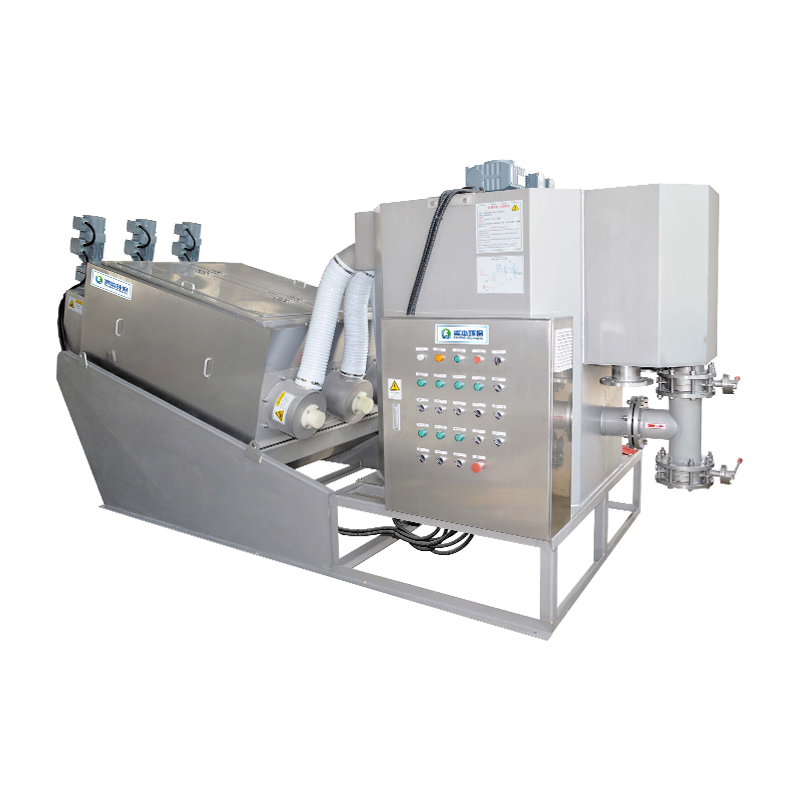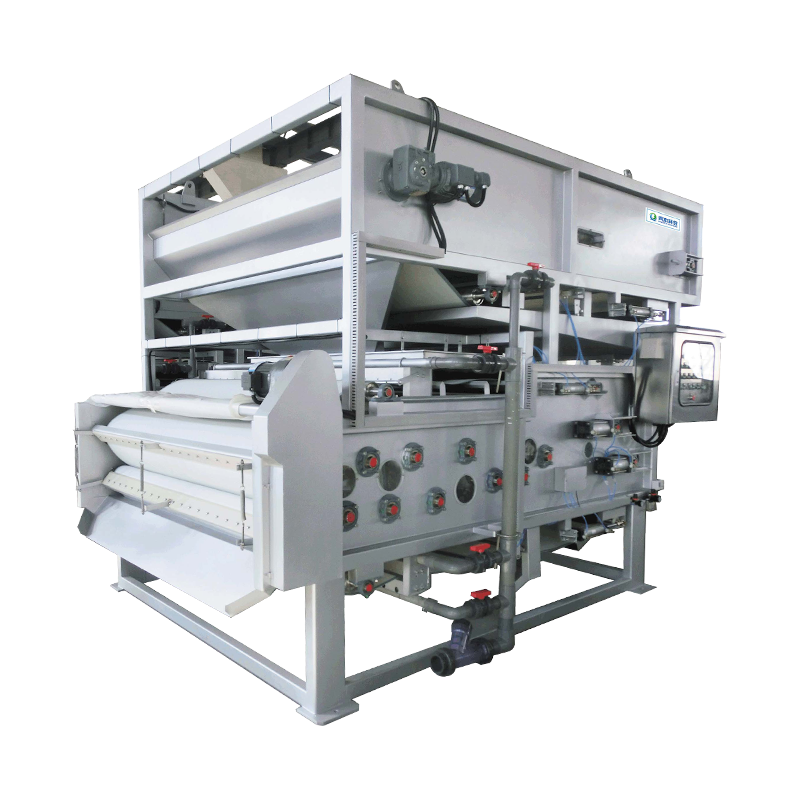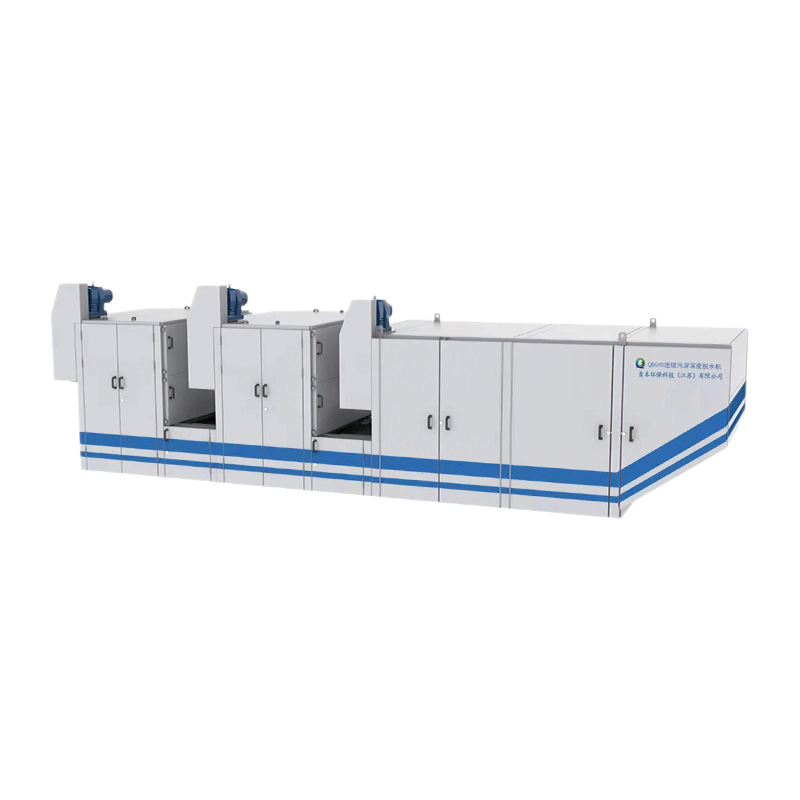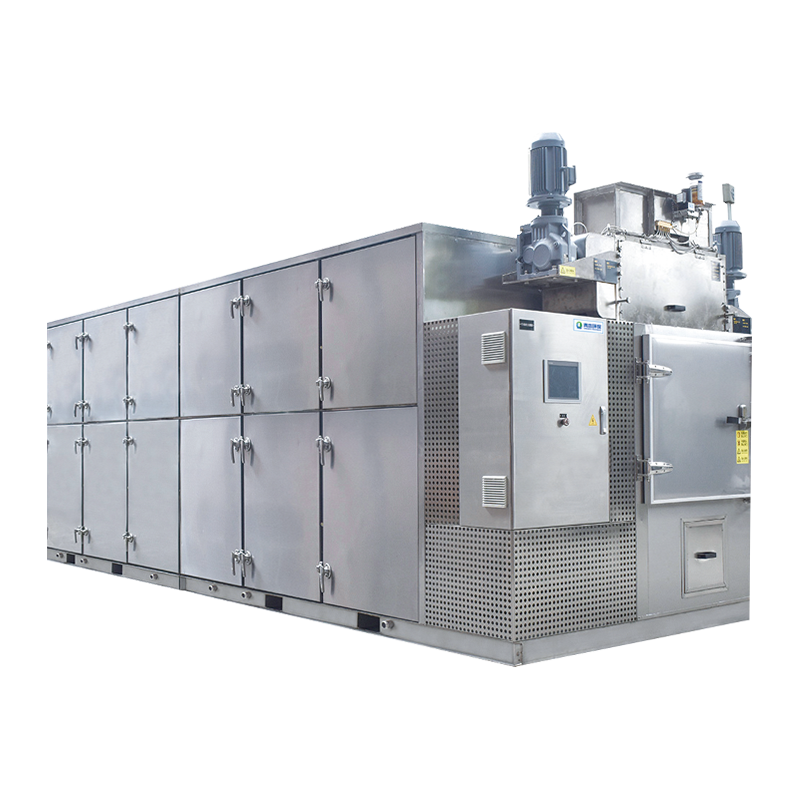


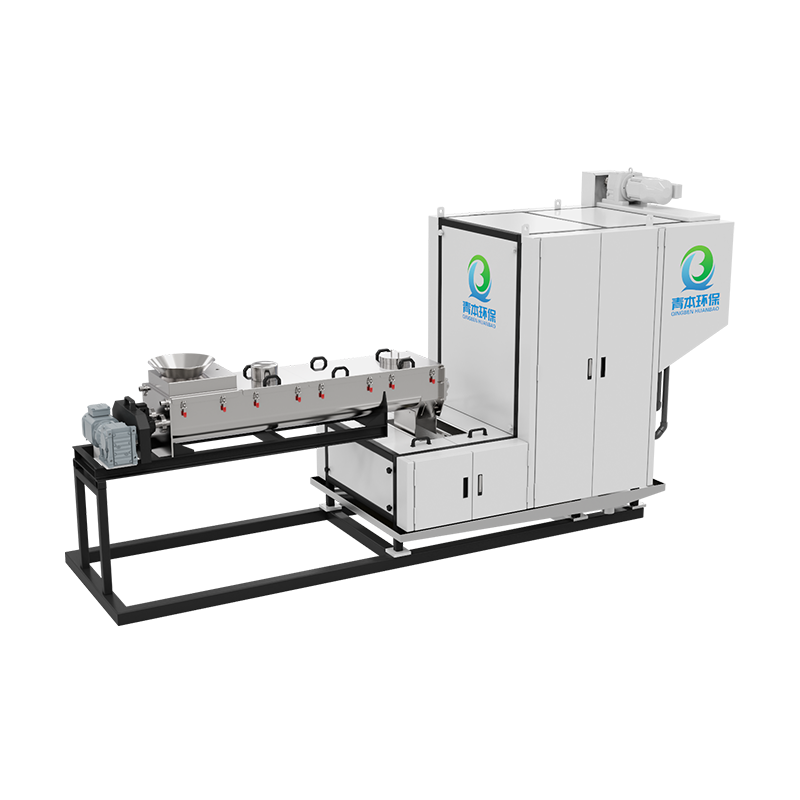
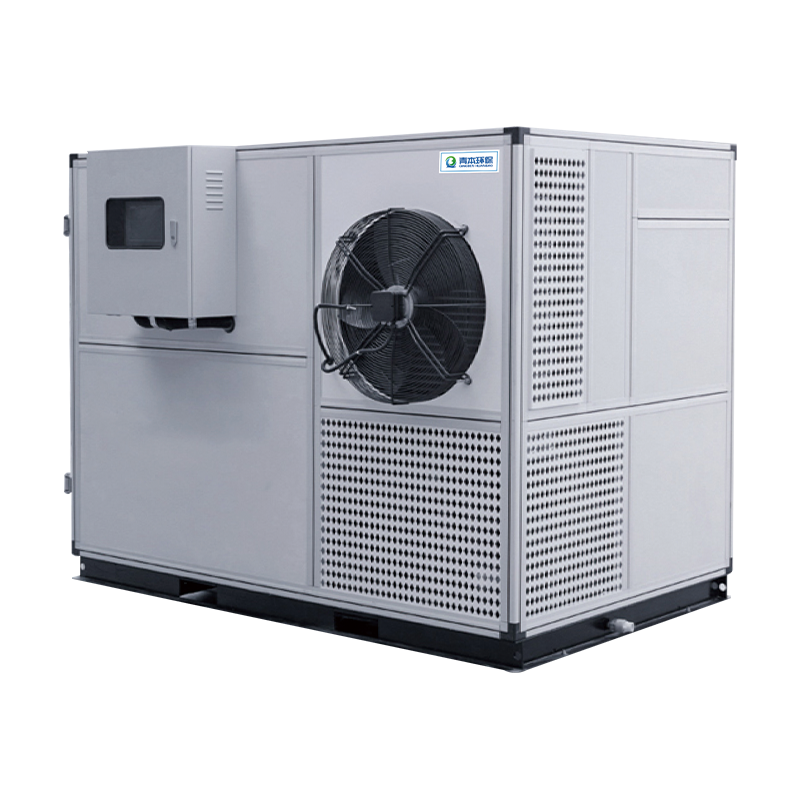
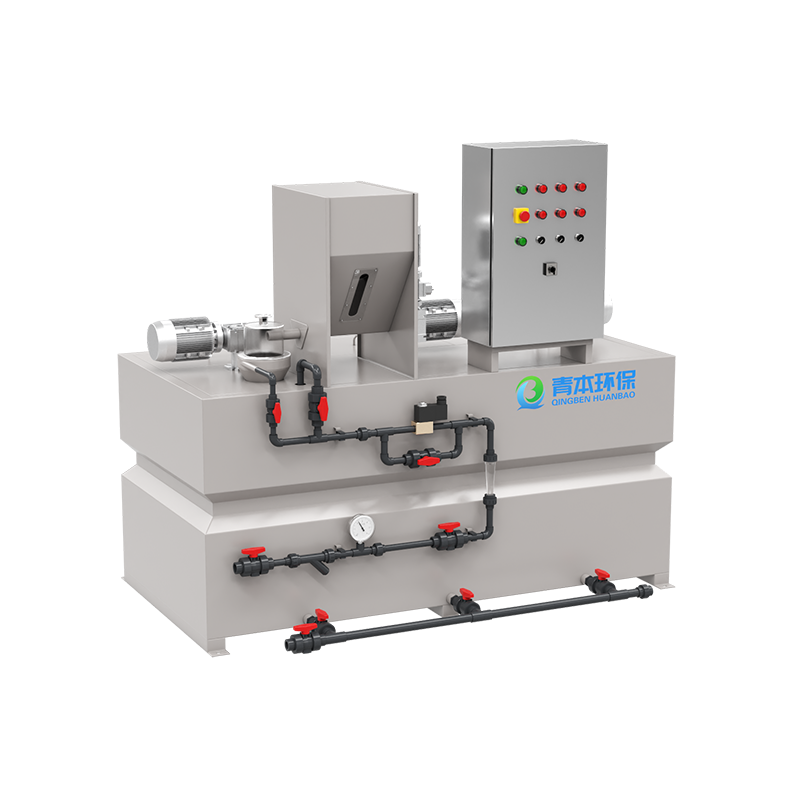
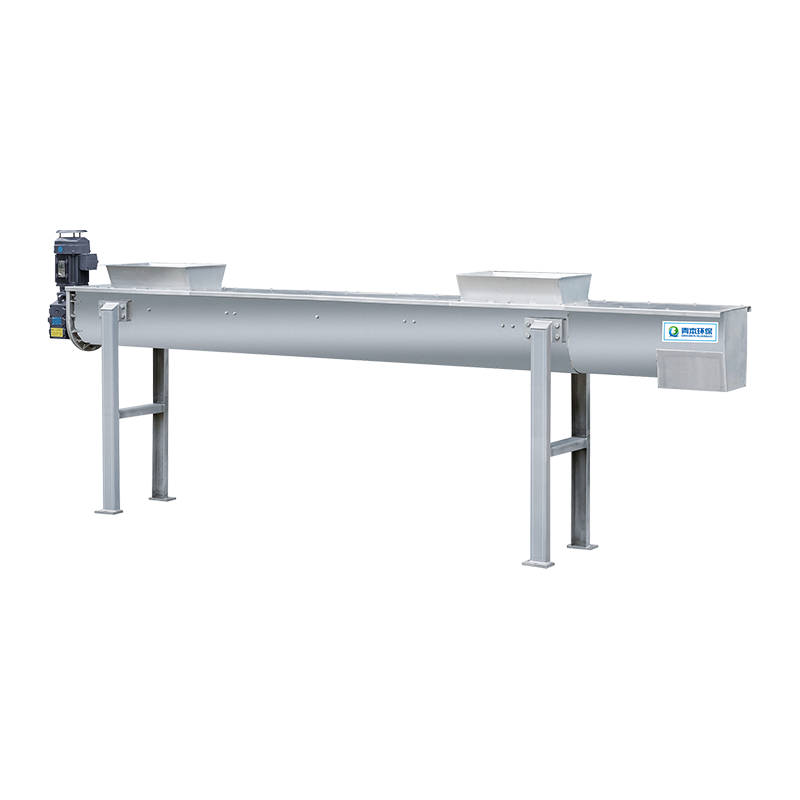
A Sludge Cryogenic Chamber Drying Machine and traditional drying equipment differ fundamentally in operating temperature, energy efficiency, odor control, and final product quality. The core advantage of a Cryogenic Sludge Dryer is that it operates at low temperatures — typically 45°C to 75°C — which eliminates harmful emissions, preserves organic matter, and reduces energy consumption by 30% to 50% compared to high-temperature alternatives. For facilities facing strict environmental regulations or aiming to recover sludge as a resource rather than a waste, the difference is decisive.
Content
- 1 How Each Technology Works: A Side-by-Side Overview
- 2 Energy Efficiency: Where the Difference Is Most Measurable
- 3 Environmental Compliance and Emission Control
- 4 Sludge Output Quality and Resource Recovery Potential
- 5 The Role of the Sludge Dewatering Machine Before Drying
- 6 Interactive: Explore Key Differences by Category
- 7 Installation Footprint, Site Requirements, and Scalability
- 8 Choosing Between Low Temperature Sludge Drying and High-Temperature Systems
- 9 Frequently Asked Questions
How Each Technology Works: A Side-by-Side Overview
Understanding the contrast starts with the underlying drying mechanism. Traditional equipment — including rotary drum dryers, belt dryers, and flash dryers — uses direct or indirect heat at temperatures typically ranging from 150°C to over 500°C to evaporate moisture from sludge. This high heat is effective at removing water quickly but comes with significant drawbacks: high energy demand, volatile organic compound (VOC) emissions, odor nuisance, and the risk of dust explosions.
A Cryogenic Sludge Dryer, by contrast, uses a closed-loop heat pump system. Ambient air or process air is dehumidified by passing it over evaporator coils, removing moisture at low temperatures. The dry, warm air circulates through the drying chamber continuously, drawing moisture from the sludge without ever raising the chamber temperature above safe thresholds. This is the operating principle behind Low Temperature Sludge Drying — efficient moisture removal without thermal degradation.
| Parameter | Cryogenic Chamber Dryer | Traditional High-Temp Dryer |
|---|---|---|
| Operating Temperature | 45°C - 75°C | 150°C - 500°C+ |
| Energy Source | Electricity (heat pump) | Gas, coal, steam, or electricity |
| VOC / Odor Emissions | Very low (closed loop) | High — requires exhaust treatment |
| Dust Explosion Risk | Low | Moderate to High |
| Final Moisture Content | 10% - 30% | 10% - 40% |
| Pathogen Destruction | Partial (supplement needed) | Complete at high temp |
| Organic Matter Preserved | Yes | Partially destroyed |
| Automation Level | High | Moderate |
Energy Efficiency: Where the Difference Is Most Measurable
Energy consumption is one of the clearest points of differentiation. Traditional high-temperature dryers consume 800 to 1,400 kWh per tonne of water evaporated, depending on the technology and fuel type. A Sludge Cryogenic Chamber Drying Machine using a heat pump system typically consumes 280 to 420 kWh per tonne of water evaporated — a reduction of roughly 40% to 65%.
This efficiency gain comes from the heat pump's coefficient of performance (COP). For every 1 kWh of electrical energy input, a well-designed heat pump system delivers 2.5 to 4 kWh of drying energy. Traditional combustion-based dryers cannot achieve this ratio, as they are inherently limited by thermodynamic conversion losses.
Environmental Compliance and Emission Control
For wastewater treatment plants operating near residential areas or subject to strict environmental regulations, emission control is not optional — it is a compliance requirement. High-temperature drying generates significant quantities of VOCs, hydrogen sulfide (H2S), and particulate matter during the thermal breakdown of organic compounds in sludge. Treating these emissions requires additional scrubbers, biofilters, or thermal oxidizers, adding capital and operating cost.
Low Temperature Sludge Drying avoids this problem by keeping temperatures below the threshold at which organic compounds volatilize. In a closed-loop cryogenic system, the exhaust air volume is minimal and the pollutant concentration is far lower — typically H2S below 5 mg/m³ compared to values exceeding 50 mg/m³ for conventional dryers. This eliminates or substantially reduces the need for secondary exhaust treatment infrastructure.
Additionally, because the drying chamber operates as a sealed system, there is no fugitive dust or odor release to the surrounding environment during normal operation — a significant advantage for urban or peri-urban facility locations.
Sludge Output Quality and Resource Recovery Potential
The end product of the drying process — dried sludge cake — has very different characteristics depending on the technology used. This matters because the downstream use of the dried sludge (land application, incineration, co-processing as fuel, or composting) depends on its organic content, calorific value, and physical form.
Output from a Cryogenic Sludge Dryer
Because drying occurs at low temperature, the organic matter in the sludge is not combusted or pyrolyzed. This means the dried output retains a higher calorific value (typically 12 to 16 MJ/kg on a dry basis) and preserves more humic substances — making it suitable for use as a soil amendment or as a supplementary fuel in cement kilns when blended appropriately. The output has a granular or crumbled texture and is relatively easy to handle and transport.
Output from Traditional High-Temperature Dryers
At high temperatures, organic compounds partially combust and nitrogen compounds volatilize. The resulting product may have lower nitrogen content, reduced humic substance concentration, and in some cases a fused or vitrified particle structure that limits agricultural applicability. Where the goal is volume reduction for landfill or incineration, this matters less — but for resource recovery applications, the quality loss is significant.
| Output Property | Cryogenic Dryer | High-Temp Dryer |
|---|---|---|
| Calorific Value (dry basis) | 12 - 16 MJ/kg | 8 - 13 MJ/kg |
| Organic Matter Retention | High | Moderate to Low |
| Nitrogen Content | Well preserved | Partial loss above 200°C |
| Particle Form | Granular / crumbled | Variable (fine powder to pellet) |
| Agricultural Suitability | High (if pathogen-treated) | Lower due to organic loss |
| Co-processing as Fuel | Well suited | Suitable but lower value |
The Role of the Sludge Dewatering Machine Before Drying
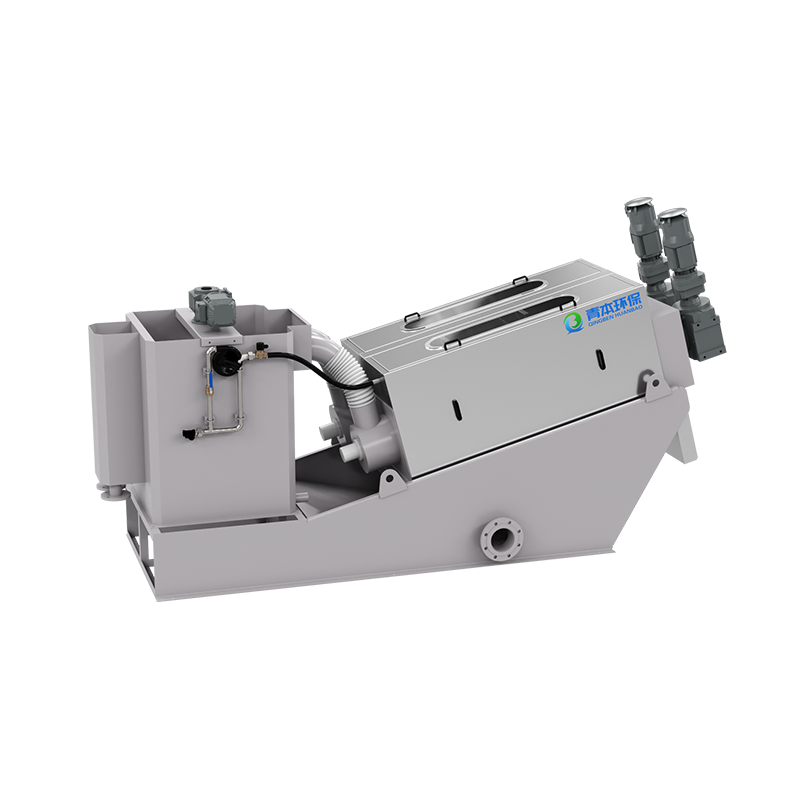
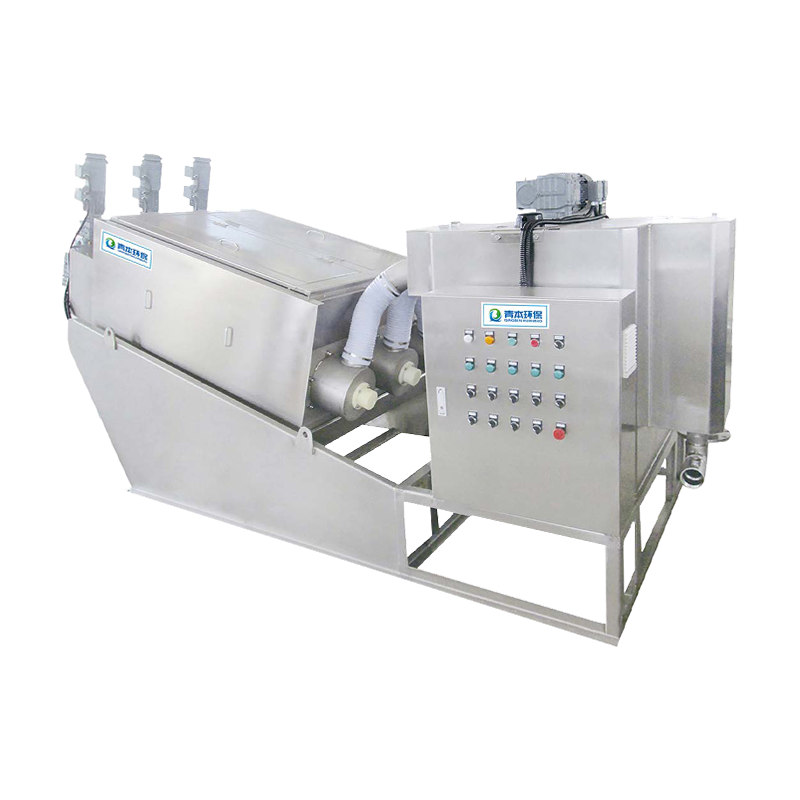
Regardless of which drying technology is selected, the performance of the upstream Sludge Dewatering Machine is critical. Dewatering reduces the moisture content of raw sludge from approximately 95% - 99% (liquid sludge) to 70% - 80% through mechanical means — belt filter presses, centrifuges, or screw presses — before the material enters the dryer.
This pre-treatment step directly affects drying energy consumption. Every percentage point of moisture removed mechanically before drying saves significantly more energy than removing the same water thermally. A well-performing sludge dewatering machine that achieves 75% moisture content (vs. 82%) can reduce downstream dryer energy demand by 20% to 30%, making it one of the most cost-effective optimizations available across any drying technology.
For cryogenic drying systems in particular, incoming sludge at 75% - 80% moisture represents the optimal operating feed condition. Higher moisture inputs are processable but extend drying time and reduce throughput capacity. Many modern Sludge Cryogenic Chamber Drying Machine installations incorporate an integrated dewatering unit as part of the system package to ensure consistent feed quality.
Interactive: Explore Key Differences by Category
Select a category to compare cryogenic and traditional drying equipment across the dimensions that matter most for your application.
Low Fire and Explosion Risk
Operating at 45°C - 75°C keeps sludge well below the spontaneous ignition threshold. Dust explosion risk is minimal because the chamber is not an oxidizing high-temperature environment. Suitable for sludge with variable composition.
Elevated Safety Requirements
Dried sludge dust is combustible. At high temperatures, a fine-particle suspension in a hot air stream creates dust explosion risk. ATEX-rated equipment, inert gas purging, or active suppression systems are often required.
Low Maintenance, High Automation
Heat pump components have long service intervals. PLC-based control manages airflow, temperature, and humidity automatically. Fewer moving parts than rotary or belt systems. Suitable for continuous unattended operation.
Higher Maintenance Frequency
Burners, heat exchangers, conveyor belts, and scrubber systems require regular inspection and replacement. High-temperature components experience accelerated wear. Skilled maintenance personnel and spare parts inventory are typically required on-site.
Minimal Secondary Pollution
Closed-loop air circulation prevents odor and VOC release. Condensate water from the dehumidification process is collected and returned to the treatment plant. No combustion exhaust gases. Meets stringent urban environmental standards without additional treatment.
Requires Exhaust Treatment
Thermal drying generates H2S, NH3, VOCs, and particulate matter. Regulatory compliance requires exhaust gas treatment — typically biofilters, chemical scrubbers, or thermal oxidizers — which add capital cost and operational complexity.
Resource Recovery Ready
Preserved organic content and calorific value make cryogenically dried sludge suitable for agricultural amendment (with pathogen verification), cement kiln co-processing, or biomass energy recovery. The product has a stable, manageable form for logistics.
Primarily Volume Reduction
High-temperature drying is optimized for volume reduction ahead of incineration or landfill. The organic quality of the output is lower, limiting agricultural or energy recovery value. Well suited to scenarios where final disposal is the objective.
Installation Footprint, Site Requirements, and Scalability
Traditional rotary drum dryers and flash dryers require significant infrastructure: large combustion chambers, flue gas ducting, exhaust treatment systems, and in many cases, dedicated fuel storage. The total site footprint can be 3 to 5 times larger than an equivalent-capacity cryogenic installation.
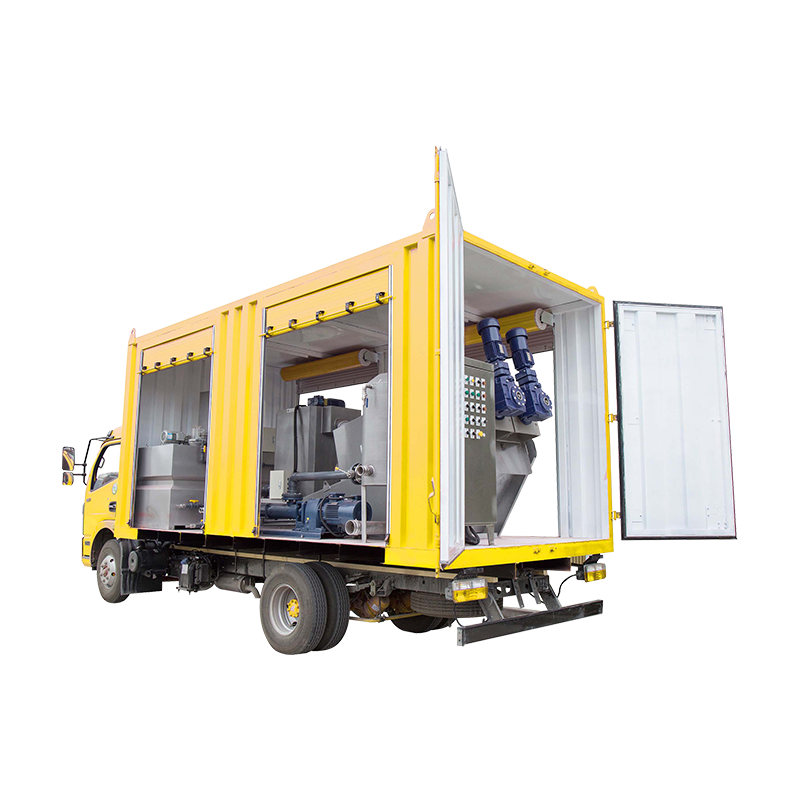
A Sludge Cryogenic Chamber Drying Machine is typically modular and containerized. Standard units processing 500 to 5,000 kg/hour of wet sludge can be installed in a compact indoor space without combustion infrastructure, high-voltage fuel supply systems, or extensive exhaust stacks. This makes cryogenic systems particularly practical for:
- Urban wastewater treatment plants with limited land availability
- Industrial facilities retrofitting an existing sludge management process
- Sites where planning restrictions prohibit tall exhaust stacks or combustion equipment
- Projects requiring phased capacity expansion — additional modules can be added incrementally
The electrical supply requirement for a cryogenic system is straightforward. A unit processing 1,000 kg/h of wet sludge typically requires 80 to 120 kW of installed electrical capacity — manageable within the existing power infrastructure of most treatment plants.
Choosing Between Low Temperature Sludge Drying and High-Temperature Systems
The decision between Low Temperature Sludge Drying and conventional high-temperature drying is not purely technical — it depends on regulatory requirements, final product goals, site constraints, and the existing sludge treatment chain.
Cryogenic drying is the preferred choice when:
- The installation site is in or near a residential area and odor or emissions are a community concern
- The target for dried sludge is agricultural reuse, biomass energy, or cement kiln co-processing
- Operational simplicity and low staffing requirements are a priority
- The facility wants to minimize carbon footprint and energy use
Traditional high-temperature drying remains appropriate when:
- Complete pathogen elimination is required without additional disinfection steps
- Very large throughput volumes justify the infrastructure investment
- The final product route is direct incineration and calorific value preservation is not a priority
- Low-cost waste fuel (biogas, coal) is available on-site to reduce operating cost