

Sludge dewatering is a crucial step in the wastewater treatment process. With increasing environmental requirements and wastewater treatment volumes, sludge dewatering machines (also known as sludge dewatering equipment) have gradually become one of the important pieces of equipment in wastewater treatment plants and industrial sectors. Different types of sludge have different properties and compositions; therefore, choosing the appropriate sludge dewatering machine to address these differences is crucial for improving dewatering efficiency, reducing operating costs, and ensuring the effectiveness of subsequent treatment. So, how do sludge dewatering machines handle different types of sludge?
1. Types and Characteristics of Sludge
Sludge can usually be classified into several types based on its source, composition, and characteristics. Common types include:
Municipal Sewage Sludge
This is sludge generated from wastewater from households and commercial activities. Municipal sludge has a high water content, contains a certain amount of organic matter and microorganisms, and is usually relatively easy to dewater. However, due to its high organic matter content, special attention is needed during the dewatering process to prevent bacterial growth.
Industrial Sludge
The composition of industrial sludge varies depending on the industry. Sludge from chemical industries, paper industries, food processing, and mining industries usually contains more harmful chemicals or solid particles, making the dewatering process more complex.
Excess Activated Sludge from Wastewater Treatment Plants
This is the excess sludge produced during the biological degradation process in municipal or industrial wastewater treatment. It usually contains a large number of bacteria and microorganisms, has strong coagulation properties, and requires special treatment during dewatering.
Agricultural Sludge
Sludge from agricultural activities contains a large amount of organic matter and some plant fibers. Although it has a high water content, the dewatering process is relatively easy because the decomposition of organic matter helps reduce moisture.
2. Classification of Sludge Dewatering Machines
Based on their working principles and structure, sludge dewatering machines can be mainly divided into the following types:
Centrifugal Dewatering Machine
Centrifugal dewatering machines use high-speed rotation to generate centrifugal force, separating water from the sludge. This equipment is suitable for various types of sludge, especially effective for treating municipal sludge and excess activated sludge with a high content of bacteria and microorganisms. Due to the powerful centrifugal force, it can effectively remove most of the water, achieving high dewatering efficiency. Applicable Sludge: Municipal sewage sludge, surplus activated sludge
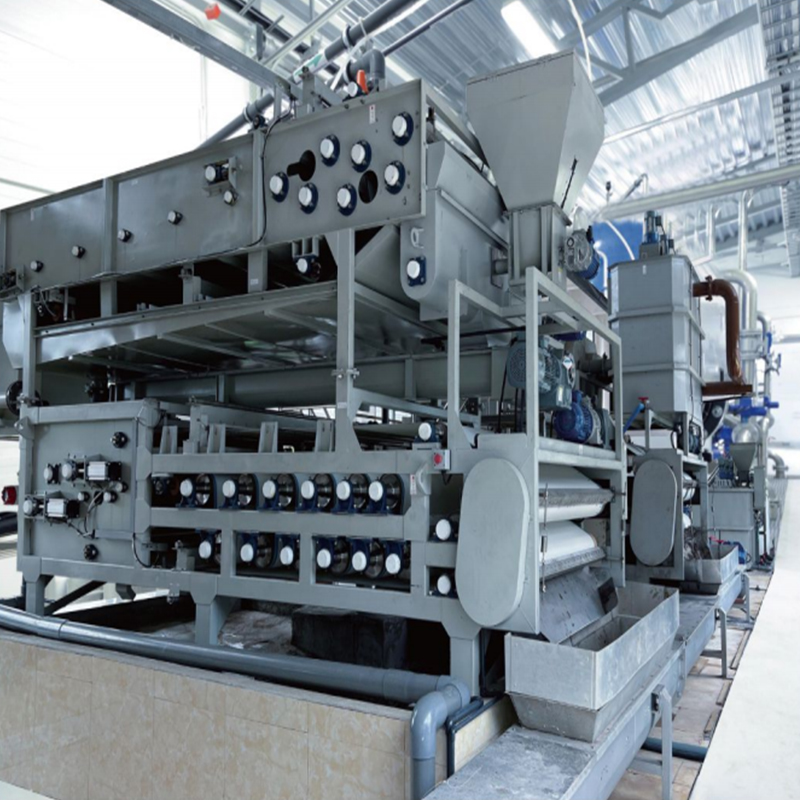
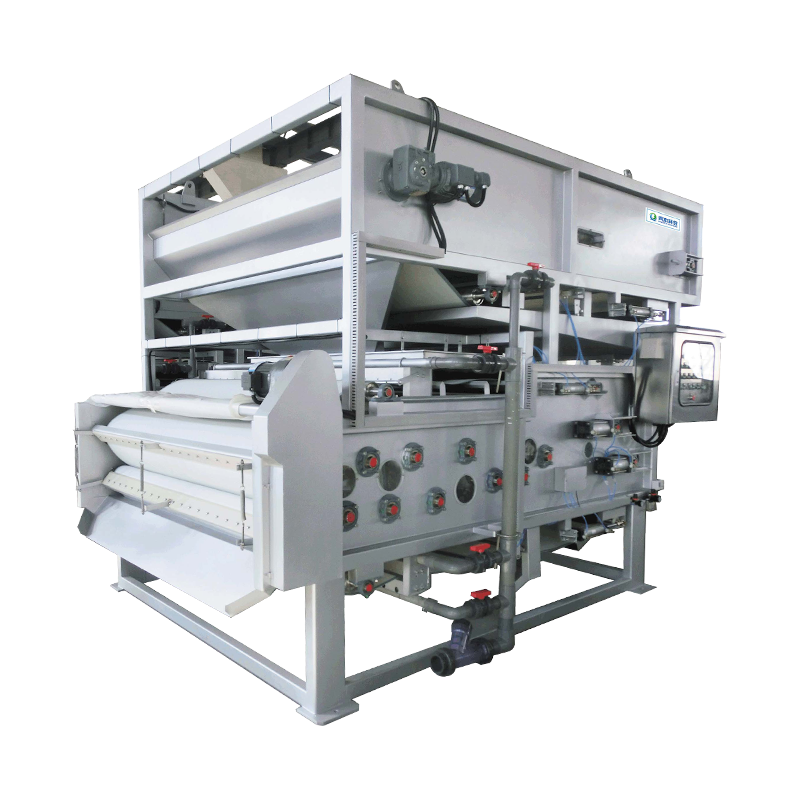
Belt Filter Press
The belt filter press separates water from sludge using filter belts and pressure. It is suitable for treating sludge containing a large amount of solid particles and larger particles, offering high continuity and stability, and can handle different types of sludge, especially effective for fibrous or particulate-rich sludge.
Applicable Sludge: Industrial sludge, agricultural sludge, chemical sludge
Plate and Frame Filter Press
The plate and frame filter press further squeezes out water by filling the sludge between filter cloths and filter plates, then applying high pressure. Although it has high dewatering efficiency, the equipment maintenance cost is high, making it suitable for small-scale applications or processing special types of sludge.
Applicable Sludge: Heavy metal sludge, chemical sludge
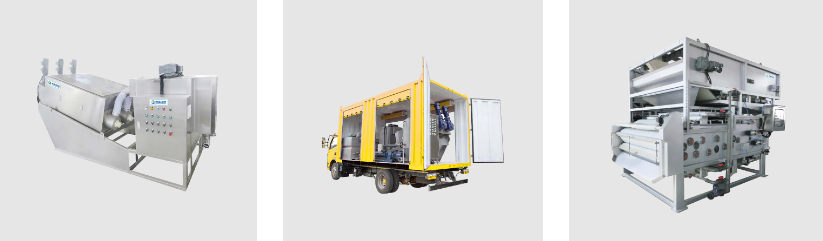
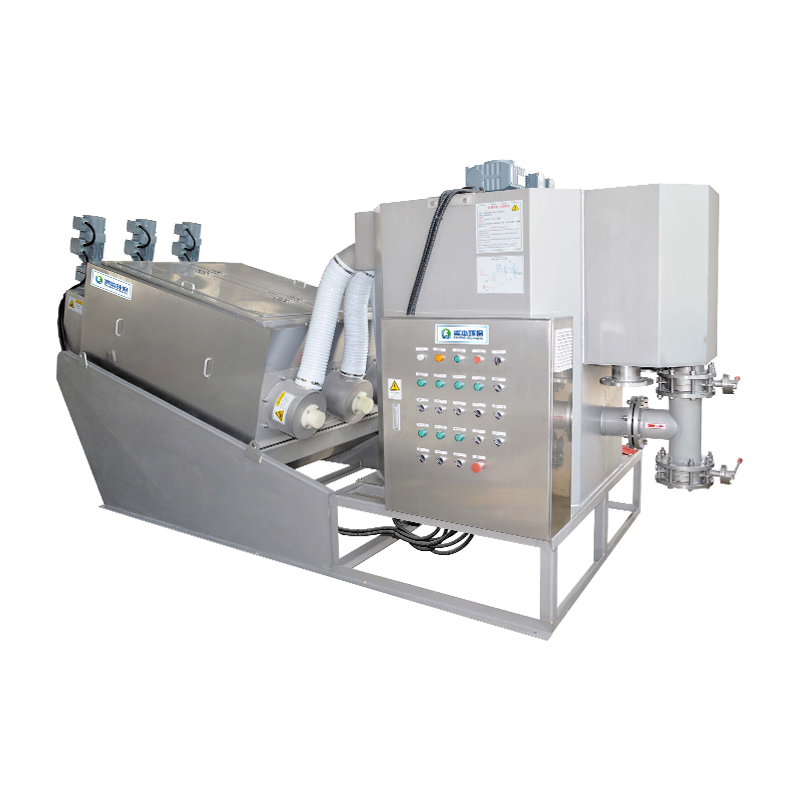
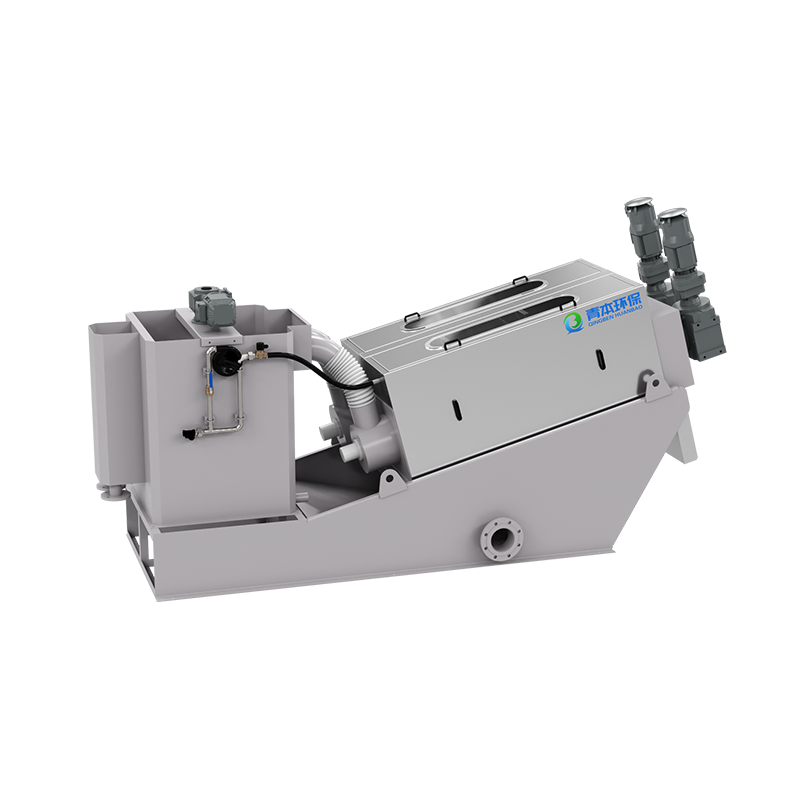
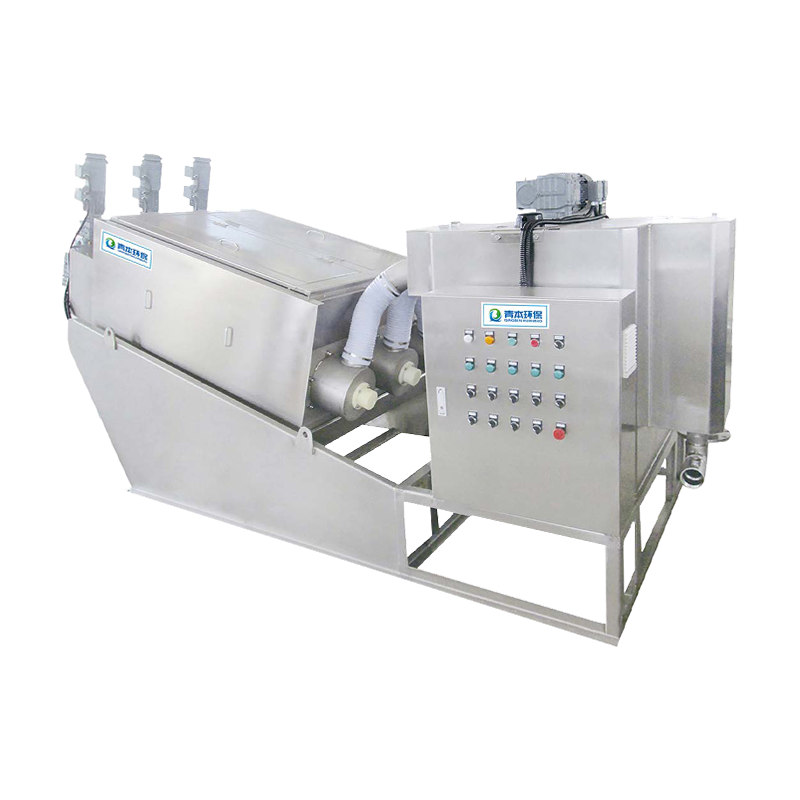
Screw Press
The screw press dewaters sludge using a screw shaft through continuous mechanical pressure. Its advantages include a small footprint, large processing capacity, and simple operation. It is suitable for sludge types containing a large amount of fibrous material or with high viscosity.
Applicable Sludge: Food processing sludge, pulp sludge, agricultural sludge
3. Dewatering Effects of Different Types of Sludge
Municipal Sewage Sludge
Due to the high organic matter content and high water content of municipal sewage sludge, centrifugal dewatering machines and belt filter presses usually achieve better dewatering results. The use of appropriate chemical flocculants or polymers can effectively improve dewatering efficiency, reducing the sludge moisture content to below 80%.
Industrial Sludge
Industrial sludge usually contains a large number of chemical components and solid particles, requiring the selection of an appropriate dewatering method based on its characteristics. For example, chemical sludge and sludge containing heavy metals require the use of a plate and frame filter press or a belt filter press, while sludge from the food industry is usually more suitable for a screw press. The dewatering effect is affected by the chemical composition, particle size, and fiber content of the sludge, so the equipment and operating conditions need to be selected and adjusted according to the specific situation.
Surplus Activated Sludge
Surplus activated sludge contains a large number of bacteria and microorganisms, which tend to aggregate and have strong coagulation properties, so it usually requires the assistance of chemical flocculants for dewatering. Centrifugal dewatering machines and belt filter presses are ideal choices for treating this type of sludge. By adjusting the type and dosage of flocculants, the water content can be effectively reduced.
Agricultural Sludge
Agricultural sludge contains a large amount of organic matter and plant fibers, making dewatering relatively easy. Screw presses and belt filter presses are ideal choices, enabling efficient dewatering in a short time. Especially for large-scale agricultural sludge treatment, these devices can reduce equipment footprint and energy consumption while ensuring effective dewatering.
4. Optimization Strategies for Sludge Dewatering Machines
To address the characteristics of different types of sludge and improve the dewatering effect of sludge dewatering machines, the following optimization strategies can be considered:
Selecting appropriate chemical additives: Choosing suitable flocculants or polymers based on the sludge composition can effectively improve dewatering efficiency and reduce sludge moisture content.
Regular cleaning and maintenance of equipment: Regularly cleaning the sludge dewatering machine maintains efficient operation and extends the equipment's service life.
Optimizing operating parameters: By adjusting the operating parameters of the filter press, centrifuge, or screw press, such as rotation speed, pressure, and time, the best dewatering effect can be achieved according to the sludge characteristics.
Combining multiple devices: For some special types of sludge, using a combined treatment method (such as a combination of centrifuge and belt filter press) can improve the dewatering effect.