Qingben Environmental Technology (Jiangsu) Co., Ltd. is a China-based Sludge And Sewage Treatment Equipment Supplier with a manufacturing base in Yangzhou, Jiangsu Province. We design and build mechanical dewatering systems, low-temperature drying lines, chemical dosing and conveying equipment, plus the screens, scrapers and separators used ahead of biological treatment. The same range supports municipal wastewater plants, industrial wastewater treatment, oil and gas, food and beverage, mining, agriculture and livestock, marine and construction projects.
Our role is to deliver equipment selected, configured and supported as part of a working sludge or sewage treatment line. That means matching machine size to dry solids load, integrating controls with existing pumps and conveyors, and providing installation, commissioning and operator training through the project cycle.
Sludge And Sewage Treatment Equipment Range
We organise the product line into four groups so a project can be sourced as one package rather than as individual machines. The table below shows where each group fits.
| Range |
Representative Products |
Typical Fit |
| Sludge Dewatering Equipment |
Screw Press Sludge Dewatering Machine, Preconcentration Conch Screw Press, Belt Filter Press, High Pressure Belt Continuous Sludge Deep Dewatering Equipment |
Municipal and industrial sludge from about 5000 mg/L to 50000 mg/L, plus deep dewatering of already thickened cake |
| Sludge Drying Equipment |
Low Temperature Belt Type Sludge Drying Machine, Sludge Drying Machine for Low Temperature Waste Heat, Sludge Cryogenic Chamber Drying Machine |
Reducing dewatered sludge from around 83% moisture to 10%-30% for incineration, composting or material recovery |
| Supporting Equipment for Sludge Treatment |
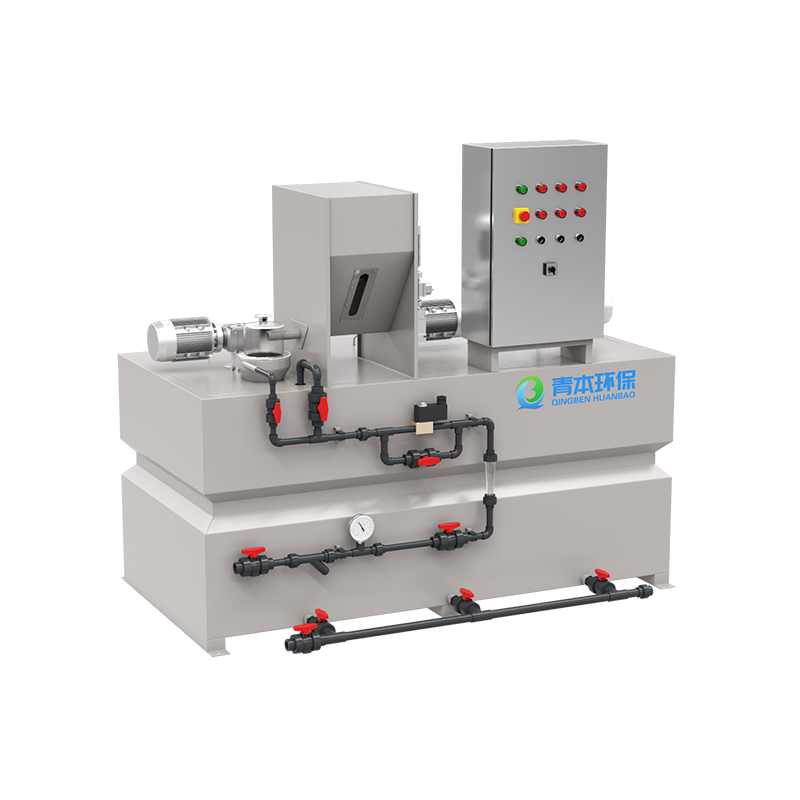
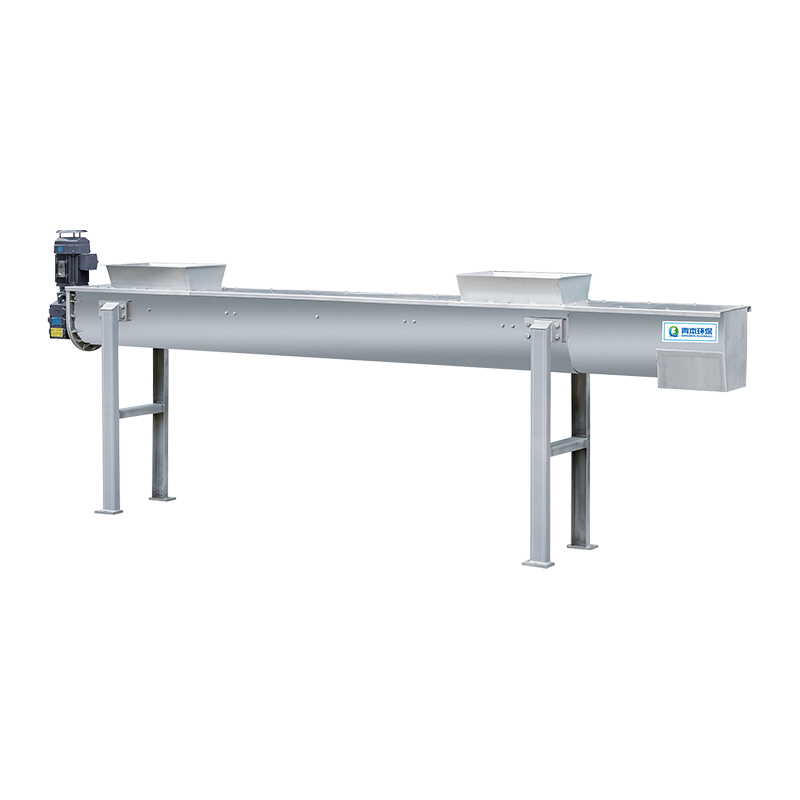
Integrated Dosing Device, Manual Dosing Device, Screw Conveyor, Sludge Hopper |
Polymer preparation, cake transfer and storage around the dewatering and drying line |
| Equipment For Sewage Treatment |
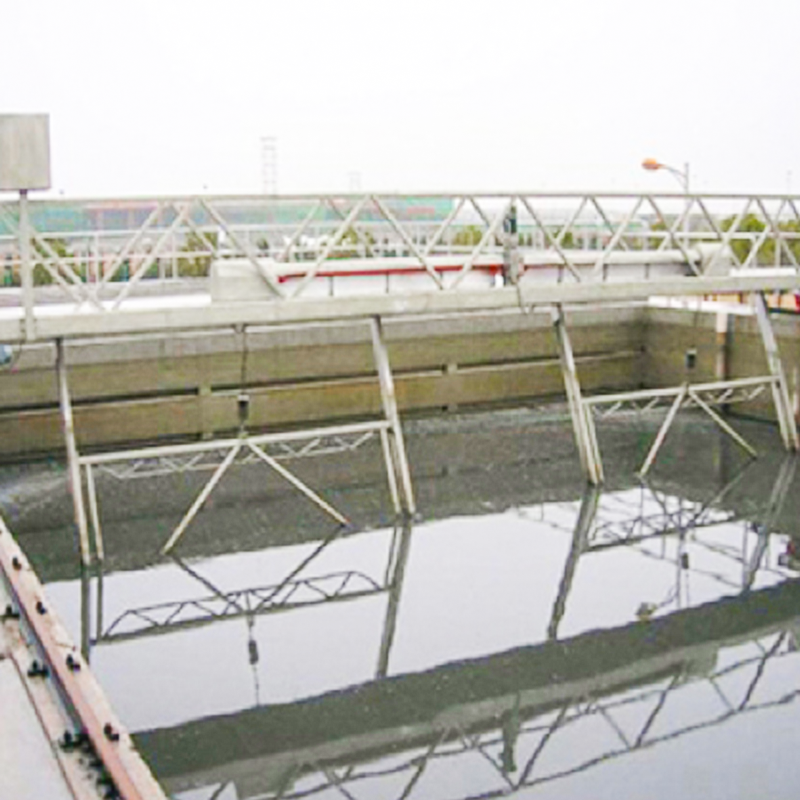
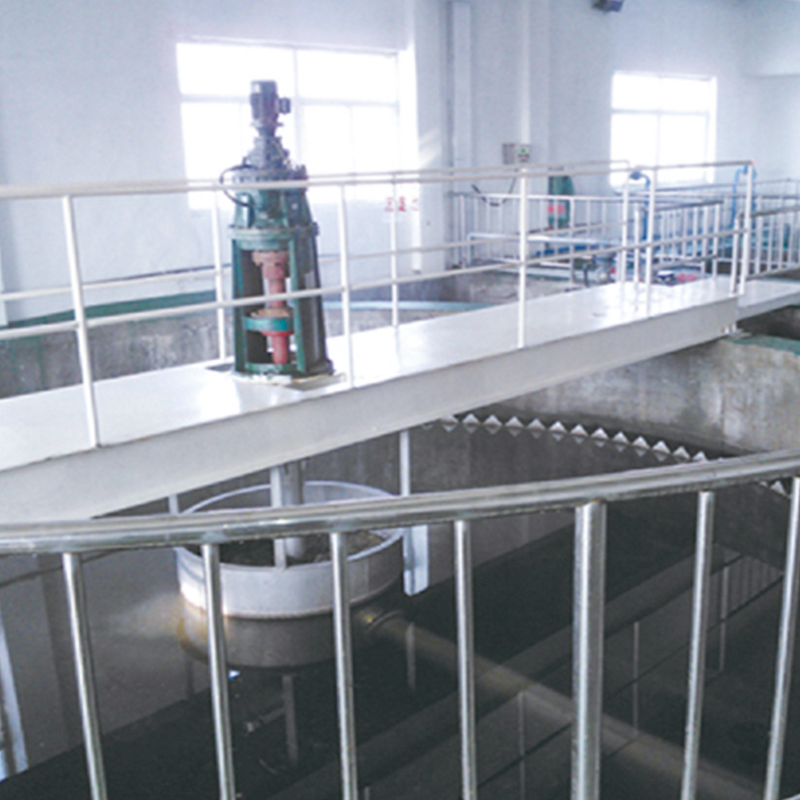
Mechanical Screen, Sludge Scraper & Suction Machine, Screw Press, Sand-water Separator, Horizontal Air Flotation Machine |
Preliminary and primary treatment ahead of biological processes |
Mechanical Dewatering: Screw Press, Belt and Deep Dewatering
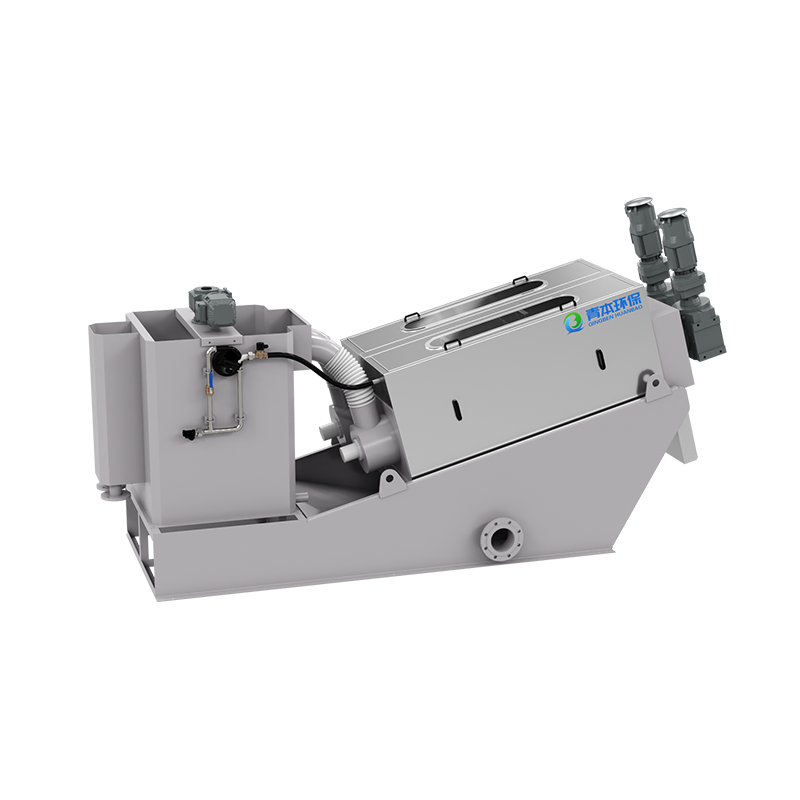
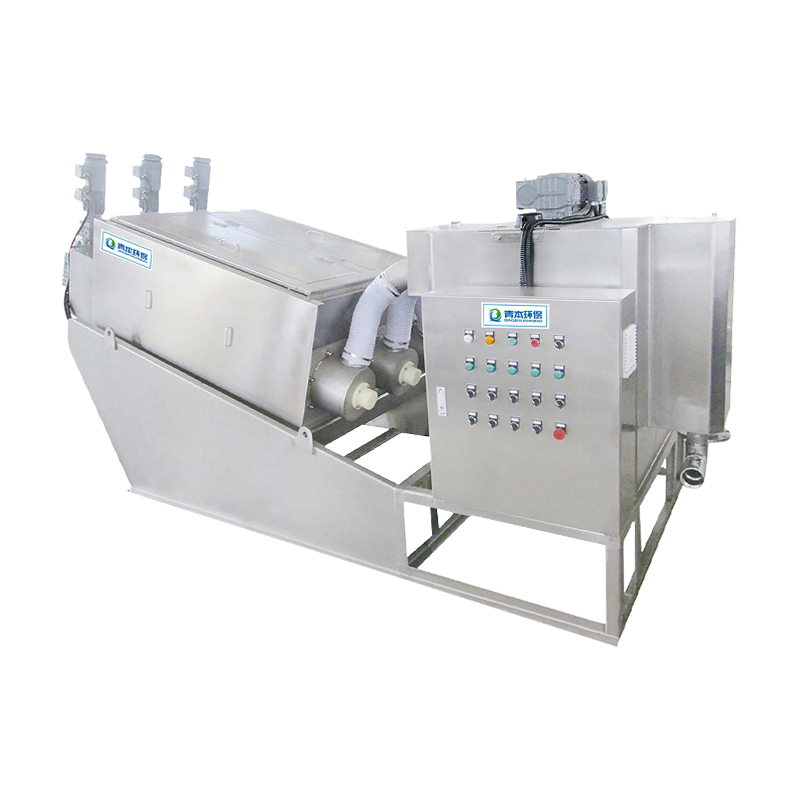
Our dewatering range starts with screw press technology. The Sludge Dewatering Machine Supplier line includes the screw press sludge dewatering machine, which handles feed concentrations from 5000 mg/L to 50000 mg/L without a separate concentration tank. That reduces footprint, energy use and the need for mixers and air compressors. The equipment is self-cleaning, avoids the clogging commonly seen in traditional dewatering machines and can run fully automatically.
- Screw press and preconcentration conch screw press configurations are used when space is tight or when sludge arrives dilute and needs integrated thickening.
- The belt filter press is selected for larger inlet flows where gravity belt filtration and continuous operation match the sludge type.
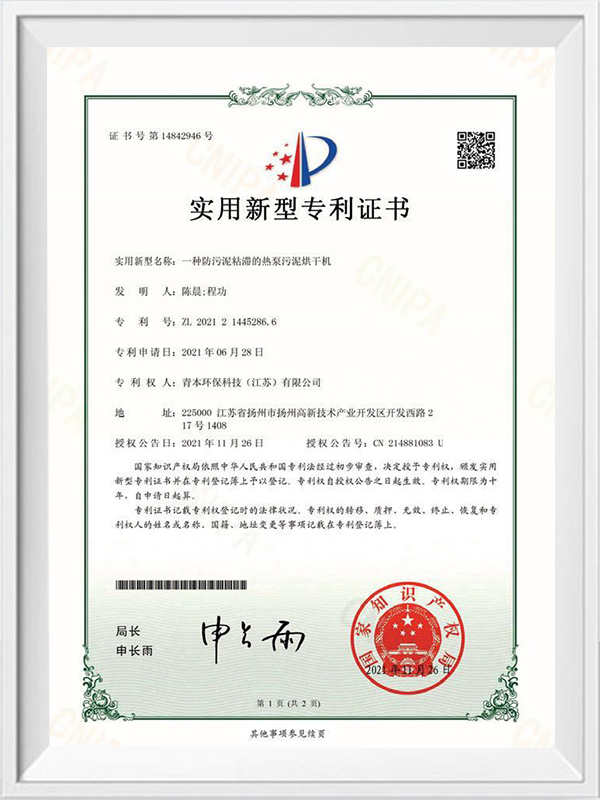
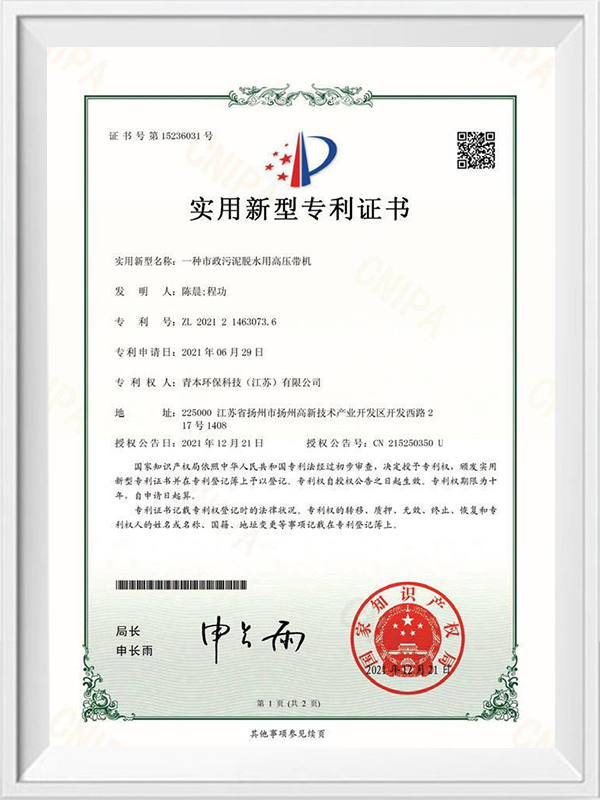
- High pressure belt continuous sludge deep dewatering equipment applies high-pressure, high-shear two-dimensional pressing to move sludge from about 80% moisture to 60% or below.
- The mobile screw press sludge dewatering truck is configured for septic tanks, slaughterhouses, livestock farms and on-site solid-liquid separation without tank transport.
For livestock manure dewatering, the same screw press line is often supplied with a dosing unit and conveyor to produce a stackable cake for composting or further drying. Screw press variants are frequently specified as a stacked screw press when the project requires a compact, self-cleaning machine in an existing building.
Low-Temperature Drying and Volume Reduction
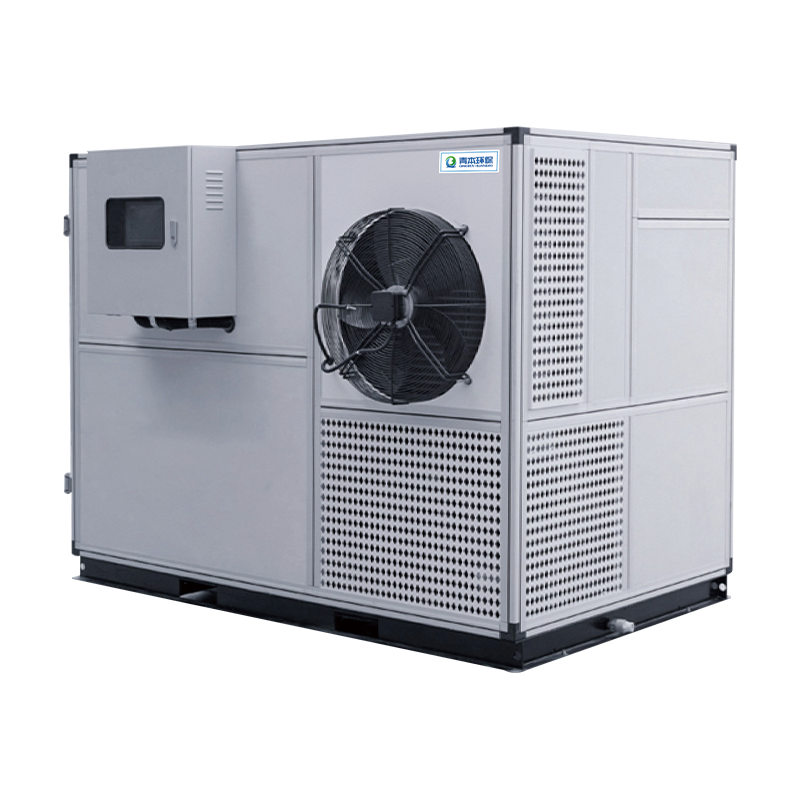
When disposal cost is driven by wet weight, drying is the next step after dewatering. The Low Temperature Sludge Drying System Supplier range takes sludge from around 83% water content to 10%-30% dry sludge, with volume reduction up to 90% and effective sterilisation above 90%. This makes the dried product suitable for odour control, blending and incineration, composting or building material feedstock.
The low temperature belt type machine is the base configuration for municipal sludge and industrial sludge from printing and dyeing, papermaking, electroplating, chemical, leather and pharmaceutical plants. The waste-heat model is specified where a plant already has hot water or low-grade heat available, and the cryogenic chamber machine suits smaller or batch-oriented installations.
Drying systems are supplied with enclosed construction to collect odour and with controls that allow the dryer to run continuously with limited manual supervision.
Supporting Equipment and Sewage Treatment
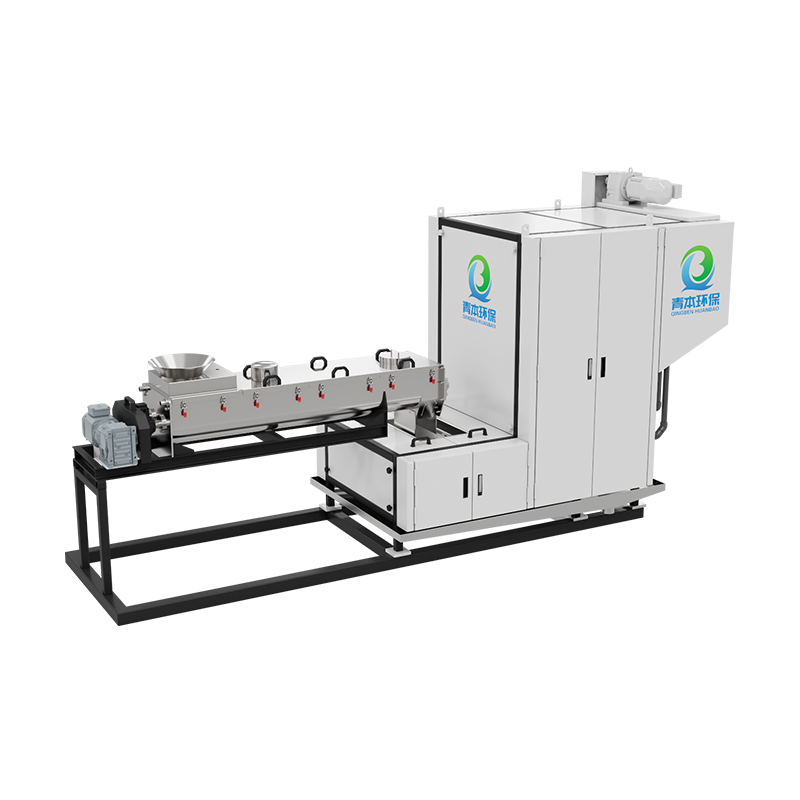
Complete sludge treatment lines depend on reliable polymer preparation, cake transport and upstream solids removal. We supply integrated dosing devices that combine dissolution and dosing, with adjustable dosage and water inlet volume, automatic low-level alarm and tank body materials selected for the liquid chemistry. Manual dosing devices are available for small installations with staff present. Screw conveyors move dewatered cake to the loading point and can be joint-controlled with the dewatering system, while the sludge hopper collects cake and discharges it through controlled bottom doors into trucks.
On the liquid side, the Sewage Treatment Equipment Manufacturer range includes mechanical screens, sludge scraper and suction machines, screw presses, sand-water separators and horizontal air flotation machines. These units reduce settleable solids, fibre and grit before biological treatment or before sludge dewatering, which protects downstream equipment and stabilises performance.
Configuration, Controls and Automation Integration
We do not treat model selection as a catalogue choice. Our proposal is built from feed characteristics, daily sludge volume, operating hours and target cake dryness. From those data we decide whether a screw press, belt press, deep dewatering system or a combination is the correct process step.
- Screw presses and dosing systems can operate fully automatically with local panel control.
- Belt filter presses can be controlled on-site or remotely, reducing labour for large plants.
- Deep dewatering equipment includes integrated monitoring, so continuous human supervision is not required.
- Conveyors and hoppers are interlocked with the dewatering line, and conveyor length, angle and hopper doors are customised to the building layout.
During the design phase we confirm power supply, wash water, drainage and access so the installed system matches site infrastructure.
Quality Assurance and Acceptance
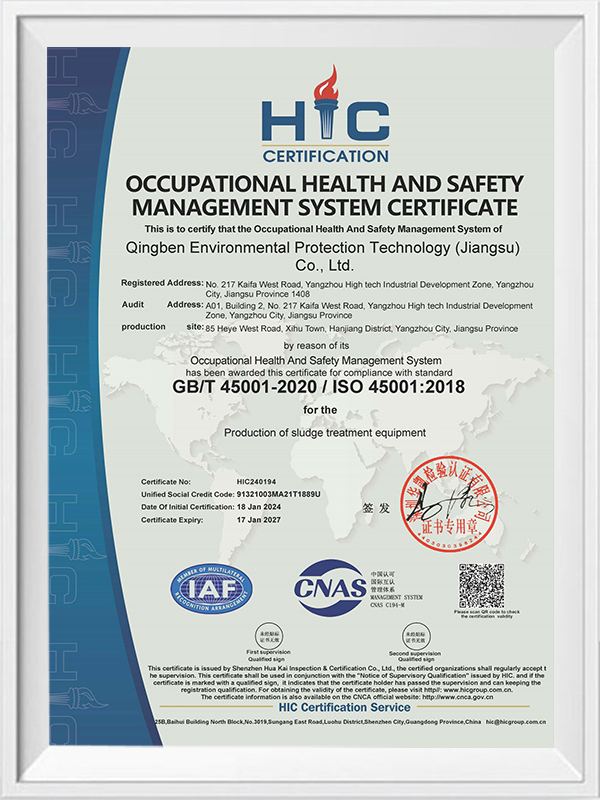
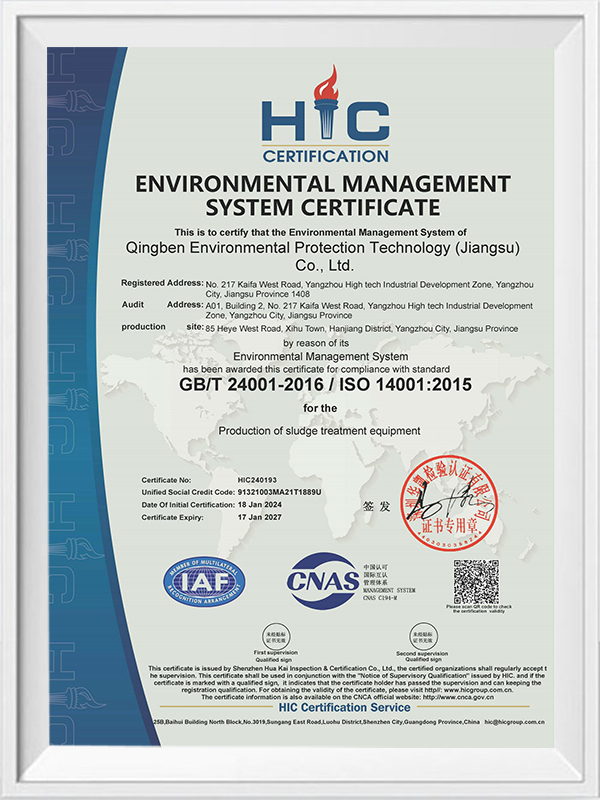
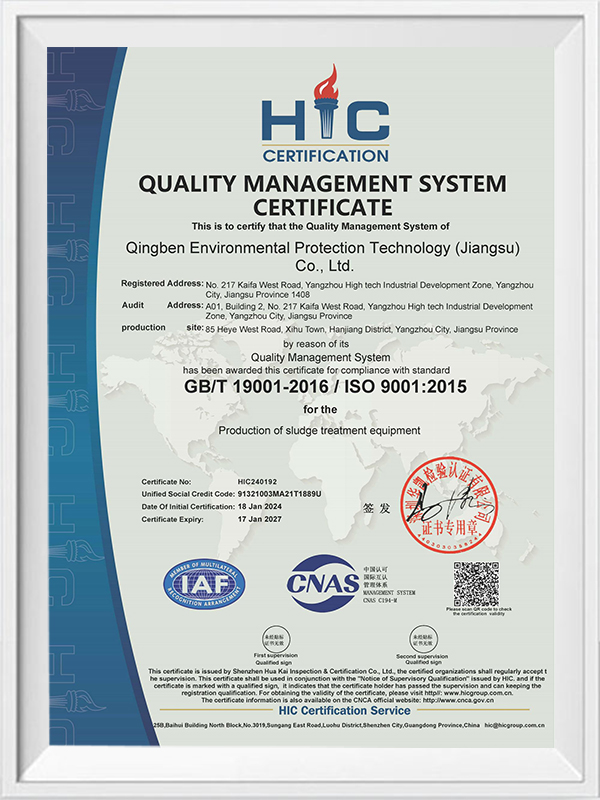
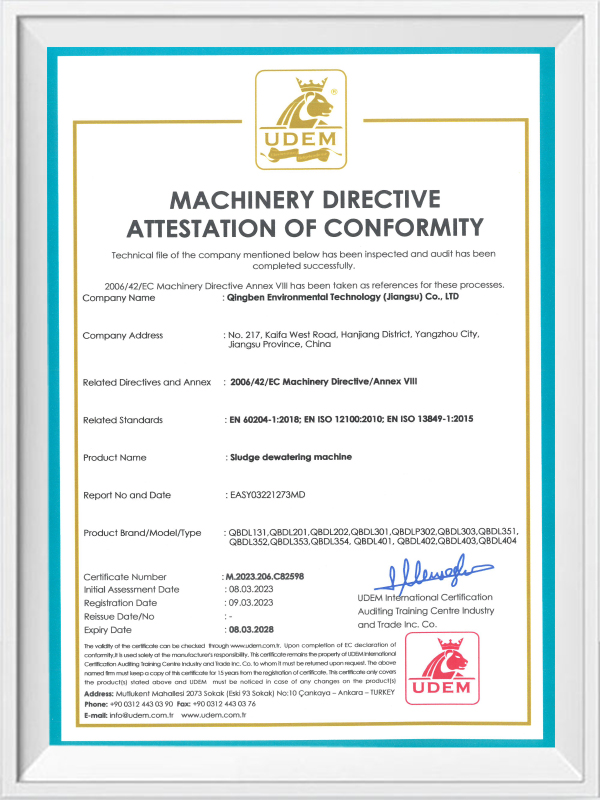
Our Yangzhou factory covers fabrication, assembly and inspection before dispatch. The company operates under ISO 9001, ISO 14001 and ISO 45001 management systems, and the equipment range carries CE marking. Each order goes through production and inspection before shipping, with the inspection scope matched to the agreed process data.
For installed systems, acceptance is completed during commissioning and trial operation. We verify mechanical running, electrical interlocks, dosing response and cake discharge before handing the line over to the plant team.
Installation, Service and Project Handoff
Our service scope runs from technical consultation and planning through equipment customisation, system integration, installation, commissioning and trial operation. After handoff, we provide operator training, scheduled maintenance, troubleshooting, spare part support, upgrades and modification services.
We also support data monitoring and analysis during operation, helping the plant team adjust polymer dose, feed rate and cycle times as sludge characteristics change.
Information We Use to Configure Your Solution
To prepare a configuration and quotation, we ask for the project data listed below. The more complete this information is, the closer the first proposal will be to the installed system.
- Sludge or wastewater source and type: municipal activated sludge, industrial chemical sludge, oily sludge, livestock manure, river or lake sediment
- Feed concentration in mg/L or percent dry solids, and daily wet sludge volume or wastewater flow
- Target cake dryness and final disposal route: landfill, incineration, composting, building material or further drying
- Flocculant or polymer type, preparation rate and dosing preference
- Site constraints: available space, power, wash water, drainage, odour control and access
- Control interface: local panel, remote PLC or DCS, and interlock requirements with pumps, conveyors and dosing units
- Operating schedule, manpower availability and any corrosion or abrasion conditions affecting material selection
Frequently Asked Questions
Can a screw press handle sludge that has not been thickened?
Yes. The screw press sludge dewatering machine operates in the 5000 mg/L to 50000 mg/L range without a separate concentration tank, and the preconcentration conch screw press version integrates thickening for dilute feed.
What does sludge deep dewatering achieve?
High pressure belt continuous sludge deep dewatering equipment uses continuous high-pressure, high-shear two-dimensional pressing. With the sludge conditioning mixer, it can reduce sludge from about 80% moisture to 60% and below, producing a fluffy cake that is easier to dry, compost or incinerate.
Can your equipment be integrated with existing plant controls?
Yes. Screw presses, belt presses, dosing systems and conveyors can be operated locally or remotely, and electrical protection allows joint control with the sludge dewatering system. We define signal and interlock requirements during the design phase.
What information do you need for a proposal?
The most important items are sludge or wastewater type, feed concentration, daily volume, operating hours, target cake dryness, disposal route, site constraints and control preferences. With those, we can size the machine and prepare a configuration.
Do you provide installation and training?
We provide system integration, installation, commissioning and trial operation, plus operator training so the plant team can run and maintain the equipment. After-sales service covers scheduled maintenance, troubleshooting, upgrades and spare parts.